 A EART GUITAR guide
Semi-Hollow vs Solid Body Electric Guitars: Which One Fits Your Playing Style?
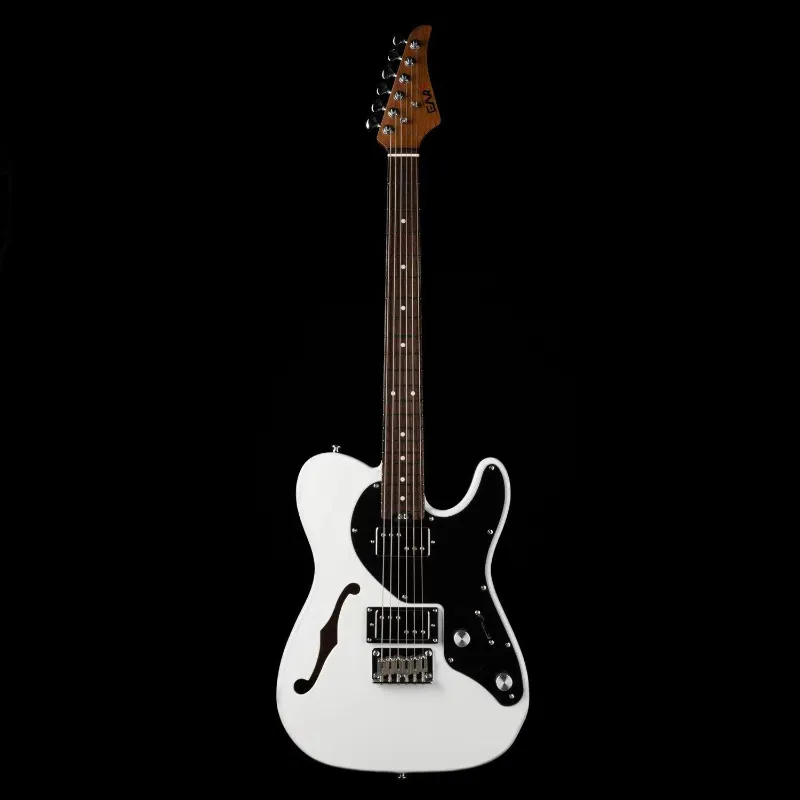
Electric semi-hollow body guitars offer a tonal middle ground between solid body punch and hollow body warmth, making them a versatile choice for players who need flexibility across genres.
Electric semi-hollow body guitars deliver a warmer, more resonant tone than solid body models while maintaining better feedback resistance than full hollow bodies. If you’re trying to decide between construction styles, understanding how body design affects tone, weight, and playability will help you choose the right guitar for your music.
What Makes Semi-Hollow Different from Solid Body Guitars
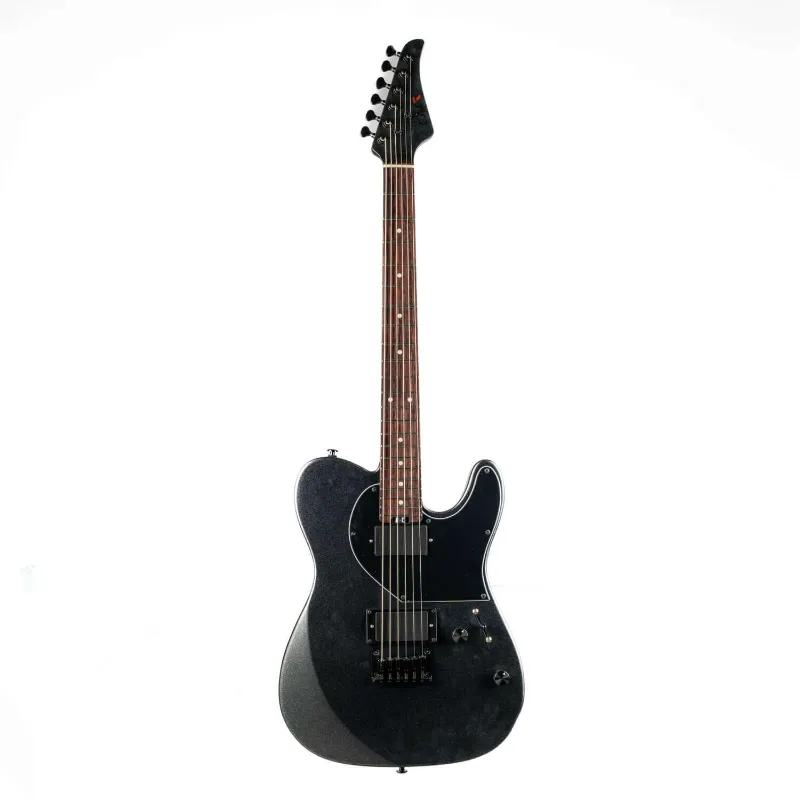
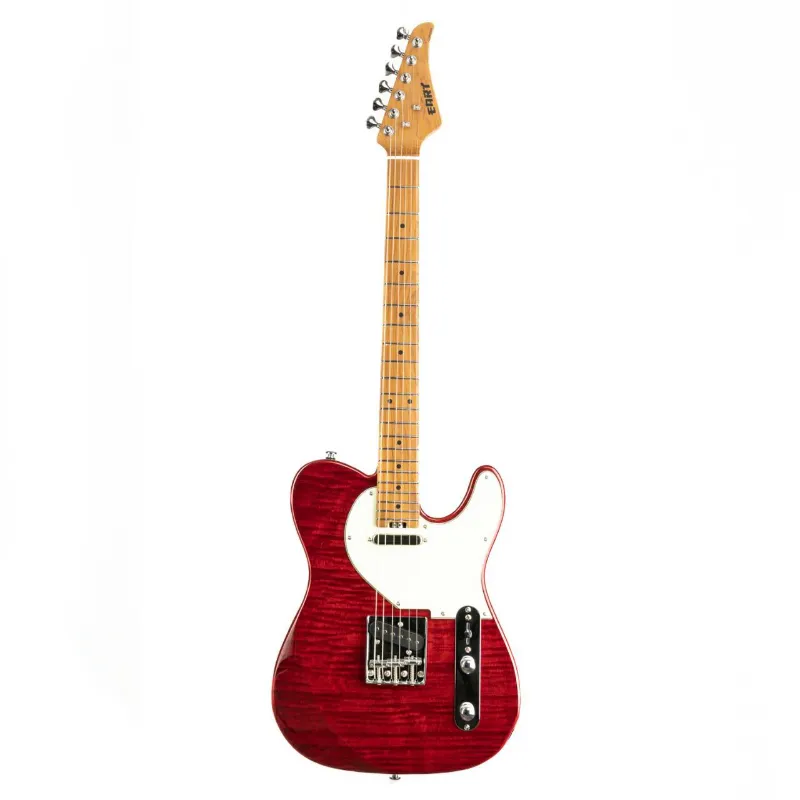
The core difference lies in construction. Solid body guitars like the metal telecaster are carved from a single piece or glued slabs of wood with no air chambers. Semi-hollow designs feature a solid center block running through the body with hollow wings on either side, while full hollow body guitars are completely chambered.
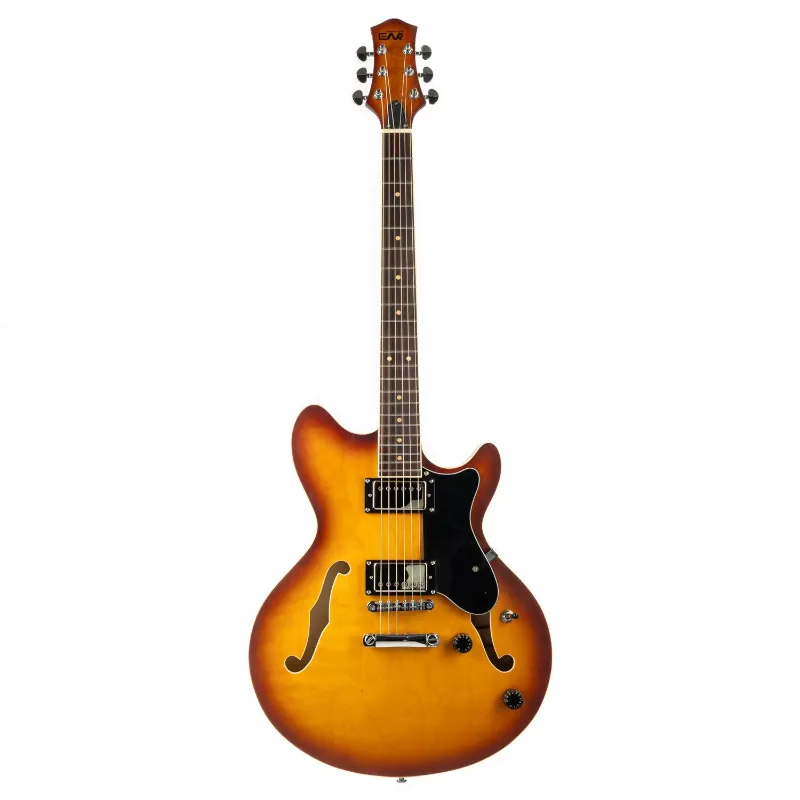
This center block gives semi hollow electric guitar models their signature characteristic: they combine the sustain and feedback resistance of solid bodies with the acoustic resonance of hollow construction. You’ll hear more natural harmonic content and a slightly compressed, round quality that solid bodies can’t quite replicate.
According to Sweetwater’s guide to semi-hollowbody guitars, this hybrid design became popular in the 1950s when players needed more volume without the feedback issues that plagued full hollow body electric guitar models in loud stage environments.
Tone and Resonance: How Body Style Shapes Your Sound
Solid body guitars produce a focused, punchy tone with tight low end and clear note definition. They excel at high-gain applications and aggressive playing because the lack of air chambers prevents sympathetic vibrations that can muddy your signal or create unwanted feedback.
Semi-hollow guitars add midrange warmth and natural compression. The hollow wings vibrate sympathetically with the strings, creating overtones and sustain that feel more organic. This makes them exceptional for:
- Jazz and blues where you want a rounded, vocal-like quality
- Indie and alternative rock that benefits from chime and shimmer
- Classic rock tones that sit between clean jangle and overdriven grit
- Recording situations where you want dimension without adding reverb
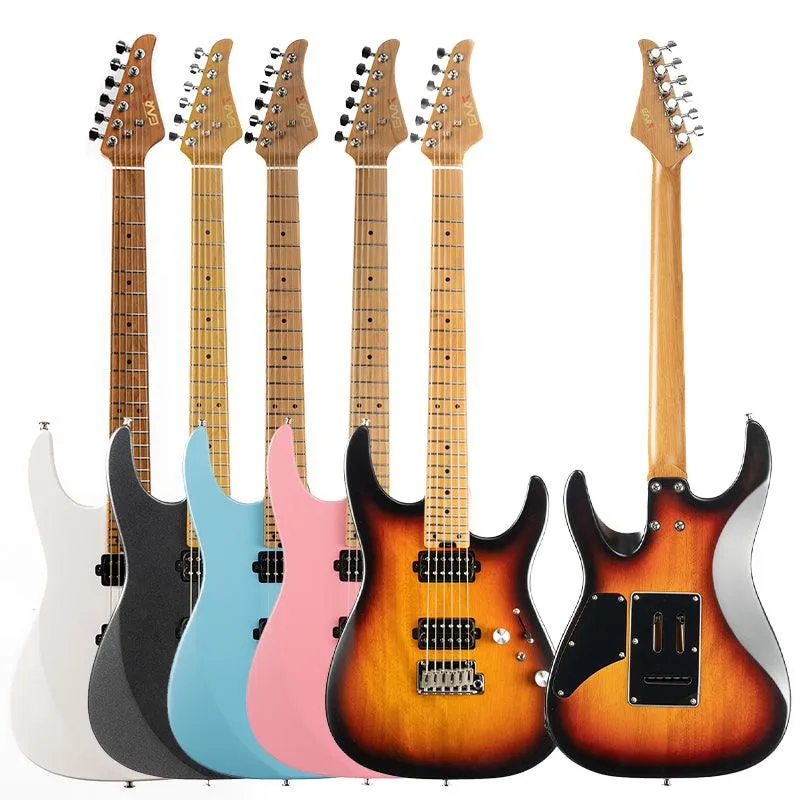
An eart guitar with semi-hollow construction will sound noticeably fuller and more open than its solid counterpart, even through the same amplifier and settings.
Full hollow body guitars take resonance to the extreme. They’re the loudest unplugged and produce the warmest electric tone, but they become nearly unplayable at high volumes with distortion due to feedback. Most players reserve them for clean jazz, acoustic-electric applications, or controlled studio environments.
Weight, Comfort, and Playability Differences
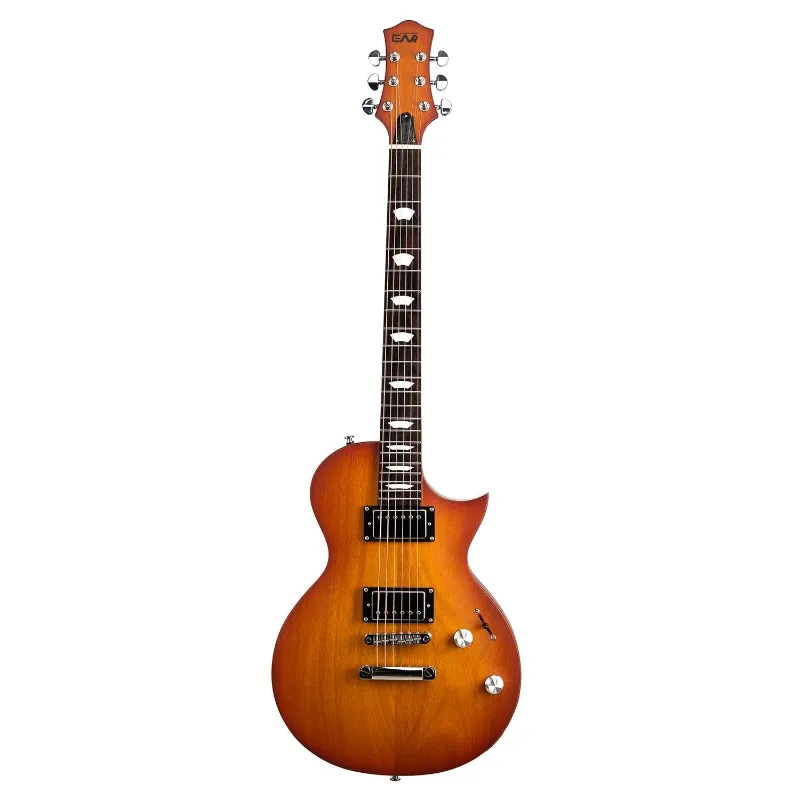
Solid body guitars are typically the heaviest option. A mahogany Les Paul-style solid body can weigh 9 to 11 pounds, which causes shoulder fatigue during long sessions. However, that mass contributes to sustain and stability.
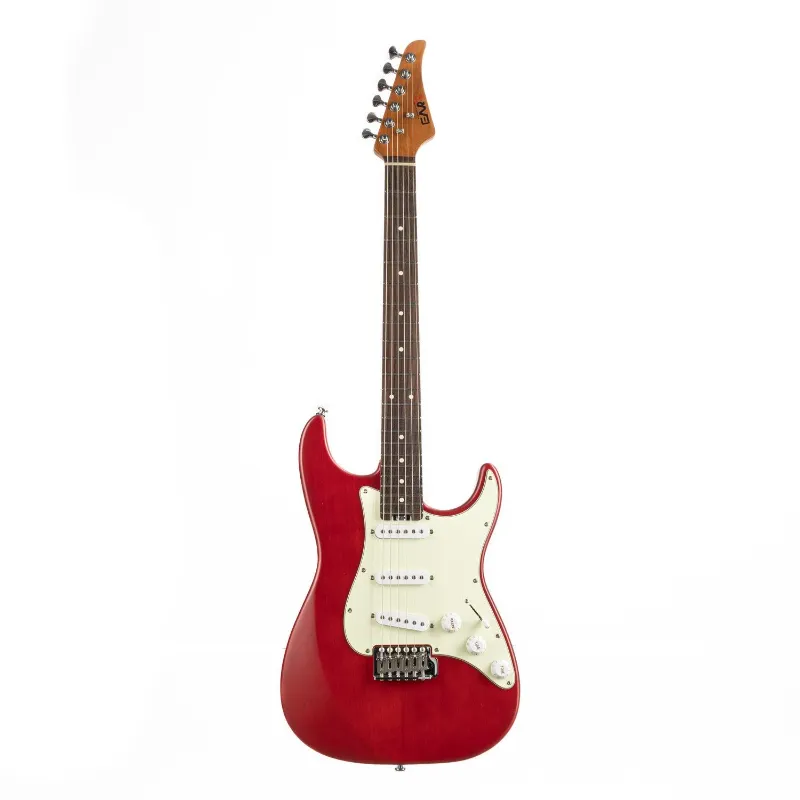
Semi-hollow models like the vintage style electric guitar weigh significantly less, usually 6 to 8 pounds, because the hollow chambers remove wood mass. Players who gig regularly or practice for extended periods often prefer this reduced weight. The balance point also tends to sit differently, which affects how the guitar hangs on a strap.
Full hollow bodies are the lightest, but they’re also the most delicate. The thin top and back are vulnerable to impacts and climate changes that can cause cracks or warping.
Semi-Hollow vs Hollow Body Guitar: Feedback and Volume Handling
Feedback resistance is where construction choices directly impact your ability to play at stage volumes. The center block in semi-hollow designs acts as a structural anchor that dampens the acoustic resonance that causes feedback.
| Body Type | Feedback Resistance | Best Volume Range | Distortion Handling |
|---|---|---|---|
| Solid Body | Excellent | Any volume | Excellent |
| Semi-Hollow | Good | Low to high | Good with technique |
| Full Hollow | Poor | Low to moderate | Limited |
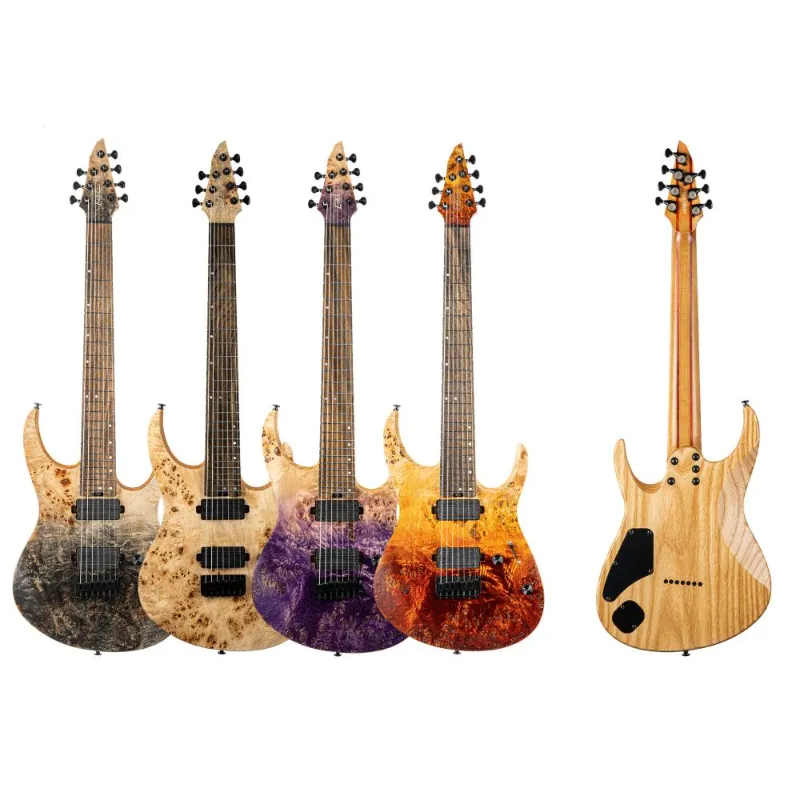
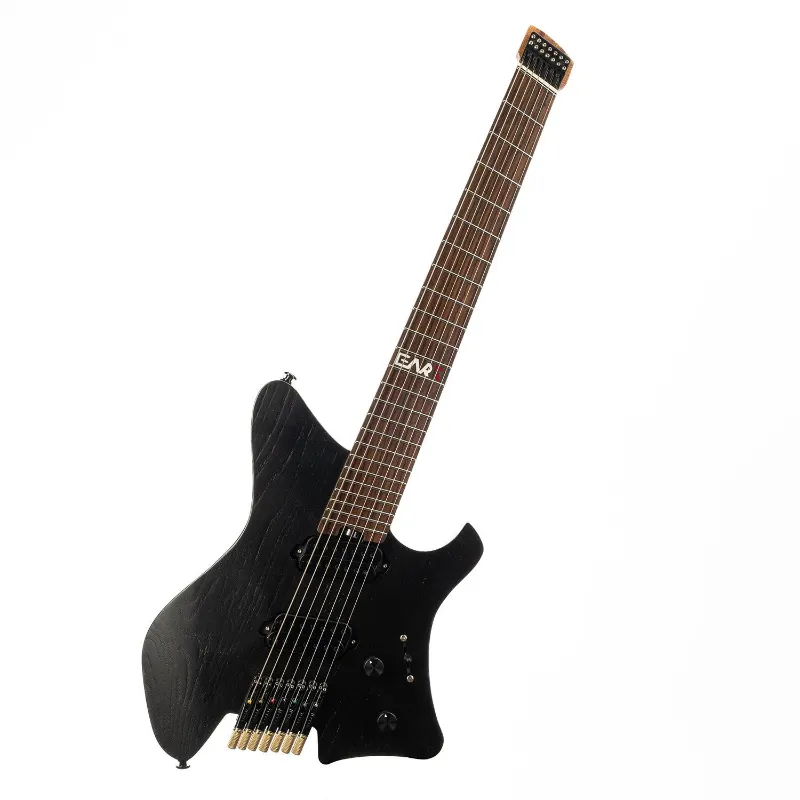
If you play genres that demand high gain like metal or hard rock, a solid body seven string explorer will give you the tight, controlled response you need. But if you’re moving between clean jazz, crunchy blues, and moderate rock tones, a semi hollow electric guitar handles that range beautifully. Check the latest prices with our exclusive code to compare models.
Which Guitar Fits Your Playing Style and Genre
Choose a solid body if you:
- Play high-gain music like metal, punk, or hard rock
- Need maximum sustain and note clarity for lead work
- Perform in loud environments where feedback is a constant risk
- Prefer modern features like locking tremolos or extended-range configurations such as a headless 7 string guitar
Choose a semi-hollow if you:
- Play jazz, blues, indie, or classic rock
- Want one guitar that handles both clean and overdriven tones
- Value comfort and reduced weight for long playing sessions
- Appreciate natural resonance and harmonic complexity
Choose a full hollow body if you:
- Focus exclusively on jazz or acoustic-electric styles
- Play at low to moderate volumes in controlled settings
- Want maximum acoustic projection when unplugged
- Prioritize warmth and vintage tone above all else
Many working guitarists own both a solid body and a thin body electric guitar with semi-hollow construction to cover different sonic territories. The best semi hollow guitars under $500 now offer professional build quality that makes owning multiple instruments more accessible than ever.
Practical Considerations: Maintenance and Durability
Solid body guitars are the most roadworthy. They tolerate temperature swings, humidity changes, and the occasional knock without structural damage. A single coil electric guitar with solid construction can survive decades of touring with basic maintenance.
Semi-hollow models require slightly more care. The hollow chambers and F-holes make the top and back more vulnerable to impacts. Keep them in a quality case, avoid extreme temperature changes, and watch humidity levels to prevent cracks in the binding or finish. That said, they’re far more durable than full hollow bodies.
Full hollow body guitars are the most delicate. The thin, arched top can crack from impacts or climate stress. They’re not ideal for players who load gear in and out of vans nightly.
Making Your Decision: Try Before You Commit
Your playing style, genre requirements, and physical comfort should drive your choice more than abstract tone preferences. If possible, test both construction types through your own amplifier with your typical settings.
Pay attention to how each guitar responds to your touch, how it balances on your body, and whether the tone inspires you to play differently. A green guitar electric model might catch your eye, but the feel and sound should ultimately seal the decision.
For current pricing and to grab our exclusive discount code, visit our EART Guitar coupon page. We regularly update deals on both solid and semi-hollow models so you can find the right instrument at the best price.
Whether you choose the focused aggression of a solid body or the warm complexity of electric semi-hollow body guitars, understanding these construction differences ensures you’ll pick an instrument that supports your musical goals for years to come.
Questions
Do electric semi-hollow body guitars feedback more than solid body models?
Yes, semi-hollow guitars are more prone to feedback than solid bodies because the hollow chambers resonate sympathetically with amplifier output. However, the center block provides enough mass to keep feedback manageable at moderate to high volumes, unlike full hollow body guitars which feedback easily.
Can I play metal on a semi-hollow guitar?
You can play metal on a semi-hollow guitar, but solid body models are generally better suited for high-gain music. The resonant chambers in semi-hollow designs can make tight palm-muted riffs sound less focused, and feedback becomes harder to control at high volumes with heavy distortion.
Are semi-hollow guitars better for beginners than solid body guitars?
Semi-hollow guitars aren't inherently better for beginners, but their lighter weight can be more comfortable during long practice sessions. Beginners should choose based on the music they want to play: solid body for rock and metal, semi-hollow for jazz and blues.
What is the difference between semi-hollow and full hollow body guitars?
Semi-hollow guitars have a solid center block running through the body with hollow wings, while full hollow body guitars are completely chambered with no center block. This makes semi-hollow models more feedback-resistant and better suited for louder playing and moderate distortion.
Do semi-hollow guitars sound good unplugged?
Semi-hollow guitars produce more acoustic volume than solid body models when unplugged, making them useful for quiet practice. However, they're still much quieter than acoustic guitars or full hollow body electrics because the center block and smaller chambers limit resonance.
Are EART semi-hollow guitars good quality for the price?
EART guitars offer professional build quality at budget-friendly prices, making them competitive with semi-hollow models that cost significantly more.
Products in this guide
 Shopping at EART GUITAR? See the discount code
$5 OFF All Orders
Shopping at EART GUITAR? See the discount code
$5 OFF All Orders
More in this series
 Maintaining Your Semi-Hollow Electric Guitar: Humidity, Storage, and Neck Care13 Aug 20264 minWhat to Know Before You Buy an EART Guitar13 Aug 20263 minDo Single Coil Pickups Work for Metal? What You Need to Know13 Aug 20265 minHow to Set Up and Intonate a Headless 7 String Guitar13 Aug 20265 minAre EART Guitars Good? A Build Quality Guide13 Aug 20265 min