 A Simsonn guide
Simsonn Racing Hub Complete Setup Guide: Compatibility and Installation
A sim racing hub is the central connection point that holds your entire rig together, and getting it right from the start saves hours of troubleshooting later.
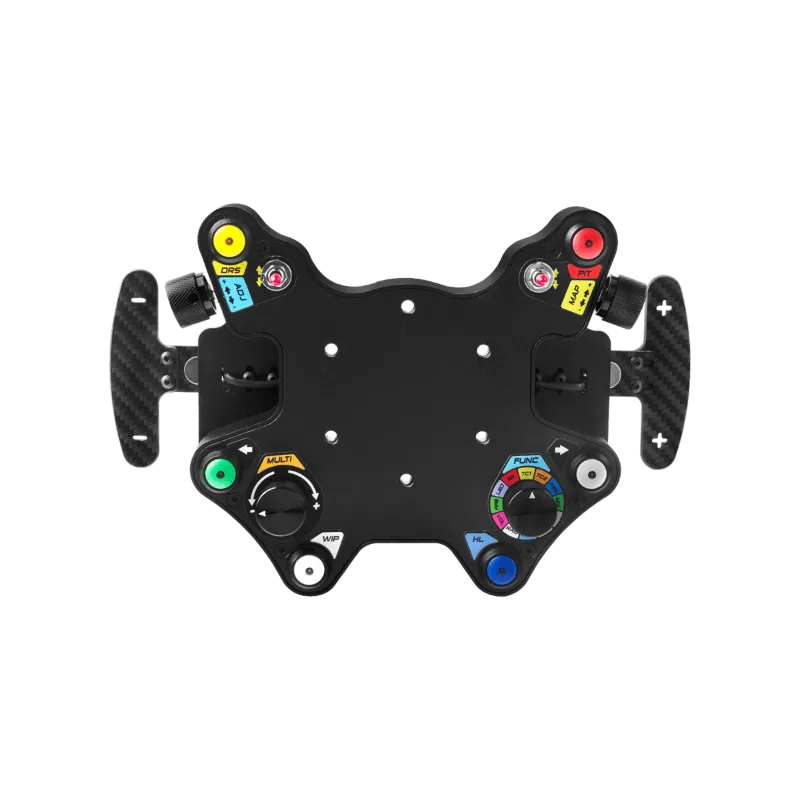
A sim racing hub is the central connection point that holds your entire rig together, and getting the setup right from the start saves hours of troubleshooting later. This guide walks through compatibility, installation order, and how Simsonn’s lineup slots together so everything communicates cleanly from the first session.
What a Sim Racing Hub Actually Does
A racing hub sits between your wheel base, peripherals, and PC, handling the USB and power connections that keep input lag low and signal dropout out of the picture. Think of it as the nervous system of your rig: every device runs through it, so its quality and placement directly affect how consistent your inputs feel.
A dedicated sim racing hub extension cable or powered USB hub also matters here. Consumer-grade USB hubs can introduce latency or drop connections mid-race. A purpose-built solution designed for sim hardware holds a stable connection even when multiple high-polling-rate devices are active at once.
Compatible Simsonn Gear: What Works Together
Simsonn’s product range is built to integrate cleanly. Here is a quick compatibility overview before you start routing cables:
| Product | Connection Type | Recommended Port |
|---|---|---|
| sim racing hub | USB-A / direct mount | Powered USB or dedicated PCIe card |
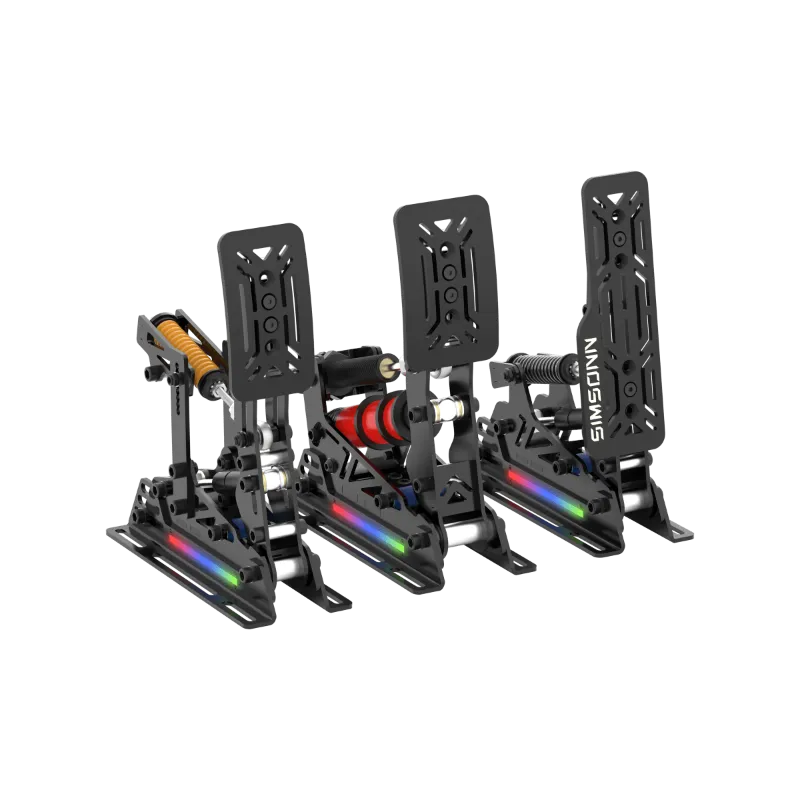
| simsonn pro pedals | USB-A | Hub or direct motherboard port |
| simsonn pedals | USB-A | Hub or direct motherboard port |
| sim racing e brake | USB-A | Hub, daisy or standalone |
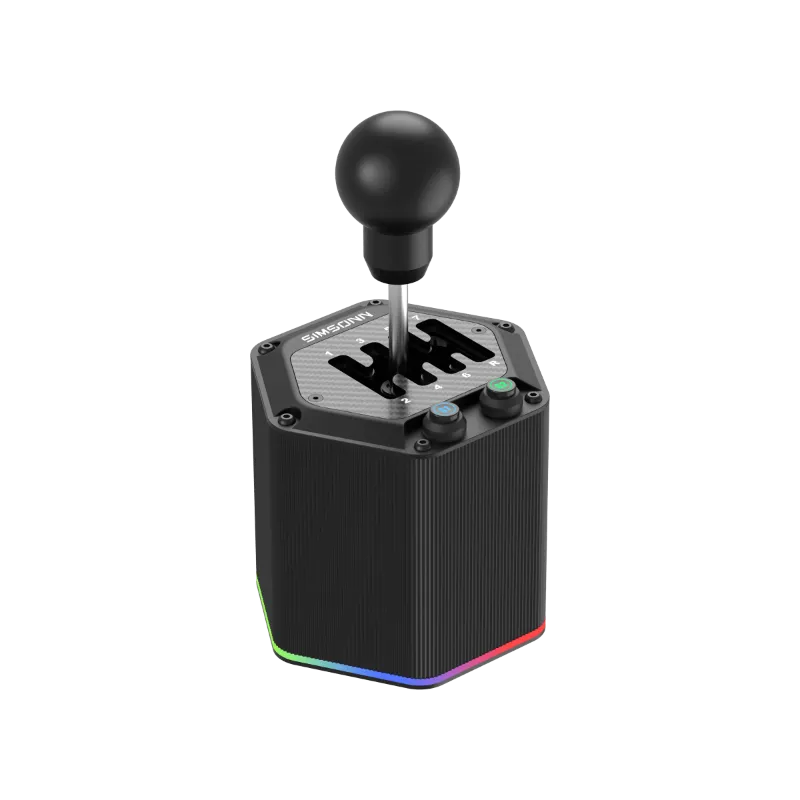
| sim shifter | USB-A | Hub or direct port |
| simsonn plus x | Wheel base direct | Wheel base, not the hub |
The simsonn plus x wheel connects directly to your wheel base rather than routing through the hub, so keep that port free. Everything else in the lineup runs USB and benefits from a clean, powered connection.
Installation Order: Step by Step
Getting the sequence right prevents driver conflicts and makes cable management far easier once the rig is fully assembled.
- Mount the hub first. Secure the sim racing hub to your rig frame before adding any peripherals. Most rigs have dedicated rail slots; use them so the hub does not shift during heavy braking.
- Connect the hub to a powered USB source. A PCIe USB expansion card or a powered desktop hub keeps the current stable. Avoid daisy-chaining through a laptop’s built-in ports.
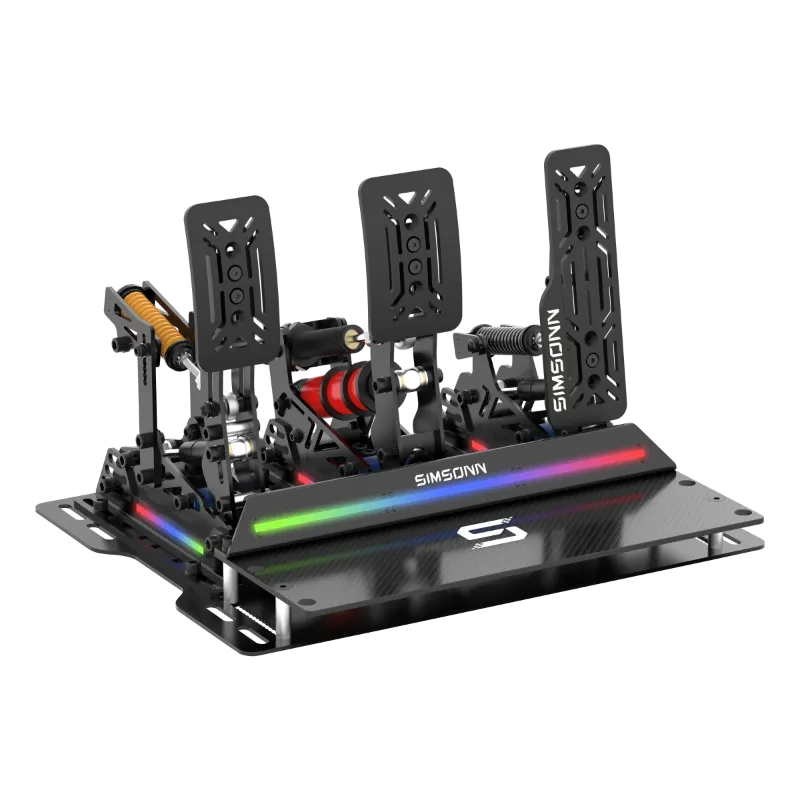
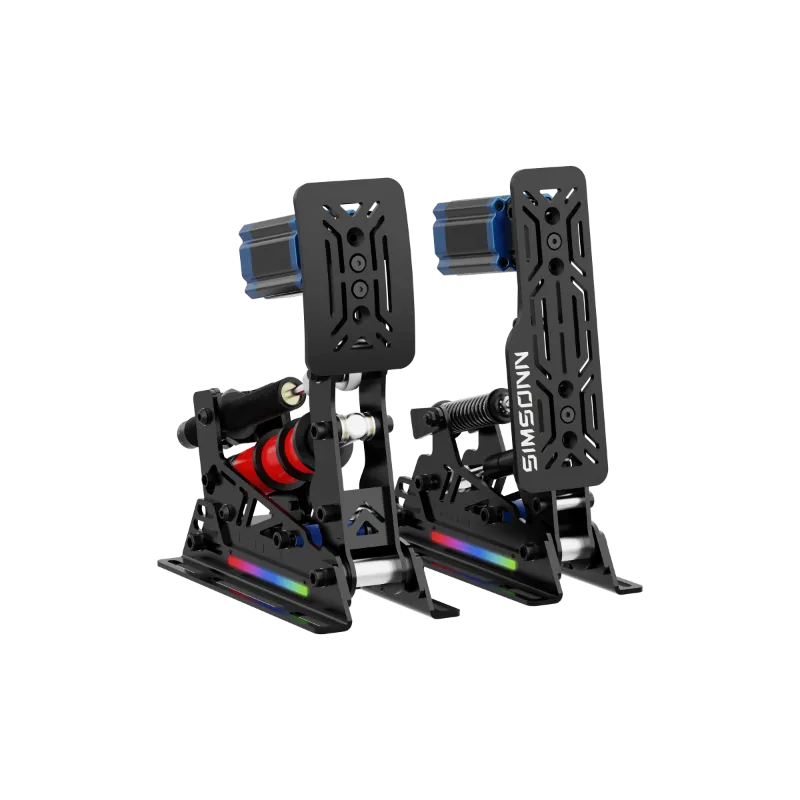
- Add the pedals. Mount simsonn pro pedals or simsonn pedals to the floor plate, run the cable up the frame, and plug into the hub. Route cables through any integrated clips so they are not under tension.
- Install the shifter. Bolt the sim shifter to your preferred side mount, connect to the hub, and confirm the port is seated fully before tightening the bracket.
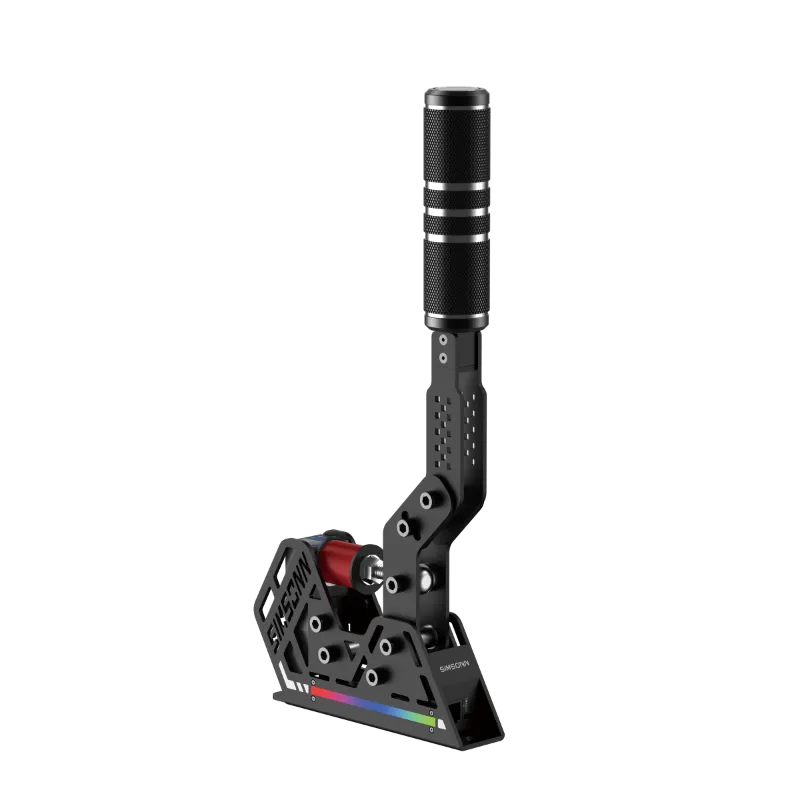
- Add the e-brake. The sim racing e brake usually mounts near the shifter. Run its cable alongside the shifter cable and connect to a remaining hub port.
- Connect the wheel base and simsonn plus x last. The wheel base goes directly to the PC rather than through the hub, which prevents the high-power draw from affecting other peripheral signals.
- Power on and install drivers. Windows should enumerate each device individually. If any device shows as unrecognised, replug it into a different hub port before reinstalling drivers.
Cable Management Tips for a Clean Build
Good cable management is not cosmetic; it prevents accidental disconnections and makes future upgrades much faster.
- Use hook-and-loop velcro straps rather than cable ties so you can reopen bundles without cutting.
- Leave a small service loop at each device end so plugging and unplugging does not stress the connector.
- Route pedal cables under the seat frame and up the back of the rig to keep the floor area clear.
- Label each cable at the hub end. When you are troubleshooting at 11 pm, knowing which port belongs to which device matters.
- If you are running a racing simulator setup with hydraulic pedals or load-cell upgrades, give those devices a dedicated port rather than splitting bandwidth.
Tools like SimHub can help you verify that each device is recognised correctly and pull live telemetry data once everything is connected, which is a useful sanity check before your first full session.
Choosing Between Simsonn Pedal Options
If you are still deciding on pedals alongside your hub build, the choice between the standard simsonn pedals and the simsonn pro pedals comes down to how much load-cell feedback you want.
- simsonn pedals: solid entry point, USB direct, consistent feel across long sessions.
- simsonn pro pedals: higher-resolution sensors, better suited to drivers chasing lap-time consistency or moving up from a console setup.
Both connect identically to the hub, so your cable routing is the same either way. You can check the latest price and grab a discount code before deciding, since the current offer applies across the full range.
Troubleshooting Common Hub Connection Issues
Even a clean install sometimes hits a snag. These are the most common causes:
- Device not recognised: Try a different hub port. If the issue persists, plug directly into the motherboard to confirm the device itself is working.
- Input dropout mid-session: Usually a power delivery issue. Switch to a powered hub or PCIe expansion card.
- Multiple devices conflicting: Update each device driver individually rather than using a generic USB driver sweep.
- High latency on pedals: Check polling rate settings in the device manager. High-polling devices occasionally need their own dedicated port.
- simsonn plus x disconnecting: Because the wheel runs through the wheel base and not the hub, check the base’s own USB connection first.
For community-tested configurations and device compatibility lists, SimRacerHub is a solid reference point with real-world setups documented by other builders.
Getting the Most From Your Simsonn Rig
Once everything is seated and recognised, spend a few minutes in your sim’s controller settings confirming each input maps correctly. Set deadzones conservatively at first, then tighten them as you learn how your specific hardware responds.
The sim racing hub is not the most glamorous part of a rig build, but it is the part that determines whether every other component performs at its ceiling or falls short of it. Get a good foundation here and the rest of the setup process is straightforward.
When you are ready to order, grab the current discount code to take 8% off across the Simsonn range.
Questions
What is a sim racing hub and do I actually need one?
A sim racing hub centralises the USB connections for your pedals, shifter, e-brake, and other peripherals into a single managed point on your rig. If you are running three or more USB devices, a dedicated hub keeps signal quality consistent and prevents the dropout issues that consumer USB ports can cause under sustained polling load.
Does the Simsonn Plus X connect through the sim racing hub?
No. The simsonn plus x wheel connects directly to the wheel base, which then connects to your PC. Running a wheel through a shared USB hub can cause power and signal issues, so keep the wheel base on its own dedicated connection.
Can I use any powered USB hub, or does it need to be a sim-specific one?
A quality powered USB hub with individual port power switching works well for most setups. Purpose-built sim racing USB hub solutions are worth the premium if you are running high-polling devices like load-cell pedals, since they maintain more stable current delivery under continuous input.
What order should I connect Simsonn pedals to avoid driver conflicts?
Connect and install drivers for one device at a time rather than plugging everything in simultaneously. Start with the simsonn pro pedals or simsonn pedals, confirm they are recognised, then add the sim shifter and sim racing e brake one by one.
Is there a discount available on Simsonn products?
Yes. You can find the current Simsonn discount code and check live pricing on our coupon page at /simsonn-discount-code/. The current offer covers the full range including pedals, the hub, and accessories.
How do I reduce input latency on my sim rig peripherals?
Use a PCIe USB expansion card or a powered hub rather than built-in laptop or motherboard ports, and give high-polling devices their own dedicated port. Checking each device's polling rate in Device Manager and updating drivers individually also helps eliminate unnecessary latency.
Products in this guide
 Shopping at Simsonn? See the discount code
8% OFF All Orders
Shopping at Simsonn? See the discount code
8% OFF All Orders
More in this series
Best Simsonn Sim Shifter Settings for H-Pattern and Sequential Shifting8 Aug 20265 minWhy Are My Simsonn Pedals Losing Calibration? Troubleshooting and Fixes8 Aug 20264 minDo You Need a Sim Racing E-Brake? Real Benefits for Drifting and Rally8 Aug 20265 minHow to Set Up the Simsonn Plus X Racing Wheel for Optimal Performance8 Aug 20265 minSimsonn Pedals vs Simsonn Pro Pedals: Which Sim Racing Pedals Should You Buy?8 Aug 20264 min