 A Cultiuana guide
How to Set Up a Hydroponic System for Beginners: Electric Hydroponics Guide
Electric hydroponics lets you grow fresh plants indoors year-round with minimal space and no soil, making it ideal for beginners who want reliable harvests.
Electric hydroponics is a soil-free gardening method that uses water, nutrients, and electricity to grow plants faster and more efficiently than traditional gardening. Whether you’re interested in hydroponic farming at home for beginners or exploring hydroponics advantages and disadvantages, this guide covers everything you need to start growing indoors successfully.
What is Electric Hydroponics and Why Start Now
Electric hydroponics automates the growing process by using pumps, timers, and climate controls to deliver nutrients and light on schedule. This removes most guesswork. Plants grow 30 to 50 percent faster than in soil because nutrients are immediately available in the water solution. You don’t need outdoor space, and your harvests aren’t limited by season or weather.
The main hydroponics advantages for beginners include water savings (up to 95 percent less than soil), year-round production, and compact indoor setups. You’ll learn the disadvantages, initial equipment costs, electricity dependency, and the need to monitor pH and nutrient levels, but they’re manageable with the right tools and routine.
Choosing Your Electric Hydroponics System
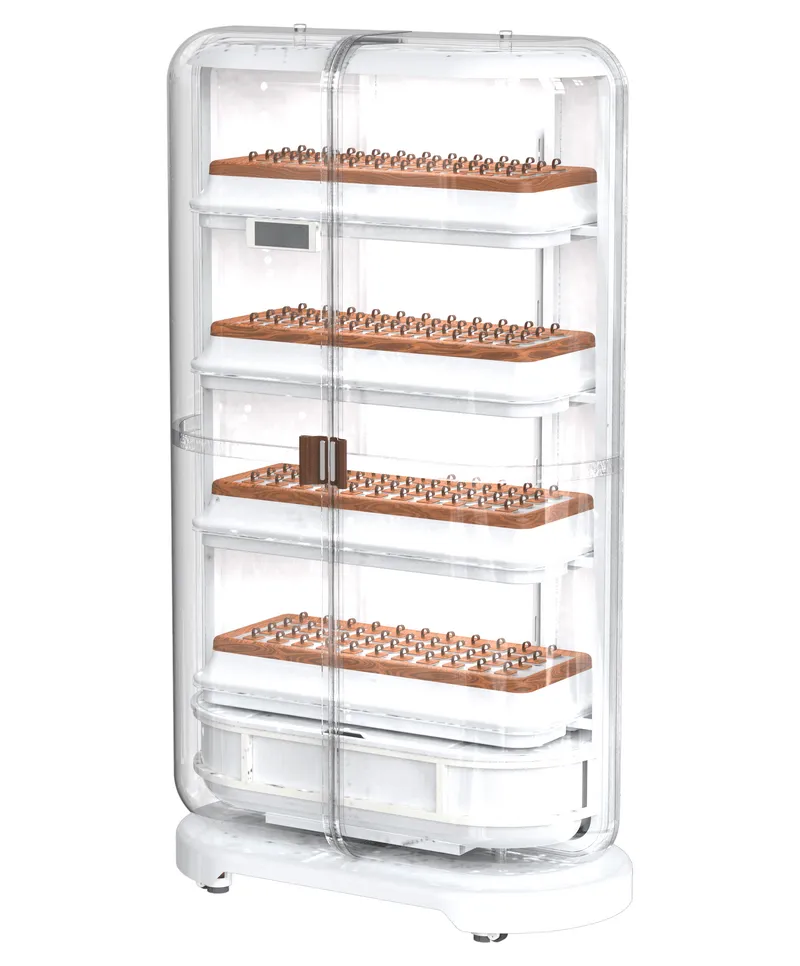
The first step is picking a electric hydroponics system that matches your space and goals. Most beginner kits fall into two categories: deep water culture (DWC) and nutrient film technique (NFT).
- Deep water culture submerges roots in oxygenated nutrient water. It’s forgiving and great for leafy greens and herbs.
- Nutrient film technique flows a thin layer of nutrients over roots. It uses less water and works well for herbs and smaller plants.
Your space matters. A best value dehumidifier 1x1m grow tent cannabis barcelona 2026 works if you’re growing in a bedroom or basement and need climate control. Smaller setups fit shelves or corners. Check the wattage of pumps and lights to ensure your outlets can handle the load.
Check the latest price on complete kits or build your own modular system with individual components.
Essential Electric Hydroponics Equipment
Running electric hydroponics requires climate control, lighting, and monitoring tools. Here’s what you’ll need:
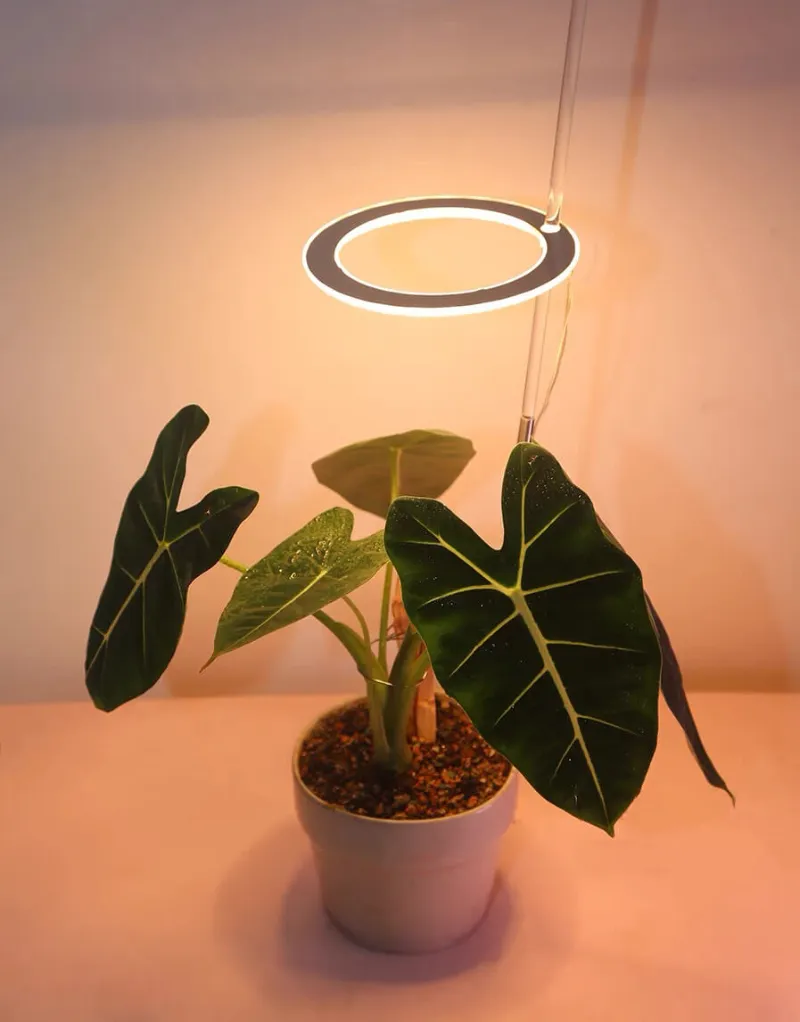
- Pump and air stone: Powers water circulation and oxygen delivery. Most run 24/7 or on timers.
- Small grow light: LED panels designed for indoor growth. Aim for 30 to 40 watts per square foot.
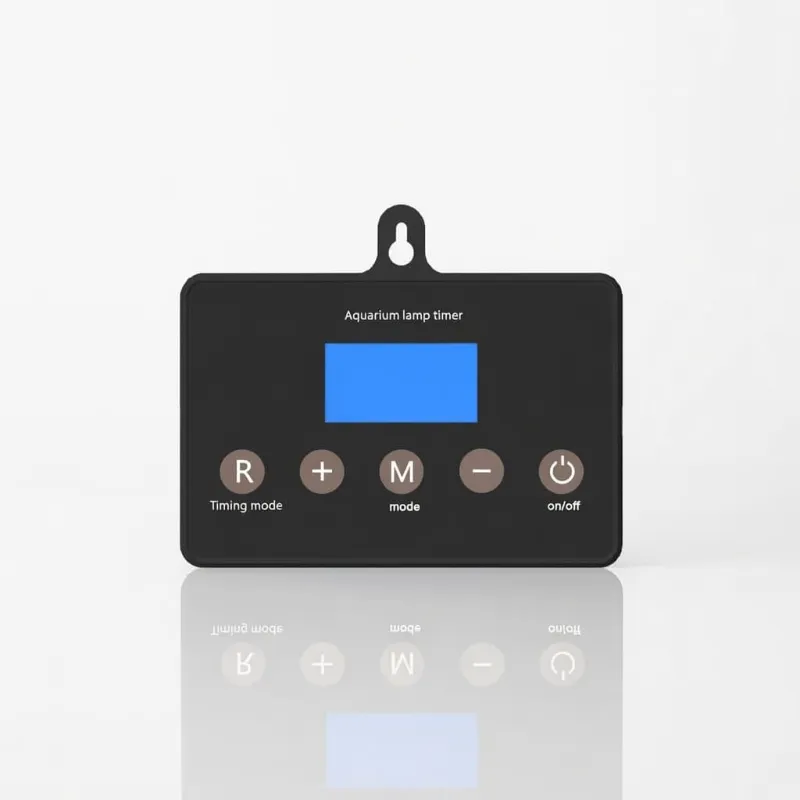
- Aquarium light timer or tank light timer: Automates your light schedule (typically 16 hours on, 8 hours off for leafy greens).
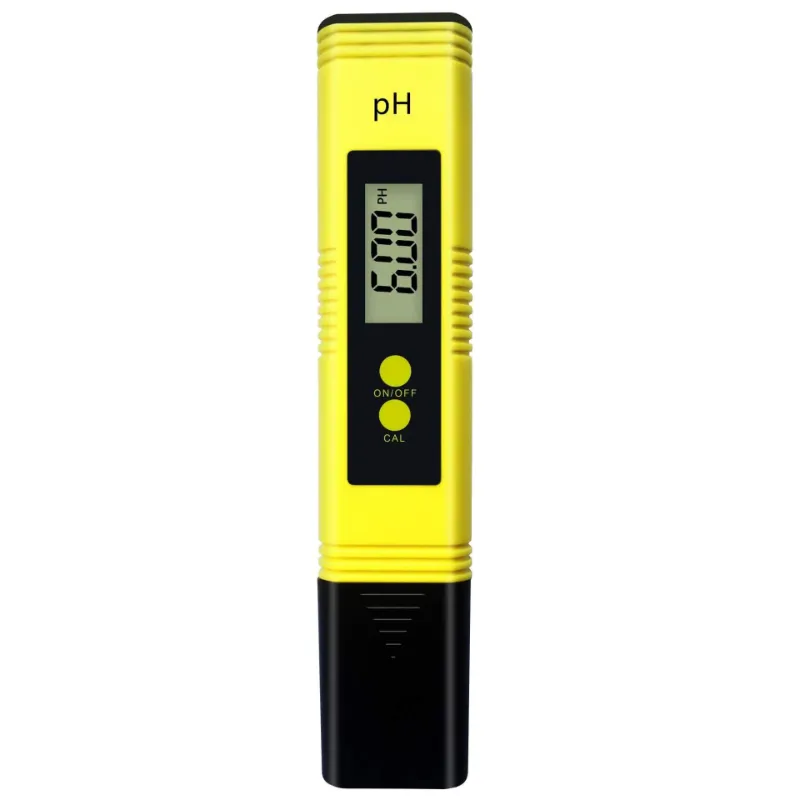
- pH pen: Critical for nutrient absorption. Most hydroponic systems run best between pH 5.5 and 6.5.
- Thermometer: Roots prefer 65 to 75 degrees Fahrenheit.
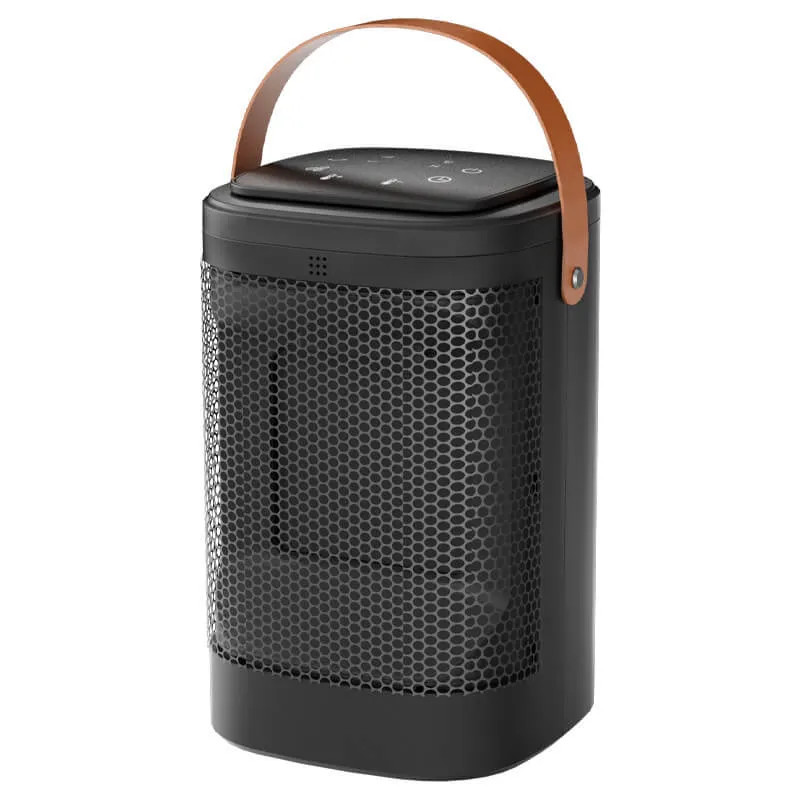
- Greenhouse heater: Maintains warmth during cold months if your setup is in an unheated space.
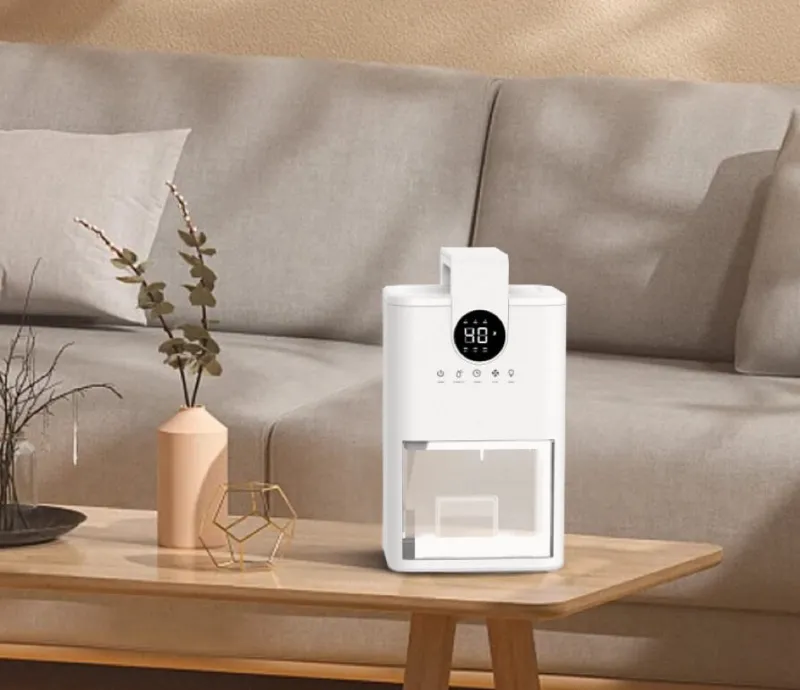
For larger operations or high-humidity environments, a best value dehumidifier 1x1m grow tent cannabis barcelona 2026 prevents mold and mildew.
| Component | Purpose | Notes |
|---|---|---|
| Pump | Circulates nutrients | Run 24/7 or 15 min cycles |
| Grow Light | Powers photosynthesis | LED is energy-efficient |
| Light Timer | Automates photoperiod | 16/8 hours standard |
| pH Pen | Monitors acidity | Test 2-3 times weekly |
Setting Up Your First Hydroponics System
Start small and expand once you understand the rhythm. Here’s the process:
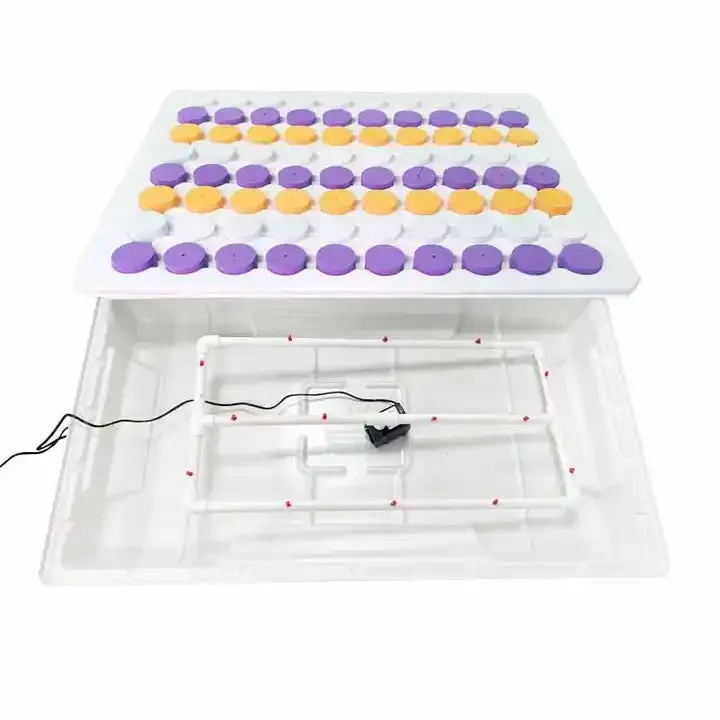
- Fill your reservoir with water and let it sit for 24 hours to dechlorinate.
- Add your nutrient solution according to the kit instructions. Different plants need different ratios, so follow the label.
- Test and adjust pH using your pH pen until it’s in the optimal range.
- Install the pump, air stone, and growing medium (rockwool, clay pellets, or coconut coir).
- Set up your small grow light 12 to 18 inches above the canopy and program the aquarium light timer.
- Add seedlings or clones (you can propagate using a clone machine).
- Monitor daily. Check water level, pH, and nutrient concentration every two to three days.
Electricity powers the whole system, so position your setup near an outlet and use a surge protector. If you’re in a cold climate, add a greenhouse heater to prevent root rot from chilling.
Monitoring and Maintaining Electric Hydroponics
The advantage of electric hydroponics is that automation handles the hard work, but you still need to watch a few key metrics:
- Nutrient strength (EC or PPM): Test weekly. If levels drop, add more nutrient solution. If they climb too high, do a partial water change.
- pH drift: Test 2 to 3 times per week. pH naturally drifts upward in hydroponic systems. Adjust with pH down or pH up as needed.
- Water temperature: Keep it between 65 and 75 degrees Fahrenheit. Too warm and roots become oxygen-starved; too cold slows growth.
- Algae: Prevent by covering your reservoir and keeping light out of the water.
Most failures come from neglecting pH and nutrient checks, not from equipment failure. Set phone reminders for weekly tests.
Hydroponics Advantages and Disadvantages You’ll Face
Understanding both sides helps you succeed.
Advantages: Plants grow 30 to 50 percent faster. You use 90 to 95 percent less water than soil gardening. There are no weeds or soil-borne diseases. You can grow year-round indoors regardless of climate. Hydroponic farming at home for beginners is scalable, start with one shelf, add another when ready.
Disadvantages: Electricity costs add up with 24/7 pumps and lights. Initial setup requires an investment in equipment. A power outage can harm roots within hours if backup aeration isn’t in place. The electric hydroponics learning curve means mistakes happen; pH imbalance or nutrient lockout can stall growth for days.
Mitigation is straightforward: use a battery backup for pumps, monitor religiously, and keep a spare pump on hand.
Best Plants for Your First Hydroponics Project

Start with forgiving crops: lettuce, spinach, basil, mint, and microgreens. These tolerate slight errors and produce within 3 to 6 weeks. Tomatoes and peppers work but need more light and longer grow times. Strawberries are possible, use a strawberry bird netting to protect fruit once it appears.
For a hydroponics project for students pdf or classroom setup, leafy greens are ideal because the results are fast and the cost is low.
Research from small-scale hydroponics guides confirms that beginners succeed best with leafy crops before attempting fruiting plants.
Getting Started: Your Next Step
Grab the code for 10% off sitewide at Cultiuana and find starter kits, timers, lights, and climate tools all in one place. A complete beginner kit includes the pump, nutrients, pH pen, and growing medium, everything except the grow light and timer, which you can add based on your space.
The best time to start electric hydroponics is now. Indoor growing works year-round, beginners see results within weeks, and the setup pays for itself through consistent harvests of fresh herbs and produce.
Questions
How much electricity does electric hydroponics use?
Most beginner setups use 100 to 300 watts: roughly 40 to 100 watts for a grow light running 16 hours daily, 20 to 50 watts for a pump running 24/7, and the rest for fans or heaters. Costs vary by region but typically run 20 to 50 dollars per month.
What happens to my plants if the power goes out?
Roots in oxygenated water can survive 6 to 12 hours without a pump. After that, roots begin to suffocate. A battery backup for your pump or a small generator ensures continuity during outages. It's worth the investment if you live in an area with frequent power interruptions.
Can I use any aquarium light timer for electric hydroponics?
Yes, an [aquarium light timer](/go/p/8904) or [tank light timer](/go/p/8909) works fine for grow lights, provided it handles the wattage your light draws. Check the timer's amperage rating and match it to your light's power draw. Most timers handle up to 15 amps safely.
Do I really need a pH pen to succeed with electric hydroponics?
A [pH pen](/go/p/8911) is essential. pH imbalance locks up nutrients, and plants can't absorb them even if they're present. Test strips work in a pinch, but a digital pen gives accurate readings in seconds and is more reliable.
What's the difference between a clone machine and a small grow light for starting plants?
A [clone machine](/go/p/8903) propagates new plants from cuttings using humidity and misters. A [small grow light](/go/p/8905) powers photosynthesis for seedlings or mature plants. Use a clone machine to create new plants, then move them under a grow light once roots develop.
Can I add a greenhouse heater to my electric hydroponics setup?
Yes, a [greenhouse heater](/go/p/8902) maintains root-zone temperature in cold spaces. Wire it to a thermostat so it runs only when the water dips below 65 degrees Fahrenheit, saving electricity and preventing temperature stress.
Products in this guide
 Shopping at Cultiuana? See the discount code
10% OFF Sitewide
Shopping at Cultiuana? See the discount code
10% OFF Sitewide
More in this series
Aquarium Light Timers Explained: 24-Hour Cycles and Why Consistency Matters14 Sep 20265 minClone Machine vs. Traditional Propagation: Which Method Works Faster14 Sep 20264 minDo You Really Need a Dehumidifier in Your Grow Tent? What Humidity Levels Mean14 Sep 20265 minHow to Use a pH Soil Testing Meter for Soil and Water14 Sep 20263 min