 A Cultiuana guide
How to Use a pH Soil Testing Meter for Soil and Water
A pH soil testing meter gives you lab-quality readings to dial in perfect growing conditions for hydroponic systems, indoor gardens, and outdoor crops.
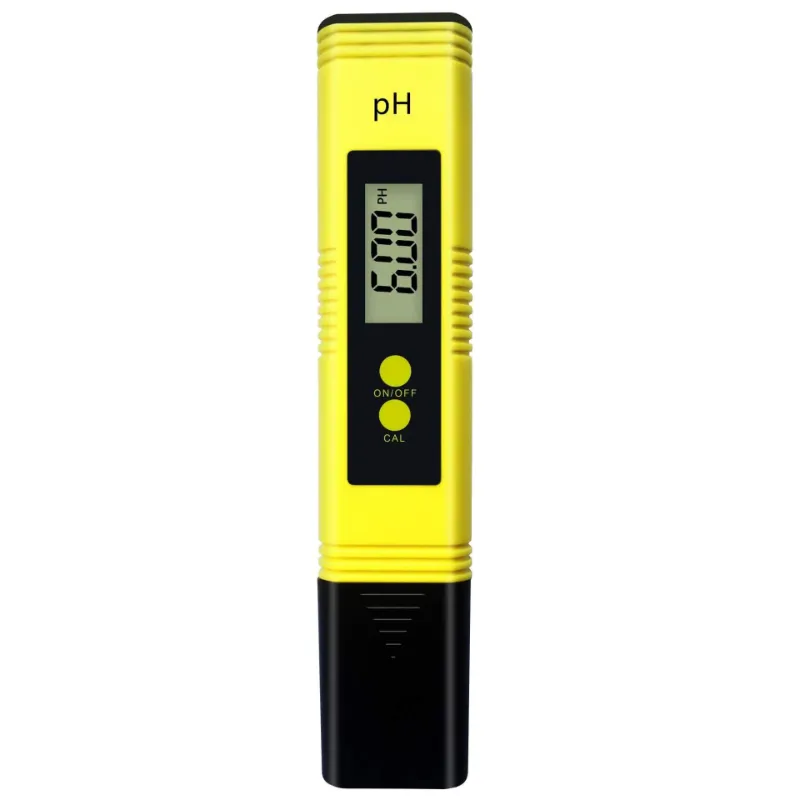
A pH soil testing meter tells you whether your soil or water is acidic or alkaline, which decides how well plants can take up nutrients. For soil, the most reliable home method is to mix a soil sample with distilled water and test the liquid with a calibrated digital meter. For hydroponics, you dip the meter straight into the reservoir. Cultiuana’s digital pH tester pen is built for water, so it suits hydroponic growers and the soil slurry method, not pushing into the ground.
Why a pH soil testing meter matters
pH controls nutrient availability. When it drifts too high or too low, plants can show deficiency signs even when the nutrients are in the soil or solution, because the roots cannot take them up. Testing lets you correct the cause instead of adding more fertilizer.
- Most vegetables grow best in slightly acidic to neutral soil, around 6.0 to 7.0
- Acid-loving plants such as blueberries and azaleas prefer lower pH
- Hydroponic solutions have little natural buffering, so pH moves faster and needs regular checks
- Home testing between seasons helps you see whether amendments are working
Types of pH meters and how they work
Digital meters use a glass electrode that responds to hydrogen ions and shows the reading on a screen. Other options trade accuracy for convenience.
| Type | Suits | Keep in mind |
|---|---|---|
| Digital pH pen | Hydroponic reservoirs, nutrient water, soil slurry | Needs calibration and a wet storage cap |
| Soil probe meter (digital) | Direct readings in moist soil | Probe must be suited to soil contact |
| Analog stick meter | Quick rough checks, no batteries | Often inaccurate; treat as a rough guide |
| Chemical test kit | Low cost, occasional checks | Color reading is less precise |
When comparing meters, check the stated accuracy and resolution, whether it has automatic temperature compensation, how many calibration points it supports and whether the electrode can be replaced. For wider comparisons, see this roundup of options that fit your setup.
How to test soil pH accurately
With a pH pen, test a soil and water mix rather than pushing the pen into the ground, which can damage the glass bulb:
- Take small samples from several spots in the bed, from the root zone rather than the surface.
- Remove stones, roots and debris, then mix the samples in a clean container.
- Mix equal parts soil and distilled water, stir well and let it settle.
- Calibrate the meter, then dip the electrode into the liquid and wait for the reading to settle.
- Rinse the electrode with distilled water after each test.
For hydroponics, dip the pen into a sample of the reservoir after nutrients are mixed. For a step-by-step walkthrough, learn more about proper soil pH testing.
Target pH ranges by growing method
| Growing method | Typical target |
|---|---|
| Most soil vegetables | 6.0 to 7.0 |
| Acid-loving plants (blueberries, azaleas) | 4.5 to 5.5 |
| Hydroponic systems | 5.5 to 6.5 |
Check the preferred range for your specific crops, since some sit outside these general bands. To correct soil, garden sulfur lowers pH and garden lime raises it, and both work slowly. In hydroponics, use pH up and pH down solutions in small steps and retest after each change.
Calibration and care for accurate readings
A meter is only as good as its calibration. Electrodes drift with use and age.
- Calibrate with fresh buffer solutions, usually pH 7.0 plus pH 4.0 (some meters use 6.86)
- Calibrate more often if you test frequently or readings seem off
- Keep the electrode moist in storage solution; do not store it dry or in distilled water for long
- Rinse with distilled water after each use
- Replace the electrode or meter if it will no longer calibrate
Pairing your pH meter with other growing tools
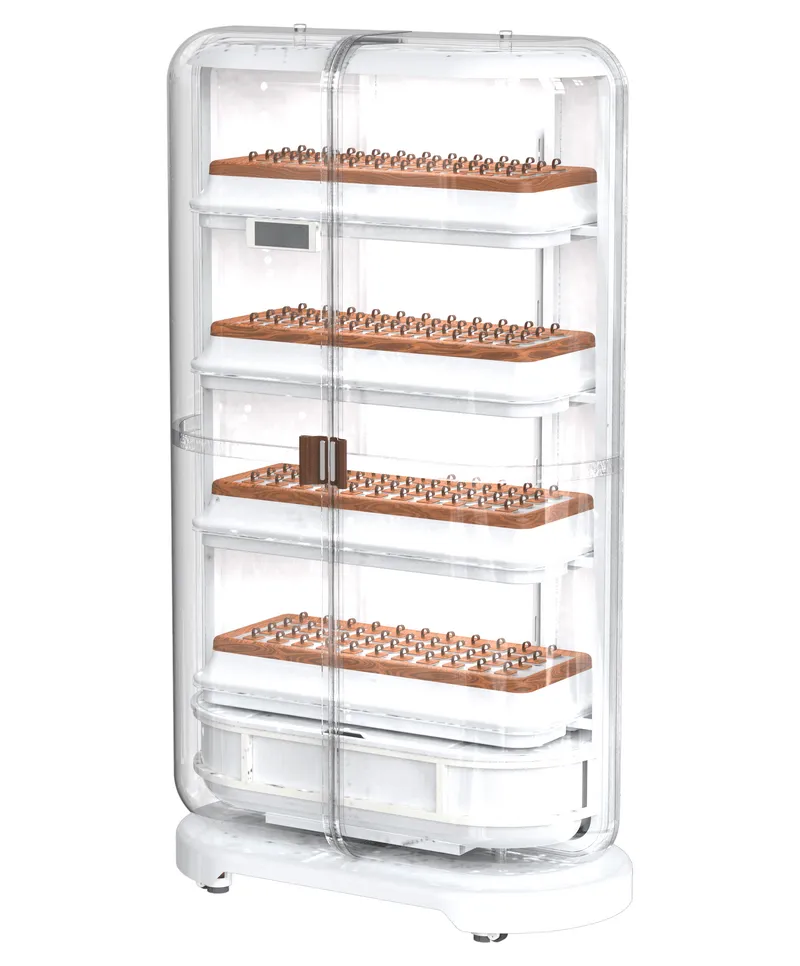
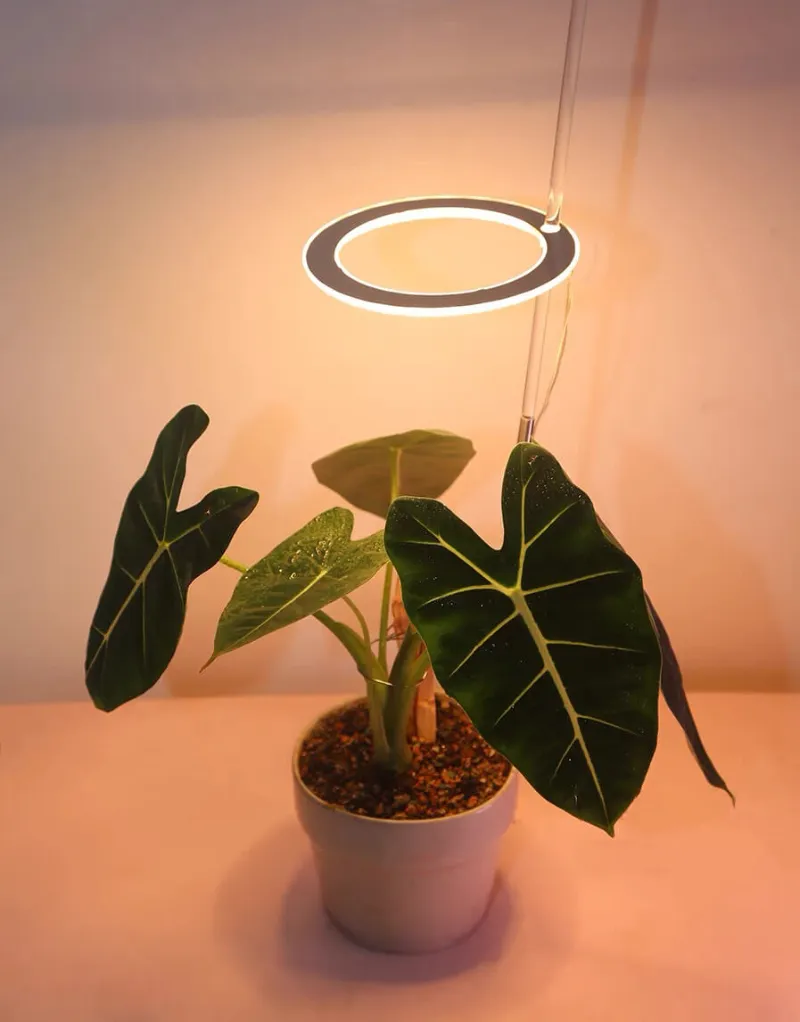
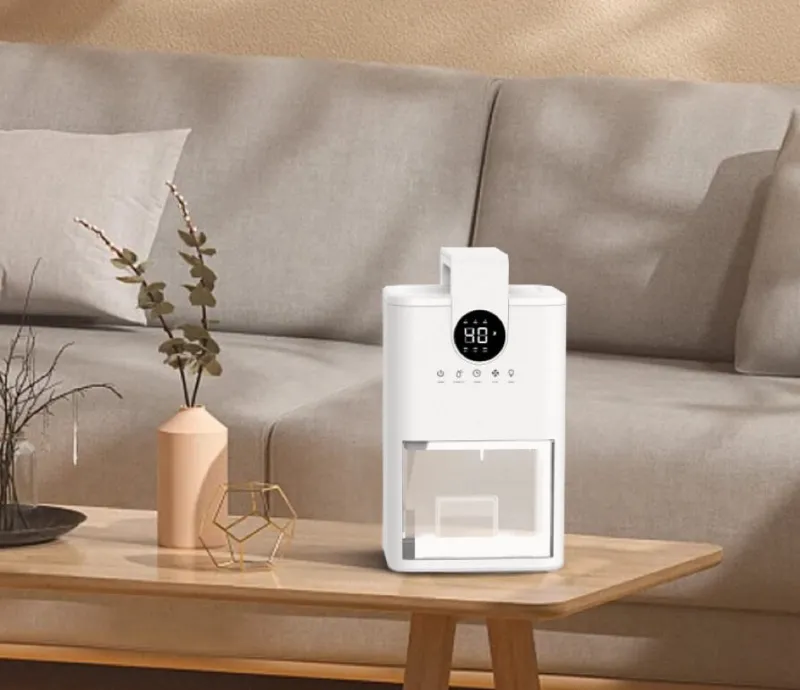
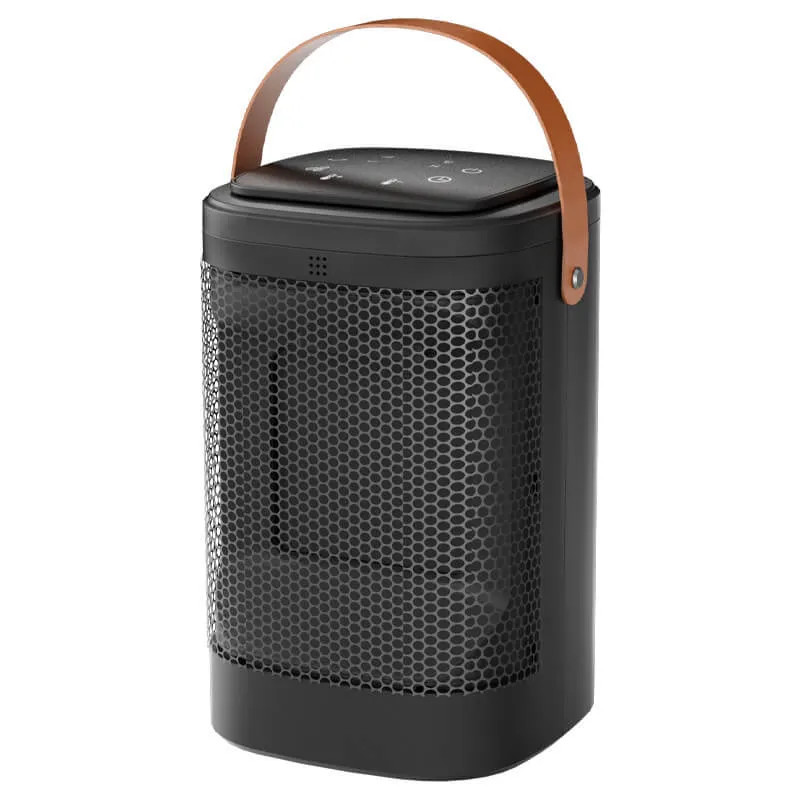
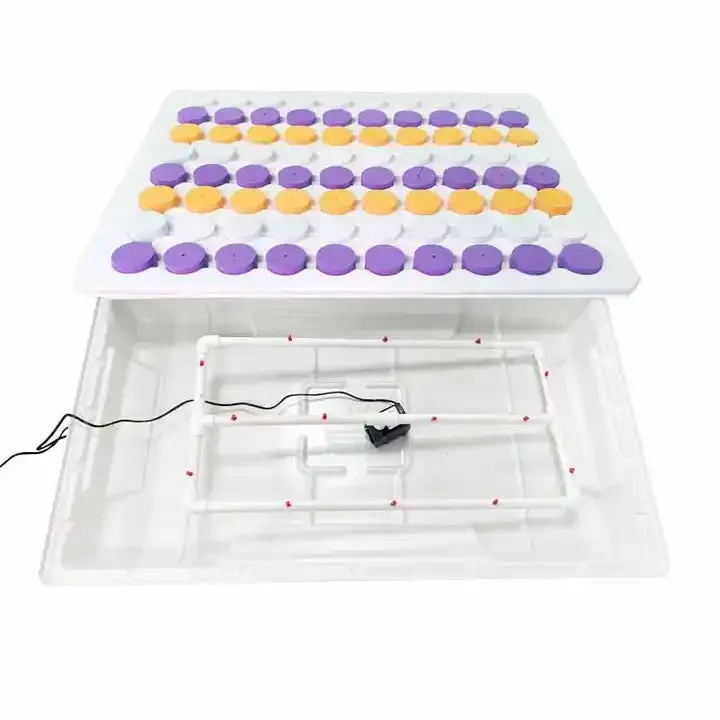
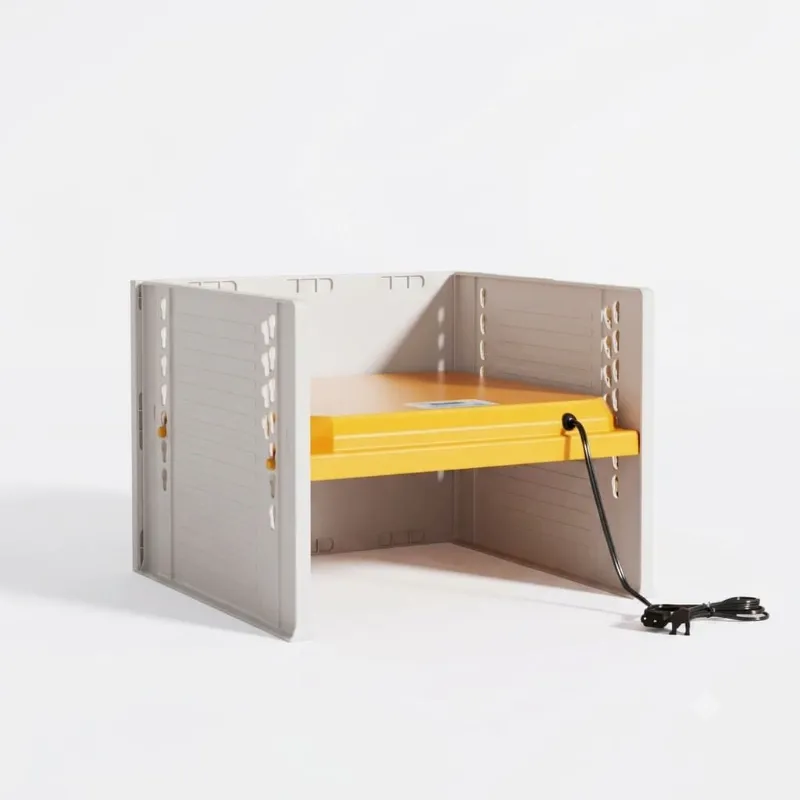
pH is one part of a controlled growing setup. Hydroponic growers using an automatic hydroponic grow box test the reservoir as part of routine care. Indoor growers often manage humidity with a grow tent dehumidifier and add warmth with a small greenhouse heater. For propagation, a clone machine runs on water too, so the same pen works there, and a small grow light for houseplants suits compact indoor spaces.
Before you order, see the current Cultiuana discount code.
When to test and what to do with results
For garden soil, test before the growing season and again after making amendments, once they have had time to work. For hydroponics, test whenever you mix a new reservoir and regularly between changes. Track readings over time rather than reacting to a single number. If plants show yellowing or poor growth and the pH is outside the right range, fix the pH first before you add more nutrients.
Questions
Is a pH soil testing meter more accurate than a test kit?
A calibrated digital meter usually gives more precise readings than a color test kit. Cheap analog probe meters are often unreliable, so treat their readings as a rough guide.
How often should I calibrate a pH pen?
Calibrate before first use and regularly after that, more often if you test frequently or readings look wrong. Follow the maker's instructions for your meter.
Can I use the same pH meter for water and soil?
A water pH pen can test soil if you mix the soil with distilled water and test the liquid. Do not push a pen with a glass bulb directly into the ground.
How do I lower or raise soil pH?
Garden sulfur lowers pH and garden lime raises it. Both work slowly, so retest after a few weeks before adding more. In hydroponics, use pH up or down solutions in small steps.
Do I need a pH meter for hydroponics?
Yes. Hydroponic solutions have little buffering, so pH can drift quickly. Checking it regularly helps keep nutrients available to the roots.
Products in this guide
 Shopping at Cultiuana? See the discount code
10% OFF Sitewide
Shopping at Cultiuana? See the discount code
10% OFF Sitewide
More in this series
 Aquarium Light Timers Explained: 24-Hour Cycles and Why Consistency Matters14 Sep 20265 minClone Machine vs. Traditional Propagation: Which Method Works Faster14 Sep 20264 minDo You Really Need a Dehumidifier in Your Grow Tent? What Humidity Levels Mean14 Sep 20265 minHow to Set Up a Hydroponic System for Beginners: Electric Hydroponics Guide14 Sep 20265 min