 A Cultiuana guide
Clone Machine vs. Traditional Propagation: Which Method Works Faster
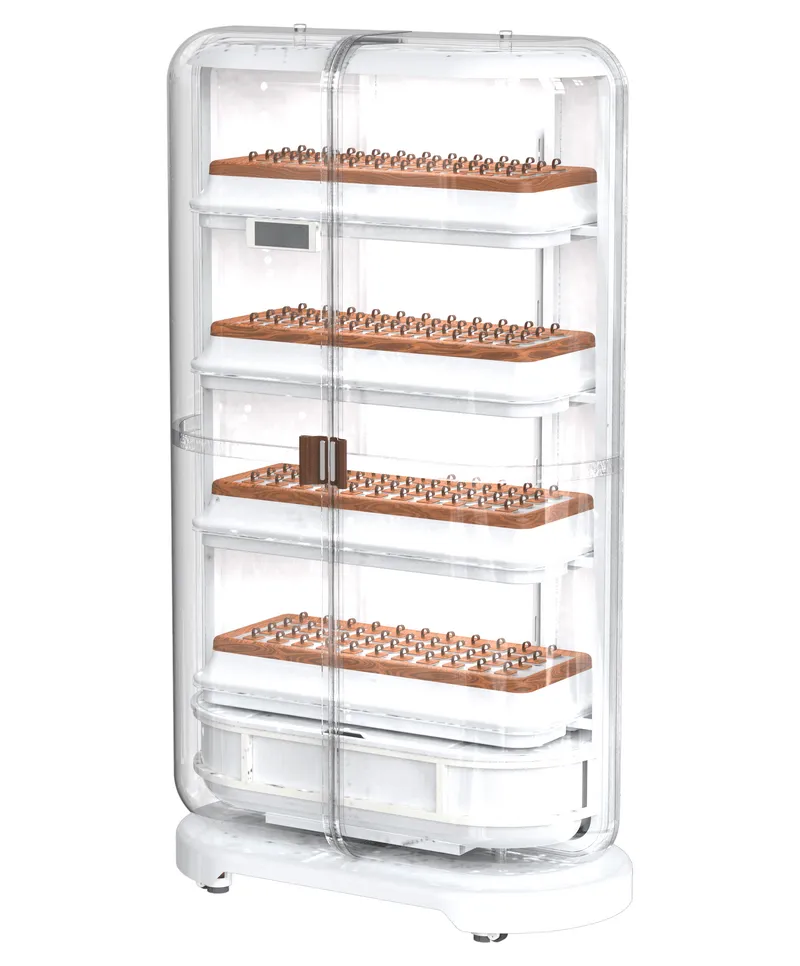
A clone machine delivers rooted plants in half the time of traditional propagation, making it the faster choice for serious growers.
A clone machine cuts propagation time from weeks to days, making it the faster choice compared to traditional water or soil-based cloning methods. If speed and consistency matter to your grow, a clone machine automates the hardest part: maintaining perfect humidity and oxygenation while roots develop.
How a Clone Machine Works vs Traditional Propagation
Traditional propagation relies on manual humidity control, misting, domes, or static water reservoirs. You check moisture daily, adjust conditions by hand, and watch for rot or wilting. Results depend heavily on your attention and environment.
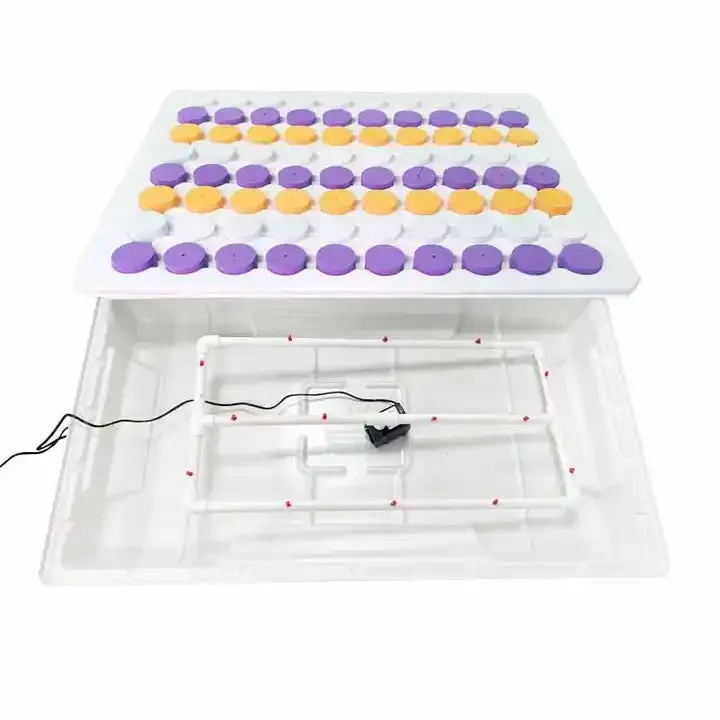
A clone machine, by contrast, uses aeroponic or hydroponic systems with a timer and automated misting to keep cut stems in a fine water or nutrient mist. The clone machine keeps oxygen levels high (preventing root rot) and humidity perfect (reducing transplant shock) without your constant adjustment.
Speed Comparison
- Traditional propagation: 14 to 21 days for usable roots
- Aeroponic clone machine: 5 to 10 days for rooted clones
- Best clone machine systems achieve visible roots in as little as 3 to 5 days
The time savings come from the continuous misting cycle, which keeps stems hydrated and oxygenated simultaneously, conditions that are nearly impossible to replicate by hand.
Why Clone Machine Systems Root Faster
A clone machine succeeds because it solves the propagation math. Cuttings need:
- Humidity to prevent wilting (usually 80%+)
- Oxygen to develop roots (stagnant water promotes rot)
- Consistency (no manual guessing)
Traditional methods struggle to deliver both humidity and oxygen at once. Water reservoirs suffocate cuttings; humidity domes trap too little air. A clone machine delivers both through timed misting cycles, typically 15 to 30 seconds every few minutes.
This rapid turnover keeps stem tissue oxygenated while the mist supplies moisture. Combined with gentle aeration, roots appear faster and more uniformly across all cuttings in the machine.
Best Clone Machine Features to Look For
When choosing a clone machine for your operation, prioritize:
- Capacity: Systems range from 20 to 100+ site capacity. Start with what you’ll actually use; oversized machines waste power.
- Timer precision: Look for adjustable misting intervals (usually 3 to 10 minute cycles). TurboKlone® and similar brands let you dial in the exact frequency your plants need.
- Durability: Check for stainless steel or UV-resistant plastic to handle repeated cleaning and nutrient salt buildup.
- Noise level: Some aeroponic clone machines run quieter than others; important if your clone machine sits in a living space.
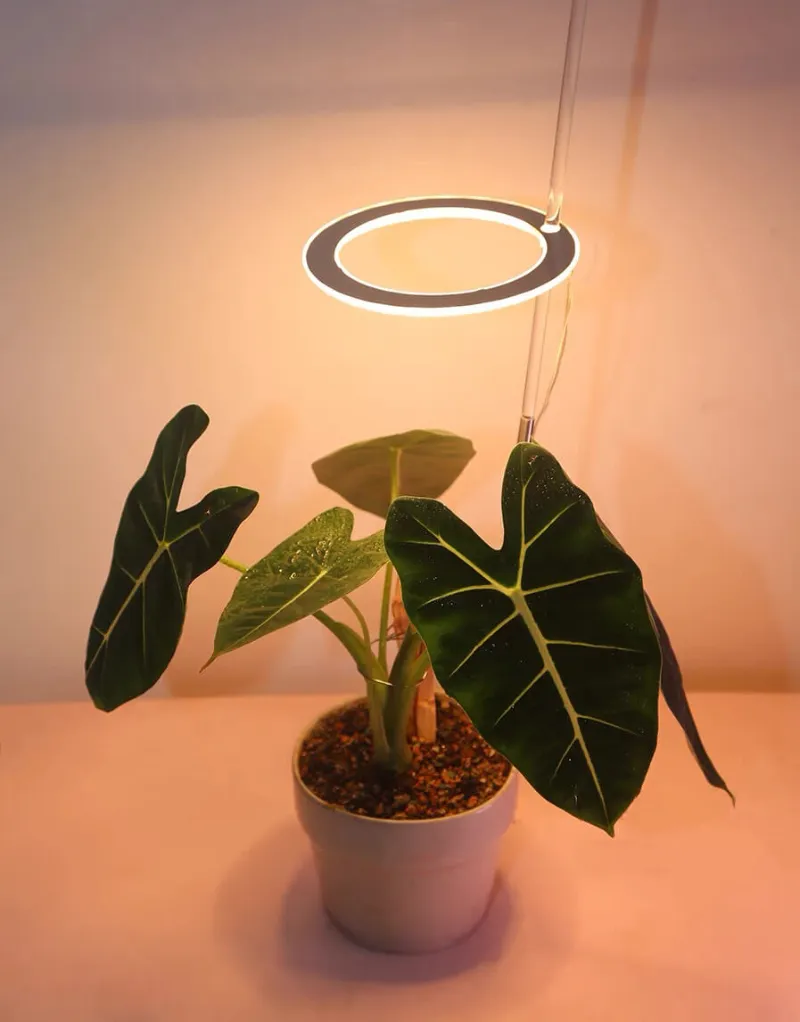
For a budget option, look for systems that work without requiring a small grow light immediately, many clones root fine under ambient light, though some growers add supplemental lighting to the clone machine setup.
Clone Machine vs Traditional: Cost and Yield
| Factor | Clone Machine | Traditional Method |
|---|---|---|
| Startup cost | $150 to $800+ | $20 to $100 |
| Time to rooted clones | 5 to 10 days | 14 to 21 days |
| Success rate | 85 to 95% | 60 to 80% |
| Ongoing maintenance | Low (weekly cleaning) | Moderate (daily misting) |
| Scalability | High (batch all at once) | Low (manual per cutting) |
Traditional propagation wins on initial investment but loses on speed and consistency. A clone machine pays for itself if you propagate regularly, even a single large batch of 50+ clones worth of saved labor and faster production cycles makes the math work.
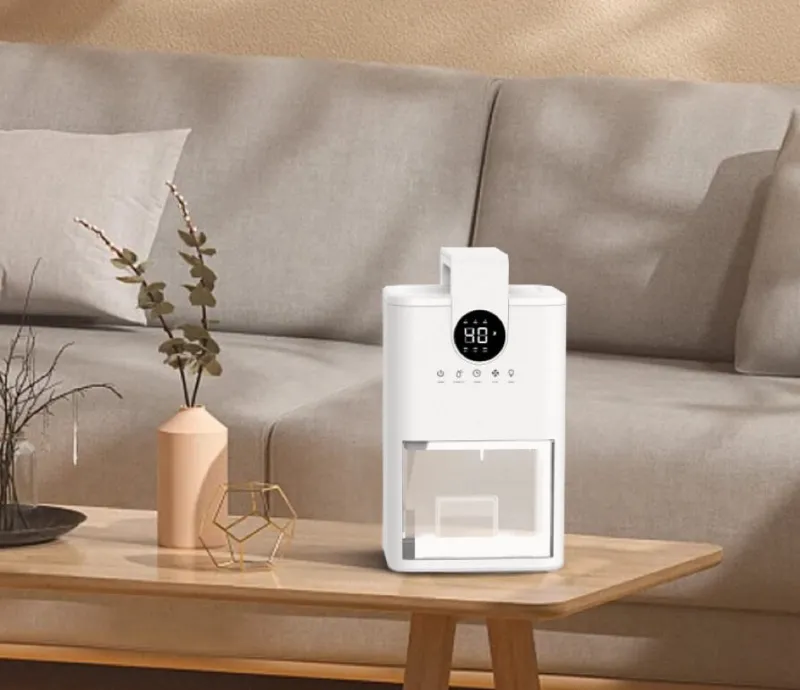
The “best clone machine” for you depends on scale. Hobbyists might find traditional methods acceptable; commercial growers or anyone running a 1x1m grow tent cannabis barcelona 2026 operation benefit enormously from the speed and reliability of an automated system.
When to Use a Clone Machine vs Traditional Propagation
Use a clone machine if you:
- Clone frequently (monthly or more often)
- Need 20+ rooted plants at once
- Want the highest success rate with minimal babysitting
- Are running a structured grow room with climate control
- Want to free up propagation space by rooting faster
Stick with traditional if you:
- Clone only once or twice a year
- Prefer the lowest upfront cost
- Have limited space and only need a few clones
- Enjoy hands-on propagation as part of your process
- Are testing genetics before committing to a full system
Many growers use both: a clone machine for bulk propagation of proven genetics, and a traditional dome for experimental batches where speed is less critical.
Complementary Equipment for Faster Propagation
Once your clone machine is running, a few add-ons accelerate the whole cycle:
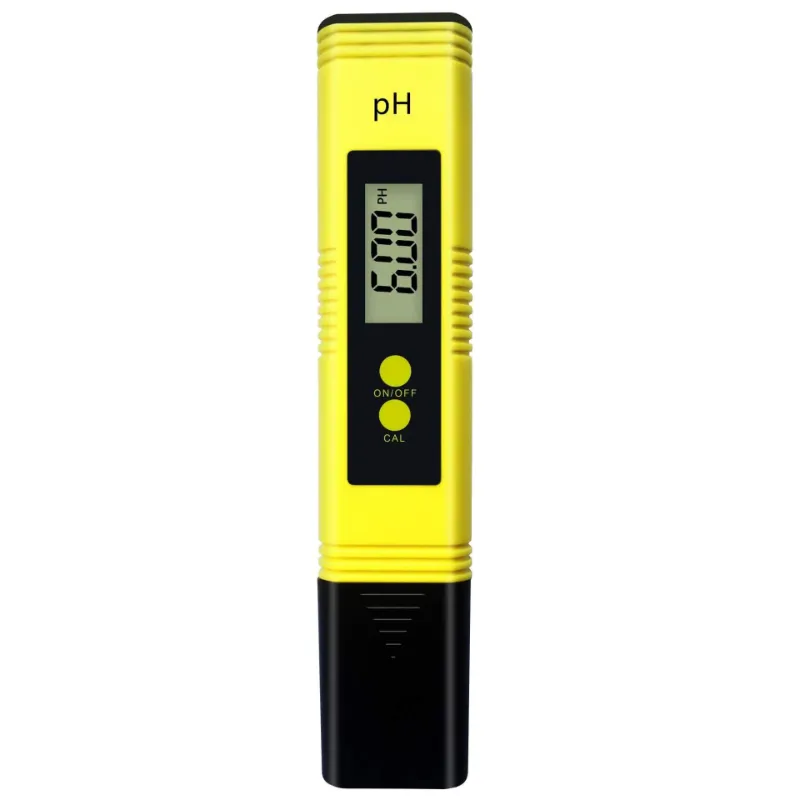
- pH pen: Keeps your mist water in the ideal 5.5 to 6.5 range, preventing nutrient lockout and disease
- Electric hydroponics system: Seamlessly transitions rooted clones from the clone machine into active growing
- Small grow light: Optional but speeds root development by 1 to 2 days
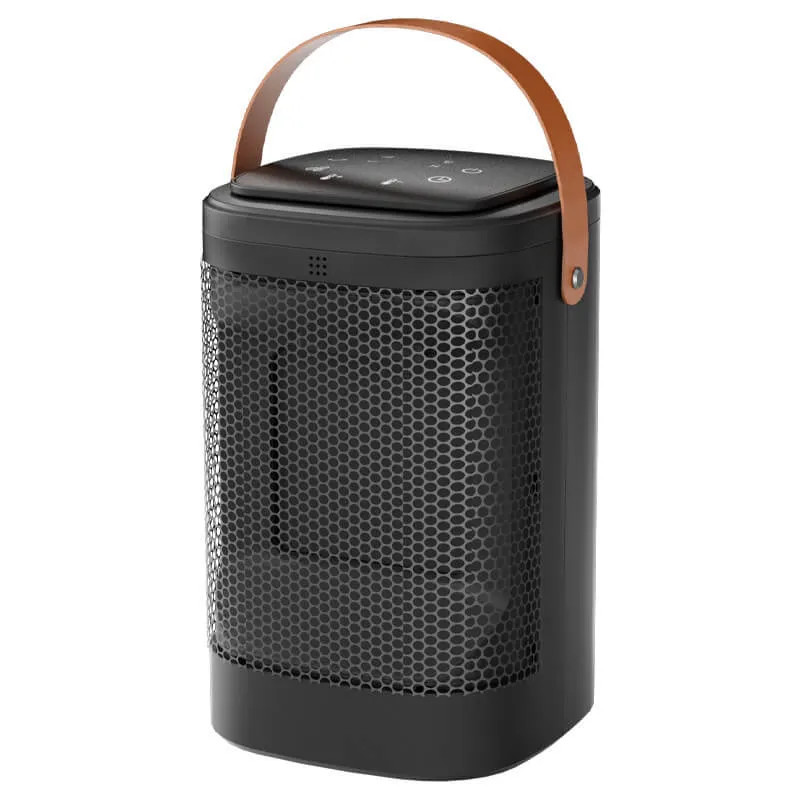
- Greenhouse heater: If ambient temps drop below 18°C, maintains the warm conditions clones prefer
For larger operations, pair your clone machine with a best value dehumidifier 1x1m grow tent cannabis barcelona 2026 to keep humidity stable in the propagation room while other growth stages run elsewhere.
Should You Buy or Build?
Pre-built clone machine units offer reliability and warranty. DIY systems save money but require plumbing, timer setup, and testing, expect 10+ hours of troubleshooting to get the misting cycle right.
For most growers, buying a proven clone machine saves time and reduces failure risk. Check the latest price on Cultiuana’s selection, we’ve found their systems reliable and often discounted. You can grab the code for 10% off sitewide, which typically applies to propagation equipment.
If you want to compare aeroponic clone machine options further, Propagation / Cloning and Seeds – Cloners / Clone Machines is a solid resource for specs and user reviews.
The faster your clone machine roots plants, the sooner you move rooted cuttings into the next stage, whether that’s a 1x1m grow tent cannabis barcelona 2026 with a greenhouse heater or larger hydroponic setup. Speed compounds across your whole growing calendar.
Questions
How much faster is a clone machine than traditional propagation?
A clone machine typically roots clones in 5 to 10 days, compared to 14 to 21 days with traditional methods like water or soil domes. The aeroponic misting keeps stems oxygenated and hydrated simultaneously, which accelerates root development significantly.
Can I use a clone machine with a small grow light?
Yes, adding a small grow light over your clone machine can speed rooting by 1 to 2 days and improve clone vigor. Most clones will root without supplemental light, but light helps if your propagation area is dim.
What's the success rate difference between a clone machine and traditional methods?
A clone machine typically achieves 85 to 95% success rates, while traditional propagation ranges from 60 to 80%. The consistency of automated misting and oxygenation means fewer losses to rot, wilting, or human error.
Do I need a pH pen if I use a clone machine?
A pH pen helps ensure your mist water stays in the ideal 5.5 to 6.5 range, preventing nutrient issues and disease. It's not essential for success but improves consistency and reduces problems.
Is an aeroponic clone machine worth the cost?
If you clone regularly or need large batches at once, yes. The faster rooting and higher success rate pay for itself within a few propagation cycles through saved labor and fewer losses.
Can I use a clone machine for other plants besides cannabis?
Absolutely. Clone machines work for any plant cutting, tomatoes, peppers, herbs, ornamentals. The aeroponic method suits any species that benefits from fast, reliable rooting.
Products in this guide
 Shopping at Cultiuana? See the discount code
10% OFF Sitewide
Shopping at Cultiuana? See the discount code
10% OFF Sitewide
More in this series
 Aquarium Light Timers Explained: 24-Hour Cycles and Why Consistency Matters14 Sep 20265 minDo You Really Need a Dehumidifier in Your Grow Tent? What Humidity Levels Mean14 Sep 20265 minHow to Use a pH Soil Testing Meter for Soil and Water14 Sep 20263 minHow to Set Up a Hydroponic System for Beginners: Electric Hydroponics Guide14 Sep 20265 min