 A Cultiuana guide
Aquarium Light Timers Explained: 24-Hour Cycles and Why Consistency Matters
An aquarium light timer automates your tank's lighting schedule, mimicking natural day-night cycles for fish health and plant growth.
An aquarium light timer automates your tank’s lighting schedule, mimicking natural day-night cycles for fish health and plant growth. Consistency matters because fish and aquatic plants rely on predictable light periods to regulate feeding, sleep, and reproduction. Whether you run a planted tank or a simple goldfish setup, understanding how to use an aquarium light timer properly can reduce algae blooms, lower stress in fish, and improve overall tank stability.
Why Your Tank Needs an Aquarium Light Timer
Fish don’t have eyelids, but they do have circadian rhythms. Constant light disrupts their sleep and feeding patterns, leading to stress, aggression, and weakened immune systems. An aquarium light timer removes the guesswork by automating when your lights turn on and off, replicating the 12 to 14-hour daylight cycles most freshwater and tropical fish expect in nature.
Planted tanks benefit even more. Aquatic plants photosynthesize during light hours and rest in darkness. A consistent aquarium light timer ensures plants receive predictable energy periods, supporting steady growth and preventing algae from taking over during erratic lighting schedules. The result is a more balanced ecosystem that requires less daily maintenance.
Reliability also matters for your schedule. Instead of remembering to turn lights on at 7 a.m. and off at 9 p.m., an aquarium light timer handles it automatically, even when you’re traveling or working late.
Choosing Between Mechanical and Digital Timers
The two main types of aquarium light timer options are mechanical and digital, each with trade-offs.
Mechanical timers use physical pins or tabs you set to mark on/off times. They’re simple, affordable, and require no batteries. However, they typically only offer 30-minute or 15-minute increment intervals, so you can’t fine-tune lighting down to the minute. They also don’t display the exact time, so resetting them after a power outage can be tedious.
Digital aquarium light timers let you program exact times to the minute and often include features like backup batteries, dawn/dusk simulation modes, and LED displays. The trade-off is cost and slightly more setup. For planted tanks or light-sensitive species, a digital timer gives you far more control.
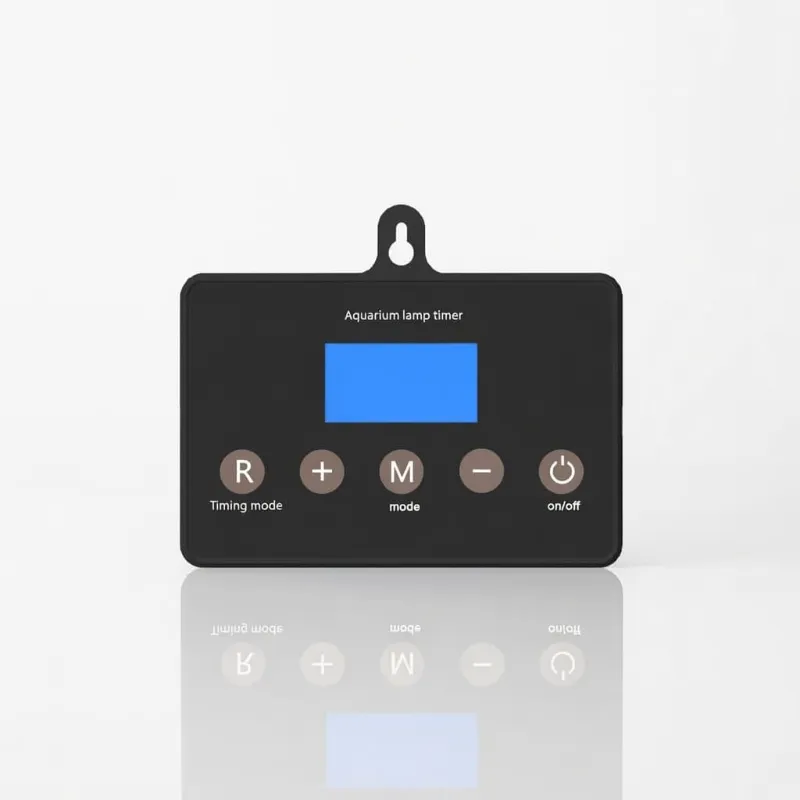
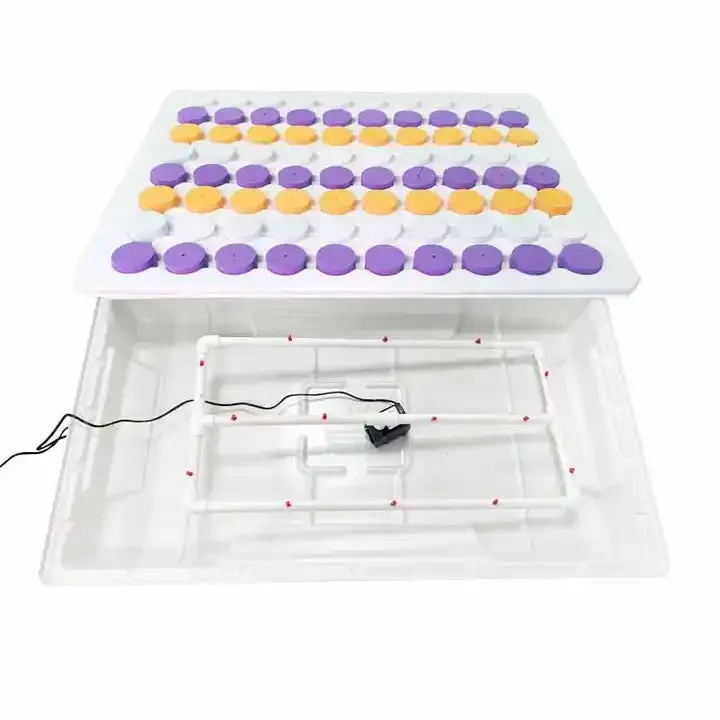
For most hobbyists, a basic digital outlet timer works perfectly. Models like the aquarium light timer offer straightforward programming and hold settings even during power interruptions. If you’re running a high-tech setup with electric hydroponics or a small grow light for seedlings, a digital timer becomes essential.
Setting Up Your 24-Hour Cycle
A standard 24-hour aquarium light timer schedule follows this pattern: 12 hours of light, 12 hours of darkness. This mimics equatorial day length and works for most community tanks.
Some aquarists adjust the cycle based on species or tank goals:
- Standard tanks: 12 hours light, 12 hours dark
- Planted tanks: 8-10 hours light for low-light plants, 10-14 hours for high-light stems
- Nocturnal fish tanks: Reverse the cycle or use dimmer lighting during day hours
- Discus or sensitive species: Gradually extend to 14 hours light over a few weeks to reduce stress
Before plugging in your lights, check that your aquarium light timer is set to a 24-hour cycle (not a 12-hour repeat). Most digital timers ship in 24-hour mode by default. Mechanical timers have a dial marked with 24 hours; make sure the dial rotates once per full day, not twice.
To set up a fish aquarium light timer or tank light timer:
- Plug the timer into an outlet near your tank
- Plug your light into the timer
- Set your desired on/off times (e.g., 7 a.m. on, 7 p.m. off)
- Confirm the timer advances continuously; if it stops, press the manual override or check the battery
- Observe your tank for a few days to ensure the cycle feels natural for your fish
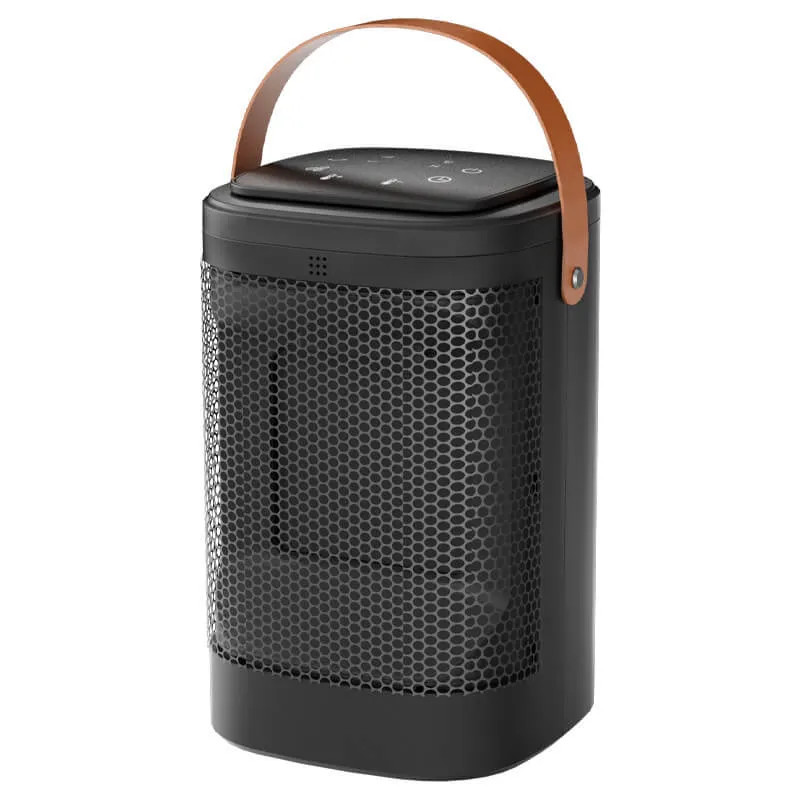
If you’re running supplemental lighting for a greenhouse heater or clone machine setup, the same 24-hour timer principle applies: consistency trumps intensity.
Integrating Timers Into Your Full Tank Setup
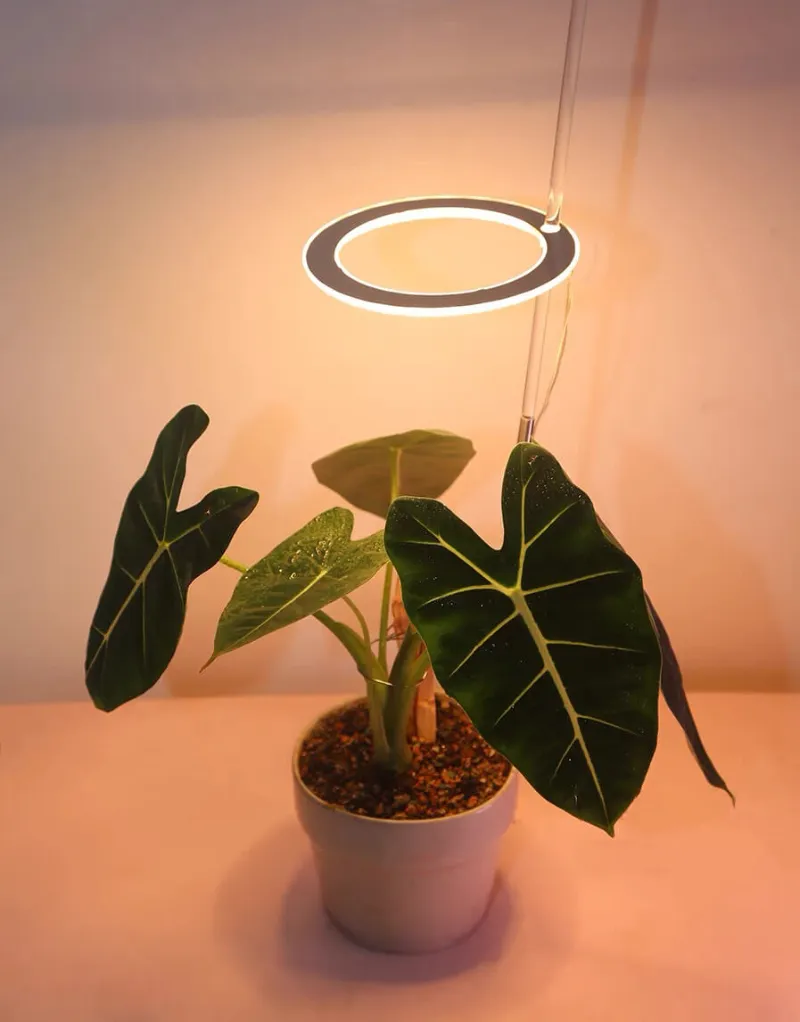
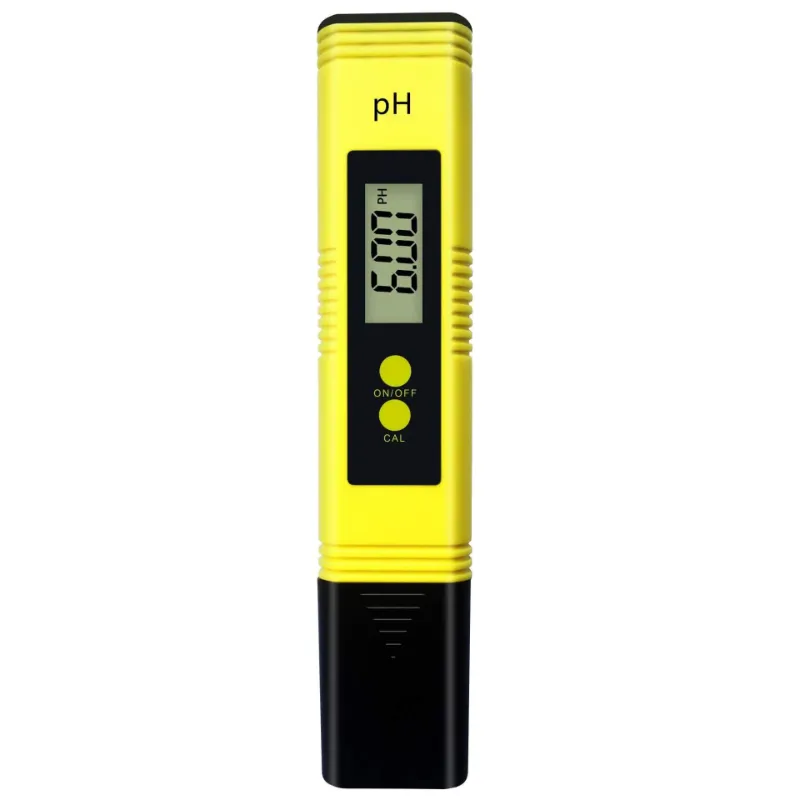
An aquarium light timer works best as part of a broader lighting and environmental routine. If you’re monitoring plant growth or pH levels, a ph pen helps you track whether your light cycle is supporting healthy biological balance. For tanks in basements or low-light rooms, pairing your timer with a quality small grow light ensures you hit your target photoperiod.
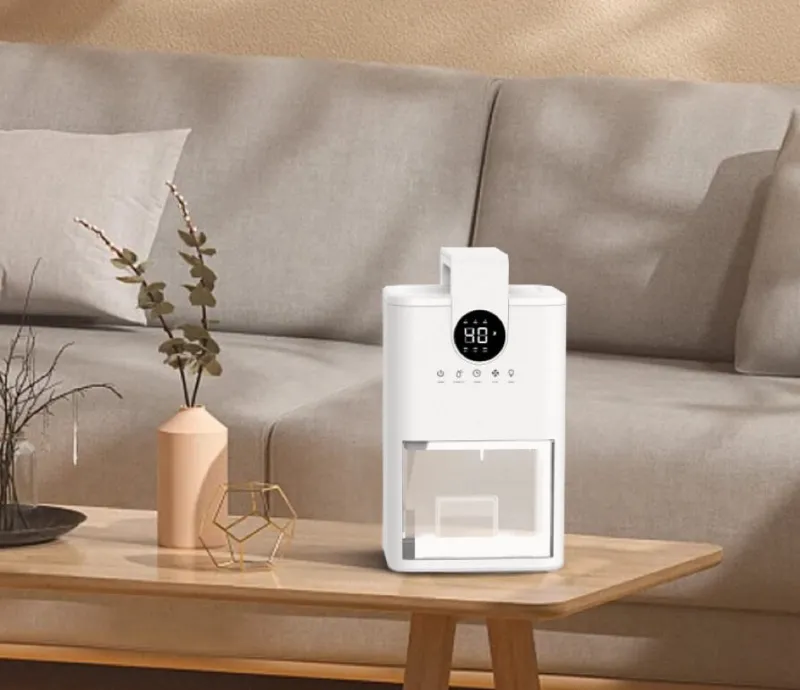
In larger setups, you can chain multiple timers to different outlets, giving you independent schedules for main lights, accent lights, and lunar lights. This approach is especially useful if you’re growing seedlings or managing a best value dehumidifier 1x1m grow tent cannabis barcelona 2026 alongside your display tank.
Many hobbyists also use outlet timers to automate other tank functions: auto-feeders, airstone bubbler pumps, and even bird netting ventilation systems in outdoor setups. The aquarium light timer becomes the backbone of a repeatable, hands-off daily routine.
Troubleshooting Common Issues
If your aquarium light timer isn’t working as expected, check these common problems:
- Timer won’t hold settings after power loss: Replace the battery (if digital) or ensure the manual override lever is in the right position.
- Lights aren’t turning off: Verify the off time is set correctly and that the timer is in 24-hour mode, not 12-hour repeat.
- Outlet timer sparks or smells: Unplug immediately. The timer may be overloaded. Most outlet timers support up to 15 amps; check your light’s wattage.
- Timer resets during outages: Keep a backup power source or battery-backed timer on hand if you live in an area with frequent power disruptions.
For serious hobbyists, grab the code for 10% off timers and other tank essentials at Cultiuana. A quality outlet timer is an inexpensive investment that pays dividends in fish health and reduced algae.
When You Need More Than a Basic Timer
Some advanced setups benefit from programmable timers or smart home integrations:
- Planted tanks with high-light demands: A timer that simulates sunrise and sunset (gradually increasing and decreasing brightness) reduces stress on fish and prevents algae spikes.
- Temperature-sensitive species: Pair your aquarium light timer with a greenhouse heater and a programmable thermostat to maintain stable day/night temperature swings.
- Multi-tank operations: Smart timers let you sync lighting across several tanks from a single app, eliminating manual overlap.
For most hobbyists, however, a basic 24-hour aquarium light timer is all you need. Check the latest price and options available, and start with a simple digital or mechanical timer that matches your tank size and budget.
Best Practices for Long-Term Consistency
Once your aquarium light timer is running, consistency is the goal. Avoid changing your on/off times frequently; fish adapt to routine, and sudden shifts can trigger stress or algae problems. If you do need to adjust your schedule (e.g., for seasonal light changes), move the times gradually by 15 minutes every few days rather than making a big jump.
Check your timer monthly to confirm it’s advancing steadily. Mechanical timers sometimes drift if the dial isn’t perfectly balanced. Digital timers may need a battery refresh if they’re more than a few years old. By treating your aquarium light timer as a critical piece of equipment (not an afterthought), you’ll enjoy a more stable, healthier tank year-round.
For more information on timer options and aquarium-specific models, the Aquarium Coop community has discussed the best light timers and their real-world performance. You can also browse dedicated aquarium timer selections to compare features and read reviews from other hobbyists.
Questions
What is the best aquarium light timer setting for planted tanks?
Most planted tanks thrive on 10 to 12 hours of light per day. High-light stem plants may need up to 14 hours, while low-light foreground plants do well with 8 to 10 hours. Start at 10 hours and adjust based on algae growth and plant vitality over a few weeks.
Can I use an outlet timer from a hardware store for my fish tank?
Yes. Any standard outlet timer rated for 15 amps or higher works for aquarium lights. Digital timers are more precise and easier to reprogram, but mechanical timers are simpler and more affordable if you're just starting out.
Do I need a battery backup in my aquarium light timer?
Battery backup is helpful if your area experiences frequent power outages, as it prevents your timer from resetting. During an outage, the timer will continue running on battery power so your tank doesn't suddenly lose light or develop temperature shock.
How long does an aquarium light timer usually last?
Most quality outlet timers last 3 to 5 years with regular use. Mechanical timers tend to last longer since they have fewer electronic components. Replace your timer if it stops advancing, won't hold settings, or shows signs of electrical damage.
Can I use the same aquarium light timer for multiple tanks?
Yes, if your total light load doesn't exceed the timer's amp rating (usually 15 amps). For multiple tanks, most hobbyists buy separate timers so each tank can run on its own schedule, especially if they house different species.
What does a 24-hour cycle mean on an aquarium light timer?
A 24-hour cycle means the timer completes one full on-off sequence in 24 hours, matching a natural day. This is different from 12-hour repeat mode, where the timer turns on and off twice in 24 hours, which disrupts fish sleep patterns.
Products in this guide
 Shopping at Cultiuana? See the discount code
10% OFF Sitewide
Shopping at Cultiuana? See the discount code
10% OFF Sitewide
More in this series
Clone Machine vs. Traditional Propagation: Which Method Works Faster14 Sep 20264 minDo You Really Need a Dehumidifier in Your Grow Tent? What Humidity Levels Mean14 Sep 20265 minHow to Use a pH Soil Testing Meter for Soil and Water14 Sep 20263 minHow to Set Up a Hydroponic System for Beginners: Electric Hydroponics Guide14 Sep 20265 min