 A Baker's Secret guide
How to Season and Care for Baker’s Secret Aluminum Baking Sheets
Aluminum cookie sheets deliver excellent heat conduction and durability when you season and care for them correctly.
Why Season Aluminum Cookie Sheets
Aluminum cookie sheets need a light seasoning layer to reduce sticking and prevent reactive flavors, especially with acidic doughs. Bare aluminum oxidizes quickly, which can leave gray marks on baked goods and cause uneven browning. Seasoning fills the microscopic pores in the metal with a thin layer of polymerized oil, creating a natural non-stick surface that improves with use. Our aluminum cookie sheets and aluminum baking sheet both benefit from this simple prep step before their first use and occasionally throughout their lifespan.
Unlike coated pans, raw aluminum responds well to seasoning because the metal’s porous structure holds oil. This process takes about an hour and uses basic pantry staples. Once seasoned, your pans will release cookies, sheet-pan dinners, and roasted vegetables cleanly while developing a darker, more even patina over time.
How to Season New Aluminum Baking Sheets
Start by washing your new pan with hot soapy water and a non-abrasive sponge to remove any manufacturing residue or protective coating. Dry thoroughly with a clean towel, then preheat your oven to 400°F. Choose a high smoke-point oil like vegetable, canola, grapeseed, or refined coconut oil. Avoid olive oil or butter, which smoke at lower temperatures and leave sticky residue.
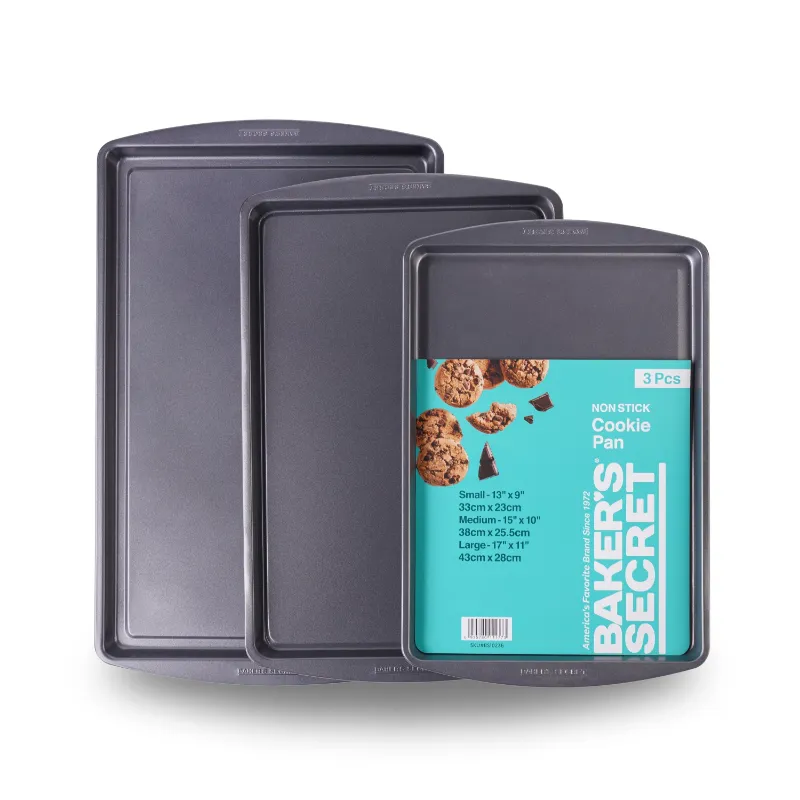
Pour about one tablespoon of oil onto the pan and use a paper towel to spread a thin, even coat across the entire surface, including the rim and underside. Wipe away any pooling or drips so only a barely visible sheen remains. Place the pan upside down on the center oven rack with a sheet of foil or a non stick baking sheet on the rack below to catch any drips.
Bake for 40 to 60 minutes. The pan will darken slightly and may smoke a little as the oil polymerizes. Turn off the oven and let the pan cool completely inside before removing. The surface should feel dry and smooth, not sticky or tacky. If it feels greasy, you used too much oil; wipe it down and repeat with a thinner layer.
For best results, repeat this process two or three times before your first baking session. Each layer builds a more durable, slicker finish. Check our discount code to save on your next batch of pans.
Daily Care and Cleaning Tips
Hand wash your seasoned aluminum pans with warm water and a soft sponge after each use. Avoid the dishwasher, which strips the seasoning layer and causes oxidation. For stuck-on food, soak the pan in warm water for 15 minutes, then gently scrub with baking soda paste or a nylon brush. Skip steel wool and abrasive cleaners that scratch the surface and remove your carefully built patina.
Dry your pans immediately after washing to prevent water spots and discoloration. If you notice uneven darkening or a chalky white film (aluminum oxide), scrub with a paste of cream of tartar and water, rinse, and re-season. Small gray or black marks on baked goods usually mean the seasoning has worn thin in that spot and needs a refresh.
Store your pans flat or hang them to avoid scratching. If you stack them, place a layer of parchment paper or a clean dish towel between each pan. Proper storage extends the life of both your seasoning and the pan itself, so your aluminum baking sheet stays in rotation for years.
When to Re-Season and Refresh
Re-season your aluminum pans every three to six months with regular use, or whenever you notice increased sticking or dull, patchy areas. If you’ve scrubbed away a section of seasoning to remove burnt residue, spot-treat that area by rubbing a small amount of oil into the bare metal and heating the pan at 400°F for 20 minutes. Full re-seasoning follows the same steps as the initial treatment: clean, oil lightly, bake upside down, and cool.
Some bakers prefer to maintain a working patina rather than stripping pans down to bare metal. As long as food releases cleanly and the surface isn’t flaking or sticky, darker discoloration is normal and even desirable. That bronzed finish is a sign of well-maintained cookware. If you rotate between a non stick baking sheet pan and traditional aluminum, you’ll notice the aluminum develops character and improves over time, while non-stick coatings eventually degrade.
For pans with heavy buildup or rust spots, strip the seasoning completely by scrubbing with Bar Keeper’s Friend or a vinegar soak, then rinse, dry, and start the seasoning process from scratch. This reset is rare but worthwhile for thrift-store finds or neglected pans.
Comparing Aluminum and Non-Stick Options
Choosing between raw aluminum and coated pans depends on how you bake and how much maintenance you’re willing to invest. Here’s how they stack up:
| Feature | Seasoned Aluminum | Non-Stick Coating |
|---|---|---|
| Heat conduction | Excellent, even browning | Good, but coating insulates slightly |
| Durability | Lasts decades with care | Coating wears out in 2-5 years |
| Maintenance | Requires seasoning and hand washing | Easier cleanup, still hand wash recommended |
| Oven safety | Safe to 500°F+ | Typically limited to 400-450°F |
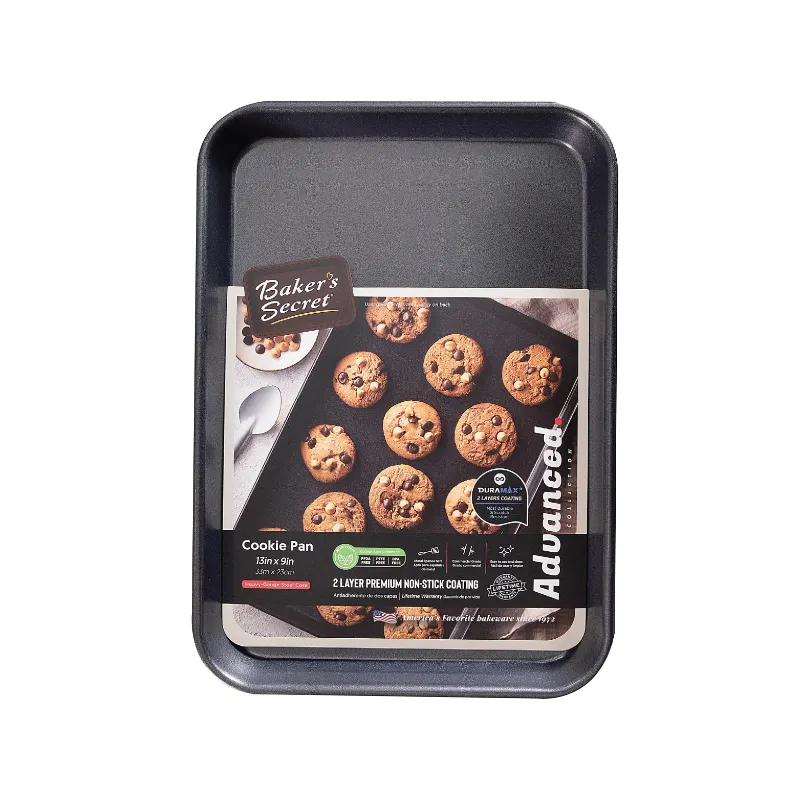
We reach for seasoned aluminum when we want crispy-edged cookies, deeply caramelized roasted vegetables, or perfectly browned sheet-pan dinners. The direct metal-to-food contact and superior heat transfer are unmatched. For delicate batches like meringues or sticky glazed items, a celebrate it non-stick jumbo cookie sheet offers more forgiveness and faster cleanup.
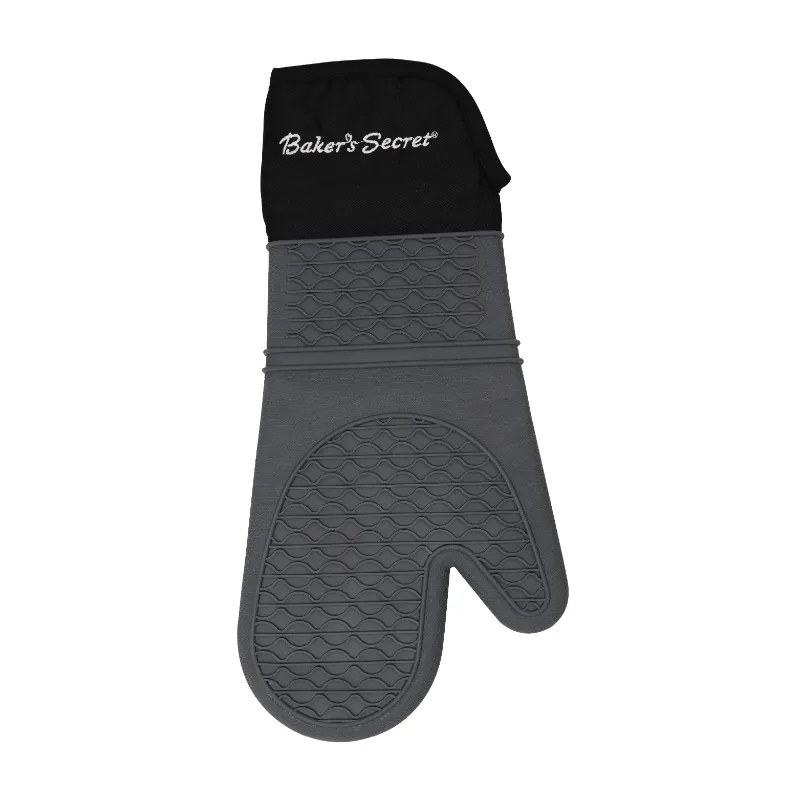
Many home bakers keep both types in rotation. Pair your aluminum sheets with glove oven gloves for safe handling at high temperatures, and grab the latest Baker’s Secret code to stock up on both styles without stretching your budget.
Who Should Season Aluminum Pans
Seasoning suits bakers who prioritize heat performance, sustainability, and the satisfaction of maintaining heirloom-quality tools. If you bake frequently, appreciate the ritual of cookware care, or want pans that improve with age rather than degrade, seasoned aluminum is worth the extra few steps. Home cooks who roast vegetables weekly, bake multiple cookie batches, or prep sheet-pan meals will see the payoff in even browning and reliable release.
Skip seasoning if you prefer grab-and-go convenience, bake only occasionally, or already own a full set of coated pans that meet your needs. There’s no performance advantage to seasoning a pan that already has a factory non-stick finish, and the process won’t work on anodized or coated aluminum. For those situations, stick with your non stick baking sheet pan and save the seasoning effort for bare-metal cookware.
Seasoning also appeals to budget-conscious bakers. Raw aluminum pans cost less than premium non-stick options, and with proper care they outlast coated pans by decades. The small investment of time and oil transforms an inexpensive pan into a high-performance tool that rivals far pricier alternatives.
Questions
How often should I season aluminum cookie sheets?
Season new pans two to three times before first use, then refresh every three to six months depending on how often you bake. Re-season anytime you notice increased sticking or patchy areas.
Can I put seasoned aluminum pans in the dishwasher?
No, the dishwasher strips the seasoning layer and causes oxidation. Always hand wash with warm water and a soft sponge, then dry immediately to preserve the finish.
What oil works best for seasoning aluminum baking sheets?
Use high smoke-point oils like vegetable, canola, grapeseed, or refined coconut oil. Avoid olive oil or butter, which smoke at lower temperatures and leave sticky residue.
Why does my aluminum pan leave gray marks on cookies?
Gray marks appear when the seasoning layer is too thin or the bare aluminum is oxidizing. Scrub the pan with a cream of tartar paste, rinse, dry, and re-season to fix the issue.
Is seasoned aluminum safer than non-stick coating?
Both are safe when used correctly. Seasoned aluminum contains no synthetic coatings and tolerates higher oven temperatures, while quality non-stick pans are safe up to their rated temperature limit.
Can I season a Baker's Secret pan that already has a coating?
No, seasoning only works on bare aluminum. Coated or anodized pans don't absorb oil and already have a non-stick surface, so the seasoning process won't improve them.
Products in this guide
 Shopping at Baker's Secret? See the discount code
10% OFF All Orders
Shopping at Baker's Secret? See the discount code
10% OFF All Orders
More in this series
 Is a Titanium Cutting Board Right for Your Kitchen?20 Aug 20264 minWhy Do Baker’s Secret Cookie Sheets Warp and How to Prevent It20 Aug 20264 min
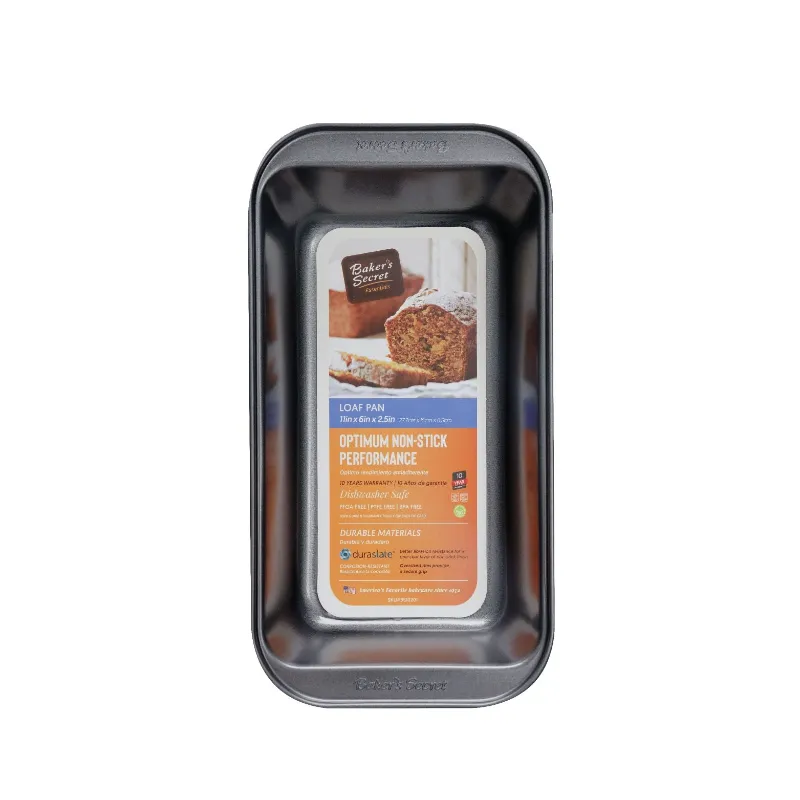 What Size Loaf Pan Does Baker’s Secret Make? (Complete Guide)20 Aug 20264 minDo Baker’s Secret Oven Gloves Protect Against 500°F Heat?20 Aug 20265 min
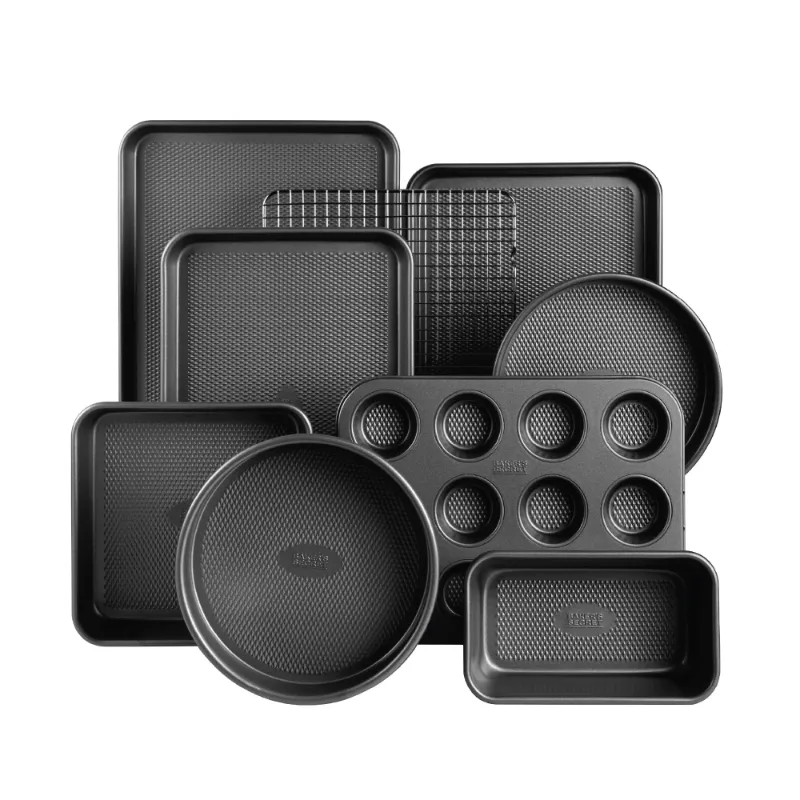 Baker’s Secret Non-Stick Bakeware vs. Stainless Steel: Which Lasts Longer?20 Aug 20264 min