 A Baker's Secret guide
Why Do Baker’s Secret Cookie Sheets Warp and How to Prevent It
Aluminum cookie sheets warp when sudden temperature changes cause the metal to expand and contract unevenly, but you can prevent it with the right techniques.
Why Baker’s Secret Aluminum Cookie Sheets Warp
Aluminum cookie sheets warp because rapid temperature shifts cause the thin metal to expand and contract at different rates across the pan. When you place a cold sheet into a preheated oven or run a hot pan under cold water, the metal flexes and bends, creating that familiar popping sound and a permanently warped surface. Baker’s Secret aluminum cookie sheets are popular for their excellent heat conduction and lightweight design, but all aluminum sheets are vulnerable to warping without proper handling.
The warping happens because aluminum has a high thermal conductivity. When one section heats faster than another, internal stress builds up until the metal buckles. Thinner gauge sheets warp more easily than thicker ones, and sheets without reinforced rims have even less structural support.
How Temperature Shocks Cause Warping
The primary culprit behind warped pans is thermal shock. This occurs in several common scenarios:
- Cold sheet into hot oven: Placing a refrigerator-cold pan directly into a 400°F oven forces rapid expansion that the metal cannot handle uniformly
- Adding cold ingredients: Spreading frozen cookie dough or cold batter onto a room-temperature sheet that then enters the oven
- Post-bake washing: Running a hot pan under cold tap water immediately after removing it from the oven
- Uneven oven heat: Hot spots in your oven can heat one area of the pan significantly faster than another
The good news is that once you understand the mechanism, prevention becomes straightforward.
Five Proven Methods to Prevent Warping
Bring Sheets to Room Temperature
Always allow your pans to reach room temperature before baking. If you store sheets in a cold garage or have just washed them, let them sit on the counter for 15 to 20 minutes. This simple step eliminates the most dramatic temperature differential.
Use Double-Pan Technique
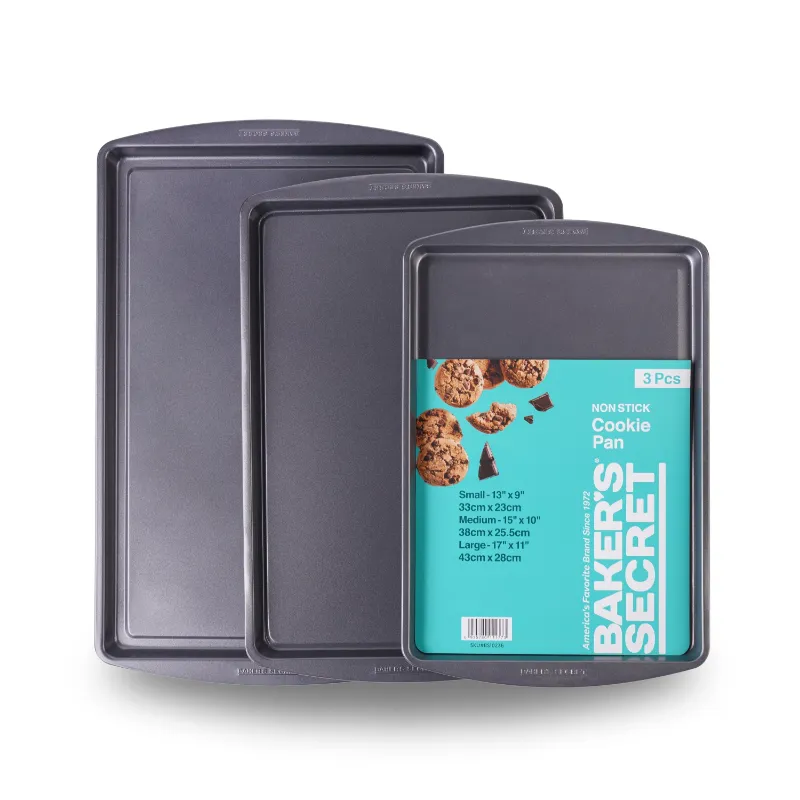
Stack two sheets together when baking. The air gap between them insulates against rapid temperature changes and distributes heat more evenly. This method works especially well with thinner non stick baking sheet options that are more prone to warping. The double layer also prevents over-browning on the bottom of cookies.
Preheat Gradually
Instead of placing sheets into a fully preheated oven, try putting them in during the preheat cycle. The gradual temperature increase gives the metal time to expand uniformly. This approach is particularly effective when you are baking multiple batches and need to check the latest price on replacement sheets.
Cool Properly
Never wash hot pans immediately after baking. Let your aluminum baking sheet cool on a wire rack or trivet for at least 10 to 15 minutes before cleaning. The same principle applies: slow, even cooling prevents the metal from contracting too quickly in one area.
Invest in Reinforced or Thicker Sheets
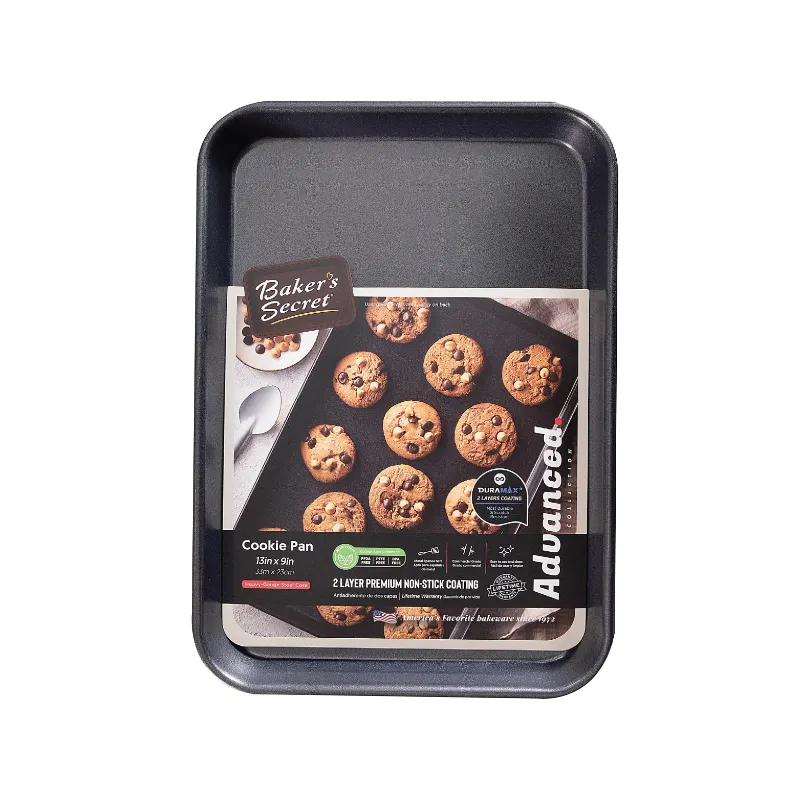
Look for sheets with rolled or reinforced edges and thicker gauge aluminum. A non stick baking sheet pan with structural reinforcement resists warping better than basic flat sheets. Some bakers also prefer the celebrate it non-stick jumbo cookie sheet for its larger surface area and enhanced construction.
Comparing Sheet Construction and Warp Resistance
| Construction Type | Warp Resistance | Best For |
|---|---|---|
| Standard aluminum (thin gauge) | Low | Light use, budget baking |
| Reinforced rim aluminum | Medium | Regular home baking |
| Heavy-gauge aluminum | High | Frequent baking, high-temp roasting |
| Insulated double-wall | Very High | Delicate cookies, even browning |
Thicker sheets cost more upfront but save money over time by lasting longer. When you grab the code for Baker’s Secret products, compare the gauge specifications to find sheets that balance weight, heat conduction, and durability for your baking frequency.
What to Do If Your Sheet Already Warped
A warped pan is not useless. Here are ways to work with it:
- Use for roasting: Warped sheets still work perfectly for roasting vegetables where a flat surface is less critical
- Reserve for single items: Bake one large item like a pizza or sheet cake that conforms to the pan shape
- Flip and flatten: For minor warps, flip the sheet over and press down firmly on a flat surface while the metal is slightly warm (not hot)
- Embrace it: Many professional bakers continue using slightly warped pans without issue
We do not recommend trying to hammer out severe warps, as this can create weak points in the metal or damage non-stick coatings.
Choosing the Right Sheet Material for Your Needs
While we focus on aluminum here, it helps to know your options. Aluminum excels at heat conduction and is lightweight, making it ideal for cookies and pastries that need quick, even heat. However, if warping remains a persistent problem, consider these alternatives:
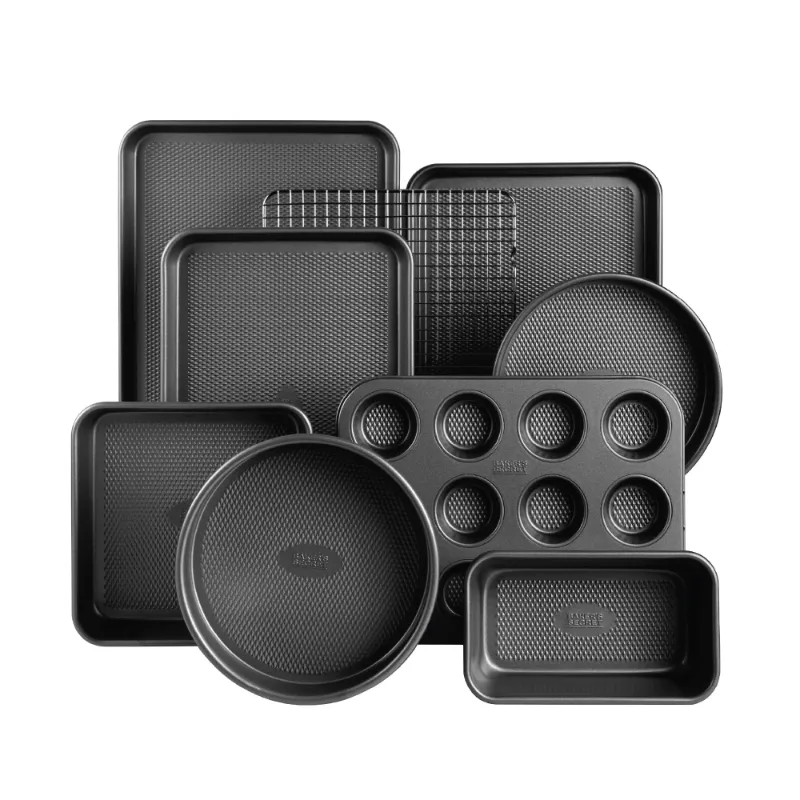
- Stainless steel: Heavier and more warp-resistant, though slower to heat. 18/10 stainless steel bakeware offers excellent durability for high-temperature roasting
- Aluminized steel: Combines a steel core with an aluminum coating for the best of both worlds
- Insulated sheets: Two layers of metal with an air pocket virtually eliminate warping but may require longer bake times
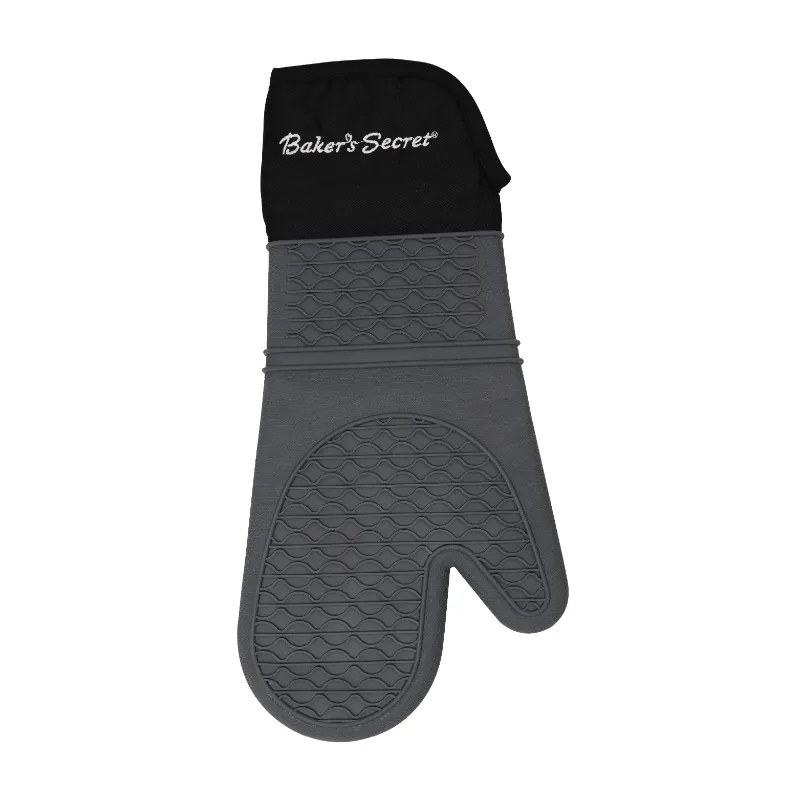
Pair your sheets with quality glove oven gloves to safely handle hot pans and reduce the temptation to cool them too quickly under water.
Maintenance Tips for Long-Lasting Sheets
Proper care extends the life of your pans beyond just preventing warps:
- Hand wash when possible: Dishwashers expose sheets to harsh temperature swings and caustic detergents
- Avoid metal utensils: Scratches create stress points where warping can initiate
- Store flat: Stack sheets with a towel or paper between them to prevent scratching and allow air circulation
- Season bare aluminum: A light coat of oil before first use can improve browning and reduce sticking
Regular maintenance keeps your aluminum cookie sheets performing well for years. We have seen well-cared-for Baker’s Secret pans remain flat and functional through hundreds of baking sessions.
The key to preventing warped sheets is managing temperature transitions. By allowing your pans to warm and cool gradually, using the double-pan method, and investing in quality construction, you will eliminate most warping issues and enjoy consistent baking results every time.
Questions
Why do aluminum cookie sheets warp in the oven?
Aluminum cookie sheets warp when rapid temperature changes cause uneven expansion and contraction of the metal. Placing a cold sheet into a hot oven or cooling a hot pan too quickly creates thermal shock that causes the thin metal to buckle.
Can I fix a warped Baker's Secret cookie sheet?
Minor warps can sometimes be reduced by flipping the sheet and pressing firmly on a flat surface while slightly warm. However, severely warped pans are difficult to fully restore and are best repurposed for roasting or non-critical baking tasks.
Should I preheat my cookie sheet before baking?
You should bring sheets to room temperature but avoid preheating them separately. Instead, place room-temperature sheets into the oven during the preheat cycle or once fully heated. This prevents thermal shock while ensuring even baking.
How thick should a cookie sheet be to prevent warping?
Look for sheets with reinforced rims and heavier gauge aluminum, typically 18-gauge or thicker. Insulated double-wall sheets offer the best warp resistance. Thicker sheets cost more but withstand temperature stress better than thin, budget options.
Is it safe to use a warped baking sheet?
Yes, warped sheets are safe to use but may cause uneven baking since dough or batter pools in low spots. They work well for roasting vegetables, reheating foods, or baking single large items that conform to the pan shape.
Why does my cookie sheet make a popping sound in the oven?
The popping sound is the metal flexing as it expands from heat. This noise indicates the sheet is experiencing thermal stress that can lead to permanent warping. Gradual temperature changes and thicker sheets reduce this popping.
Products in this guide
 Shopping at Baker's Secret? See the discount code
10% OFF All Orders
Shopping at Baker's Secret? See the discount code
10% OFF All Orders
More in this series
 Is a Titanium Cutting Board Right for Your Kitchen?20 Aug 20264 min
 What Size Loaf Pan Does Baker’s Secret Make? (Complete Guide)20 Aug 20264 minDo Baker’s Secret Oven Gloves Protect Against 500°F Heat?20 Aug 20265 minBaker’s Secret Non-Stick Bakeware vs. Stainless Steel: Which Lasts Longer?20 Aug 20264 minHow to Season and Care for Baker’s Secret Aluminum Baking Sheets20 Aug 20265 min