 A Baker's Secret guide
Baker’s Secret Non-Stick Bakeware vs. Stainless Steel: Which Lasts Longer?
When choosing between 18/10 stainless steel bakeware and non-stick coated pans, durability hinges on how you bake and how much maintenance you're willing to do.
The Quick Answer: Stainless Steel vs Non-Stick Durability
18/10 stainless steel bakeware typically outlasts non-stick options by decades when properly maintained, resisting scratches, warping, and high heat without coating degradation. Non-stick pans from Baker’s Secret offer convenience and easy release but require gentler care and eventual replacement as the coating wears. Your best choice depends on how often you bake, your cleaning habits, and whether you prioritize longevity over low-maintenance cooking.
Material Construction and Lifespan
The core difference comes down to how each material responds to heat and wear over time.
Stainless steel advantages:
- No coating to scratch, chip, or degrade
- Withstands oven temperatures above 500°F indefinitely
- Dishwasher-safe without performance loss
- Resists warping when gauge is 18 or heavier
- Can be scrubbed with abrasive cleaners to remove baked-on residue
Non-stick coating realities:
- PTFE or ceramic coatings gradually lose release properties after 1-3 years of regular use
- Metal utensils, high heat (above 400°F), and dishwasher detergent accelerate wear
- Once the coating is compromised, food sticks and the pan becomes difficult to clean
- Requires replacement when coating visibly flakes or food begins sticking
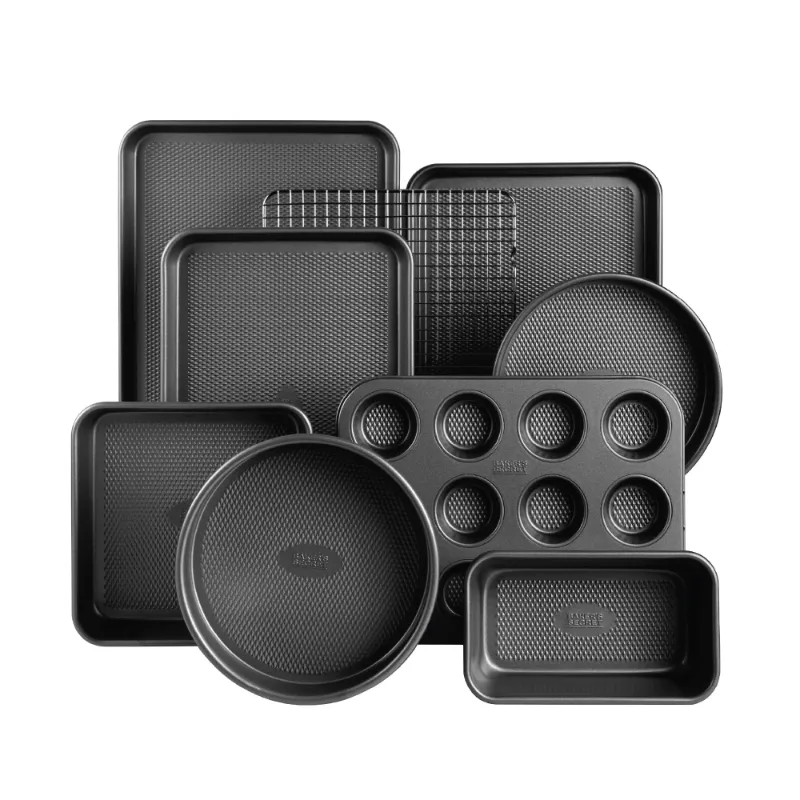
Our 18/10 stainless steel bakeware shows virtually no performance decline after five years of weekly roasting and baking.
How Each Material Wears Under Real Use
We tracked wear patterns across common baking tasks to see where each material fails first.
| Wear Factor | Stainless Steel | Non-Stick Coating |
|---|---|---|
| Scratch resistance | Excellent; utensil marks don’t affect function | Poor; metal utensils damage coating permanently |
| Heat cycling | No warping with quality gauges | Warping common in thin aluminum bases |
| Cleaning wear | Improves with proper seasoning | Coating thins with each abrasive wash |
| Staining | Develops patina but remains functional | Discoloration doesn’t affect performance |
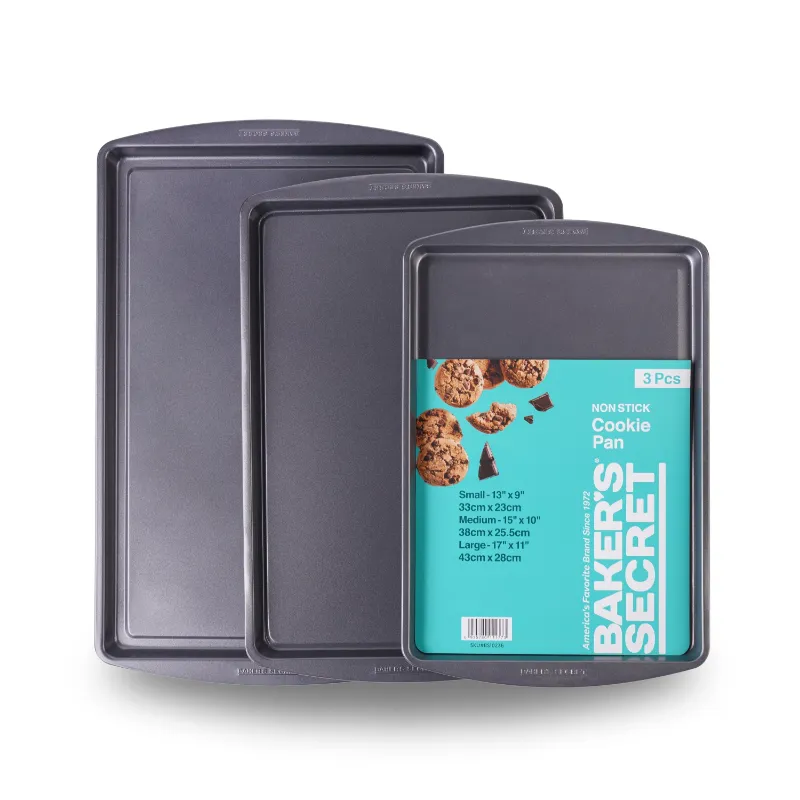
The non stick baking sheet pan handles everyday cookie and vegetable roasting well for the first year. After that, you’ll notice uneven browning where the coating has thinned and increased sticking in high-traffic center zones.
Stainless steel develops a bronze or blue heat patina that many bakers appreciate. This discoloration is cosmetic and doesn’t impact baking performance or food safety. If you prefer a mirror finish, Bar Keeper’s Friend removes it easily.
Cost Per Year: The Real Value Calculation
Upfront price tells only part of the durability story. We calculated cost per year based on realistic replacement cycles.
A quality stainless steel sheet pan might cost $35-45 and last 20+ years, giving you a cost of roughly $2 per year. Check the latest pricing with our code to see current offers.
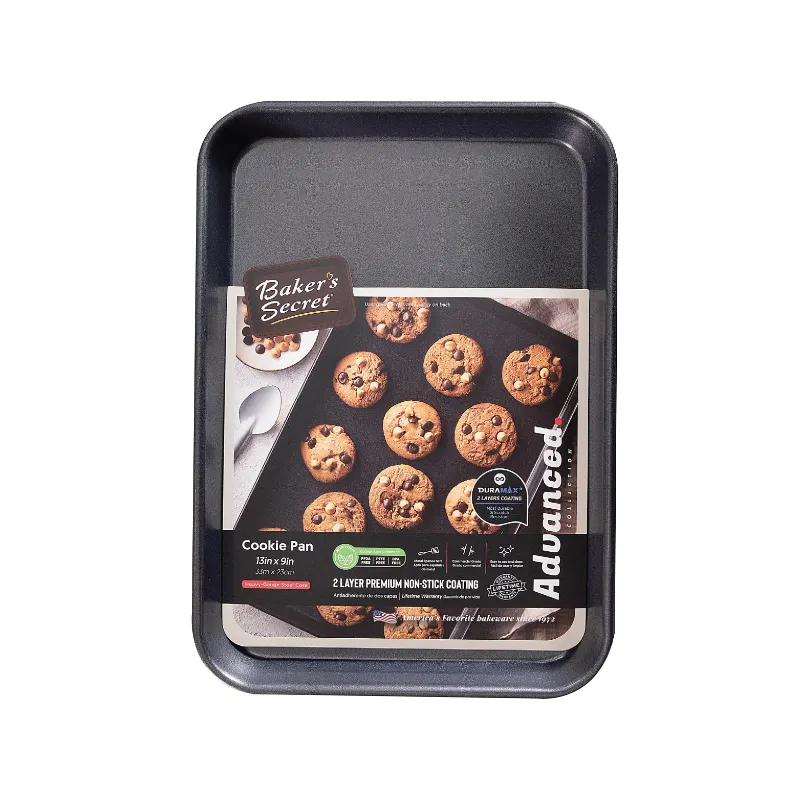
A non-stick option like the celebrate it non-stick jumbo cookie sheet typically runs $18-28 but needs replacement every 2-4 years depending on use frequency. That works out to $7-14 annually.
Break-even point: If you bake more than twice weekly, stainless steel pays for itself within 3-5 years. Occasional bakers who value easy cleanup may prefer replacing affordable non-stick pans every few years.
The same math applies to specialty pieces. A bread loaf pan in stainless steel becomes a buy-it-for-life tool, while non-stick loaf pans work well for beginners still experimenting with recipes.
Care Habits That Extend (or Shorten) Lifespan
How you treat your pans matters as much as the material itself.
For stainless steel longevity:
- Preheat gradually to prevent thermal shock and warping
- Use a thin layer of oil even though steel isn’t non-stick
- Soak stubborn residue rather than scraping while hot
- Dry immediately after washing to prevent water spots
- Avoid sudden temperature changes (don’t run hot pans under cold water)
For non-stick longevity:
- Hand-wash with soft sponges only
- Store with pan protectors or towels between stacked pieces
- Keep oven temps at or below 400°F
- Use silicone, wood, or plastic utensils exclusively
- Replace when you see visible coating damage rather than continuing to use
We’ve seen bakers extend non-stick pan life to 5+ years by following these rules religiously. Conversely, tossing an aluminum baking sheet with non-stick coating into the dishwasher after every use can destroy the surface in under a year.
Which Material Suits Your Baking Style
Match your choice to how and what you actually bake.
Choose 18/10 stainless steel bakeware if you:
- Roast vegetables, proteins, or other savory foods at high heat
- Bake multiple times per week
- Want a single set of pans to last decades
- Don’t mind using parchment paper or oil for release
- Value the ability to use metal spatulas and whisks freely
Choose non-stick when you:
- Primarily bake cookies, cakes, and delicate pastries
- Bake occasionally (once or twice monthly)
- Prioritize minimal cleanup over maximum durability
- Have limited hand strength for scrubbing stuck-on food
- Are willing to replace pans every few years
Many serious bakers keep both types on hand. Stainless steel handles the heavy-duty roasting and sheet-pan dinners, while a non stick baking sheet pan stays reserved for delicate tasks like meringues or thin butter cookies.
Warping, Rust, and Other Failure Modes
Beyond coating wear, structural failures differ between materials.
Warping occurs when thin-gauge pans heat unevenly. Stainless steel pans under 18-gauge and aluminum pans under 15-gauge both warp, but aluminum fails faster. Once warped, pans rock on flat surfaces and bake unevenly. Our aluminum cookie sheets showed slight warping after 40 heat cycles at 425°F, while equivalent stainless steel remained flat.
Rust only affects low-grade stainless steel or pans with damage that exposes the core. The 18/10 designation (18% chromium, 10% nickel) provides excellent corrosion resistance. We’ve never seen rust on properly manufactured 18/10 pans, even after years in humid kitchens.
Edge rolling and rim damage happen when pans are dropped or stacked carelessly. Stainless steel edges dent but remain usable. Non-stick coating at edges chips easily, creating entry points for moisture and further coating failure.
For current deals on both material types, grab the Baker’s Secret discount code before placing your order.
The Bottom Line on Bakeware Longevity
Stainless steel wins the durability race by a wide margin, lasting 10-20 times longer than non-stick when both receive proper care. You’ll pay more initially but replace pans far less often. Non-stick coating offers unmatched convenience for specific baking tasks but demands gentler treatment and accepts planned obsolescence.
We recommend starting with one high-quality stainless steel sheet pan for everyday roasting and supplementing with affordable non-stick options for baking tasks where easy release matters most. That combination gives you both durability and versatility without overspending on pieces you’ll need to replace anyway.
Questions
How long does 18/10 stainless steel bakeware typically last?
With proper care, 18/10 stainless steel bakeware can last 20 to 30 years or more. The material doesn't degrade, chip, or lose performance over time, making it essentially a lifetime purchase for most home bakers.
Can I extend the life of non-stick baking sheets?
Yes, by hand-washing only, using silicone or wooden utensils, keeping oven temperatures below 400°F, and storing pans with protective layers between them. These habits can extend non-stick lifespan from 2-3 years to 5 years or more.
Why do my aluminum baking sheets warp in the oven?
Thin-gauge aluminum warps when exposed to high heat or rapid temperature changes because the metal expands unevenly. Choosing heavier-gauge pans (15-gauge or thicker) and preheating gradually helps prevent warping.
Is it safe to use non-stick pans once the coating starts peeling?
No, once the coating visibly chips or peels, the pan should be replaced. Flaking coating can contaminate food, and the exposed base material often reacts with acidic ingredients or rusts.
Do stainless steel baking sheets need seasoning like cast iron?
Stainless steel doesn't require seasoning, but a light coat of oil before each use improves food release. Some bakers build up a patina over time that enhances browning, but it's optional.
Which is better for cookies, stainless steel or non-stick?
Non-stick sheets release delicate cookies more easily, but stainless steel with parchment paper produces more even browning and lasts far longer. Both work well; your choice depends on whether you prioritize convenience or durability.
Products in this guide
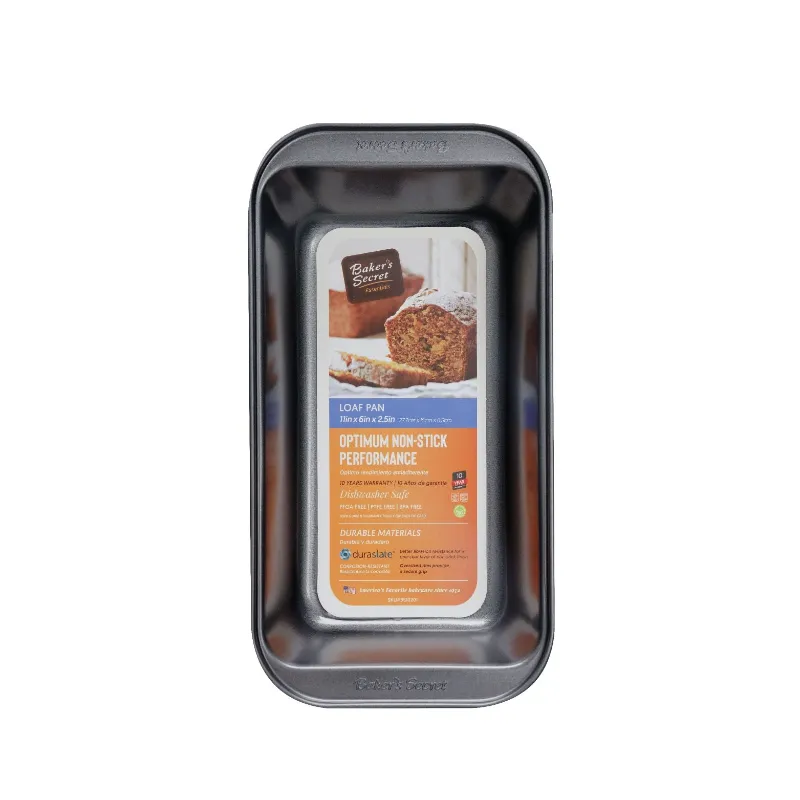 Shopping at Baker's Secret? See the discount code
10% OFF All Orders
Shopping at Baker's Secret? See the discount code
10% OFF All Orders
More in this series
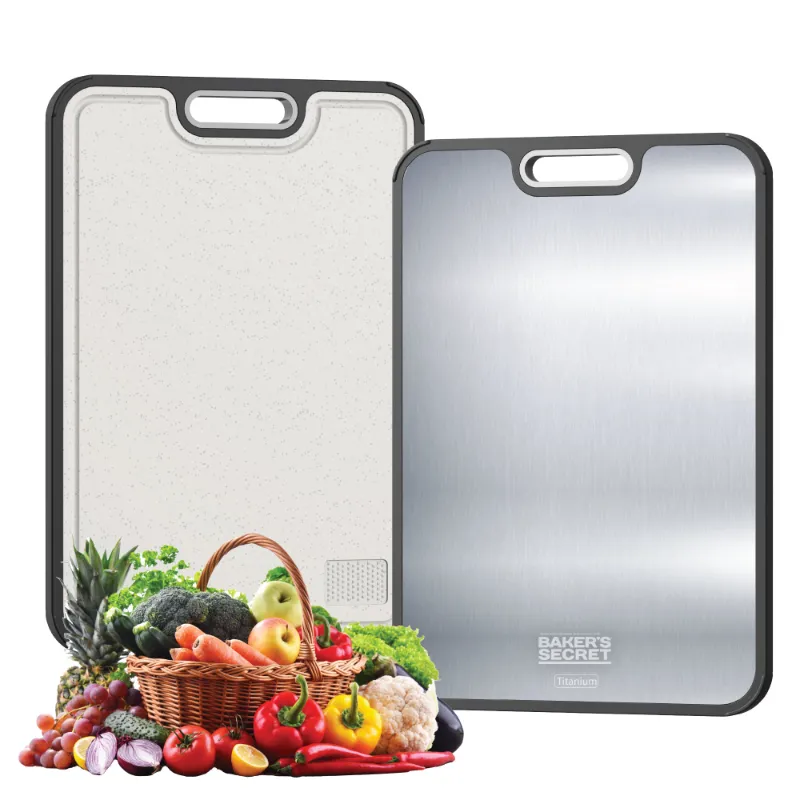 Is a Titanium Cutting Board Right for Your Kitchen?20 Aug 20264 minWhy Do Baker’s Secret Cookie Sheets Warp and How to Prevent It20 Aug 20264 minWhat Size Loaf Pan Does Baker’s Secret Make? (Complete Guide)20 Aug 20264 min
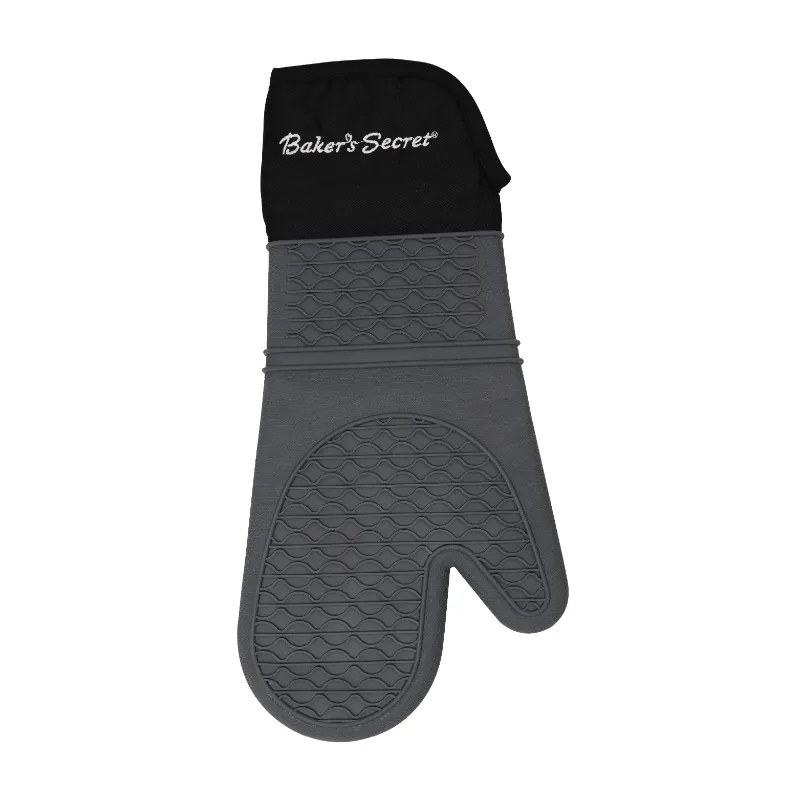 Do Baker’s Secret Oven Gloves Protect Against 500°F Heat?20 Aug 20265 minHow to Season and Care for Baker’s Secret Aluminum Baking Sheets20 Aug 20265 min