 A Glucoracy guide
Do Safety Lancets Really Reduce Fingerstick Pain?
Safety lancets are designed to minimize pain during fingerstick blood tests, and the right model can make a real difference in your daily glucose monitoring routine.
Yes, safety lancets significantly reduce pain compared to standard lancets because they use precise depth control, smaller gauges, and ergonomic designs that let you apply consistent pressure without hesitation.
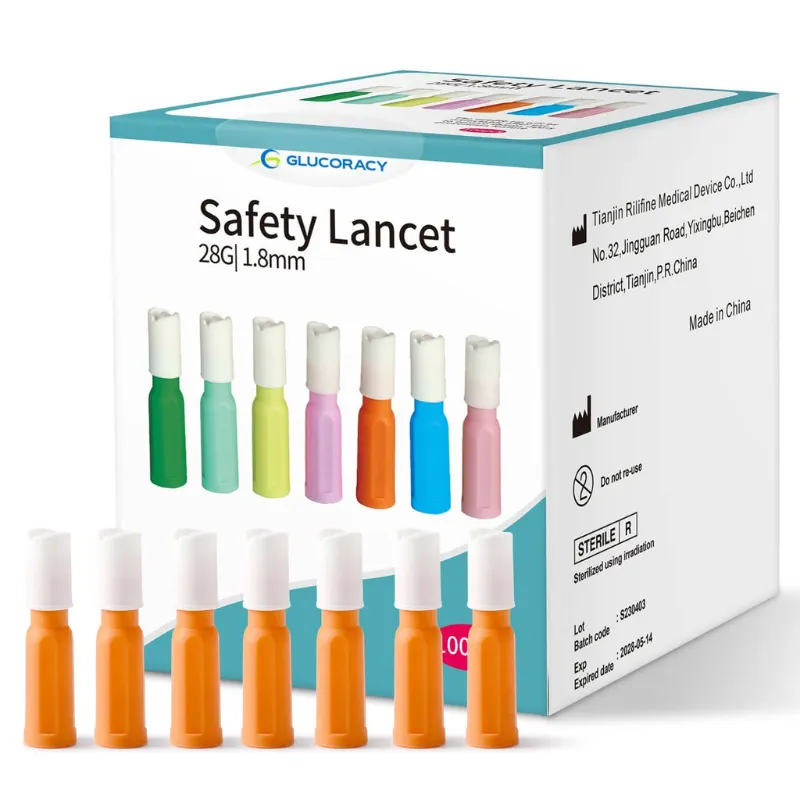
Fingerstick testing is unavoidable for many people managing diabetes, but the pain doesn’t have to be. The right safety lancets combine needle sharpness, auto-retraction, and predictable depth to minimize tissue trauma. If you’re testing several times daily, this matters.
How Safety Lancets Reduce Pain
Safety lancets work by controlling three pain factors: needle gauge (thickness), penetration depth, and deployment speed. Most modern safety lancets use a spring-loaded mechanism that fires the needle at a consistent speed, so you don’t have to press hard or hesitate. That hesitation often increases pain because your finger tenses up.
Key features that cut pain:
- Shallow, preset depth (typically 1.5 to 2.0 mm) so the needle doesn’t go deeper than needed
- Ultra-thin needles (28 gauge or finer) that create minimal tissue damage
- Spring-loaded release that deploys instantly, reducing anticipation anxiety
- Auto-retract design that pulls the needle back immediately after penetration, lowering reflex flinching
Pressure-activated safety lancets are especially effective because they fire only when you apply firm contact to your skin, eliminating accidental jabs and the muscle tension that precedes them.
Safety Lancets vs. Traditional Lancets
| Feature | Safety Lancets | Traditional Lancets |
|---|---|---|
| Depth control | Preset, consistent | Manual, variable |
| Needle gauge | 28-30G (standard) | 25-27G (thicker) |
| Retraction | Automatic | Manual or none |
| Pain level | Low to minimal | Moderate to high |
| Ease of use | One-handed, intuitive | Requires two hands |
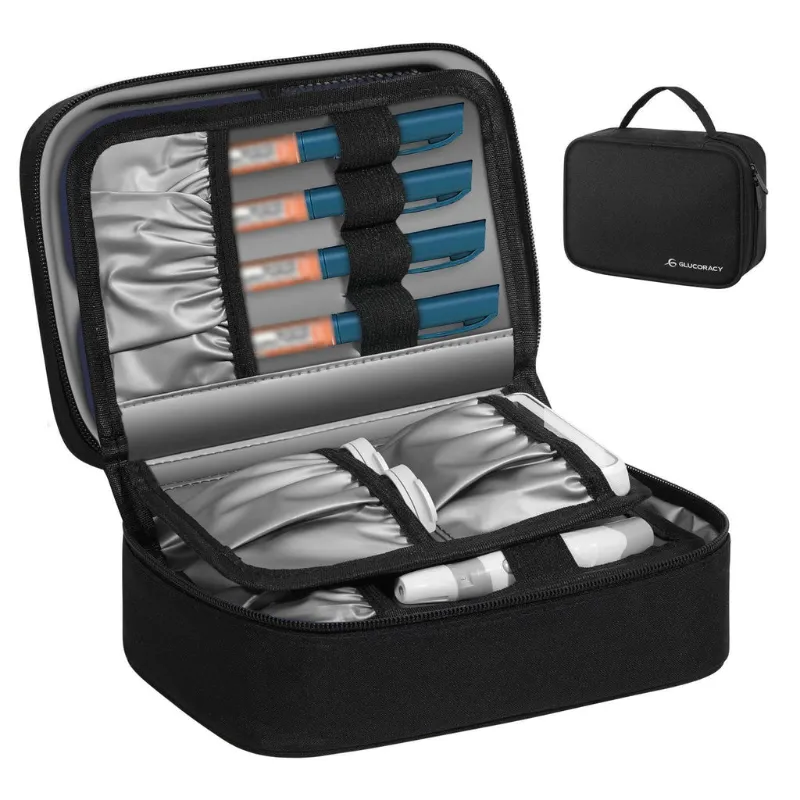
Safety lancets cost slightly more per unit, but most people find the pain reduction worth it. If you’re testing frequently alongside using an insulin cooler travel case or other diabetes supplies, combining premium lancets with good storage keeps your entire routine comfortable and organized.
Gauge Size Matters: Why Thinner Is Better
Safety lancets 28g are the sweet spot for most people because they pierce skin cleanly without creating a larger wound channel. A thinner needle means less tissue disruption and faster healing. Some brands also offer 30g options for extra-sensitive fingers.
Gauges around 25-27g (thicker) create larger wounds that bleed more, require more pressure, and heal slower. If you’ve been using older lancets and recently switched to 28g or finer safety lancets, you’ll notice immediate comfort improvement.
Pressure-activated designs in these gauges work especially well because the spring mechanism ensures the thin needle penetrates fully without you having to apply awkward force yourself.
How to Use Safety Lancets Correctly
Proper technique matters as much as the lancet design. Even the best safety lancets hurt more if you use them wrong.
- Wash your hands with warm water; warm skin increases blood flow and reduces squeezing
- Load the lancet into your lancing device according to the manufacturer’s instructions
- Hold the device perpendicular to your skin on the side of your fingertip (less nerve endings than the center)
- Apply steady pressure until the lancet activates; don’t jab or hesitate
- Let the spring do the work; resist the urge to push harder
- Gently massage your finger to encourage blood flow if needed
Rotate your testing fingers across your hand to avoid repeated punctures in the same spots, which builds calluses and increases pain over time.
Safety Lancets by Brand and Style
Different manufacturers and retailers stock their own safety lancet options. McKesson push button safety lancets are widely available at pharmacies and online, offering reliable performance at standard pricing. You’ll also find branded options at major retailers like Walmart and CVS, plus online options on Amazon.
If you’re shopping at Glucoracy, you can grab the code for 20% OFF all orders, which stacks savings on safety lancets and other diabetes gear like an insulin bag or insulin cooling case for travel.
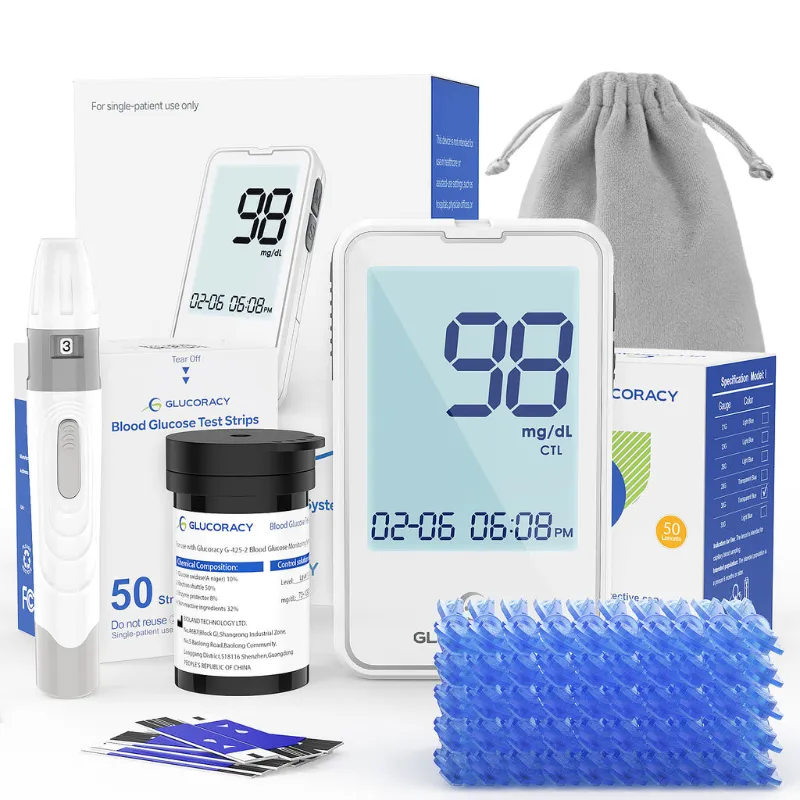
The a4253 is another popular option that combines affordability with solid auto-retract design. Pressure-activated models tend to cost a bit more but reduce user error significantly, so they’re worth considering if you’re new to lancet testing or struggle with hesitation.
Pairing Safety Lancets With Reliable Blood Glucose Monitoring
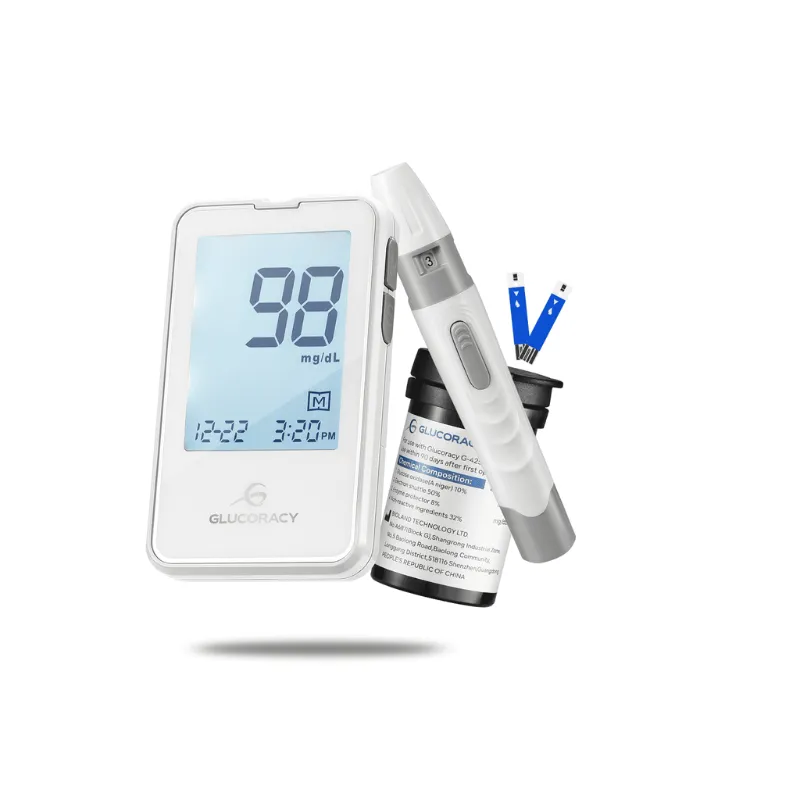
Your lancet choice works best alongside a reliable meter. The g430 blood glucose monito pairs well with quality safety lancets because it requires only a tiny blood sample, so you don’t need deep penetration. Smaller blood requirements mean less squeezing and faster results.
When you combine a low-pain lancet setup with an insulin cooler travel case or insulin travel case cooler, your entire testing and management routine becomes less stressful. Pain reduction compounds when you’re not dreading each test.
Who Benefits Most From Safety Lancets
Safety lancets are especially helpful if you:
- Test your blood glucose multiple times daily
- Have sensitive fingers or previous calluses from older lancets
- Experience anxiety around needle sticks (hesitation increases pain)
- Travel frequently and need reliable, one-handed testing
- Prefer consistency and predictable depth over manual control
People managing type 1 diabetes or those on insulin who test 4+ times daily see the biggest quality-of-life improvement. Even a small reduction in pain compounds across dozens of tests per month.
If fingerstick pain has discouraged your testing routine, switching to proper safety lancets often restores confidence and compliance. Combined with tools like an insulin bag to keep supplies organized, consistent testing becomes part of your routine rather than something you dread.
Final Takeaway
Safety lancets do reduce fingerstick pain when you choose the right gauge (28g or finer), auto-retract design, and proper technique. Your lancet choice matters as much as your meter, and brands vary in spring tension and depth control. Test a few different styles to find your preference, rotate your finger sites, and pair your lancets with reliable storage and monitoring gear for the smoothest diabetes management experience.
Check the latest price on safety lancets and other supplies at Glucoracy with our 20% discount code.
Questions
Are safety lancets less painful than regular lancets?
Yes. Safety lancets use thinner needles (28-30 gauge), preset depth control, and spring-loaded deployment that eliminates hesitation, all of which reduce pain and tissue damage compared to traditional lancets.
What gauge safety lancets should I use?
28 gauge is the standard comfort choice for most people. Some prefer 30 gauge for extra sensitivity. Thinner gauges create smaller wounds and require less force, reducing overall discomfort.
How do pressure-activated safety lancets work?
They fire only when you press the lancing device firmly against your skin, eliminating accidental jabs and reducing anticipation anxiety. This controlled deployment often feels less painful than manual lancets.
Can I use any safety lancet with my lancing device?
No. Most lancing devices are designed for specific lancet sizes and styles. Check your device manual to confirm compatibility before buying.
Where can I buy safety lancets?
Retailers like Walmart, CVS, and Amazon stock common brands. Glucoracy carries multiple options with 20% OFF all orders using our code.
How often should I rotate my testing fingers?
Rotate across different finger sites with each test to avoid repeated punctures in the same spots, which builds calluses and increases pain over time.
Products in this guide
 Shopping at Glucoracy? See the discount code
20% OFF All Orders
Shopping at Glucoracy? See the discount code
20% OFF All Orders
More in this series
Glucoracy Diabetes Supply Kit: What You Need to Know Before Buying8 Sep 20264 minInsulin Cooler Cases vs Regular Bags: What Actually Keeps Insulin Safe8 Sep 20264 minWhat to Know About the Glucoracy Blood Glucose Monitor for Daily Diabetes Management8 Sep 20264 minHow to Keep Insulin Cool While Traveling: A Complete Guide8 Sep 20265 min