 A Glucoracy guide
How to Keep Insulin Cool While Traveling: A Complete Guide
An insulin cooler travel case is essential for anyone managing diabetes on the go, keeping your medication at safe temperatures for hours or days.
An insulin cooler travel case is essential for anyone managing diabetes on the go, keeping your medication at safe temperatures for hours or days. Whether you’re traveling across town or across the globe, maintaining proper insulin storage prevents medication failure and keeps your blood sugar management on track. We’ll walk you through choosing, packing, and using the right case for your lifestyle.
Why an insulin cooler travel case matters
Insulin degrades when exposed to temperatures above 86°F (30°C) or below 36°F (2°C). A quality insulin cooler travel case protects your medication during flights, road trips, and everyday outings. Unlike a regular insulated bag, a dedicated case is engineered to maintain a narrow temperature range without freezing your insulin, which happens with ice packs placed directly against vials or pens.
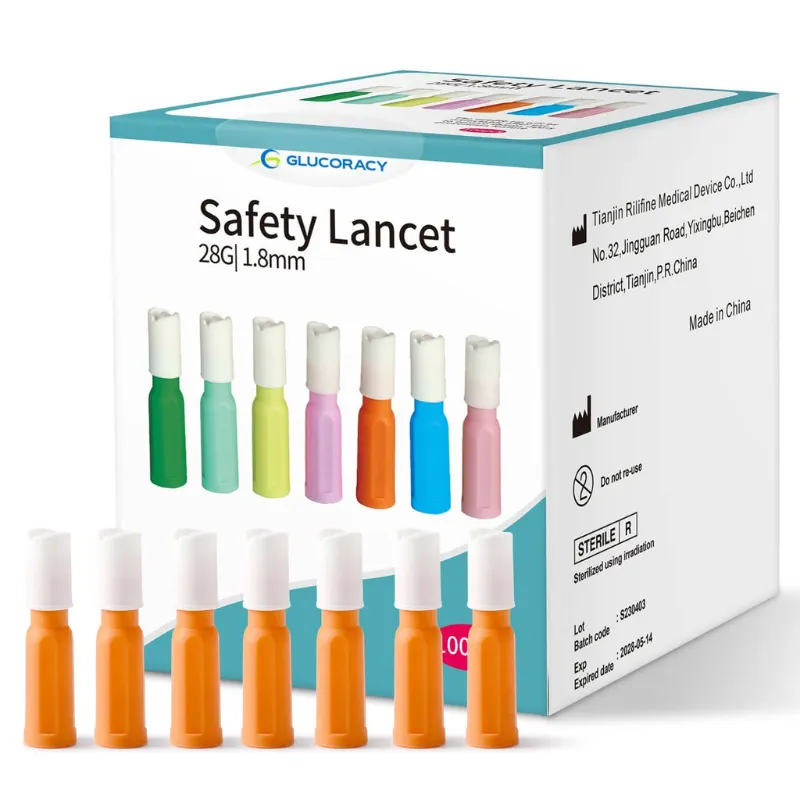
Your case also provides peace of mind. You’re not guessing whether your insulin survived the car ride or hotel room. Many come with temperature indicators so you know at a glance if conditions are safe. If you’re traveling with other supplies like safety lancets and your g430 blood glucose monito, a case designed for insulin also protects these essentials from heat and damage.
Choosing between insulin cooler styles
Different travel scenarios call for different designs. Here’s how to compare:
| Feature | Compact Cases | Full-Size Cases |
|---|---|---|
| Best for | Day trips, short outings | Multi-day travel, backup supplies |
| Cooling hours | 8 to 12 hours | 24 to 48 hours |
| Fits in | Purse, backpack pocket | Carry-on, small luggage |
| Cost | Lower | Higher |
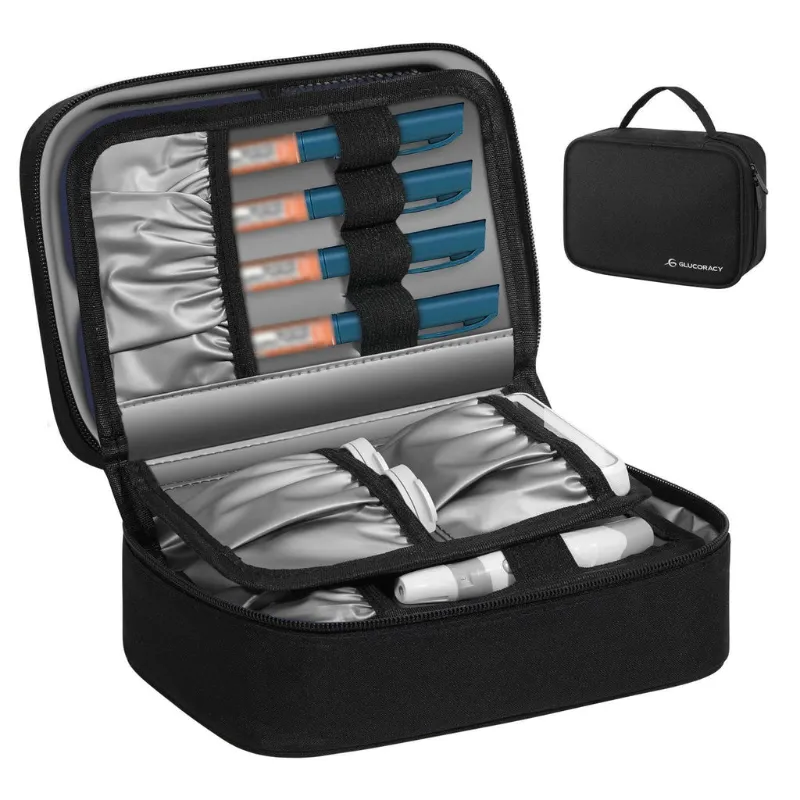
The insulin cooler travel case from our picks works well for both everyday use and weekend trips. If you need extended cooling on longer vacations, the insulin travel case cooler offers 24+ hour protection. Some cases use evaporative gel packs, others use passive cooling technology. Check whether your model needs pre-cooling time and how long it maintains temperature once activated, especially if you’re dealing with an overnight flight or road trip.
Temperature display models give real-time feedback, which matters if you’re in unpredictable climates. This feature is particularly useful during summer travel or trips to hot destinations.
How to pack your insulin cooler travel case
Proper packing maximizes cooling performance and prevents accidental freezing.
- Place gel packs or cooling elements in the designated compartments, not directly against insulin vials or pens
- Allow at least 30 minutes for pre-cooling if your case requires it
- Pack insulin in the middle, surrounded by the cooling medium
- Add a thermometer strip or temperature indicator to monitor conditions throughout the day
- Keep the case in shade and avoid leaving it in direct sunlight or hot vehicles
- Store extra safety lancet supplies in a separate section to keep them organized
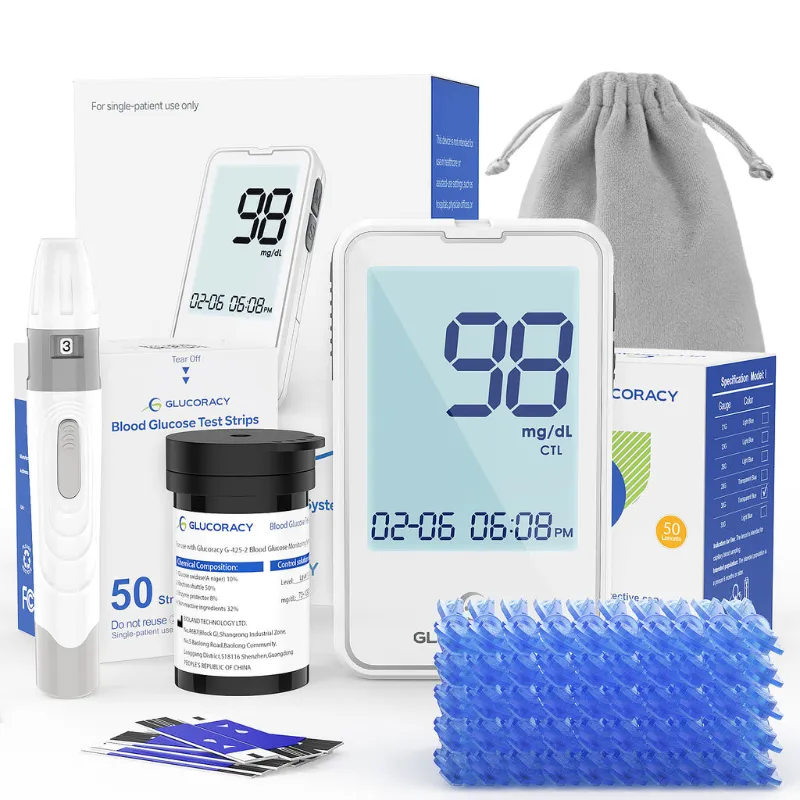
If you’re carrying an a4253 or other diabetes supplies alongside insulin, arrange items so nothing compresses or shifts. Many travelers also keep a small insulin bag inside the cooler for extra organization and quick access.
Maintaining your case during travel
An insulin cooler travel case isn’t just for storage. Taking care of it during your trip ensures it performs when you need it.
- Clean the exterior daily, especially after beach trips or outdoor activities
- Dry gel packs thoroughly between uses to prevent mold
- Replace gel packs every 2-3 months if used regularly, or when they no longer hold coolness
- Check seals and zippers for damage before each trip
- Store the case in a cool, dry place when not traveling
If your case uses replaceable cooling elements, check the latest price on Glucoracy to grab extras while supplies last. Some cases work with standard gel packs; others require branded replacements. Know which your model uses before your trip so you’re not scrambling for compatible products.
Temperature control features that matter
Modern insulin cooler travel cases often include technology that sets them apart from basic insulated bags. Temperature display models let you confirm your insulin is in the safe zone without opening the case and disrupting cooling. Battery-powered models actively regulate temperature, though they’re bulkier and require charging.
For most travelers, passive cooling cases with gel packs work reliably and don’t require batteries. They’re also more affordable. If you’re traveling frequently or to extreme climates, active cooling may be worth the investment. Review independent comparisons like The 7 Best Insulin Cooling Cases Available In 2026 to see which models earn consistent ratings for reliability and ease of use.
Many cases also let you monitor temperature without opening them, preserving the cooling environment. This is especially helpful when moving between different environments (air-conditioned plane, hot airport, cool hotel room).
Who needs an insulin cooler travel case
Anyone who takes insulin (whether Type 1, Type 2, or gestational diabetes) benefits from a dedicated cooling case when traveling. The need is even clearer if you:
- Travel more than once a month
- Live in a hot climate
- Take multiple daily injections or use a pump
- Travel to destinations with limited refrigeration
- Have experienced insulin failure due to heat before
- Travel internationally and face customs or security delays
Even a short car ride on a warm day can heat an insulin pen to unsafe levels. An insulin cooling case eliminates this risk and lets you travel with confidence, knowing your medication is protected regardless of external temperatures.
Packing tips for flights and road trips
Air travel and long drives each have unique challenges for insulin storage.
For flights: Pack your case in your carry-on, never checked luggage. Cargo holds are unpressurized and cold. Security officers understand medical necessity; have your prescription or a doctor’s letter ready if asked. Bring extra cooling elements in case you’re delayed. Grab the code at Glucoracy to stock up on backup supplies before you leave.
For road trips: Keep your case on the floor or in a bag, not on hot seats or dashboards. If you’re driving in summer, consider an insulated car organizer as a secondary barrier. On very long drives (8+ hours), check your case’s temperature indicator at rest stops and swap out gel packs if needed.
For any trip: Carry your case with you during layovers and hotel stays. Never leave insulin unattended in a rental car or hotel room during warm hours. A portable case means your insulin goes where you go.
Real-world setup for different trip lengths
Your insulin cooler travel case setup depends on how long you’re away.
Day trip (8 hours): A compact case with one gel pack pre-cooled is enough. Throw it in your bag and go.
Weekend trip (2-3 days): Use a mid-size case with multiple compartments. Pack fresh gel packs for each day or swap packs at night if staying in a cool hotel.
Extended travel (1+ week): Bring a full-size case or two smaller cases for redundancy. Research your destination’s availability of replaceable cooling elements or pack spares from home. Store insulin in hotel mini-fridges when available (not freezers), and use your case during outdoor activities and transit.
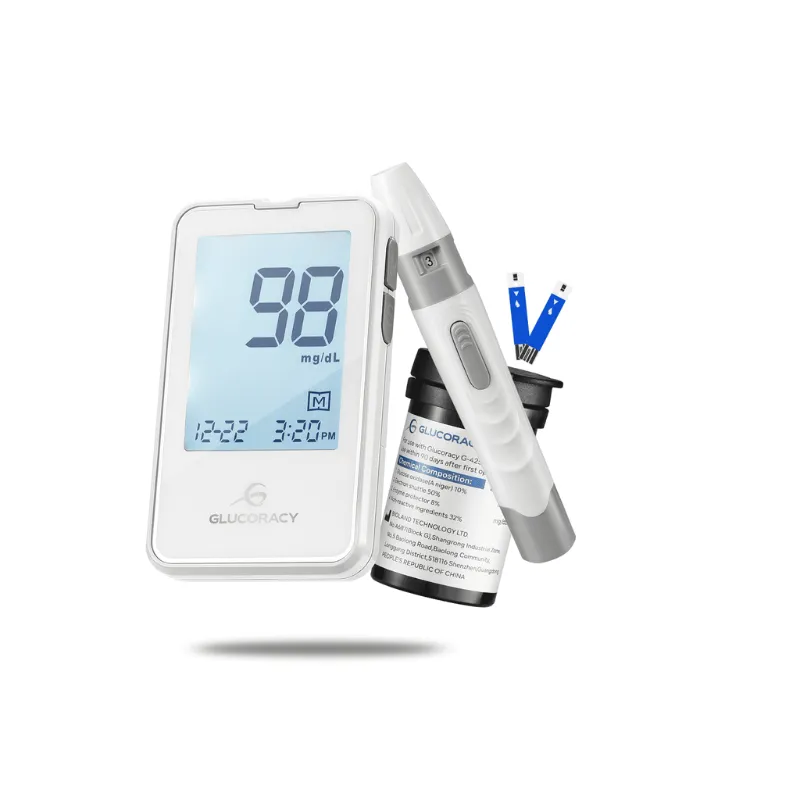
For any trip, pairing your insulin cooler travel case with essentials like your g430 blood glucose monito and safety lancets in an organized insulin bag keeps everything accessible and protected.
Traveling with diabetes is manageable when you have the right tools. A reliable insulin cooler travel case removes one major worry, letting you focus on enjoying your trip.
Questions
How long does an insulin cooler travel case keep insulin cool?
Most cases maintain safe temperature for 8-12 hours with pre-cooled gel packs. Extended models can protect insulin for 24-48 hours, depending on outside temperature and how often you open the case. Check your specific model's specs before traveling.
Can I use an insulin cooler travel case on a plane?
Yes. Pack it in your carry-on, never checked luggage. TSA allows insulin and cooling packs for medical purposes. Bring a copy of your prescription or doctor's letter to show security if asked.
Will an insulin cooler travel case freeze my insulin?
No, if used correctly. Place gel packs in designated compartments, not directly against insulin. A properly designed insulin cooler travel case maintains temperatures in the safe range (36-86°F) without freezing.
What's the difference between an insulin cooler travel case and a regular insulated bag?
An insulin cooler travel case is engineered to maintain a narrow, safe temperature range for medication. Regular insulated bags don't regulate temperature as precisely and can freeze or overheat insulin.
Do I need a battery-powered insulin cooler travel case?
Not necessarily. Passive gel-pack cases work reliably for most travelers and don't require charging. Battery-powered models are useful for frequent or extreme-climate travel, but they're bulkier and more expensive.
How do I know if my insulin cooling case is working?
Many modern cases include temperature indicator strips or digital displays. Check the indicator when you pack and during your trip. If your case doesn't have one, adding a small thermometer inside helps confirm safe conditions.
Products in this guide
 Shopping at Glucoracy? See the discount code
20% OFF All Orders
Shopping at Glucoracy? See the discount code
20% OFF All Orders
More in this series
Glucoracy Diabetes Supply Kit: What You Need to Know Before Buying8 Sep 20264 minInsulin Cooler Cases vs Regular Bags: What Actually Keeps Insulin Safe8 Sep 20264 minDo Safety Lancets Really Reduce Fingerstick Pain?8 Sep 20264 minWhat to Know About the Glucoracy Blood Glucose Monitor for Daily Diabetes Management8 Sep 20264 min