 A Glucoracy guide
Insulin Cooler Cases vs Regular Bags: What Actually Keeps Insulin Safe
An insulin cooler travel case maintains proper temperature for insulin storage during travel, while regular bags leave your medication exposed to heat damage.
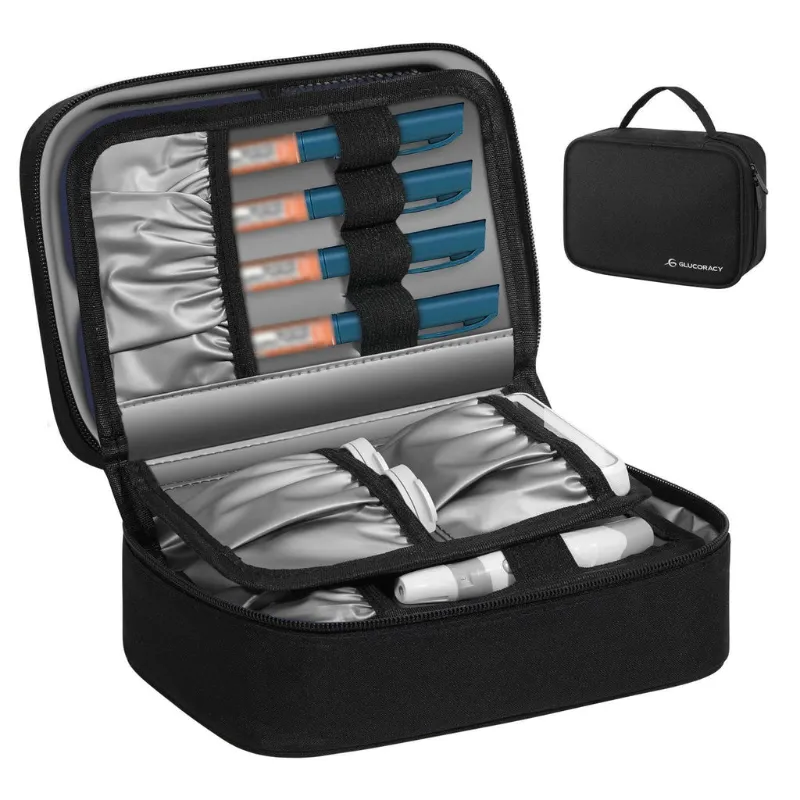
An insulin cooler travel case maintains proper temperature for insulin storage during travel, while regular bags leave your medication exposed to heat damage. Insulin degrades rapidly when exposed to temperatures above 86°F, making the difference between a specialized cooler and a standard bag critical for your health and your medication’s effectiveness.
Why a Regular Bag Isn’t Enough for Insulin Storage
Regular bags offer zero temperature control. They absorb heat from your surroundings and amplify it, especially in cars, airports, and outdoor settings. Insulin stored in a regular bag during summer travel or in warm climates can lose potency within hours. Your medication may look and feel the same, but it’s already compromised, and you won’t know until your blood sugar readings start trending upward.
A dedicated insulin travel case cooler solves this by creating an insulated barrier. Some models use passive cooling (gel packs or Phase Change Materials), while others include active cooling with battery-powered temperature displays. The best insulin cooler travel case options keep medication between 36°F and 46°F for extended periods, which is exactly what your insulin requires.
How Cooling Technology Works in Travel Cases
There are two main cooling approaches in modern insulin cooler cases:
- Passive cooling uses gel packs or cooling elements that you pre-chill in the freezer. These maintain cold temperatures for 24 to 48 hours depending on external heat and the quality of insulation. Models like the insulin cooling case use this method with durable outer shells that resist punctures.
- Active cooling includes rechargeable batteries and temperature regulation systems. Some cases display real-time temperature, which is valuable if you’re crossing multiple climates in one day. These cost more but give you certainty about whether your insulin is staying safe.
For most travelers, passive cooling is reliable and practical. Active systems shine if you’re traveling internationally or spending weeks in unpredictable conditions.
Comparing Materials and Durability
The outer shell matters as much as the cooling method. Here’s what works in the field:
| Material | Durability | Weight | Best For |
|---|---|---|---|
| EVA foam | High impact resistance | Lightweight | Airport handling, daily commutes |
| Neoprene | Flexible, water-resistant | Medium | Humid climates, beach trips |
| Hard plastic | Maximum protection | Heavier | Multiple trips, rough conditions |
An insulin bag designed for temperature control uses insulation inside these outer layers. The thickness of the insulation directly affects how long cold temperatures hold. A 1-inch insulation layer keeps things cold longer than a quarter-inch. Most quality cases also have seals or zippers that prevent warm air from entering when you open the bag.
What to Look for in Your Insulin Cooler Travel Case
The best insulin cooler travel case for your needs depends on your travel patterns:
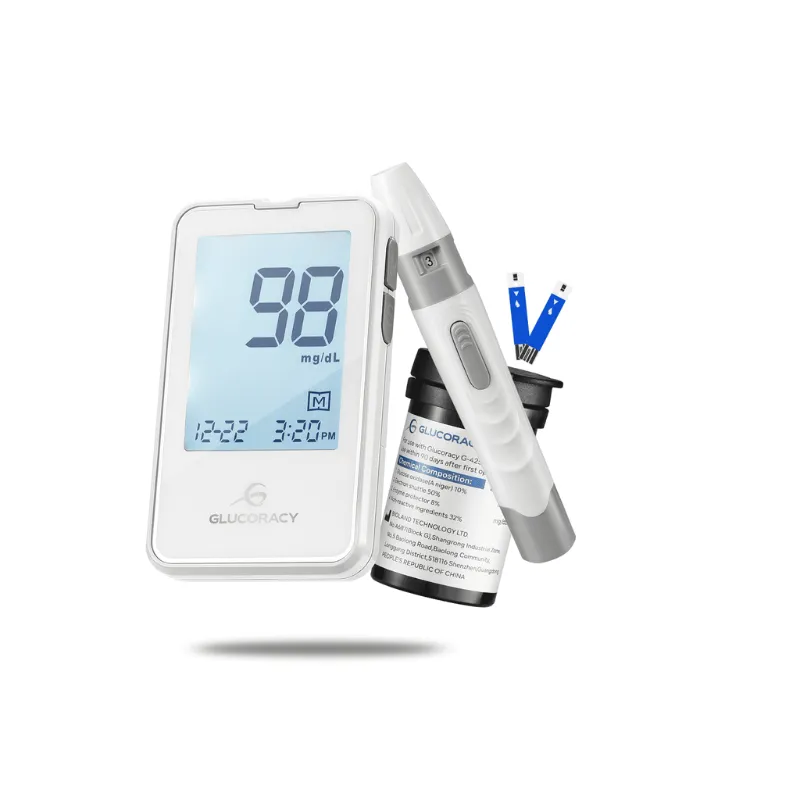
- Capacity: Does it hold just insulin pens or also your blood glucose monitor and safety lancets? Cramming supplies into too-small a space reduces cooling efficiency and makes the case frustrating to use.
- Pre-cooling requirements: Some models need 30 minutes in the freezer before travel. Others are ready to use without prep. If you travel spontaneously, this matters.
- Thermal retention: Check how many hours the case maintains safe temperatures. A 24-hour rating is standard; some models claim 48 hours with proper gel packs.
- Portability: Will you carry it in a day bag or checked luggage? Weight and size change everything about the travel experience.
- Maintenance: After each trip, gel packs need to dry fully before storage or they’ll grow mold. Some cases have removable, washable interiors.
Travel Scenarios Where Cooling Cases Prove Essential
An insulin cooler travel case becomes non-negotiable in these situations:
- Air travel: Planes are pressurized to 75°F internally, but cargo holds and overhead bins vary widely. A cooler case ensures consistent temperatures whether your medication is in the cabin or stored elsewhere.
- Road trips in warm months: A car parked in the sun reaches 140°F+ in minutes. A regular bag inside a car offers zero protection; a cooler case keeps insulin safe for hours.
- International travel: Moving between time zones and climates, sometimes multiple times in one day, stresses any storage system. A quality insulin cooler travel case with temperature display removes guesswork.
- Outdoor activities: Hiking, beach days, and camping all expose insulin to heat and sun. A cooler case lets you stay active without worrying about medication degradation.
Beyond Insulin: Complete Diabetes Supply Management
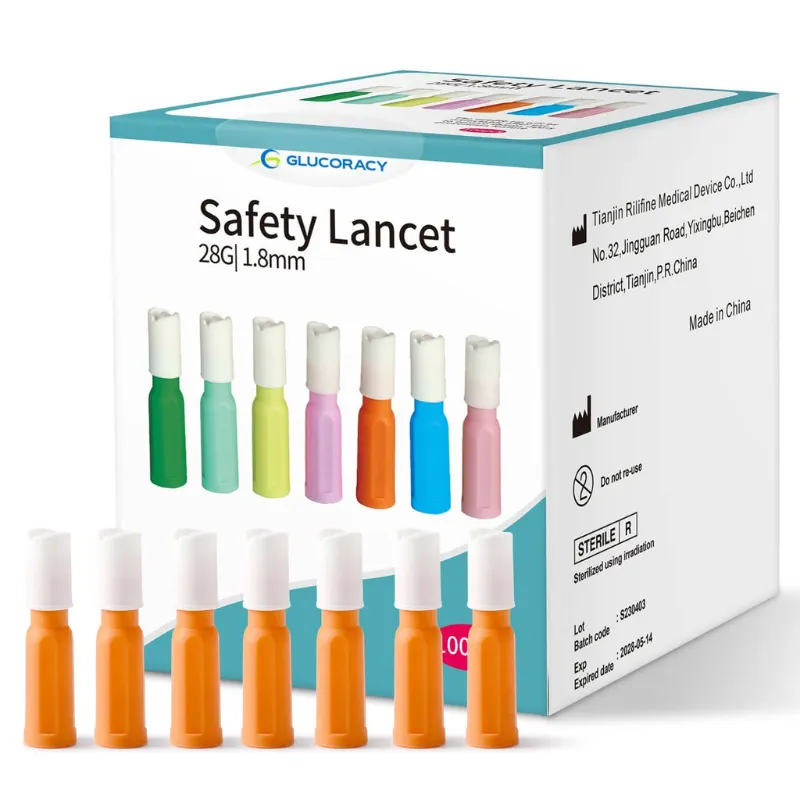
Your insulin isn’t the only supply needing protection. Safety lancets and glucose test strips are also temperature-sensitive. Strips lose accuracy above 86°F, and safety lancet mechanisms can stick or fail if exposed to extreme heat.
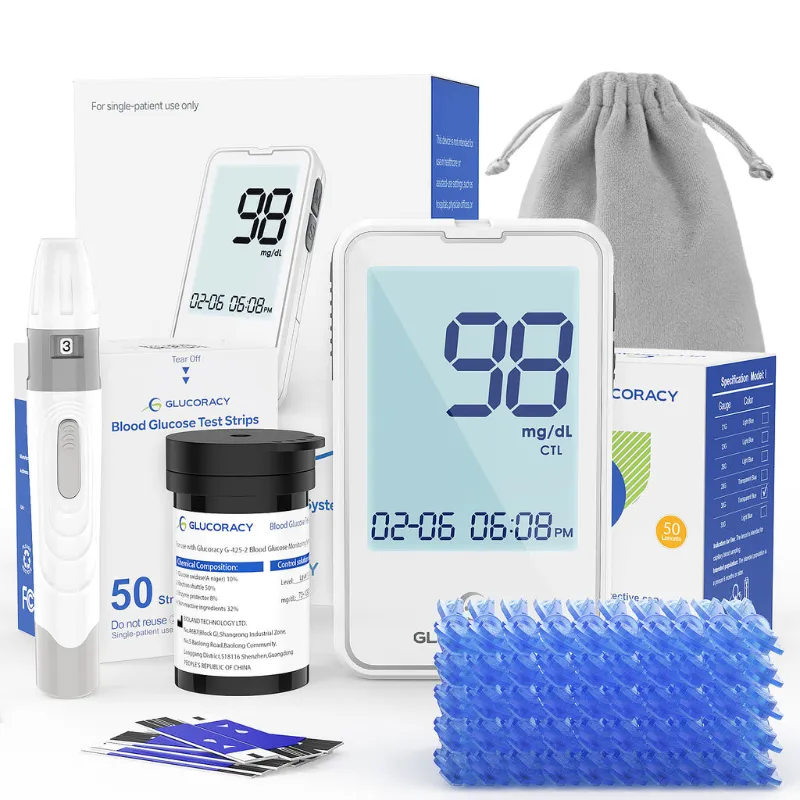
The a4253 and other companion supplies should travel in the same cooler case as your insulin. A well-designed insulin cooling case has compartments to organize everything without cramping. This keeps your complete diabetes kit protected in one place rather than scattering supplies across your luggage.
Getting the Right Case and Staying Confident
Investing in a proper insulin cooler travel case costs between $25 and $80 depending on features and brand. Compare options at FRÍO insulin cooler, which specializes in passive cooling technology, or check The 7 Best Insulin Cooling Cases Available In 2026 for independent reviews and comparisons.
Ready to upgrade? Grab the code for 20% off all orders at Glucoracy and start shopping for a case that fits your travel style. Whether you need a compact insulin travel case cooler for day trips or a full-featured model with temperature tracking, the right cooler removes stress from traveling with diabetes.
Questions
How long does an insulin cooler travel case keep insulin cold?
Most quality models maintain safe temperatures (36-46°F) for 24 to 48 hours with pre-chilled gel packs, depending on external heat and insulation thickness. Active cooling models with batteries can extend this further. Always check your specific case's thermal retention rating for your trip length.
Can I use an insulin cooler travel case for other medications?
Yes. Any temperature-sensitive medication benefits from a cooler case. Always confirm your medication's storage range and ensure the case maintains those temperatures. Some prescriptions require colder storage than insulin, so verify compatibility.
Do I need to pre-chill an insulin cooler travel case before every trip?
Most passive cooling models require 30 minutes to a few hours in the freezer before travel. Active cooling cases with batteries don't need pre-chilling. Check your specific model's instructions to see if pre-cooling affects how long it stays cold.
Is an insulin cooler travel case allowed in airplane carry-on luggage?
Yes, but gel packs may be considered liquids if they're not frozen solid at security. Pack your cooler case in carry-on to keep insulin with you, and freeze gel packs at your origin airport before boarding if needed. Check TSA and your airline's current guidelines.
What's the difference between an insulin cooler travel case and a regular insulated bag?
A specialized insulin cooler travel case is engineered with thicker insulation and better seals to maintain narrow temperature ranges for insulin specifically. Regular insulated bags don't hold temperature as precisely and lack compartments designed for insulin pens, glucose monitors, and lancets.
Can I store my safety lancets and glucose monitor in the same insulin cooler travel case?
Yes. Test strips and lancets travel well in compartmented cooler cases designed for diabetes supplies. Store everything together to keep your complete kit protected and organized.
Products in this guide
 Shopping at Glucoracy? See the discount code
20% OFF All Orders
Shopping at Glucoracy? See the discount code
20% OFF All Orders
More in this series
Glucoracy Diabetes Supply Kit: What You Need to Know Before Buying8 Sep 20264 minDo Safety Lancets Really Reduce Fingerstick Pain?8 Sep 20264 minWhat to Know About the Glucoracy Blood Glucose Monitor for Daily Diabetes Management8 Sep 20264 minHow to Keep Insulin Cool While Traveling: A Complete Guide8 Sep 20265 min