 A Glucoracy guide
What to Know About the Glucoracy Blood Glucose Monitor for Daily Diabetes Management
The g430 blood glucose monito delivers fast, accurate readings for confident daily diabetes management without hassle.
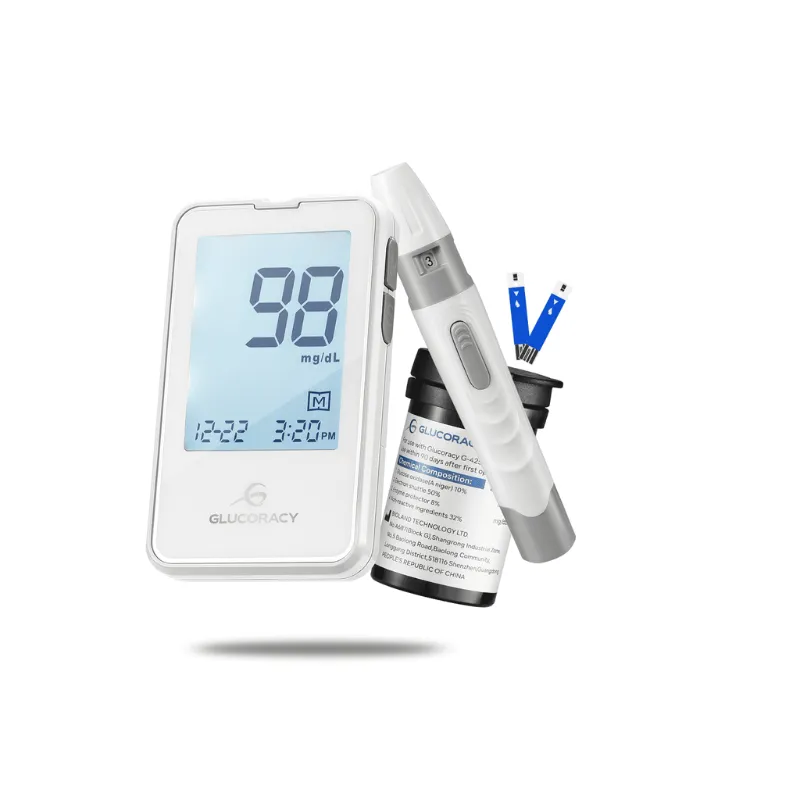
The Glucoracy blood glucose monitor is a home meter kit for checking your blood sugar from a finger prick, and it suits people who test every day and want a simple routine they can take anywhere. The Glucoracy blood glucose monitor kit works with Glucoracy’s own test strips and pairs with safety lancets for the finger prick. Below we cover how a home meter fits into daily diabetes management, what to put in your kit, and how to store and carry supplies. Your testing schedule and target ranges come from your doctor or diabetes care team, not from a meter or a buying guide.
How a home blood glucose monitor works
A home blood glucose monitor reads a small drop of blood placed on a test strip. You prick the side of a fingertip with a lancet, touch the drop to the strip in the meter, and the meter shows a reading after a short wait. Most meters also save past readings, so you can look back at patterns or show them to your care team.
A meter gives you a snapshot at one moment. It does not replace lab tests or the advice of your doctor, and a reading that seems wrong, or that does not match how you feel, should be checked again and discussed with a professional.
What to check in a Glucoracy blood glucose monitor
Before you buy any meter, including the Glucoracy blood glucose monitor, check these points on the product page and in the manual:
- Strip availability and cost. Strips are the ongoing expense. Make sure you can easily buy the strips made for your meter.
- Display. A large, clear screen matters if you test in low light or have trouble reading small numbers.
- Memory and data. Check how many readings it stores and whether it can share them with an app or your clinic.
- Units. Meters show results in mg/dL or mmol/L depending on the country. Make sure yours matches what your care team uses.
- Accuracy standard. Look for the standard the maker says the meter meets, and ask your pharmacist if you are unsure.
Setting up your complete testing kit
A meter is one part of a daily testing kit. A full kit usually includes:
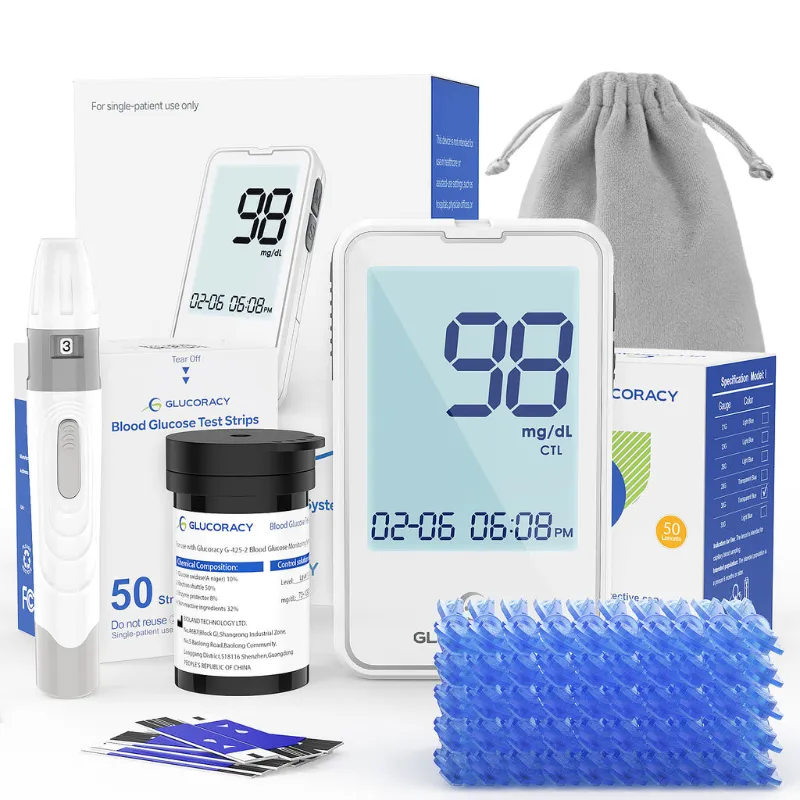
- The meter and a supply of strips made for it, such as the Glucoracy test strip pack with 50 strips
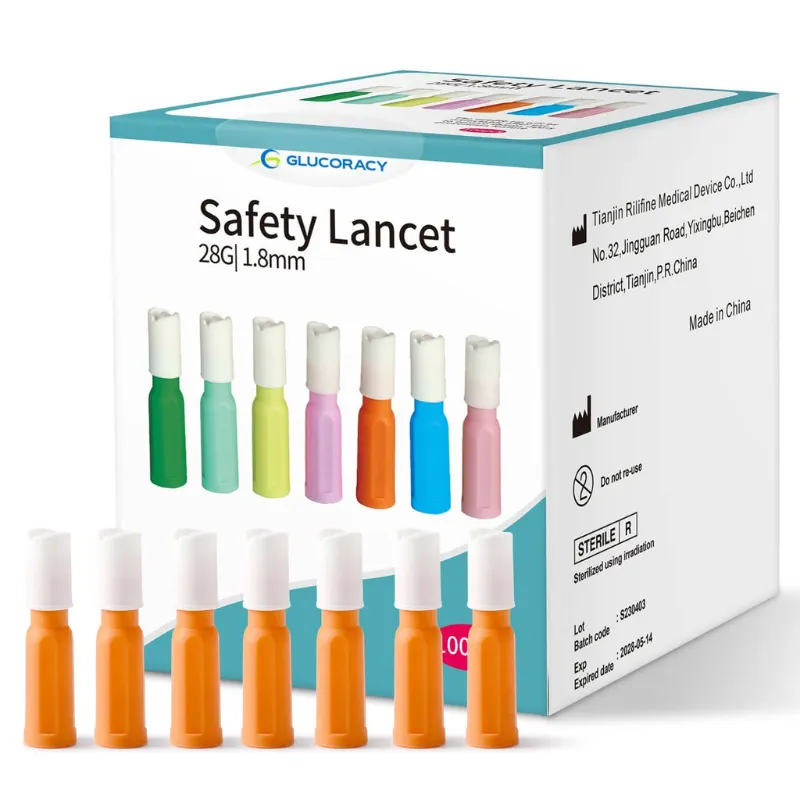
- Safety lancets (Glucoracy sells them in a 100 count box)
- A lancing device, if your lancets need one
- A case to keep everything together
- A sharps container for used lancets
Only use strips labeled for your meter. Strips from another meter will not read correctly, even if they look similar.
Storage and travel: keeping your supplies safe
Test strips can be damaged by heat, humidity and light, which can lead to wrong readings. Keep them in their original container with the cap closed, at the temperature range printed on the strip leaflet. A steamy bathroom and a hot car are both poor places for strips. Check the expiry date, and note the date you open a new container, since some strips have a shorter life once opened.
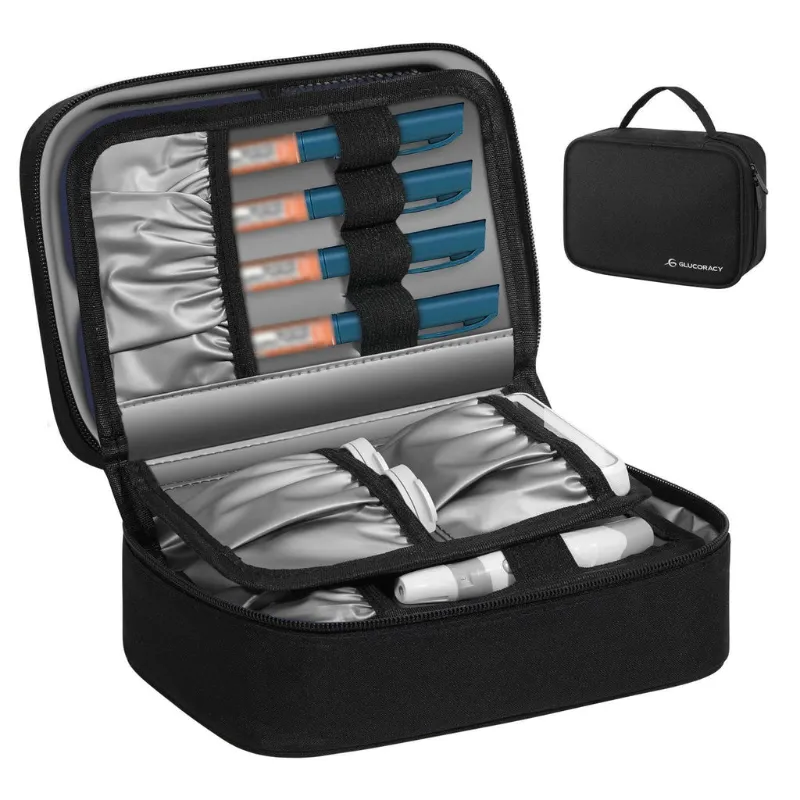
If you also use insulin, it needs its own care. Follow the storage instructions from the insulin maker and your pharmacist. When you travel, an insulin cooler travel case helps keep insulin away from heat during the day. Glucoracy sells it under several names, including insulin travel case cooler, insulin cooling case and insulin bag. Read the product page for how it keeps cool and for how long, and check that your insulin does not freeze or overheat.
Using safety lancets properly
Safety lancets are single use and hide the needle before and after the prick, which lowers the risk of an accidental needlestick. A general routine looks like this:
- Wash your hands with warm water and dry them well.
- Load the lancet or lancing device as the instructions describe.
- If there is a depth setting, start shallow and only go deeper if you do not get enough blood.
- Prick the side of your fingertip rather than the pad, and switch fingers from test to test.
- Touch the drop to the strip as your meter manual describes.
- Put the used lancet in a sharps container.
Never share lancets or reuse them. Ask your pharmacist how to dispose of sharps where you live.
Who the Glucoracy kit suits
A simple meter kit suits people who test at home, people newly told to check their blood sugar who want an easy start, and anyone who wants a portable kit for work or travel. It may not suit you if your care team wants you on a continuous glucose monitor, or if your insurance or health service covers a specific meter and strip brand. Check coverage before you buy, since strips add up over time. Always talk to your doctor, diabetes nurse or pharmacist about which meter to use and how often to test.
Getting your supplies
Glucoracy sells the meter kit, strips, lancets and a cooler case on its own site, so you can restock everything in one order. Before you check out, see the current Glucoracy discount code.
Questions
Is the Glucoracy blood glucose monitor accurate?
Check the product page and manual for the accuracy standard the maker says the meter meets. Accuracy also depends on technique: clean dry hands, strips that are in date and stored well, and a large enough blood drop. If a reading seems wrong, test again and talk to your care team.
Can I use any test strips with the Glucoracy meter?
No. Use only strips made for your meter. Other strips will not read correctly, even if they fit.
Do safety lancets hurt less than regular lancets?
Comfort varies from person to person. Using the side of the fingertip, starting with a shallow depth setting and switching fingers can make testing more comfortable.
How should I store test strips when I travel?
Keep them in the original container with the cap closed, away from heat, humidity and direct sun, and within the temperature range on the strip leaflet. Do not leave them in a hot car.
Is an insulin cooler case necessary?
It depends on your insulin, your trip and the weather. Follow the insulin maker's storage guidance and ask your pharmacist. A cooler case helps keep insulin away from heat during the day.
Products in this guide
 Shopping at Glucoracy? See the discount code
20% OFF All Orders
Shopping at Glucoracy? See the discount code
20% OFF All Orders
More in this series
Glucoracy Diabetes Supply Kit: What You Need to Know Before Buying8 Sep 20264 minInsulin Cooler Cases vs Regular Bags: What Actually Keeps Insulin Safe8 Sep 20264 minDo Safety Lancets Really Reduce Fingerstick Pain?8 Sep 20264 minHow to Keep Insulin Cool While Traveling: A Complete Guide8 Sep 20265 min