 A Booooom Jackson guide
Round Rugs vs. Rectangular: Which Shape Works Best for Playrooms and Kids’ Spaces
Round rugs fit better in playrooms and kids' spaces than rectangles because they soften corners, maximize floor play, and create safer, more inclusive gathering spots for groups.
Round rugs win for playrooms and kids’ spaces because they eliminate hard corners, give children more floor to move around safely, and naturally draw groups together for activities. Here’s what every parent, teacher, and caregiver should know before choosing.
Why Round Rugs Work Better in Kids’ Spaces
The safest playroom or classroom layout starts with furniture that won’t trap little fingers or cause bumps. Rectangular rugs leave sharp corners that stick into walking paths, but round rugs keep traffic flowing naturally around the edges. Kids who play with building blocks, toy vehicles, or art supplies benefit from the extra usable floor space a round shape offers, there’s no dead zone in the middle like you get with squared-off designs.
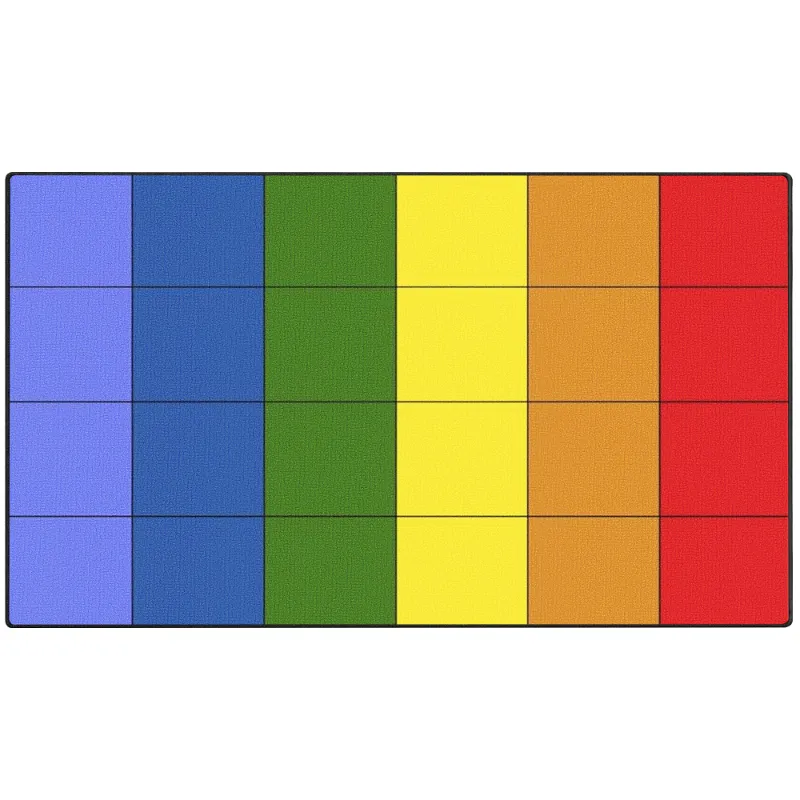
Round rugs also feel more inviting. When you place one down, children instinctively gather in a circle for stories, snacks, or games. That circular energy works with how young minds organize group play, which is why classroom rugs and playroom rug options dominate early-learning environments.
Safety and Soft-Corner Advantages
Rounded edges are the top safety win. Toddlers and preschoolers move unpredictably, they run, spin, fall, and pivot without warning. A sharp corner on a rectangular rug becomes a collision point; a round rug has no corners at all. When you’re setting up a playroom with climbing structures or active play zones, this matters.
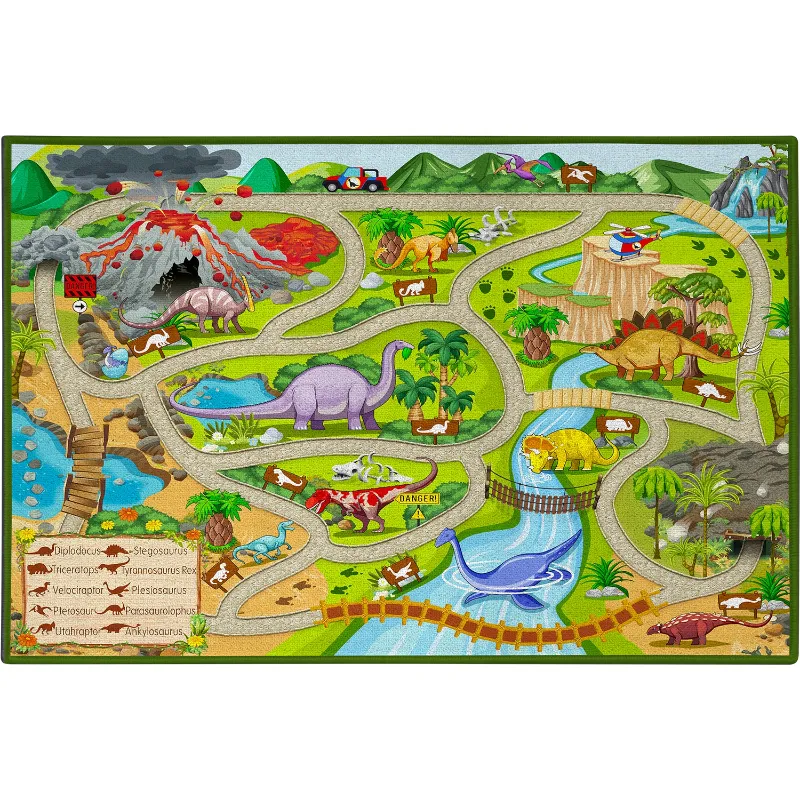
Round rugs also sit flat better on hardwood and tile because the weight distributes evenly around the perimeter. Rectangular rugs often curl or bunch at corners, creating trip hazards. If you have a kids rug in high-traffic hallways or classroom transitions, the stable lay-flat profile keeps everyone safer.
Round vs. Rectangular: Space and Flow Comparison
| Factor | Round Rugs | Rectangular Rugs |
|---|---|---|
| Corner safety | No sharp corners | Exposed corners |
| Group gathering | Natural circle orientation | Linear arrangement |
| Traffic flow | Edges stay clear of walkways | Corners create dead zones |
| Usable floor space | More active play area | Less central floor area |
| Visual openness | Makes rooms feel bigger | Can feel boxy |
Rectangular rugs work best in living rooms where furniture anchors the space and traffic moves in defined paths. Round shapes excel where open play is the goal. If you’re furnishing a playroom or classroom, the round shape will feel less cramped and more functional.
Material and Durability for Active Play
Kids spill, drag toys, and test surfaces constantly. We recommend round rugs made from durable synthetic fibers or wool blends that withstand daily wear.
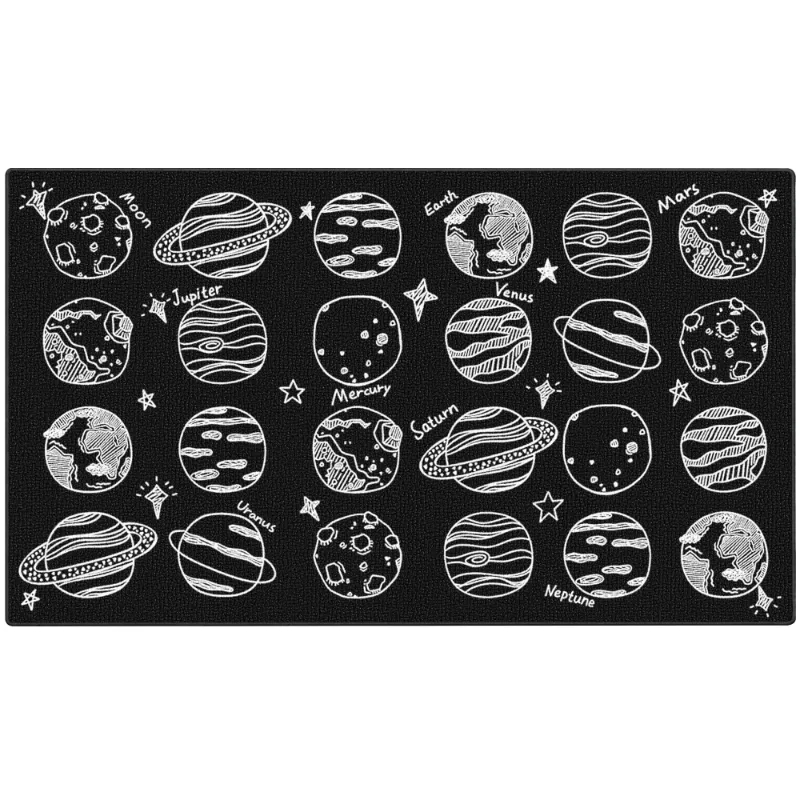
- Polypropylene: Budget-friendly, stain-resistant, washable, ideal for classroom carpet in schools
- Wool or wool blend: Soft, naturally stain-resistant, durable, premium feel for quieter spaces
- Nylon: Resilient, holds color well, easy to clean, works for high-traffic play rug zones
- Felt or natural fibers: Eco-friendly, cozy underfoot, may require more care
For real-world playroom use, we favor synthetics because they handle juice spills, marker accidents, and daily foot traffic. When choosing between options, check the manufacturer’s care guide and test stain resistance if possible.
Themed Round Rugs That Spark Learning and Play
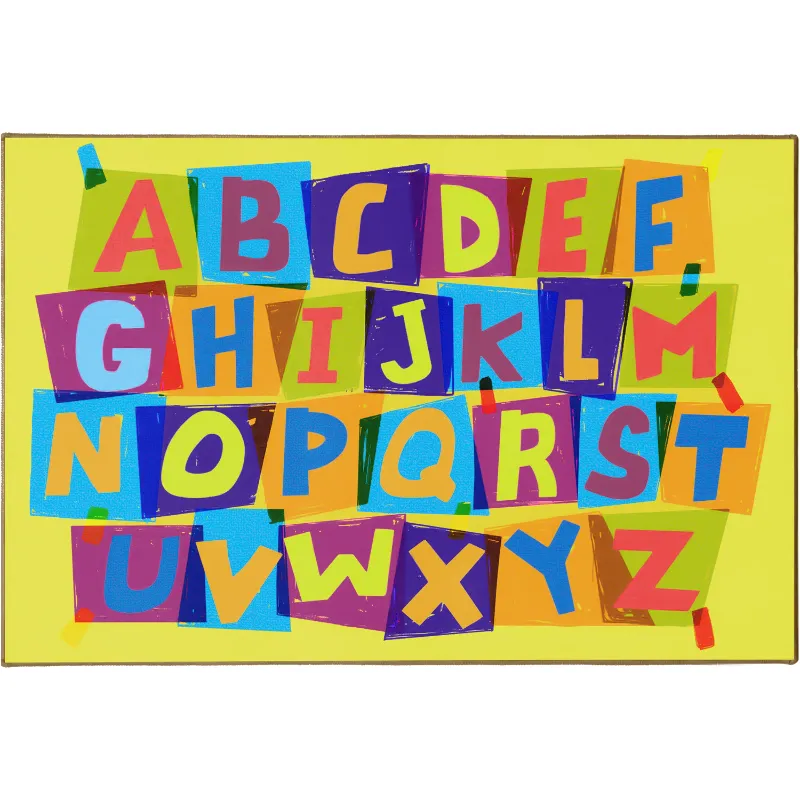
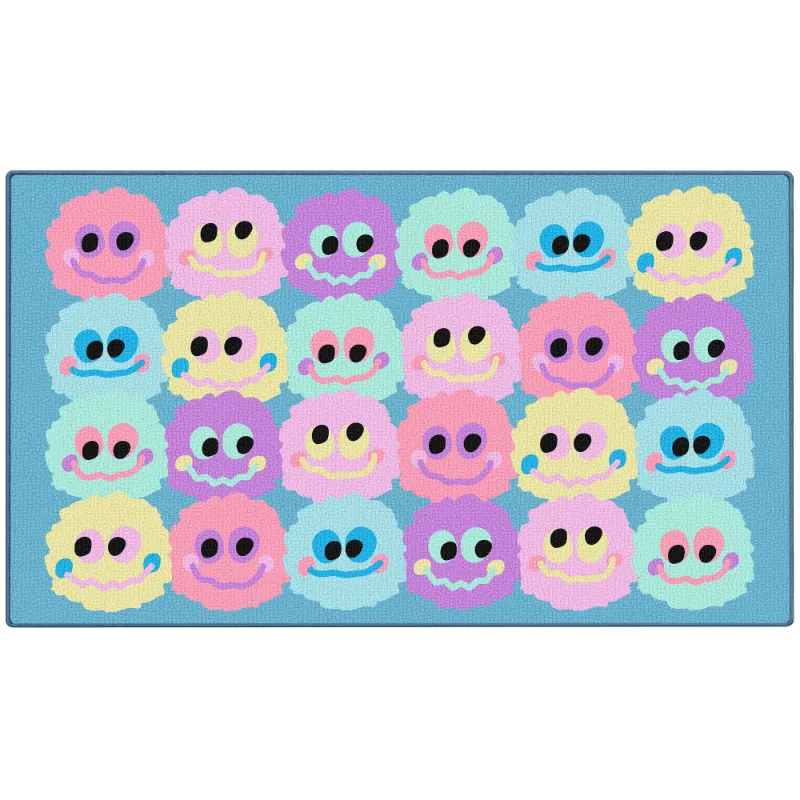
Specialized round rugs designed specifically for kids bring learning into the play zone. ABC rug options teach letters and phonics during floor time. Hopscotch rug designs encourage movement and counting games. Star rug, daisy rug, and smiley face rug designs appeal to younger kids and inject color and character into neutral rooms.
For preschool classrooms, city playmat designs let children build and organize toy cars and streets right on the rug. The themed surface keeps play focused and makes cleanup easier because the boundary is built in.
If you’re shopping for multiple rugs, 3 round rugs in staggered sizes create depth and define different activity zones without walling them off. A large central rug anchors group time; smaller circles mark reading corners or toy zones.
Sizing: How Large Should a Round Rug Be?
Room size and intended use drive the choice.
- Small playrooms (6×8 ft): 4- to 5-foot round rug is plenty
- Medium playrooms (10×12 ft): 6- to 8-foot round rug centers the space
- Large rooms or classrooms: 8 foot round rugs for dining room and play areas give everyone room to sit and move
- Hallways or transition zones: 3- to 4-foot accent rugs define the path
Measure your space and leave at least 18 inches of floor visible around the rug edge so furniture legs stay clear and the room doesn’t feel crowded. A round rug that’s too small looks awkward; one that’s too large dominates and reduces walking room. Test the footprint first if you can.
When Rectangular Makes Sense (and When It Doesn’t)
Rectangular rugs still have a place in family homes. They work well in formal living areas where seating is symmetrical and traffic patterns are defined. But in playrooms, classrooms, and children’s bedrooms, they create inefficiency.
The trade-off: rectangles are cheaper and fit more standard room layouts. If your playroom is L-shaped or has heavy furniture anchoring corners, a rectangle might work. For open-plan play spaces or gathering-focused classrooms, round wins every time.
Looking for the right round rug for your space? Grab the code to get 5% off all orders and compare round rugs and themed designs like kids rugs from Booooom Jackson. Check the latest price and current options to find the shape and size that fits your room’s needs.
Questions
Are round rugs harder to fit under furniture?
Round rugs work best with open layouts, but they do fit under tables and chairs. Place a round rug under a dining table so all seats touch it, or use one to anchor a seating cluster in a playroom. The key is leaving clear walking space around the edge.
What's the best round rug size for a small playroom?
A 4- to 5-foot round rug works well in rooms under 100 square feet, giving kids a defined play zone without crowding the space. Measure first and aim to leave at least 18 inches of floor visible on all sides.
Can I use round rugs in a classroom with multiple activity centers?
Yes, round rugs are ideal for classrooms. Use one large central rug for group time and smaller accent rugs to define reading or toy zones. The circular shape encourages gathering and makes transitions between activities easier to manage.
Do round rugs stay in place better than rectangular ones?
Round rugs typically lay flat and stay put better because weight distributes evenly around the perimeter. Use a non-slip rug pad underneath on slippery floors like tile or hardwood to prevent sliding.
Which material is easiest to clean for active kids?
Polypropylene and nylon synthetic blends handle spills and stains best. They're machine-washable or spot-clean friendly, making them ideal for playrooms and classrooms where messes are normal.
Are large round rugs like 8 foot round rugs more expensive than rectangular options?
Price depends on material and brand, not shape alone. Compare options on the Booooom Jackson store and [check the latest price](/booooom-jackson-discount-code/) to find the best value for your budget and needs.
Products in this guide
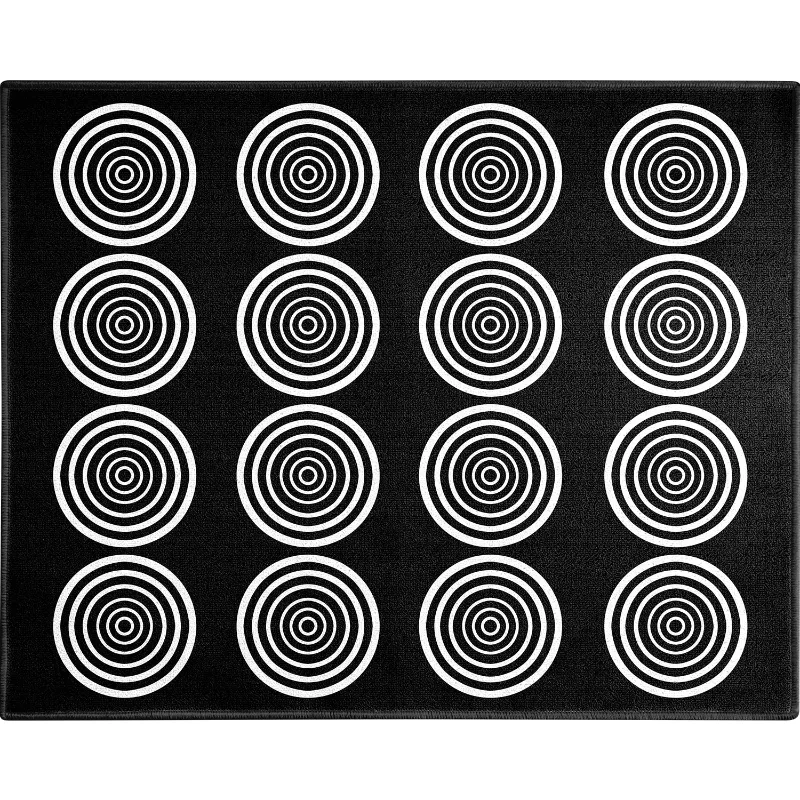
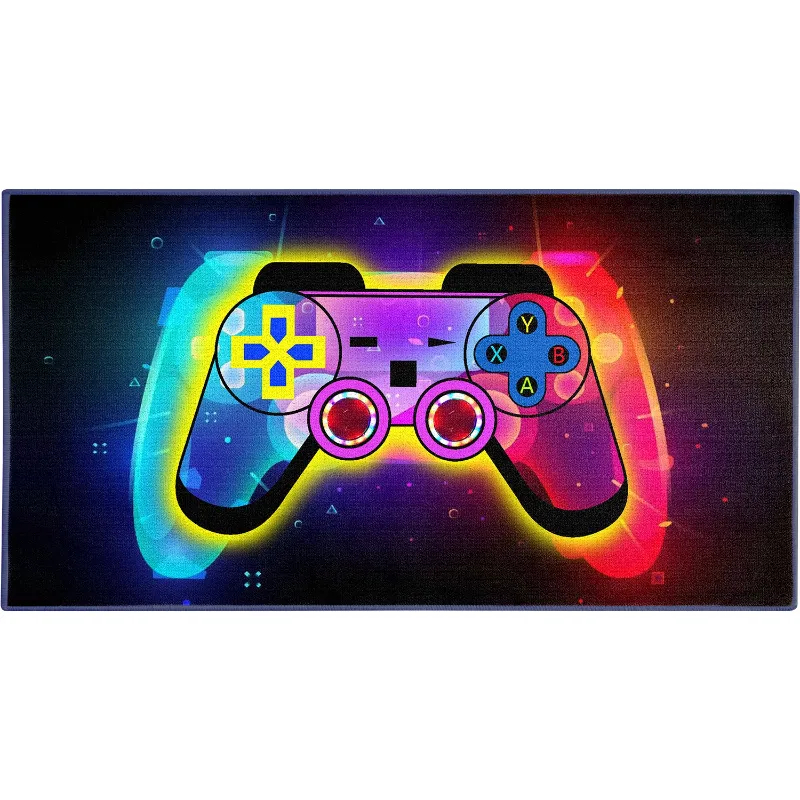
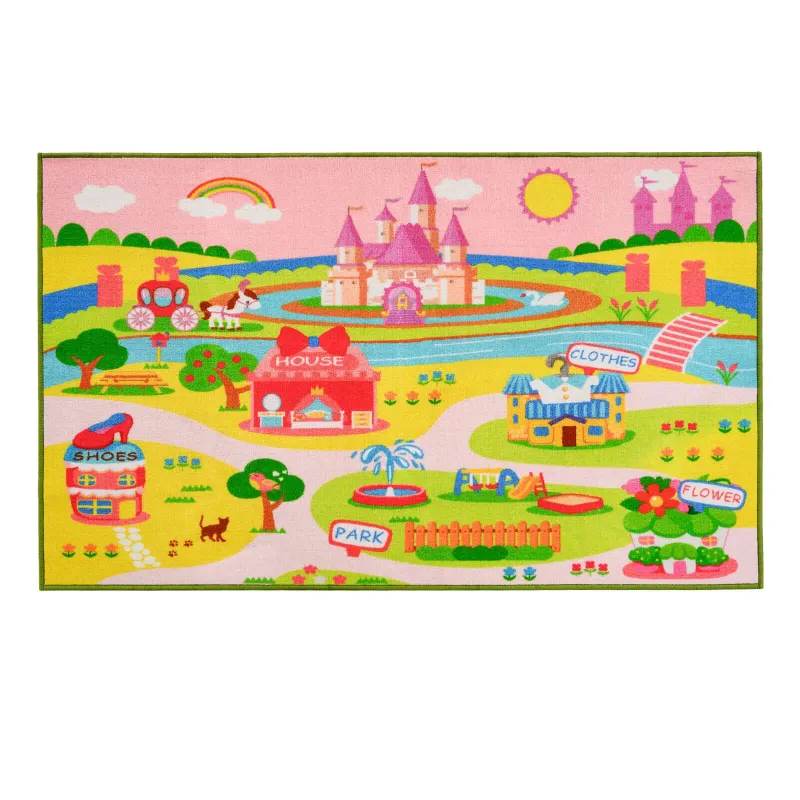
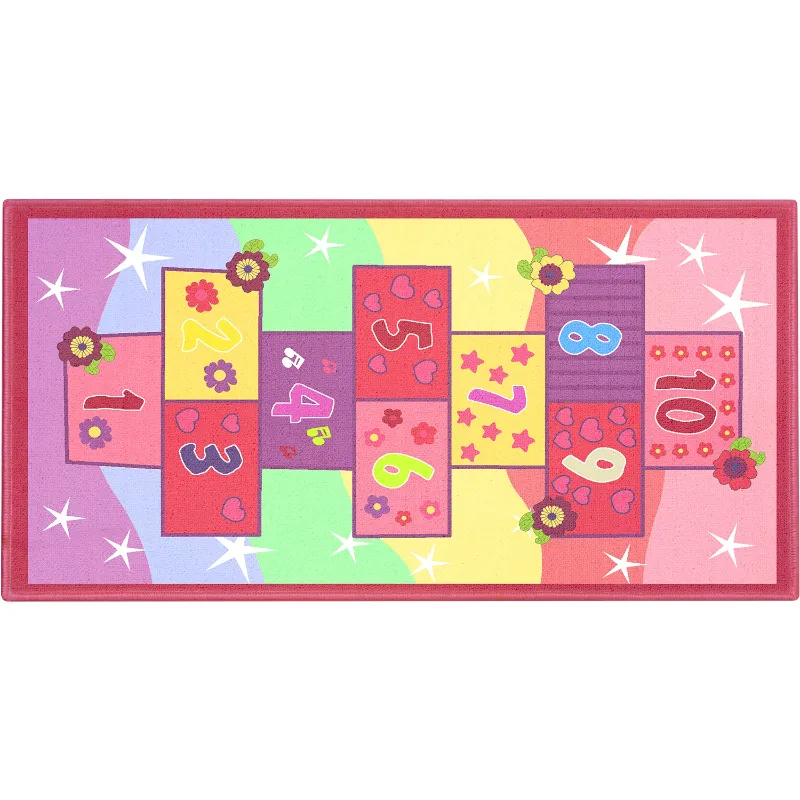 Shopping at Booooom Jackson? See the discount code
5% OFF All Orders
Shopping at Booooom Jackson? See the discount code
5% OFF All Orders
More in this series
 Smiley Face Rugs, Hopscotch Rugs, and City Playmats: Adding Fun Designs to Learning Areas31 Aug 20263 minDo Classroom Carpets Actually Hold Up to Heavy Foot Traffic?31 Aug 20264 minHow to Choose an ABC Rug or Educational Playmat that Grows with Your Child31 Aug 20264 minBest Rugs for Classrooms: Durability, Safety, and Design for Active Learning Spaces31 Aug 20263 min