 A Booooom Jackson guide
Best Rugs for Classrooms: Durability, Safety, and Design for Active Learning Spaces
Round rugs designed for classrooms combine durability, safety, and engaging patterns that support active learning while standing up to daily wear.
Choosing the right rug for a classroom means balancing durability, safety, and visual appeal, and round rugs offer a smart solution that ticks all three boxes. Classroom spaces demand flooring that can handle constant movement, spills, and the energy of active learners while creating an inviting environment that supports focus and play.
This guide covers what makes a classroom rug work, how to pick the right size and material, and which designs actually hold up to real classroom use.
Why Round Rugs Work in Classroom Spaces
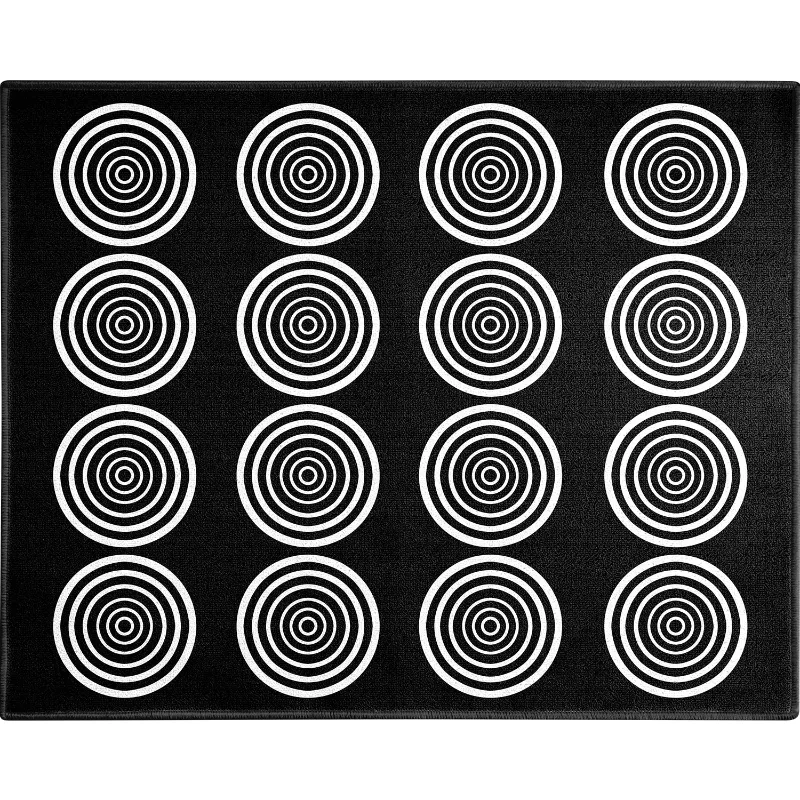
Round rugs create a defined learning zone without the sharp corners that can pose safety risks in high-traffic areas. Unlike rectangular options, round rugs work well in corners, under reading nooks, or as a central gathering space.
- Safer design for active movement and transitions
- Natural focal point that draws students together
- Easier to clean around and reposition as needs change
- Versatile enough to work in classrooms, playrooms, and home learning spaces
Classroom rugs specifically designed for educational settings come reinforced at stress points and use stain-resistant materials that handle marker spills, food, and tracked-in dirt without lasting damage.
Materials That Stand Up to Classroom Wear
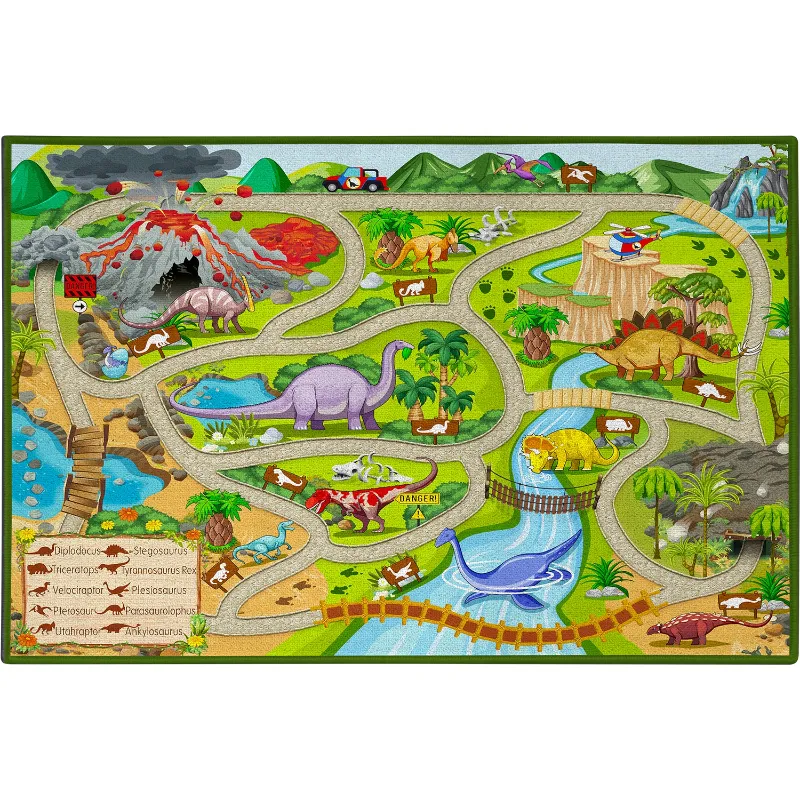
The right material is the backbone of durability. Most quality kids rugs and classroom options use polypropylene blends or wool-rich construction, each offering different benefits.
| Material | Durability | Stain Resistance | Best For |
|---|---|---|---|
| Polypropylene | High | Excellent | Heavy-traffic classrooms, budget-conscious schools |
| Wool blend | Very High | Good | Quiet spaces, longer-term investment |
| Nylon | High | Very Good | Mixed-use playrooms, frequent deep cleaning |
Classroom carpet options in polypropylene are nearly stain-proof and dry quickly, making them ideal for younger students. Wool blends offer durability with better acoustics, helping reduce noise in busy learning environments. Check for solution-dyed fibers rather than printed dyes, they resist fading and are easier to spot-clean.
Size and Shape for Different Classroom Layouts

Sizing matters as much as material. A playroom rug sized for a classroom should cover enough floor space to define the learning area without overwhelming the room.
- Small classrooms (under 200 sq ft): 5-6 foot round rugs
- Medium classrooms (200-400 sq ft): 8-10 foot round rugs
- Large spaces or whole-room coverage: 12+ foot round rugs
Round rugs work especially well in classrooms where you need flexible, multipurpose zones. They’re easier to arrange in reading corners, around easels, or under tables than traditional rectangular classroom carpets.
Design Patterns That Engage Without Distracting
The visual design of a classroom rug affects both learning and behavior.
Popular options include:
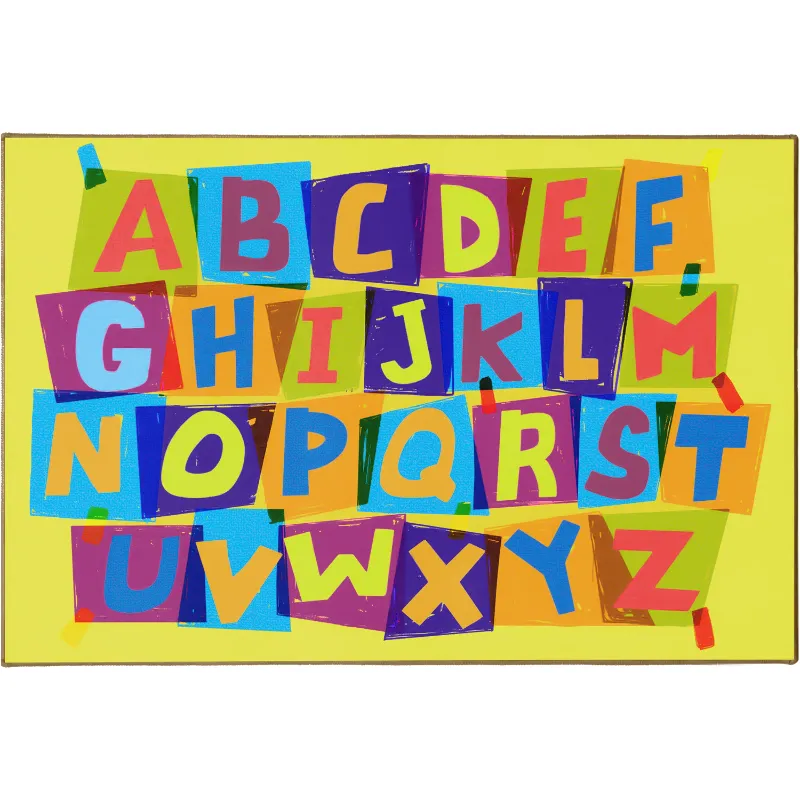
- ABC Rug: Alphabet and number designs support early literacy and numeracy skills
- Hopscotch Rug: Interactive designs encourage active play and movement
- Star Rug: Calming celestial patterns work in reading corners and quiet spaces
- Daisy Rug: Soft floral designs create a welcoming classroom atmosphere
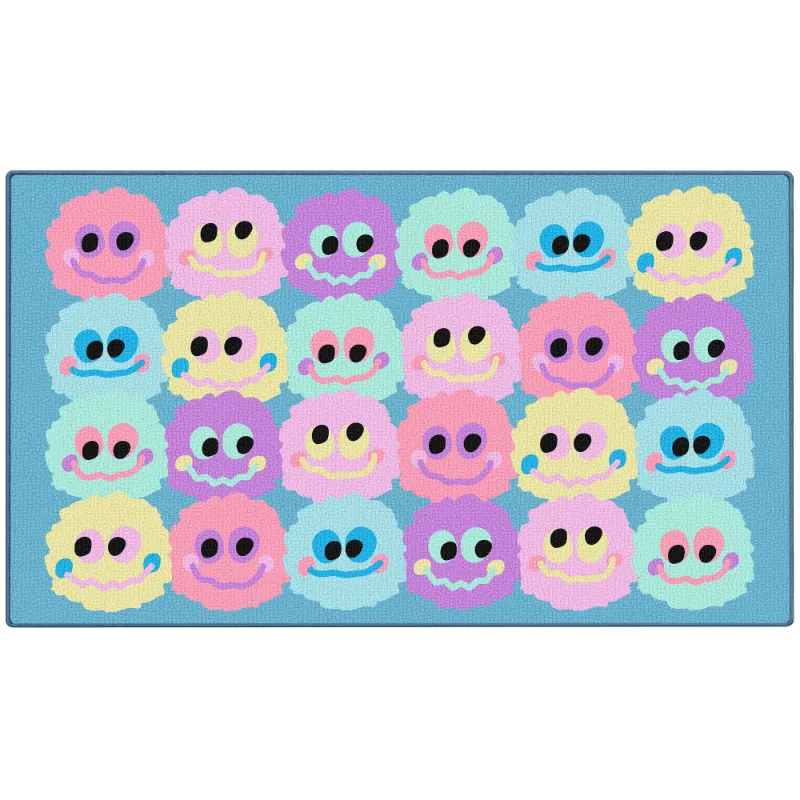
- Smiley Face Rug: Bright, cheerful patterns boost mood and engagement
If you’re looking for broader pattern options, round rugs come in solid colors, geometric layouts, and thematic designs. Avoid overly busy patterns if the classroom is already visually stimulating; simpler designs help students concentrate on instruction.
Where Round Rugs Fit Beyond Classrooms
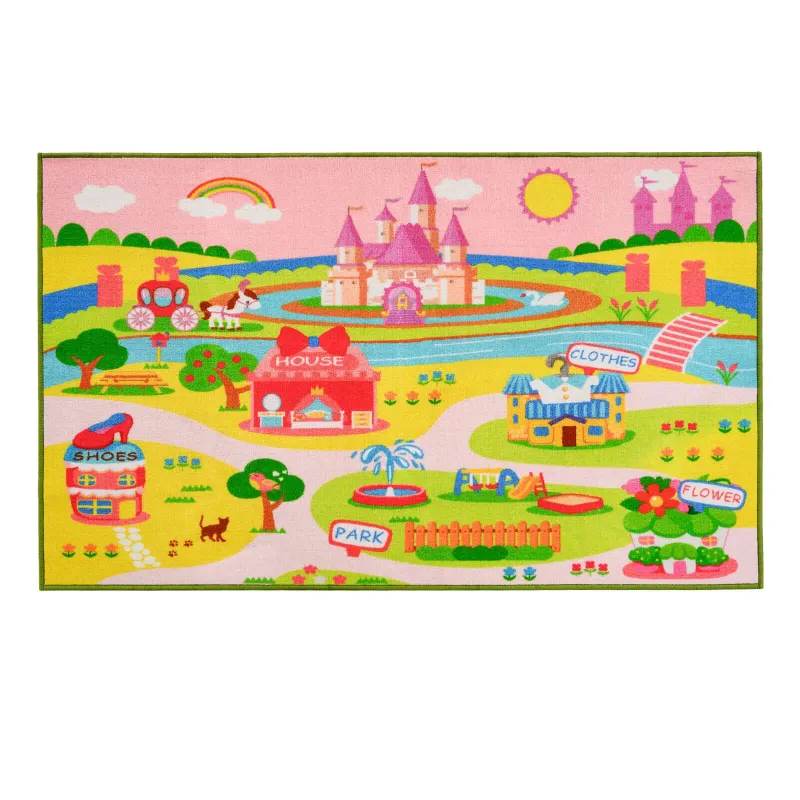
While designed for educational settings, classroom rugs and related styles work just as well in home learning spaces and playrooms. A play rug or city playmat brings the same durability and safety features to living rooms, basements, and dedicated play areas.
Teachers and parents appreciate the same benefits: easy cleanup, defined play boundaries, and engaging visuals that support learning and creativity.
Care and Maintenance for Long-Term Performance
Classroom rugs take a beating, so maintenance directly extends their lifespan. Kids rugs and heavy-duty classroom options typically need:
- Weekly vacuuming to handle tracked-in dirt and debris
- Spot cleaning with mild soap and water for spills
- Annual deep cleaning to refresh fibers and remove odors
- Quick drying to prevent mildew, especially in humid climates
Most polypropylene round rugs dry within hours of spot cleaning, making quick cleanup between classes or activities realistic. Wool blends take longer but resist odor buildup better over time.
Getting the Best Deal on Classroom Rugs
Quality classroom rugs represent a solid investment in your learning space. When shopping at Booooom Jackson, grab the code to save 5% on all orders, including our full range of classroom carpet and playroom rug options.
We recommend starting with a single rug in high-traffic zones, testing durability in your specific environment, then expanding coverage if needed. This approach lets you dial in the size and material that works best before committing to a larger investment.
For more inspiration on round rug options beyond classrooms, check out Round Rugs or browse specialized options from Round Area Rugs by Nourison Home. Both offer wider size ranges if you’re comparing styles for other spaces.
Questions
What size round rug do I need for a typical classroom?
For most classrooms (200-400 sq ft), an 8-10 foot round rug works well as a central gathering space or reading corner. Smaller classrooms benefit from 5-6 foot options, while larger spaces may need 12+ feet to cover more ground.
Are round rugs easier to clean than rectangular classroom carpet?
Yes, round rugs are often easier to maintain because spills and dirt concentrate in defined zones rather than spreading along edges. Most polypropylene classroom rugs dry quickly and respond well to spot cleaning with mild soap and water.
Which pattern works best for active learning, the ABC Rug or Hopscotch Rug?
The ABC Rug supports early literacy skills with letters and numbers, while the Hopscotch Rug encourages movement and interactive play. Choose based on your students' age and learning focus; younger students often respond better to alphabet designs, while mobile learners benefit from movement-based patterns.
Can I use round rugs in a playroom at home as well as in a classroom?
Absolutely. Classroom rugs, play rugs, and related kids rugs are built with the same durability and safety standards, making them ideal for home playrooms, basements, and learning corners alongside traditional educational settings.
Do polypropylene round rugs stain easily?
No, polypropylene is naturally stain-resistant and solution-dyed, meaning colors resist fading and spills wipe clean without setting. They're one of the best choices for classrooms where marker, food, and dirt are common.
How often should I deep clean a classroom rug?
Plan for annual deep cleaning to refresh fibers and remove odors, with weekly vacuuming and spot cleaning as needed. High-traffic classrooms may benefit from cleaning twice yearly, especially if spill incidents are frequent.
Products in this guide
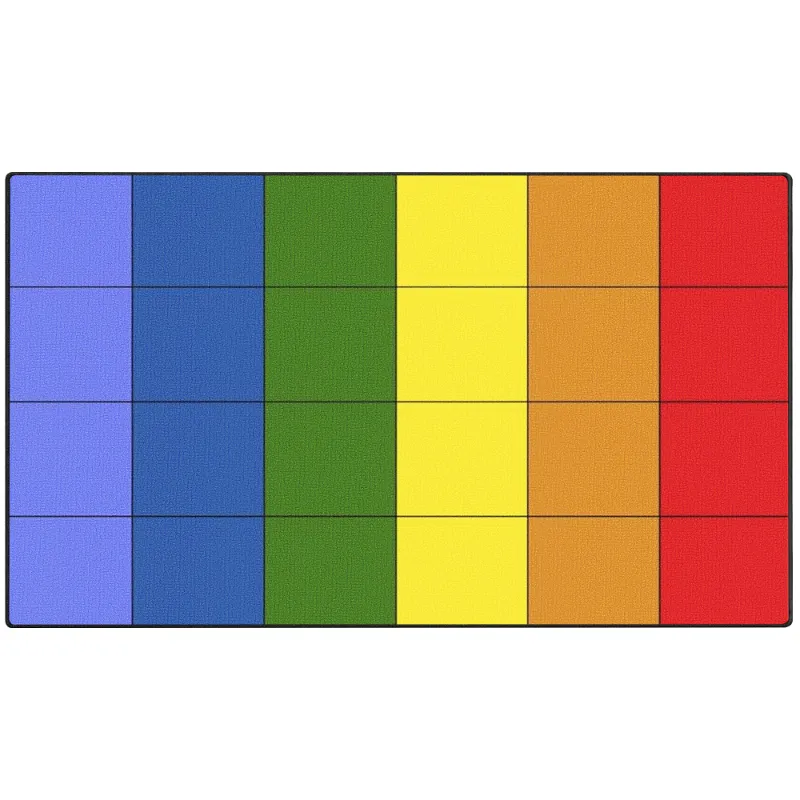
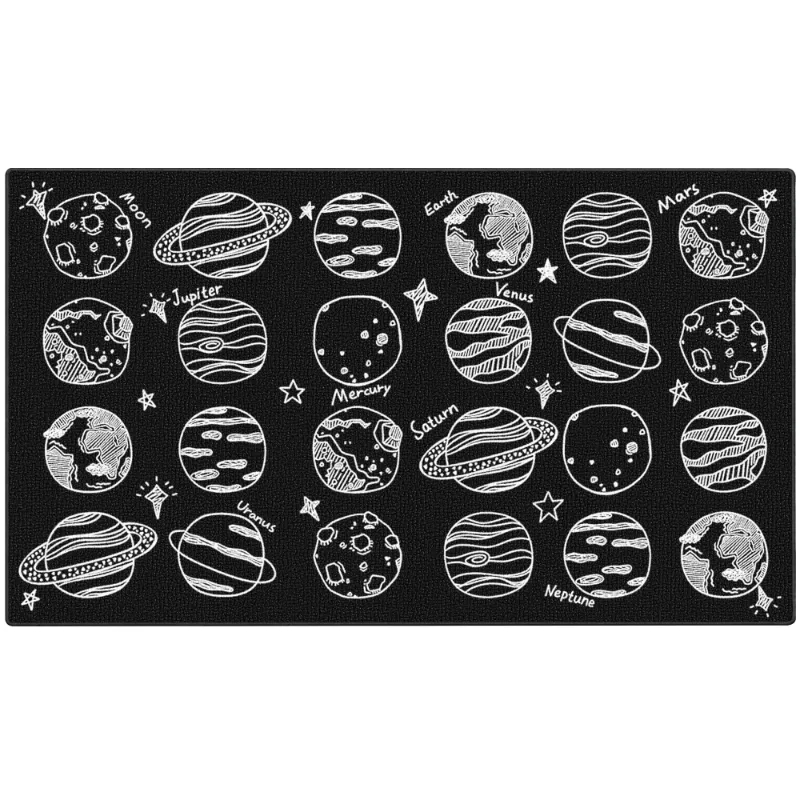
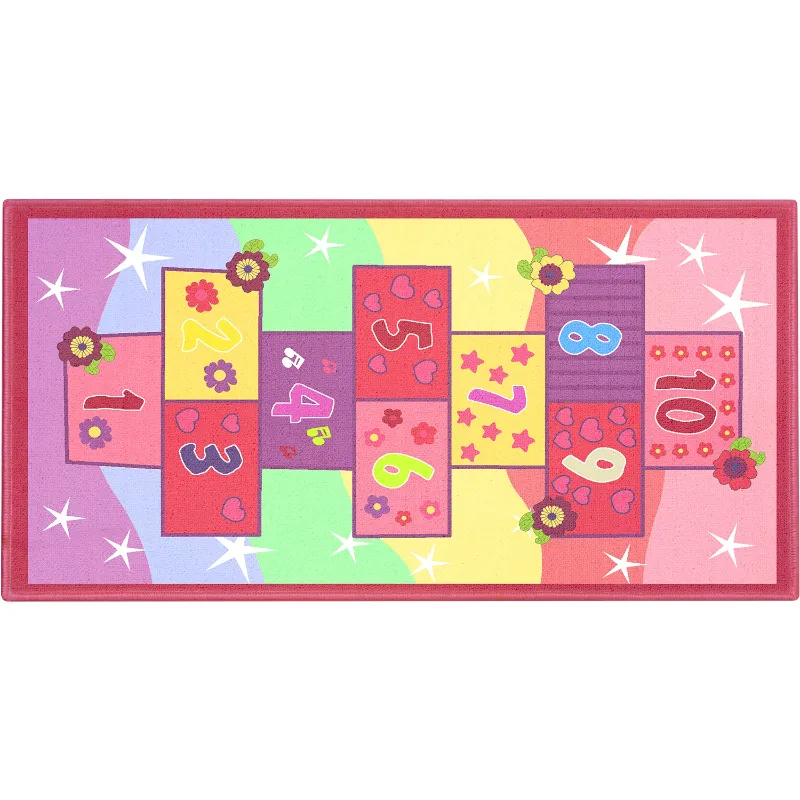
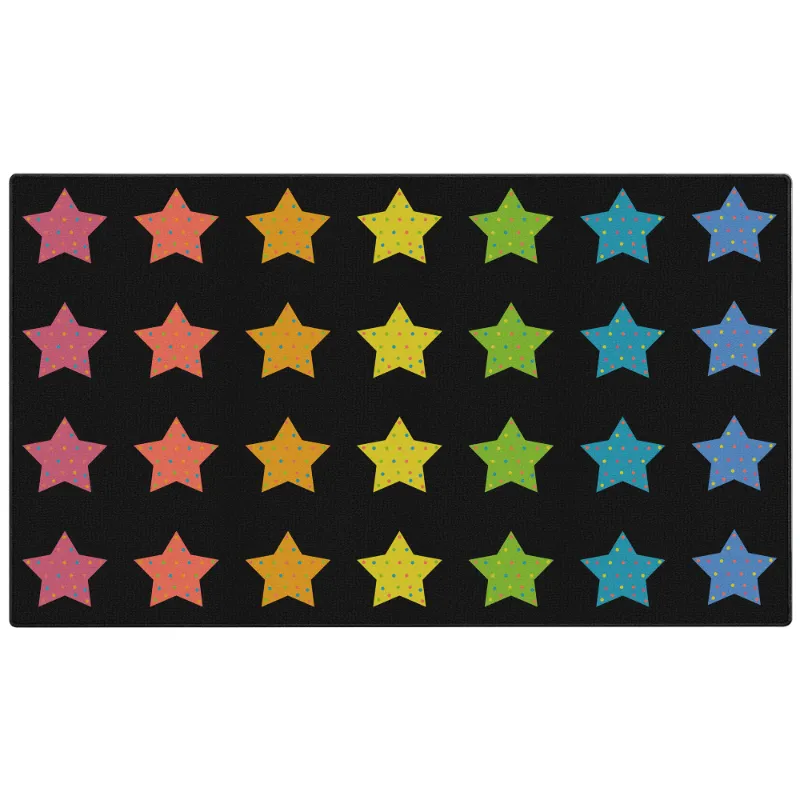 Shopping at Booooom Jackson? See the discount code
5% OFF All Orders
Shopping at Booooom Jackson? See the discount code
5% OFF All Orders
More in this series
 Smiley Face Rugs, Hopscotch Rugs, and City Playmats: Adding Fun Designs to Learning Areas31 Aug 20263 minDo Classroom Carpets Actually Hold Up to Heavy Foot Traffic?31 Aug 20264 minHow to Choose an ABC Rug or Educational Playmat that Grows with Your Child31 Aug 20264 minRound Rugs vs. Rectangular: Which Shape Works Best for Playrooms and Kids’ Spaces31 Aug 20264 min