 A Booooom Jackson guide
How to Choose an ABC Rug or Educational Playmat that Grows with Your Child
An abc rug teaches letters and numbers through play, but finding one that actually grows with your child means understanding size, material, and design fit for both toddlers and preschoolers.
An abc rug teaches letters and numbers through play, but finding one that actually grows with your child means understanding size, material, and design fit for both toddlers and preschoolers. Whether you’re outfitting a classroom or a playroom at home, the right educational rug becomes a learning anchor that your child engages with daily.
What Is an ABC Rug and Why It Matters
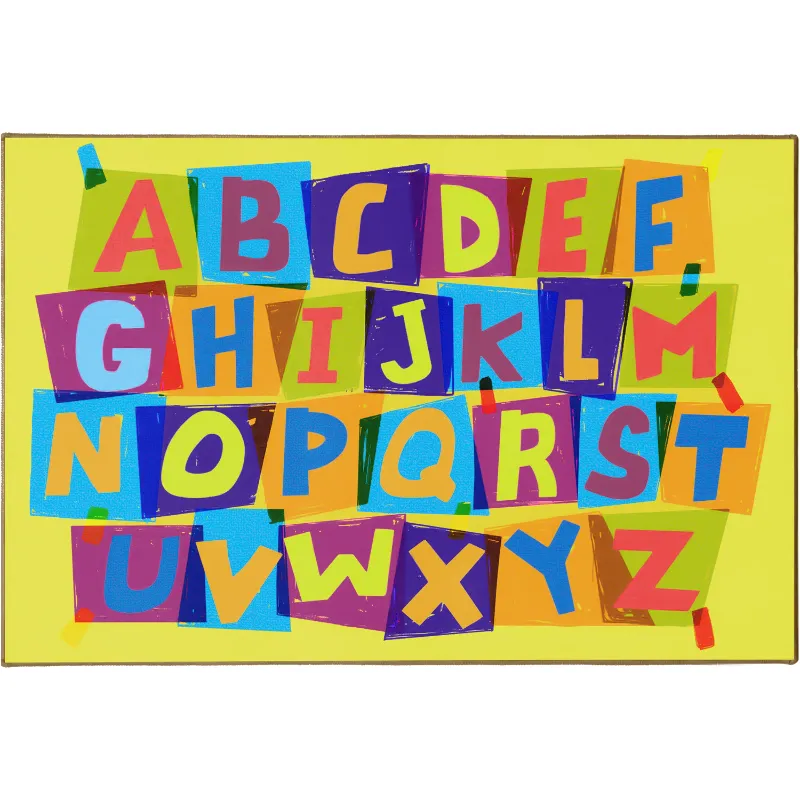
An abc rug is an interactive floor covering printed with alphabet letters, numbers, shapes, or other learning elements. Unlike generic kids rugs, an abc rug serves dual purpose: it anchors a play or learning zone while reinforcing letter recognition, phonics, and counting through tactile, visual repetition.
An abc rug for playroom use handles rougher play, while an abc rug for classroom environments needs to support group activities and frequent rearrangement.
Sizing Your ABC Rug for the Space
Size is the first filter. A small abc rug (typically 3×5 or 4×6 feet) works for individual play areas or compact bedrooms. A larger 8×10 abc rug anchors an entire classroom or open playroom, giving multiple children room to sit, crawl, or gather during group learning.
Consider the space and how the rug will be used:
- Under 50 sq ft: A small play rug or 3×5 abc rug suits a corner or bedroom.
- 50-100 sq ft: A 5×8 or 6×9 size lets toddlers and preschoolers move freely without crowding.
- 100+ sq ft: An 8×10 abc rug or larger classroom rug handles group circle time and multiple children playing simultaneously.
Round rugs offer aesthetic appeal and safety (no sharp edges for toddlers), while rectangular rugs fit standard room layouts. Round rugs work well in cozy reading nooks, and classroom carpet typically comes in rectangular shapes for standard classroom floor plans.
Comparing Learning Designs and Patterns
The design you choose shapes how your child engages with the rug. Each pattern suits different ages and learning goals:
| Design | Best For | Longevity |
|---|---|---|
| Classic alphabet and numbers | Ages 2-4, letter recognition | Grows with child into early writing |
| Hopscotch or grid layout | Ages 3-5, counting and coordination | Engages older preschoolers longer |
| Thematic (city, animals, shapes) | Ages 2-3, exploratory play | Shorter engagement window, great for mixed ages |
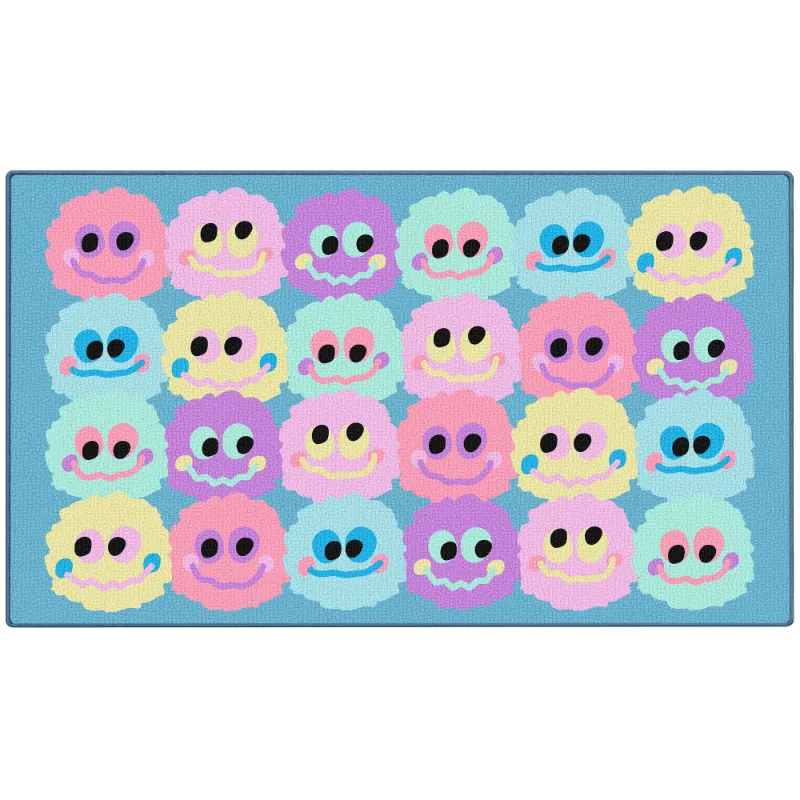
| Smiley faces and bright patterns | Ages 1-3, sensory stimulation | Best for very young toddlers |
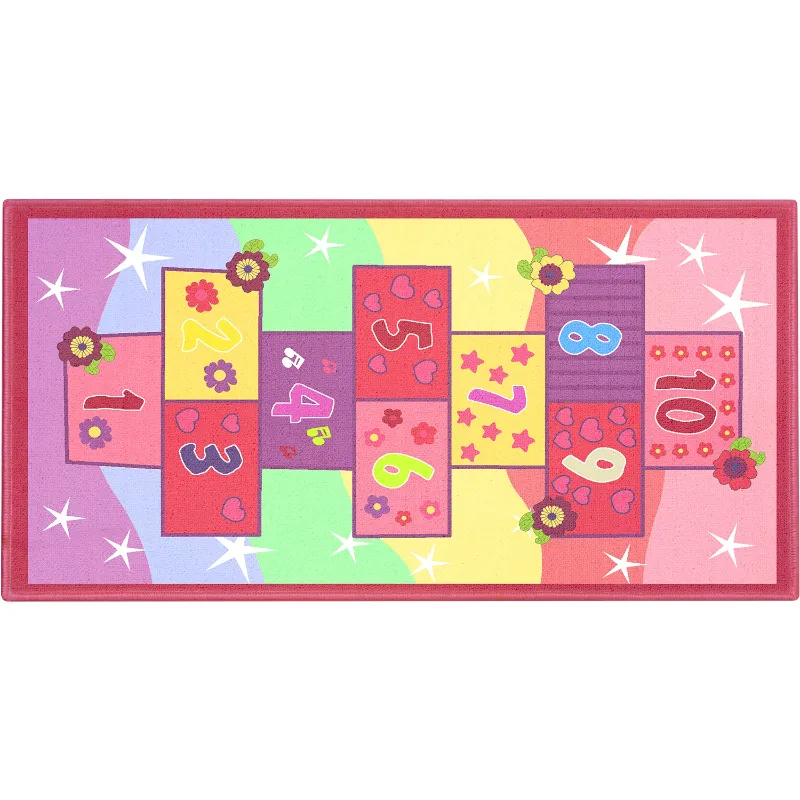
An abc rug round in classic letter design adapts well as your child grows from letter identification to phonics practice. The hopscotch rug extends play longevity because jumping and counting games appeal to toddlers and older preschoolers alike.
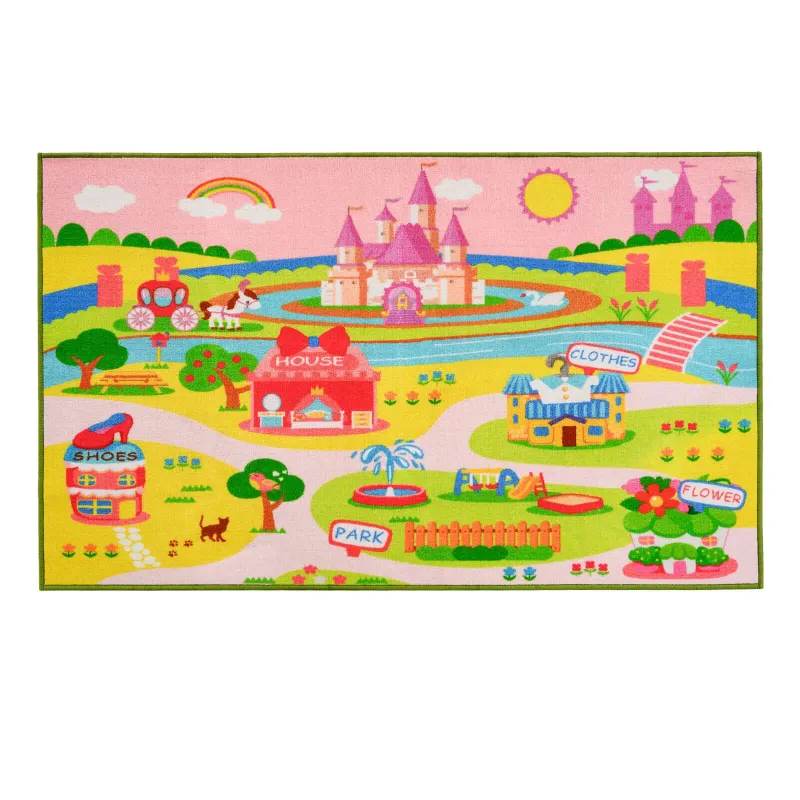
Themed rugs like our city playmat introduce spatial reasoning and imaginative play, while daisy rug and smiley face rug designs appeal to younger toddlers who respond to bold, cheerful visuals. Star rug designs work across age ranges because stars naturally inspire counting and color games.
Material Quality and Durability
An abc rug for playroom or classroom use takes real abuse.
Polypropylene blends are stain-resistant and affordable but wear faster under heavy traffic. Wool or wool-blend rugs last longer and handle mess better, though they cost more upfront. The backing matters too: non-slip rubber or latex prevents sliding on hard floors, which is critical for safety in busy classrooms.
Classroom rugs typically prioritize durability and stain resistance over luxury feel because they handle group wear. Kids rugs should have secure binding on edges to resist fraying after months of crawling and tumbling.
Check that your chosen rug has been tested for off-gassing and meets safety standards for children’s products. Look for low-VOC certifications and non-toxic dyes, especially if your child spends hours on the rug daily.
Care and Maintenance That Lasts
The rug you pick is only as good as your ability to keep it clean. Rugs with tightly woven fibers resist dirt better than loose weaves. We recommend vacuuming once or twice weekly and spot-cleaning spills immediately.

For an abc rug in a playroom, a washable or wipeable surface speeds cleanup. Some playroom rugs are designed for outdoor use, meaning they dry quickly and resist moisture and mildew. Others benefit from occasional professional cleaning to extend their life.
Rotate the rug every few months to even out wear patterns, especially in high-traffic zones like reading corners or circle-time areas.
ABC Rug Options for Different Ages and Spaces
A toddler (12-24 months) benefits from a smaller play rug with bold, high-contrast graphics and simple shapes. The engagement is tactile and visual rather than letter-focused.
Preschoolers (2-4 years) thrive with an abc rug that invites interaction: hopscotch grids for jumping, numbers for counting, and letters for naming. An abc rug for classroom use at this age becomes part of group circle time and phonics lessons.
Older preschoolers and early kindergarten (4-5 years) engage deeper with layered designs. A star rug or city playmat supports imaginative play and problem-solving, while the alphabet elements reinforce early reading skills.
For classrooms specifically, classroom carpet and classroom rugs are sized and designed to support group activities and frequent rearrangement without buckling or curling.
Where to Buy and Save
Booooom Jackson offers a range of educational rugs from classic abc rugs to specialty designs like daisy rugs and city playmats. Check the latest price and grab our current 5% discount on all orders to stretch your budget further.
Start with your space and your child’s current age, then look at design and durability. The right abc rug becomes an investment in learning that your child uses daily for years, not just a pretty floor covering that sits unused.
Questions
What size abc rug is best for a playroom?
For a playroom, we recommend 5x8 to 8x10 feet so multiple children can play comfortably without crowding. An 8x10 abc rug gives enough space for movement, group activities, and room to rearrange furniture around it.
Can an abc rug work for both toddlers and preschoolers?
Yes, if you choose a design with layered appeal like a hopscotch rug or one with numbers and letters. Toddlers engage with colors and shapes, while preschoolers use the same rug for counting, letter practice, and games that grow with them.
How do I keep an abc rug clean in a classroom?
Vacuum twice weekly and spot-clean spills immediately to prevent staining. Choose a classroom rug with stain-resistant polypropylene or wool blend, and consider having it professionally cleaned once or twice a year for heavy-use environments.
Is a round rug better than a rectangular abc rug?
Round rugs are safer for toddlers (no sharp corners) and work well in cozy corners, but rectangular classroom rugs fit standard room layouts and seat more children in circle time. Your choice depends on your space and how you plan to use it.
What should I look for in an abc rug for safety?
Look for low-VOC certifications, non-toxic dyes, secure edge binding, and a non-slip backing. Check that the rug meets safety standards for children's products and has been tested for off-gassing.
How long does an abc rug typically last with daily use?
A quality wool or wool-blend abc rug lasts 3-5 years with daily classroom or playroom use; polypropylene blends typically last 2-3 years. Durability depends on traffic, maintenance, and material grade.
Products in this guide
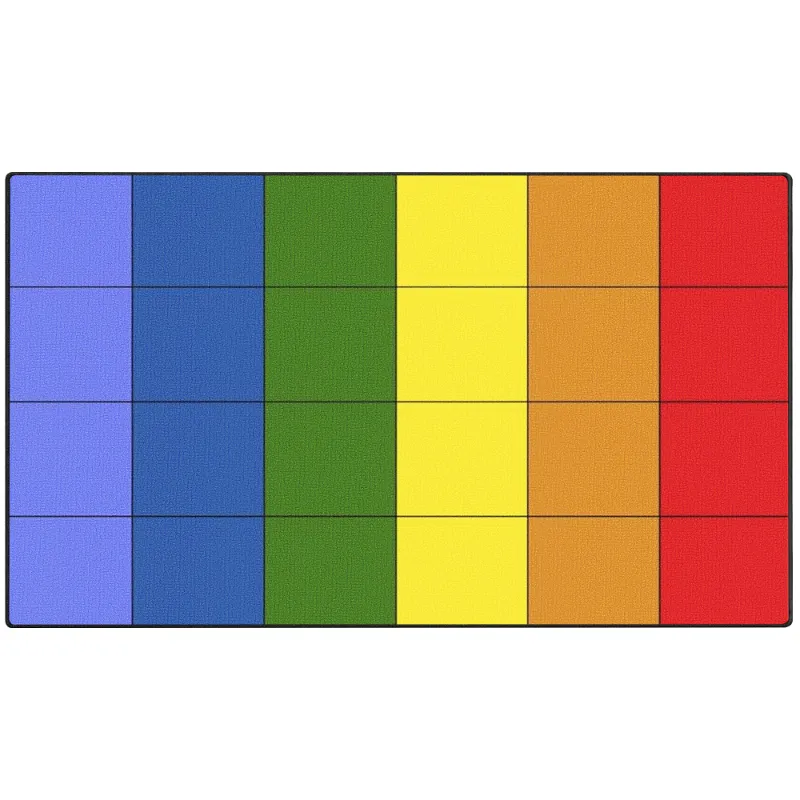

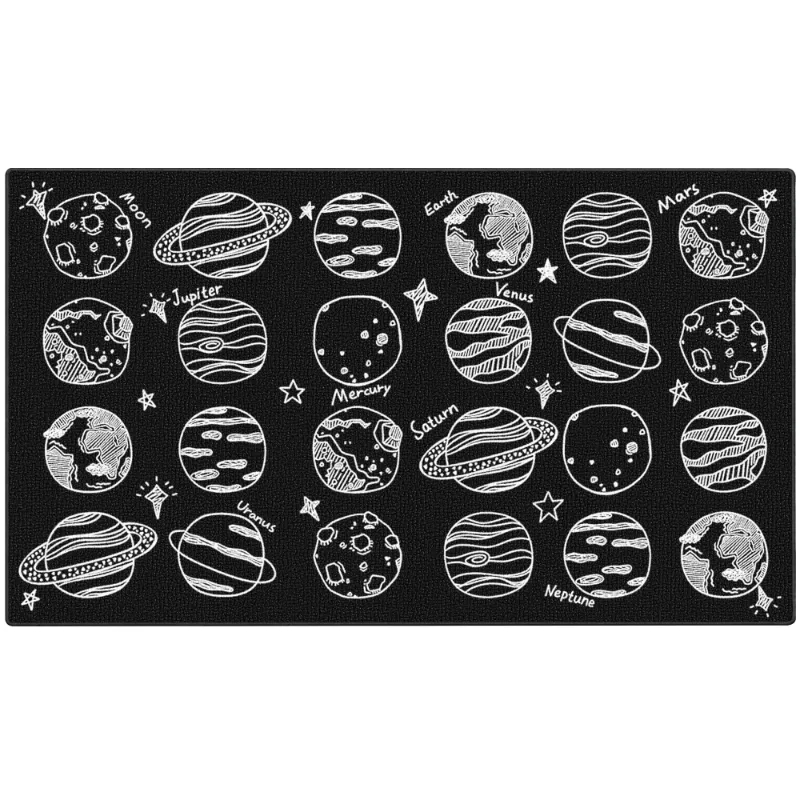
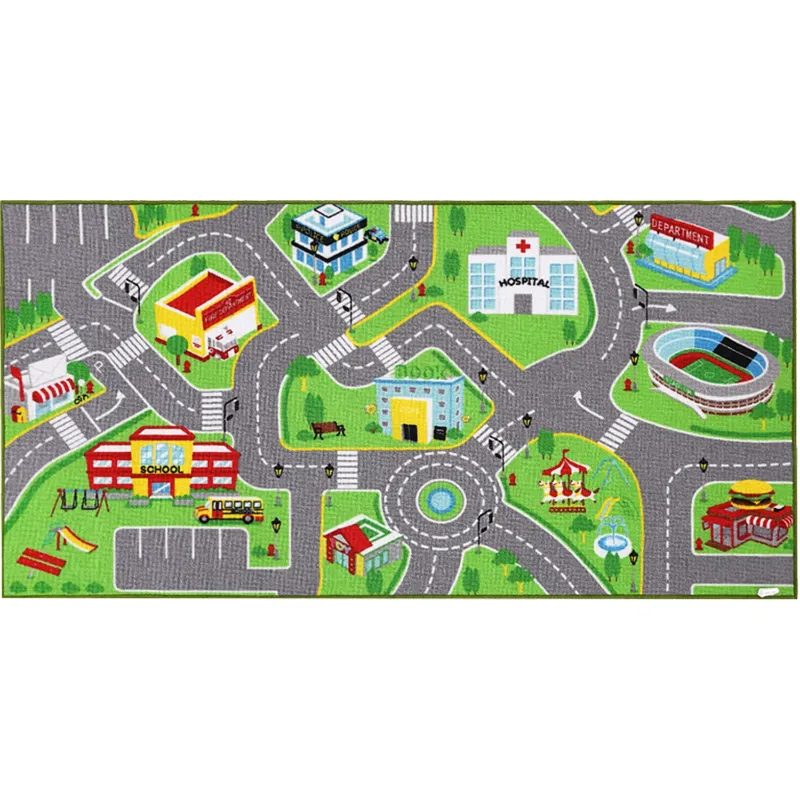 Shopping at Booooom Jackson? See the discount code
5% OFF All Orders
Shopping at Booooom Jackson? See the discount code
5% OFF All Orders
More in this series
 Smiley Face Rugs, Hopscotch Rugs, and City Playmats: Adding Fun Designs to Learning Areas31 Aug 20263 minDo Classroom Carpets Actually Hold Up to Heavy Foot Traffic?31 Aug 20264 minRound Rugs vs. Rectangular: Which Shape Works Best for Playrooms and Kids’ Spaces31 Aug 20264 minBest Rugs for Classrooms: Durability, Safety, and Design for Active Learning Spaces31 Aug 20263 min