 A ROCKBROS guide
ROCKBROS Bike Helmet: Is It Safe Enough for Mountain Biking?
The ROCKBROS bike helmet combines in-mold construction with extended rear coverage, making it a solid choice for trail riders who want certified head protection without spending premium prices.
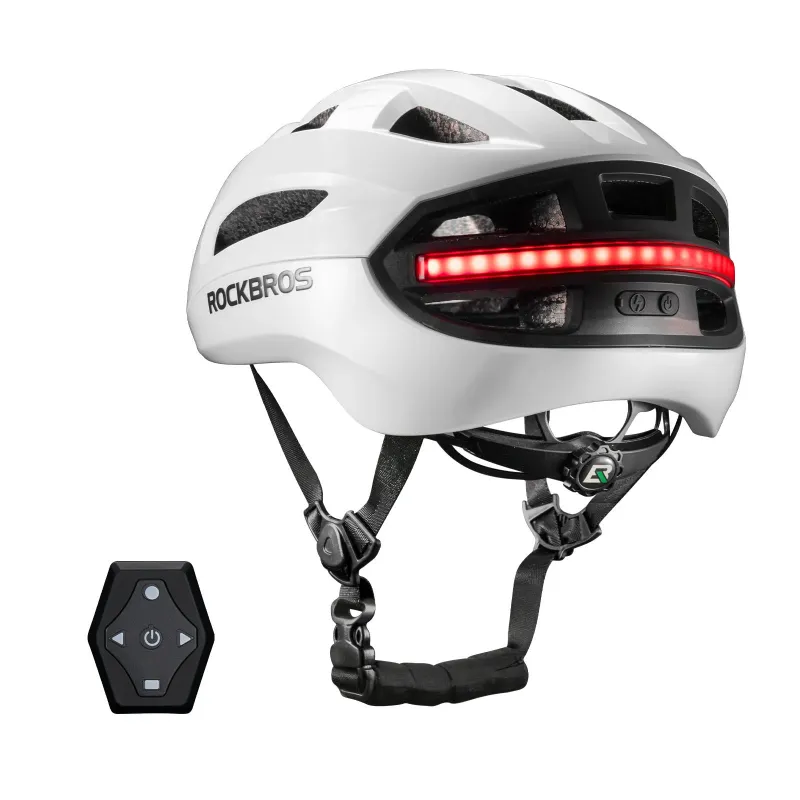
The ROCKBROS bike helmet meets CPSC and CE safety standards, and its in-mold construction with extended rear coverage makes it a reasonable option for trail riders who want certified protection without paying premium prices.
Safety standards and construction
Meeting CPSC and CE standards means the helmet has passed the impact-absorption testing required for road and mountain use in the United States and Europe. The shell uses in-mold construction, a manufacturing process that fuses the outer polycarbonate shell directly to the EPS foam liner. This bonds more tightly than a cheaper glued-shell design and helps spread impact force more evenly across the helmet.
The extended rear cradle sits lower than many road-focused helmets, which is a useful feature on technical descents where you lean back, or in a fall to the rear. For current pricing, check the ROCKBROS discount code before your next order.
Ventilation and weight
Mountain biking tends to generate more heat than road cycling because of slower speeds and sustained effort on climbs. The helmet uses a 24-vent design with internal channels meant to route air over your head, which is the kind of ventilation you want on long climbs.
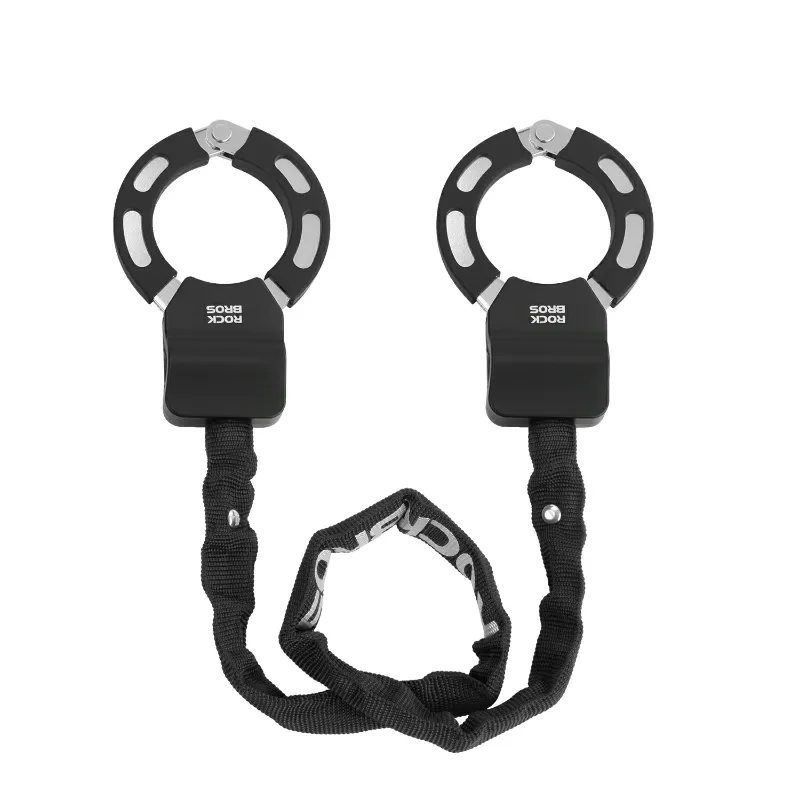
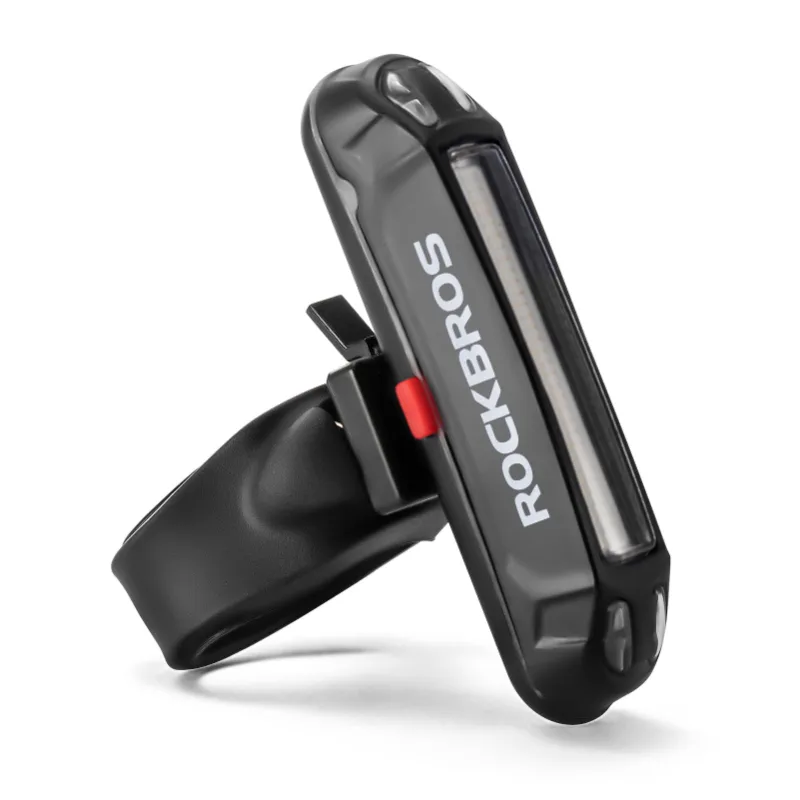
Weight sits in the middle of the market compared to ultralight race helmets. It is not the lightest option available, but the extra material buys more coverage and a reinforced dial system that holds up to being packed in a bag between rides. If you are building out your safety gear, pairing the helmet with a bike lock and bike lights covers the basics for both parked and low-light riding.
Fit system and adjustment
The rear dial uses a ratchet mechanism with enough range to fit most adult head sizes. The cradle sits on a hinge that tilts up or down to match different head shapes, a feature that is missing on many budget helmets. Several helmet positions are available by moving the rear basket up or down on the retention straps, which helps riders with different head heights find a stable fit. The chin strap uses a simple pinch-buckle with enough length for a winter neck gaiter if you ride in cold weather.
Key fit features:
- Rear dial with a wide adjustment range
- Tilting cradle for different head shapes
- Removable padding in multiple thicknesses
- Strap dividers designed to sit under your ears
What to look for in a budget mountain bike helmet
According to testing by Bicycling editors, even budget helmets now offer protection levels similar to premium options, with the real differences showing up in weight, ventilation and adjustability rather than raw safety performance. When comparing helmets in this price range, it is worth checking:
- Whether the rear coverage extends low enough for technical descents
- Vent count and whether channels route air across the whole head, not just the crown
- Whether the dial and cradle adjust independently, or only one at a time
- Certification: look for CPSC (US) and CE (Europe) markings specifically
The ROCKBROS helmet checks these boxes at a price below many premium trail helmets, though you may find a lighter shell and finer dial adjustment if you move up to a higher-priced model. Check the latest price to compare current options.
Who this helmet suits
This helmet is a reasonable fit for riders who split time between trail and road riding. The extended rear coverage is useful on technical descents, and the ventilation is built for long climbs without overheating. It suits:
- Beginner to intermediate mountain bikers building a first complete setup
- Commuters who want extra protection for urban riding
- Riders with rounder head shapes who find narrow racing helmets uncomfortable
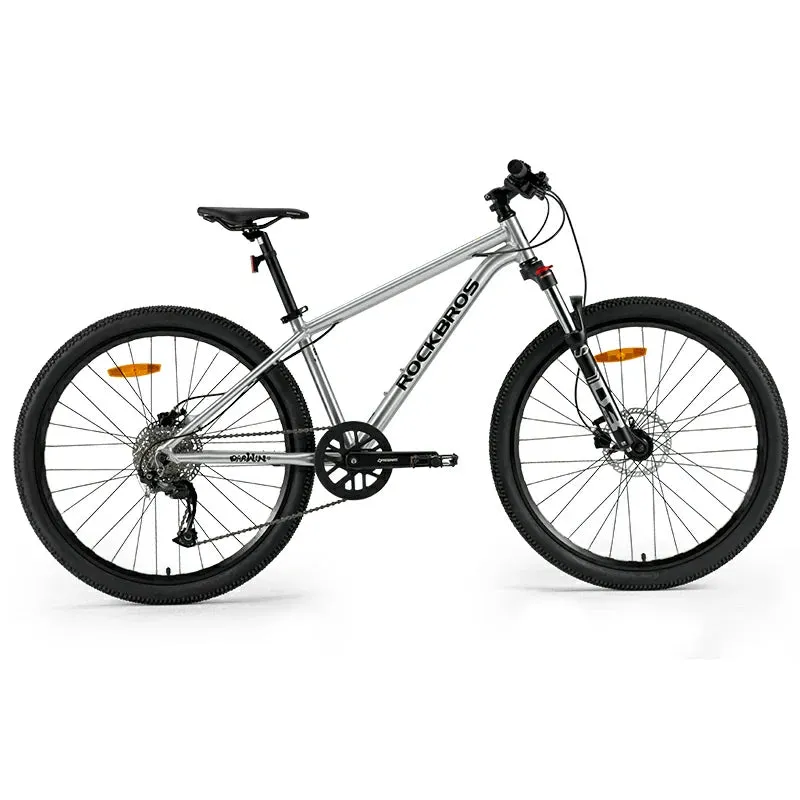
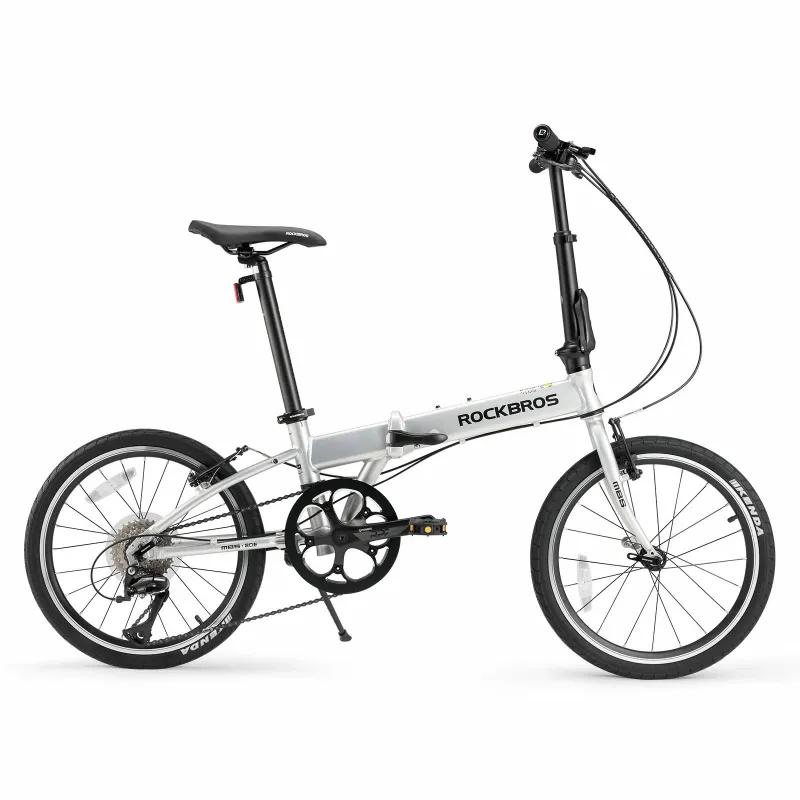
- Anyone pairing it with a mt mt bike or mbs 20-inch folding bike for mixed-terrain riding
It is a weaker fit if you specifically want the lightest possible race helmet, or if you ride aggressive downhill or bike park terrain, where a full-face helmet is the safer choice.
Care and longevity
Replace any bike helmet immediately after a crash involving head impact, even if you cannot see damage, since the foam can compress internally and lose its protective ability. Outside of a crash, manufacturers generally recommend replacing a helmet every few years as UV exposure and sweat gradually degrade the materials.
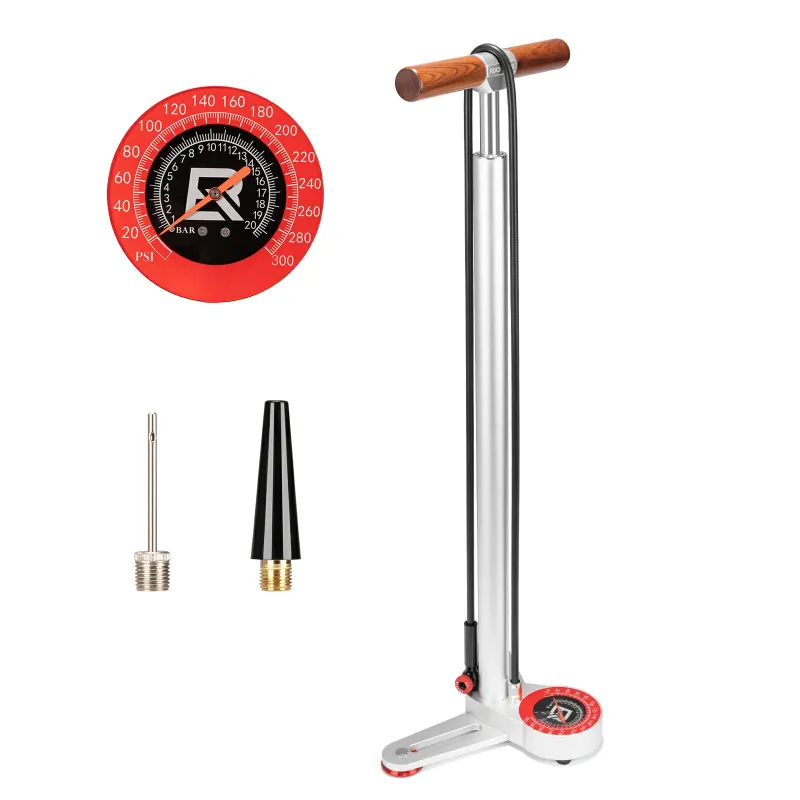
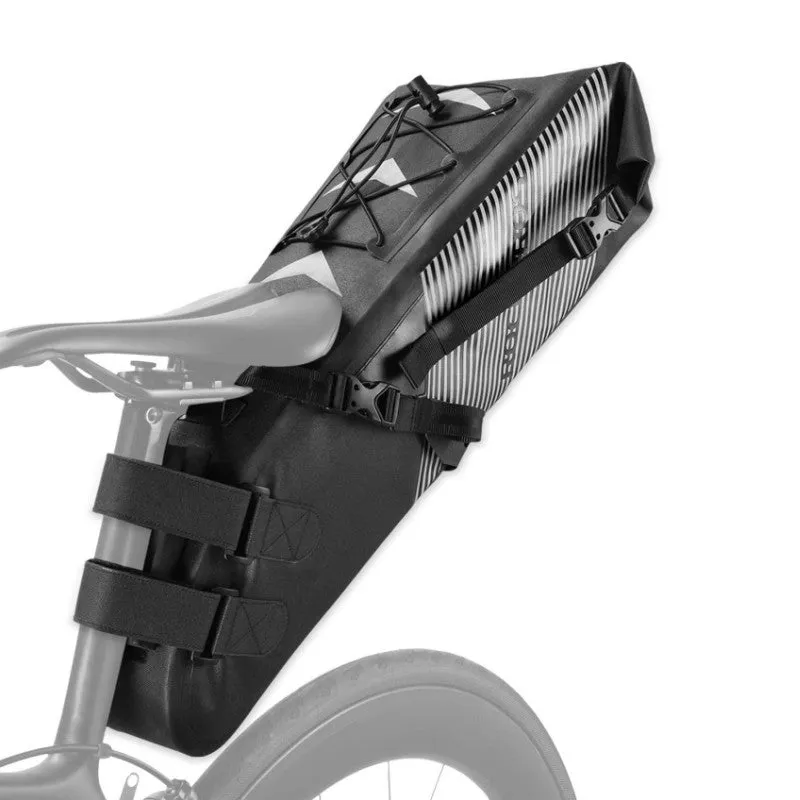
Clean the helmet with mild soap and water, and avoid harsh chemicals that can break down EPS foam. The pads remove with Velcro and hand wash easily. Store the helmet away from direct sunlight and extreme heat, since a hot car trunk in summer can weaken helmet materials over time. If you are stocking up on essentials, adding a bike pump and saddle bag rounds out a trail-ready kit.
For more context on how helmets are rated and what features matter most, Giro’s helmet guide and Outside’s helmet picks cover construction methods and safety standards in more depth.
Our take on ROCKBROS for trail riding
The ROCKBROS helmet delivers certified protection, solid ventilation and a fit system that works for a range of head shapes, at a price that leaves room in your budget for other gear. It handles mountain biking and road riding reasonably well, which makes it a practical choice if you would rather not own separate helmets for each. Pair it with uv400 sunglasses for eye protection to round out the core safety gear for a ride.
Questions
Does the ROCKBROS bike helmet fit women and men equally well?
The helmet uses a unisex fit system with a wide adjustment range meant to accommodate most adult head shapes and sizes. The removable padding lets you fine-tune the fit further.
How do I know when to replace my mountain bike helmet?
Replace your helmet immediately after any crash involving head impact, even if no damage is visible. Outside of a crash, manufacturers generally recommend replacement every few years, since UV exposure and sweat degrade the protective foam over time.
Can I use this helmet for road cycling and commuting?
Yes, it meets CPSC standards for general road and mountain use, and the vented design suits longer road rides. The extended rear coverage also adds protection for urban commuting.
Is the ROCKBROS helmet safe enough for technical mountain biking?
It meets CPSC and CE safety standards and offers extended rear coverage suited to trail riding. For extreme downhill or bike park riding, a full-face helmet is the safer choice, but for cross-country and general trail riding this provides certified protection.
How does helmet weight affect comfort on long rides?
Lighter helmets generally feel more comfortable over long rides, but weight is only one factor. Ventilation, padding and how well the retention system fits your head shape matter just as much for all-day comfort.
Can I wash the pads inside the ROCKBROS helmet?
Yes, the pads attach with Velcro and remove easily for hand washing with mild soap and water. Let them air dry completely before reattaching.
Products in this guide
 Shopping at ROCKBROS? See the discount code
10% OFF All Orders
Shopping at ROCKBROS? See the discount code
10% OFF All Orders
More in this series
ROCKBROS Cycling Gloves: Are They Worth It for Cold Weather Rides?8 Aug 20265 minWhy Your Bike Lights Keep Dying and How to Fix It8 Aug 20265 minDo You Really Need a Saddle Bag? What Every Cyclist Should Carry8 Aug 20264 min Folding Bike vs Road Bike: Which Is Right for Your Commute?8 Aug 20265 minHow to Clean and Maintain Your Bike Chain for Longer Life8 Aug 20265 min