 A ROCKBROS guide
Folding Bike vs Road Bike: Which Is Right for Your Commute?
Pocket rocket folding road bikes offer the speed of a road bike with the portability of a folder, making them ideal for multi-modal commuters who need performance without the parking hassle.
Pocket rocket folding road bikes deliver road-bike speed and handling in a compact package that folds small enough to carry onto trains or stash under your desk. Traditional road bikes are faster over long distances and offer more hand positions, but they demand secure parking and won’t fit in a car trunk or office closet. Your commute length, storage constraints, and whether you mix cycling with public transit determine which design works best.
What Makes Pocket Rocket Folding Road Bikes Different
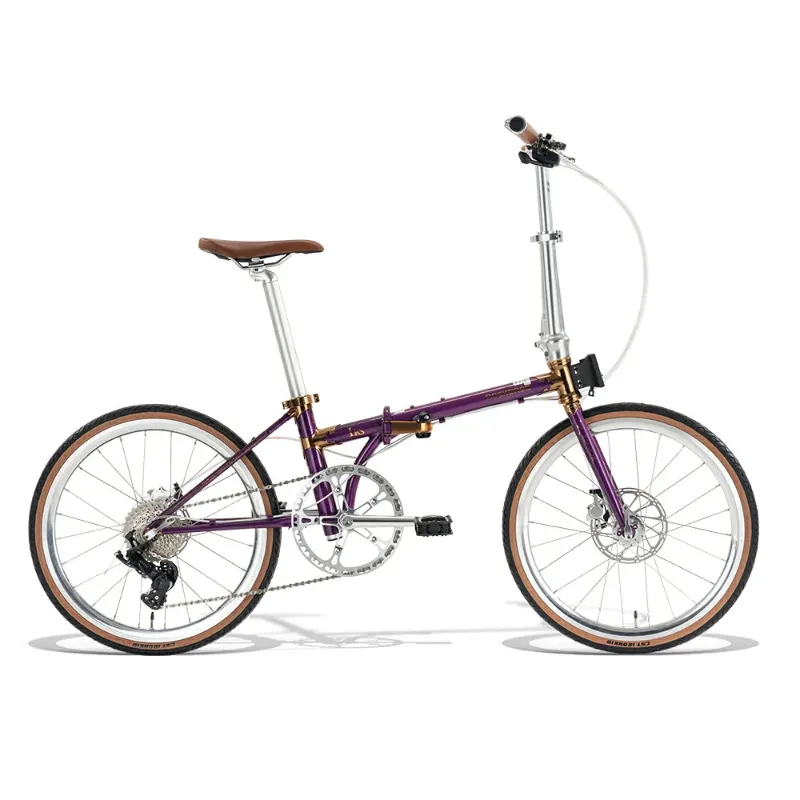
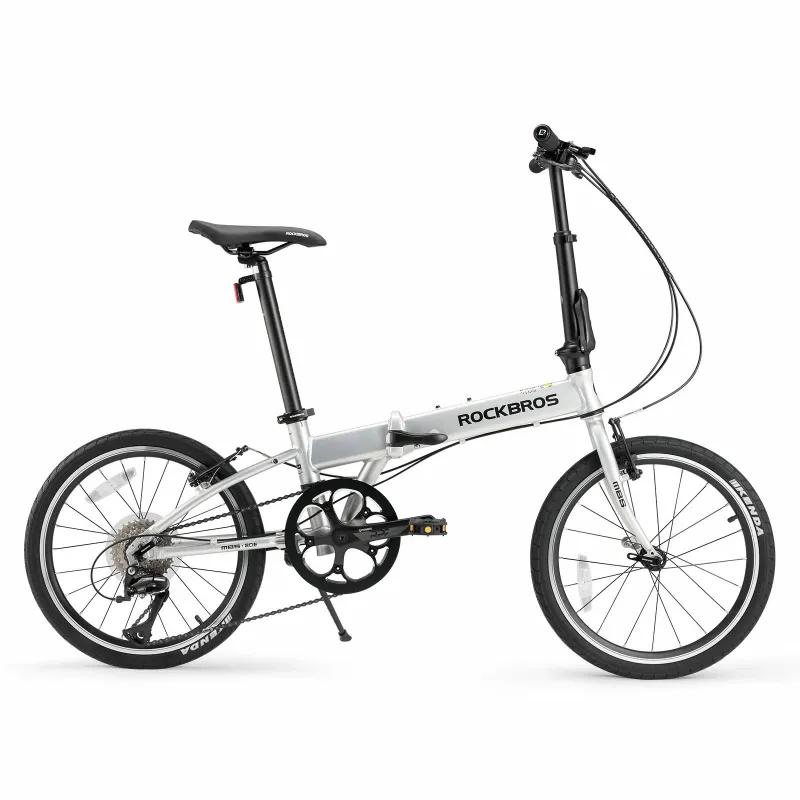
Unlike bulky 20-inch folders designed for casual rides, pocket rocket folding road bikes use 16- to 20-inch wheels with narrow high-pressure tires, drop bars, and road geometry to mimic full-size road bikes. Bike Friday’s Pocket Rocket pioneered this category in the 1990s, proving that a folder can genuinely tour at pace. Modern iterations from ROCKBROS and others maintain the core formula: quick fold, aggressive position, and road gearing.
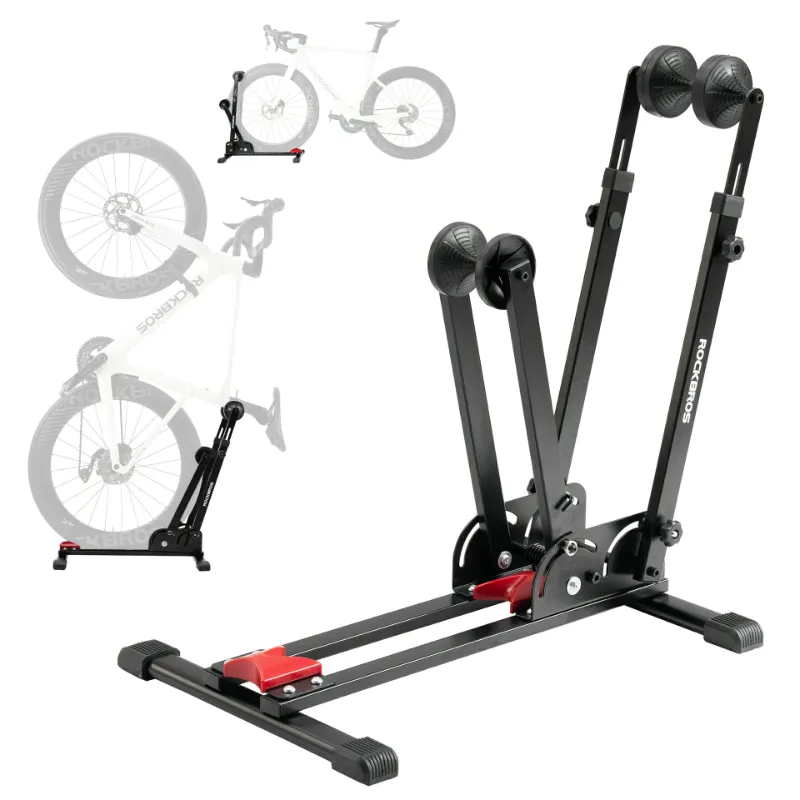
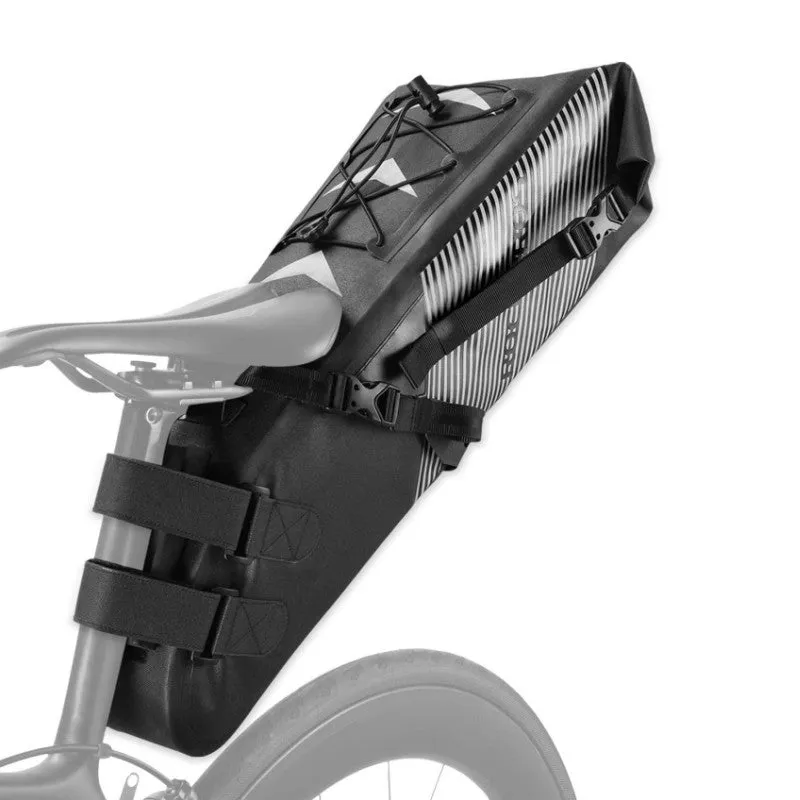
The mbs 20-inch folding bike balances portability with slightly larger wheels for better roll-over on rough pavement. Both models weigh 22 to 28 pounds, light enough to lift onto a train rack or carry up stairs. You’ll need a bike stand at home since the fold often blocks the kickstand, and a saddle bag clips neatly to the seatpost without interfering with the hinge.
Key features that define the category:
- Drop or bullhorn bars for aerodynamic hand positions
- 1×8 to 1×11 drivetrains with 11-34T cassettes for hill climbing
- Caliper or mechanical disc brakes
- Fold size around 30 x 26 x 12 inches
- Quick-release seatpost and handlebar for fast rider-fit adjustments
Check the latest price to see current offers on both the Pocket Rocket and MBS models.
When a Traditional Road Bike Wins
A traditional road bike with 700c wheels rolls faster over distance, absorbs less shock through the frame, and offers more hand positions across a longer cockpit. If your commute is a straight 12-mile shot with secure bike parking at both ends, the efficiency gain adds up.
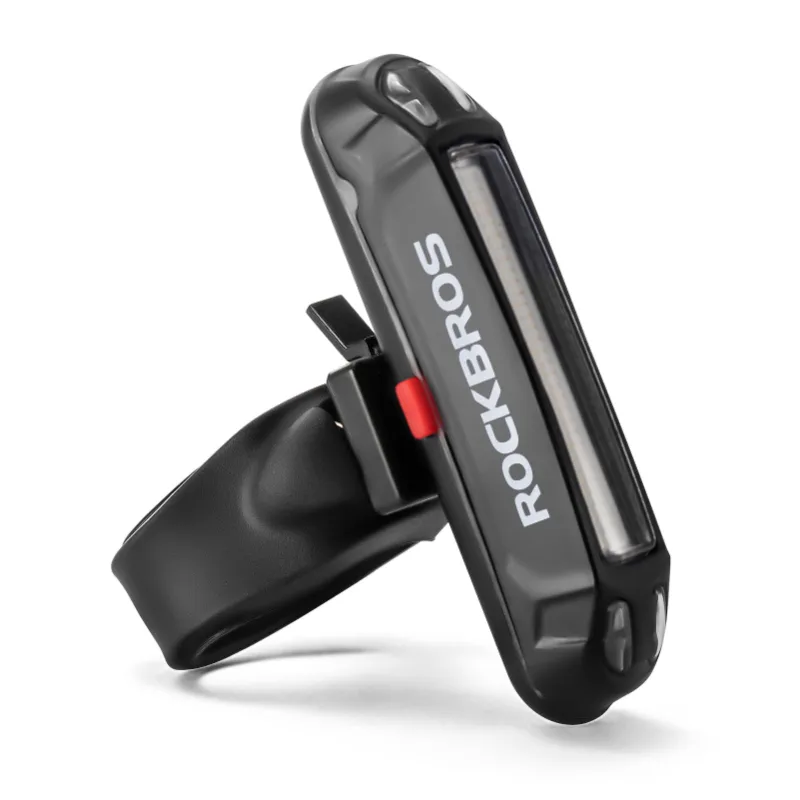
Road bikes also accept a wider range of accessories without adapter headaches. Standard bike lights mount to round tubes, bike locks loop through a triangle frame without catching hinges, and a bike pump clips to bottle-cage mounts that most folders omit. You’ll find more frame sizes, more off-the-shelf fit options, and easier resale value.
The trade-off is storage. A road bike needs a garage hook, a hallway rack, or an outdoor lock-up. It won’t fit in a sedan trunk, and most commuter trains restrict full-size bikes to off-peak hours. If theft or space is a concern, the folder’s ability to disappear into your apartment or cubicle becomes a decisive advantage.
Portability and Multi-Modal Commuting
Folding wins outright if you chain cycling with buses, trains, ferries, or carpools.
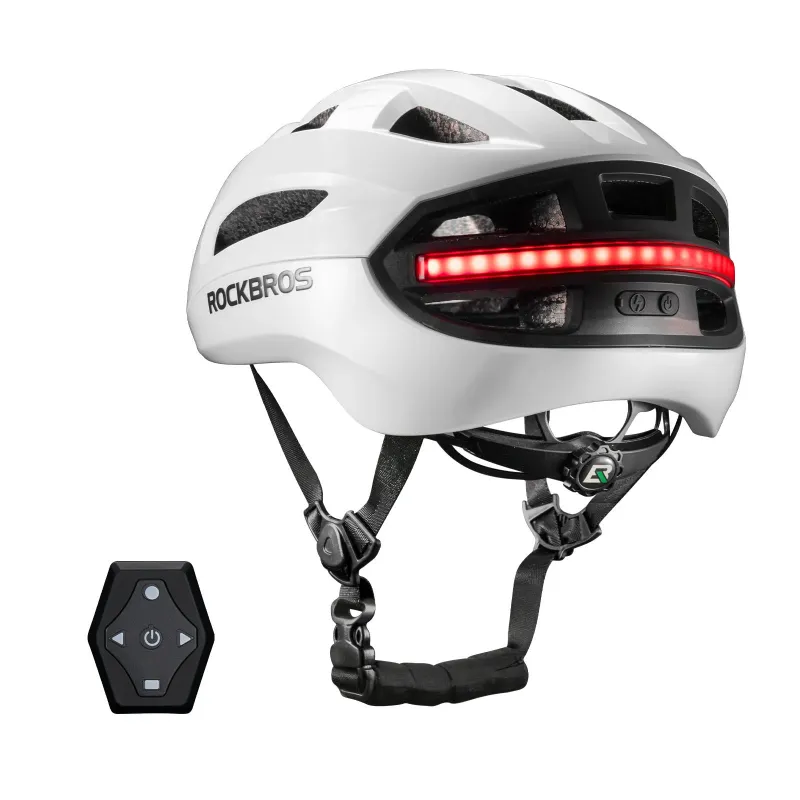
Real-world touring reports confirm that pocket rocket designs handle mixed-transport itineraries without drama. The fold also solves urban parking scarcity: you can lock the folder to a railing or lamppost in high-risk areas, then carry it the last block into your building. Add a bike helmet and uv400 sunglasses to your bag, and your entire commute kit stays mobile.
Compare the real-world logistics:
| Scenario | Folding Road Bike | Traditional Road Bike |
|---|---|---|
| Train / bus allowed | Yes, any time | Off-peak only or banned |
| Car trunk fit | Yes, rear seat or trunk | No, requires roof rack |
| Office storage | Under desk, closet | Hallway rack or garage |
| Theft risk when locked outside | Lower (less recognizable) | Higher (prime target) |
Speed, Handling, and Ride Quality
Smaller wheels accelerate faster from stops but require more pedal strokes to maintain speed.
Cornering feel differs. The shorter wheelbase on a pocket rocket makes it twitchy at first, snapping into turns with less lean. Discussion threads on touring with the Pocket Rocket note that the bike remains stable under load once you pack weight low and centered, though crosswinds catch the smaller wheels more than a road bike.
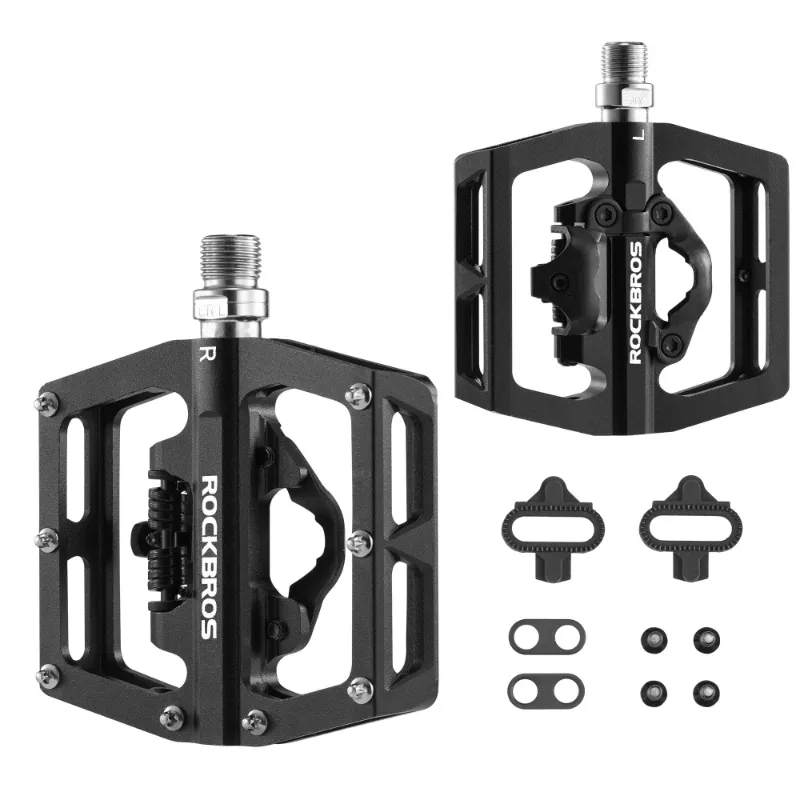
For commuters who prioritize comfort, road bikes absorb vibration better through longer stays, carbon forks, and wider tire clearance. Folders compensate with suspension seatposts or wider tires (up to 28 mm on some models), but you’ll still feel more road buzz. Equip either bike with bike pedals that match your shoes, clipless or flat, to maximize power transfer and reduce fatigue.
Accessories and Everyday Practicality
Both bikes need commuter essentials, but fitment differs. The folder’s compact frame limits bottle-cage placement and fender mounts, so you’ll rely on a saddle bag or backpack for tools, wallet, and a spare tube. A bicycle bell mounts easily to either handlebar, and both accept standard bike lights with rubber or Velcro straps.
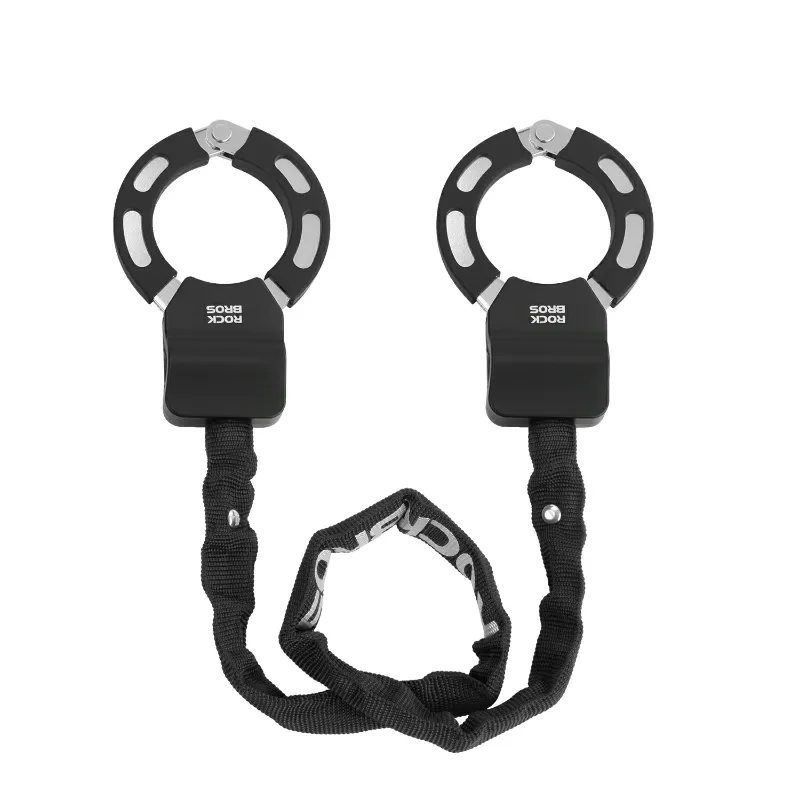
Locking strategy changes with a folder. Instead of locking it outside all day, you fold and carry it into your destination, eliminating most theft risk. When you must lock it briefly, a lightweight cable bike lock suffices since you’re only securing it for minutes. Road bike commuters need a heavy U-lock and a second cable for the wheels, adding a pound or more to the ride.
Maintenance is comparable. Both use standard road components (chains, cassettes, brake pads) so any bike shop can service them. The folder’s hinge and quick-releases need monthly inspection and a drop of lube. Grab the code for 10% off any ROCKBROS accessories you need to outfit either bike.
Which Bike Fits Your Commute
Choose pocket rocket folding road bikes if you:
- Mix cycling with trains, buses, or carpool
- Lack secure outdoor bike parking at home or work
- Commute 5 to 12 miles each way with frequent stops
- Want to stash your bike inside an apartment or office
- Travel occasionally and need a bike that packs into a case
Choose a traditional road bike if you:
- Ride 12+ miles each way on open roads
- Have garage or indoor bike storage at both ends
- Prioritize top speed and ride comfort over portability
- Prefer standard accessory compatibility and wider resale market
- Don’t need to carry your bike onto public transit
Our pick for most urban and suburban commuters is the folder. The portability advantage often matters more than top speed on city trips, and the ability to keep your bike with you eliminates theft anxiety and parking hassles. If your route demands pure speed and you’ve already solved storage, the road bike remains unbeatable.
Questions
Are pocket rocket folding road bikes as fast as regular road bikes?
Not at sustained high speeds, where larger road wheels and a longer position help. Smaller wheels do accelerate quickly from stops, which suits city commutes with frequent lights.
Can I take a folding bike on the train during rush hour?
Yes, most transit systems allow folded bikes at any time without restrictions or extra fees, while full-size bikes are often banned or limited to off-peak hours.
Do folding road bikes fit standard bike accessories?
Most accessories work with adapters or rubber straps, but compact frames may lack bottle-cage mounts and fender eyelets. Lights, bells, pedals, and saddle bags install without issues.
How long does it take to fold a pocket rocket bike?
It gets quicker with practice. Follow the maker's folding instructions, and always confirm the quick-releases are tight before you ride.
Which bike is better for hilly commutes?
Both handle hills well with appropriate gearing. Folding bikes often spec wider-range cassettes (11-34T or 11-36T) to compensate for smaller wheels, so climbing ability is comparable.
Is a folding bike more likely to break at the hinge?
Quality folders use reinforced hinges and latches that exceed the strength of a traditional frame joint when properly maintained. Inspect and lubricate the hinge monthly to prevent wear.
Products in this guide
 Shopping at ROCKBROS? See the discount code
10% OFF All Orders
Shopping at ROCKBROS? See the discount code
10% OFF All Orders
More in this series
ROCKBROS Cycling Gloves: Are They Worth It for Cold Weather Rides?8 Aug 20265 minWhy Your Bike Lights Keep Dying and How to Fix It8 Aug 20265 minDo You Really Need a Saddle Bag? What Every Cyclist Should Carry8 Aug 20264 minROCKBROS Bike Helmet: Is It Safe Enough for Mountain Biking?8 Aug 20264 min How to Clean and Maintain Your Bike Chain for Longer Life8 Aug 20265 min