 A ROCKBROS guide
How to Clean and Maintain Your Bike Chain for Longer Life
A bike chain cleaner removes grime and extends your drivetrain's lifespan when used correctly with the right tools and techniques.
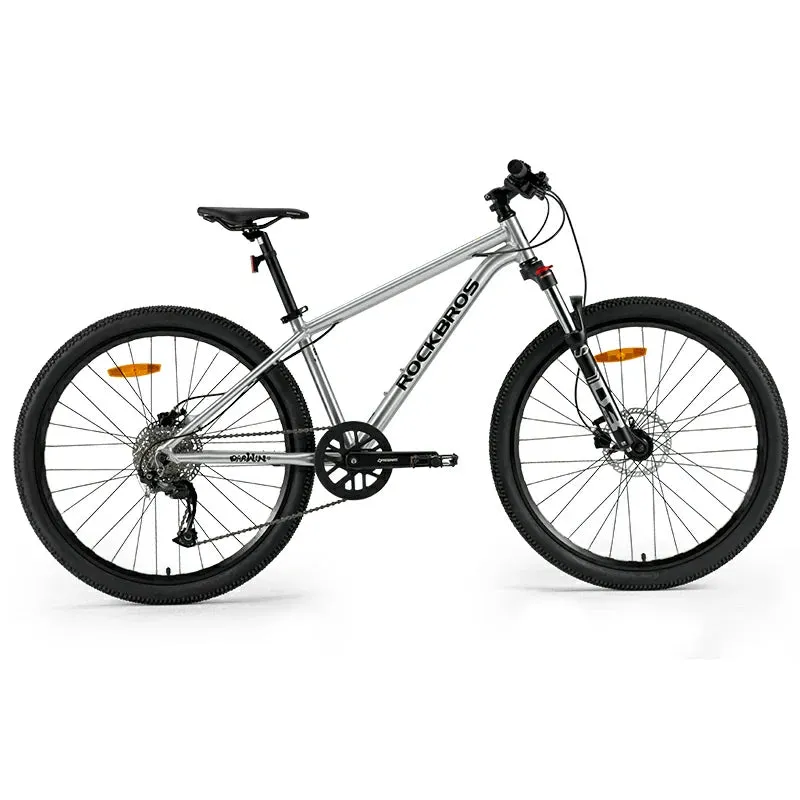
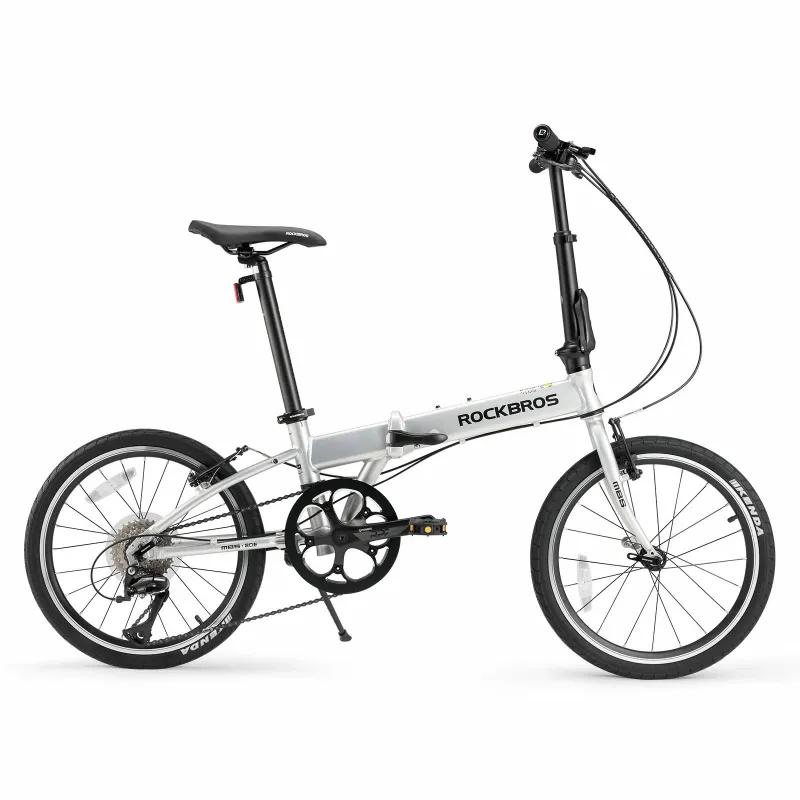
A bike chain cleaner is the most effective way to remove built-up dirt, grease, and grime that shortens your drivetrain’s life and ruins smooth shifting. Regular cleaning every 100 to 200 miles, depending on conditions, keeps your chain running quietly and prevents expensive replacements of cassettes and chainrings. Whether you ride a mt mt bike through muddy trails or commute on a mbs 20-inch folding bike, proper chain maintenance pays off in performance and longevity.
Why Your Chain Needs Regular Cleaning
Dirt acts like grinding paste between your chain’s moving parts, wearing down pins, rollers, and plates with every pedal stroke. A contaminated chain also transfers abrasive particles to your cassette and chainrings, accelerating wear across the entire drivetrain.
Clean chains also shift faster and more accurately. When grime clogs the gaps between links, your derailleur struggles to move the chain smoothly across cogs. You’ll notice the difference immediately after a thorough cleaning: crisp shifts, quieter operation, and less effort to maintain speed.
Best Bike Chain Cleaner Tools and Methods
You have several effective options for chain cleaning, each with trade-offs in speed, thoroughness, and convenience.
Bike chain cleaner tool devices use rotating brushes inside a solvent-filled housing that you clip around the chain. You backpedal the cranks and the brushes scrub all four sides of each link simultaneously. These tools clean a chain in under two minutes and contain the mess, making them our top choice for regular maintenance. Most work with degreaser, bike chain cleaner liquid, or even diluted dish soap.

Bike chain cleaner spray degreasers offer the fastest approach for light cleaning. Spray the chain, wait 30 seconds for the solvent to penetrate, then wipe with a rag. This method works well for weekly touch-ups but doesn’t match the deep-clean power of brush-based tools. Look for biodegradable formulas that won’t harm your bike stand or garage floor.
Manual brush cleaning gives you the most control and reaches tight spots around jockey wheels and chainrings. Use a firm-bristled brush with degreaser, scrubbing each section of chain while rotating the cranks. This takes longer but costs almost nothing and achieves professional results.
Ultrasonic bike chain cleaner devices use high-frequency sound waves to break apart contamination at a molecular level. While a bike chain cleaner ultrasonic unit delivers the deepest clean possible, the cost and time investment make sense only for serious enthusiasts or mechanics servicing multiple bikes. Most riders get excellent results from simpler methods.
Step-by-Step Chain Cleaning Process
We recommend this proven sequence regardless of which cleaning method you choose:
- Position your bike on a bike stand or flip it upside down so the drivetrain is accessible and the rear wheel spins freely
- Inspect the chain for stiff links, excessive wear, or damage before you start
- Apply degreaser using your chosen tool, spray, or brush, working it into every link
- Scrub thoroughly, paying extra attention to the inner plates where grime hides
- Rinse or wipe away dissolved contamination with clean rags until no black residue appears
- Dry completely with a clean cloth to prevent flash rust and ensure lubricant adhesion
- Lubricate each roller with one drop of appropriate chain lube, then wipe off excess
The entire process takes 10 to 15 minutes with a chain cleaner tool, longer with manual methods. Check the latest pricing and grab our code before stocking up on maintenance supplies.
Choosing the Right Cleaning Products
Solvent-based degreasers cut through heavy grease fastest but require good ventilation and careful disposal. They’re ideal for neglected chains or after riding in wet, muddy conditions on your mt mt bike.
Citrus and biodegradable formulas balance cleaning power with environmental responsibility. These bike chain cleaner liquid options work well for regular maintenance and won’t damage paint, rubber seals, or plastic components.
Avoid harsh chemicals like automotive brake cleaner or gasoline, which can dry out o-rings in modern sealed-bearing chains and damage frame finishes. The small cost difference isn’t worth the risk.
For detailed guidance on the complete cleaning and lubrication process, REI’s expert advice walks through every step with helpful photos.
How Often to Clean Based on Riding Conditions
Your cleaning schedule depends more on where and how you ride than on mileage alone.
Road and commuter bikes in dry conditions need cleaning every 200 to 300 miles. Watch for a black buildup on the lower chain run as your signal to clean.
Mountain bikes and gravel riders should clean after every muddy or wet ride. Dirt suspension contamination reaches your chain within minutes of hitting trails, and letting it dry makes removal much harder.
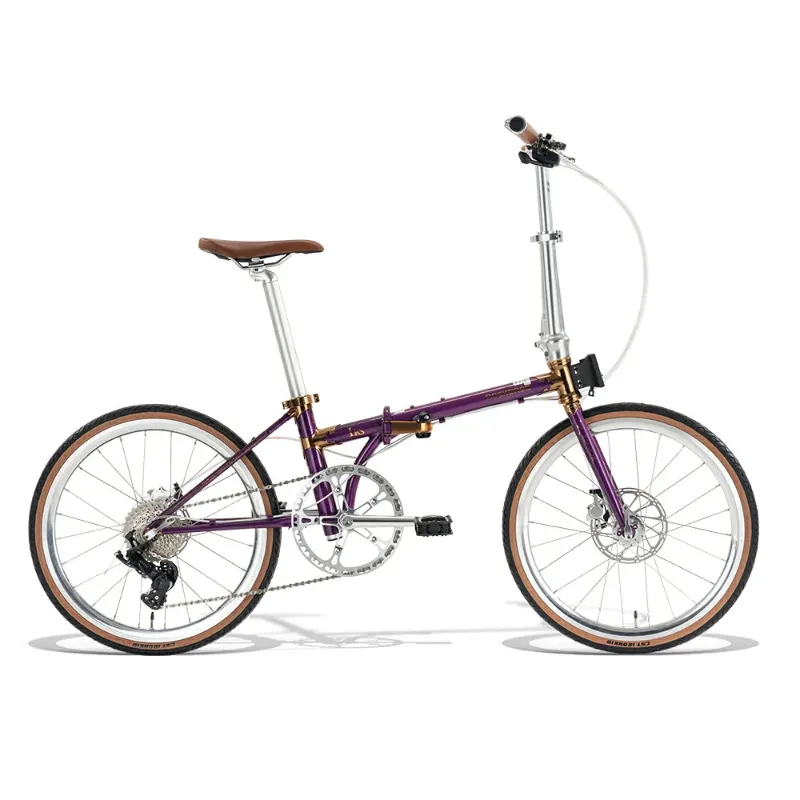
Winter and rainy-season riders benefit from weekly cleaning regardless of mileage. Road salt and constant moisture create a corrosive environment that demands frequent maintenance. If you’re riding a pocket rocket folding road bikes through urban winters, this schedule prevents costly drivetrain damage.
Between deep cleans, wipe your chain with a dry rag after every ride. This 30-second habit removes surface grime before it works deeper into the links.
Chain Maintenance Beyond Cleaning
Cleaning is only half the equation. After every wash, apply fresh lubricant appropriate for your conditions: wet lube for rain and mud, dry lube for dusty summer riding. Let the lube penetrate for an hour, then wipe off surface excess that would attract new dirt.
Check chain wear monthly with a chain checker tool. Replace your chain when it reaches 0.5% to 0.75% stretch to avoid damaging your cassette and chainrings. A $30 chain replaced on time saves you from a $200 cassette replacement later.
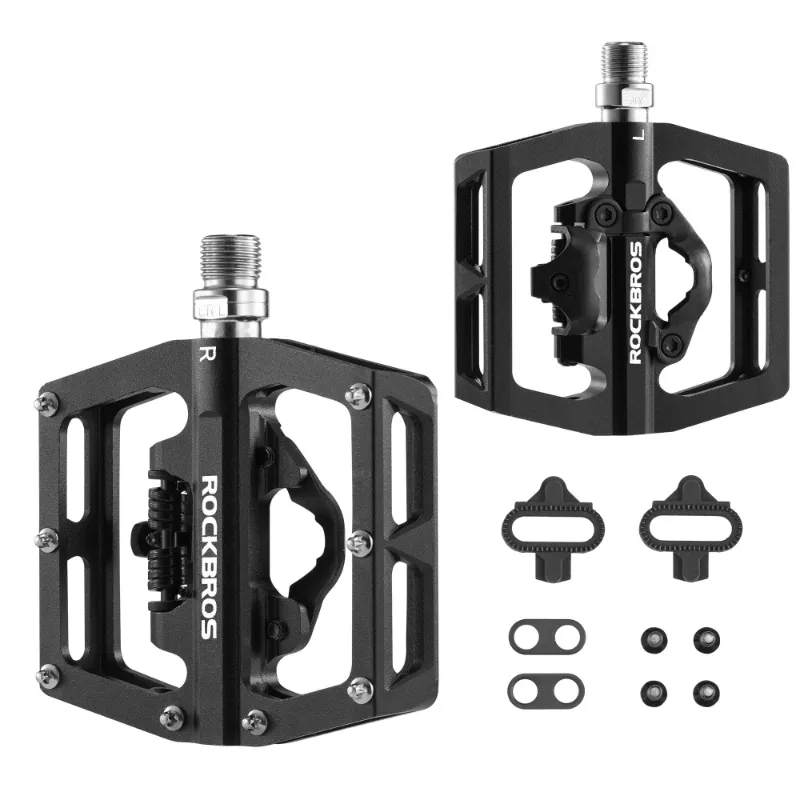
Keep your other components clean too. Your bike pedals and bike lights last longer when protected from the abrasive spray a dirty chain flings around. A complete bike washing routine, as detailed in Canyon’s maintenance guide, creates a cleaner, safer, better-performing machine.
Complete Maintenance Setup for Home Mechanics
Building a proper maintenance kit saves money and improves results. Here’s what we keep in our workshop:
| Tool | Purpose | Investment Level |
|---|---|---|
| Chain cleaner device | Fast, thorough cleaning | Medium |
| Degreaser & brushes | Deep cleaning, cassette work | Low |
| Quality chain lube | Smooth, protected operation | Low |
| Bike stand | Stable work position | Medium |
A bike stand transforms maintenance from a frustrating floor-based struggle into a comfortable, efficient routine. You’ll clean more often when the process is pleasant, and your chain will thank you with thousands of extra miles.
For advanced techniques and troubleshooting tips, Wirecutter’s comprehensive guide covers everything from dealing with rusty chains to choosing between wax and oil-based lubes.
Get Your Maintenance Supplies Today

Regular chain cleaning is the single highest-return maintenance task for any cyclist. Fifteen minutes every few weeks prevents premature wear, maintains smooth shifting, and keeps your rides quiet and efficient. Whether you’re maintaining a fleet that includes your bike helmet, bike lock, saddle bag, and bike pump, or just keeping one bike in peak condition, proper chain care makes every ride better.
Stock up on the tools and supplies you need, then visit our ROCKBROS discount code page to save 10% on your complete maintenance setup.
Questions
What is the best bike chain cleaner method for beginners?
A chain cleaner tool with rotating brushes is the easiest method for beginners. It contains the mess, cleans all sides of the chain simultaneously, and takes only two to three minutes to remove most dirt and grime.
How often should I clean my bike chain?
Clean your chain every 100 to 200 miles for road riding in dry conditions, or after every ride in wet, muddy, or winter conditions. Wipe the chain with a rag after each ride to extend time between deep cleans.
Can I use dish soap as a bike chain cleaner liquid?
Yes, diluted dish soap works well for regular chain cleaning and is safe for all bike components. Mix one part dish soap with four parts water in a chain cleaning tool or apply with a brush for light to moderate grime.
Do I need to remove the chain to clean it properly?
No, you don't need to remove the chain for regular cleaning. On-bike cleaning with a chain tool or brushes is faster and avoids wear on quick-links from repeated removal. Remove the chain only for deep cleaning in solvent baths or ultrasonic cleaners.
What happens if I don't clean my bike chain regularly?
A dirty chain wears out two to three times faster and damages your cassette and chainrings with abrasive grit. You'll also experience poor shifting, increased pedaling resistance, and annoying squeaks or grinding noises during rides.
Should I use spray degreaser or a chain cleaner tool?
A chain cleaner tool provides more thorough cleaning for regular maintenance, while spray degreaser works best for quick touch-ups between deep cleans. Most riders benefit from having both: the tool for monthly deep cleans and spray for weekly maintenance.
Products in this guide
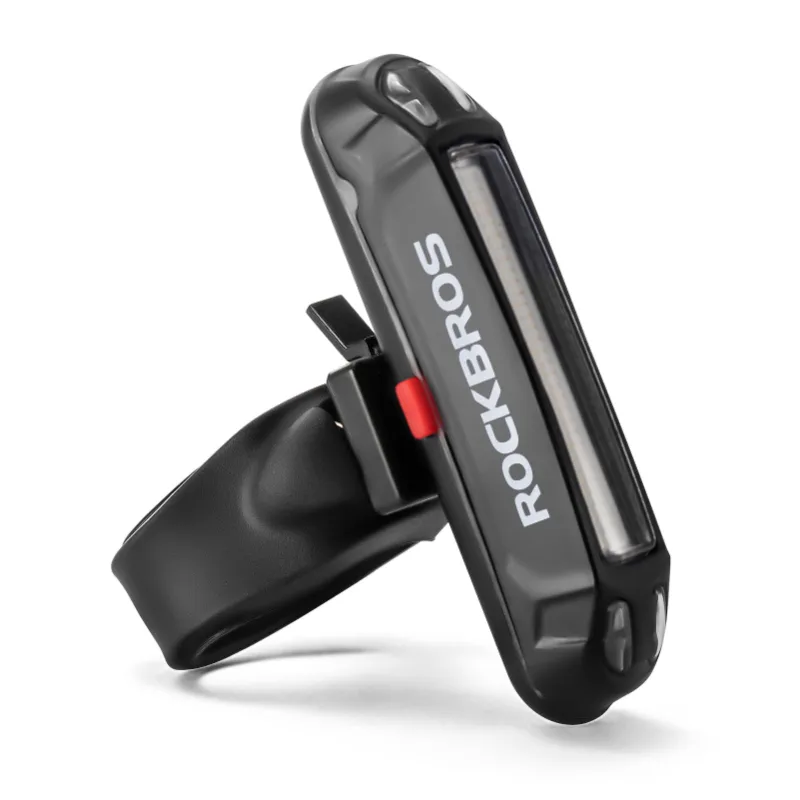
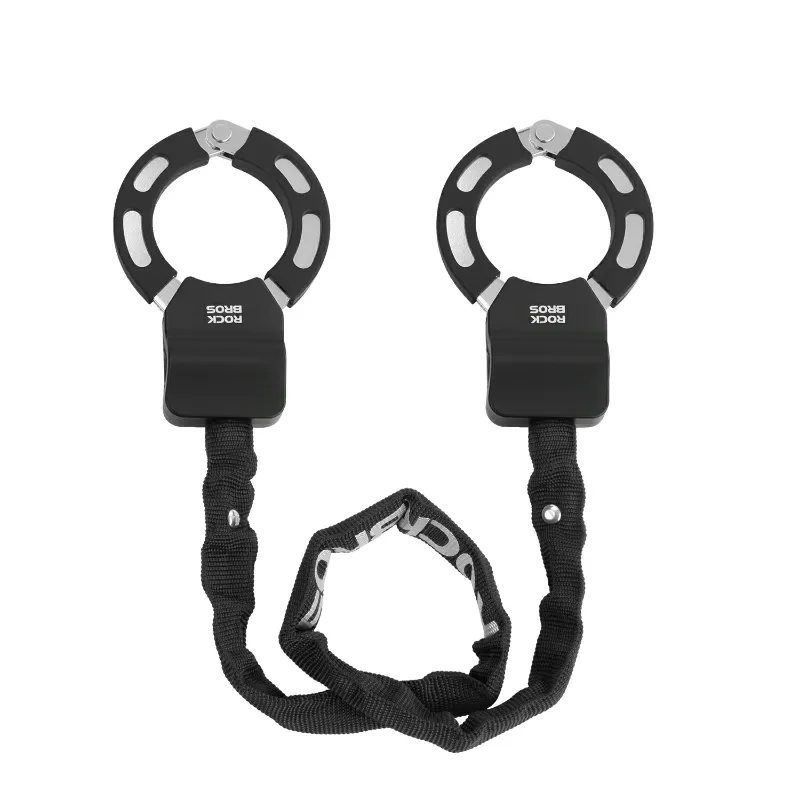 Shopping at ROCKBROS? See the discount code
10% OFF All Orders
Shopping at ROCKBROS? See the discount code
10% OFF All Orders
More in this series
ROCKBROS Cycling Gloves: Are They Worth It for Cold Weather Rides?8 Aug 20265 minWhy Your Bike Lights Keep Dying and How to Fix It8 Aug 20265 min Do You Really Need a Saddle Bag? What Every Cyclist Should Carry8 Aug 20264 minFolding Bike vs Road Bike: Which Is Right for Your Commute?8 Aug 20265 minROCKBROS Bike Helmet: Is It Safe Enough for Mountain Biking?8 Aug 20264 min