 A Element 26 guide
When to Replace Your Weightlifting Belt: Signs of Wear and Safety Tips
A nylon weightlifting belt should be replaced when you spot fraying edges, a loose buckle, or loss of tension that compromises your lift support.
A nylon weightlifting belt needs replacement when fraying, buckle failure, or loss of structural integrity begins to compromise your lifts. We keep the current code for Element 26 on its store page.
How Long Does a Nylon Weightlifting Belt Last

There is no fixed lifespan: it depends on how hard, how often and how carefully you use the belt. Element 26 lists a lifetime warranty on its belts, including the nylon GWE self-locking belt and the hybrid leather belt, which pairs a leather body with a Self-Locking mechanism and a Velcro strap. Nylon and leather wear in different ways, as covered below.
Clear Signs Your Belt Needs Replacement
Inspect your belt every few weeks for these failure indicators:
- Frayed edges or torn webbing along the inner or outer surface, especially near the buckle attachment
- Loose or bent buckle prongs that no longer grip securely or require extra effort to fasten
- Visible separation between layers of nylon or delamination at the seams
- Stretched material that no longer rebounds after release, leaving gaps when cinched
- Permanent creases or folds that prevent even pressure distribution around your core
- Rust, corrosion, or cracks in metal hardware, particularly on lever weightlifting belt mechanisms
A belt that slips mid-set or requires constant re-tightening has lost its mechanical advantage. If you notice any single critical failure like a broken buckle or torn attachment point, retire the belt right away rather than trust it under load.
Nylon vs Leather: Replacement Timelines
Nylon and leather belts age differently, and understanding the trade-offs helps you plan replacements and budget accordingly. On nylon, check for surface wear such as fraying and fading. Leather cracks, stiffens, or loses shape over time. Conditioning leather regularly helps it last.
| Feature | Nylon Belt | Leather Belt |
|---|---|---|
| Primary failure mode | Fraying, buckle wear | Cracking, shape loss |
| Maintenance needs | Minimal, wash and dry | Regular conditioning |
| Break-in period | Immediate use | Needs time to soften |
Nylon suits high-rep training and quick transitions because the closure adjusts quickly, which helps in circuits with frequent belt changes. For heavy singles and competition lifts, a traditional leather or hybrid design offers more rigidity. Element 26’s GWE self-locking belt is 100% nylon with a quick-release Self-Locking buckle, per Element 26. Check our code before you order.
Maintenance That Extends Belt Life
Proper care delays replacement and keeps your belt safe under maximum loads.
- Air-dry after every sweaty session to prevent mildew and material breakdown; never store a damp belt in your gym bag.
- Spot-clean with mild soap and water when needed, avoiding harsh detergents that degrade nylon fibers or dry out leather.
- Inspect hardware regularly for rust, bent prongs, or loose rivets, and apply a light machine oil to moving parts.
- Store flat or loosely rolled in a cool, dry space away from direct sunlight, which accelerates UV degradation.
- Rotate between two belts if you train most days, giving each time to decompress and dry fully.
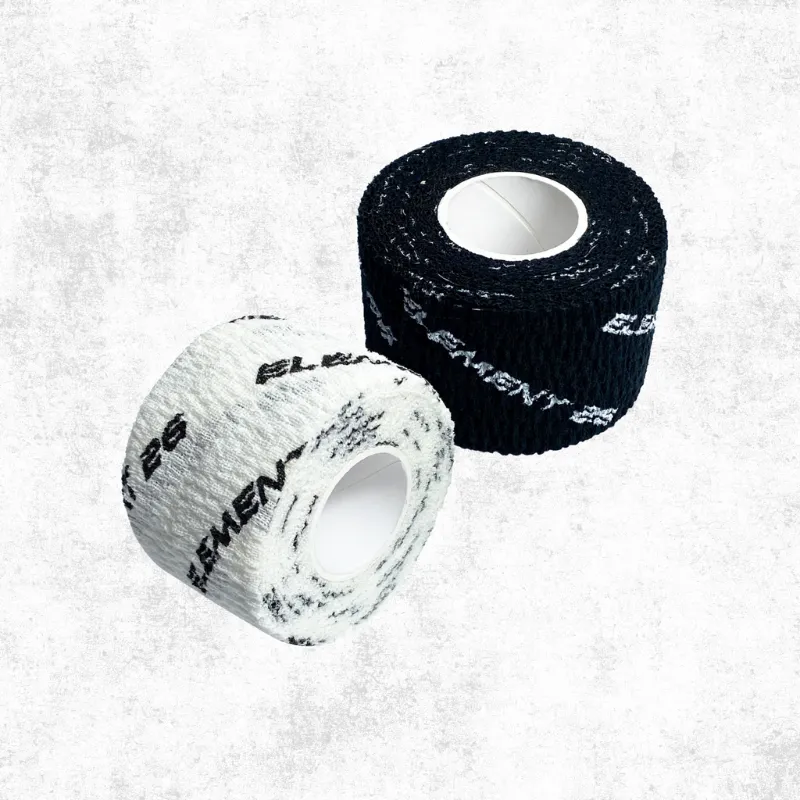
Avoid leaving your belt in a hot car or direct sun, which weakens adhesives and accelerates fabric fatigue. If you also use lifting tape or wrist sweat bands during your sessions, apply the same care principles to maximize gear longevity across your entire kit.
When to Upgrade vs Repair
Minor issues like a single loose stitch or light surface scuffing can sometimes be repaired at home with heavy-duty thread or contact cement. However, structural failures like torn webbing, broken buckles, or compromised core layers require immediate replacement because no repair restores original load-bearing capacity.
If your belt shows several minor issues, replacing it can make more sense than patching. Before you buy, check whether the maker’s warranty covers it; Element 26 lists a lifetime warranty on its belts. Belt roundups from BarBend and Garage Gym Lab can help you compare options.
Safety Checks Before Every Heavy Lift
Even a belt that looks fine can fail under peak load, so a quick pre-lift check helps:
- Fasten the belt at your working tightness and perform a bodyweight squat, checking for slippage or pinching
- Tug firmly on the buckle or velcro closure to confirm it holds without shifting
- Run your fingers along both edges to feel for new frays, sharp edges, or separation
- Flex the belt against itself to detect cracks, weak spots, or loss of rigidity
If anything feels off, swap to a backup belt or train beltless that session. Treating your belt as a critical safety tool rather than an accessory shifts your mindset toward proactive replacement instead of reactive scrambling after failure.
Choosing Your Next Belt
When replacement time arrives, prioritize construction quality and closure type over brand hype. A tapered weightlifting belt suits lifters with shorter torsos or those who need hip mobility for Olympic lifts, while a uniform-width design offers maximum surface area for heavy squats and pulls. Velcro and quick-release closures, such as Element 26’s Self-Locking buckle, win on convenience, while prong and lever systems lock at set positions for one-rep max attempts.
Try on more than one style if you can, since fit and comfort depend on your body and the lifts you train. Element 26 offers self-locking nylon belts and a hybrid leather belt, and lists a lifetime warranty on its belts. Whether you’re hunting for the best weight lifting belt for your discipline or simply need a reliable backup, compare fit and closure before you buy.
Questions
How often should I replace my nylon weightlifting belt?
There is no fixed schedule. Replace it when you notice fraying, buckle damage, or loss of tension, inspect it regularly, and retire it right away if you spot structural failures. If it is an Element 26 belt, check its lifetime warranty first.
Can I repair a frayed weightlifting belt myself?
Minor fraying along the edges can be reinforced with heavy-duty thread or fabric glue, but torn webbing or broken buckles require full replacement. Repairs should never be trusted for maximum-load lifts.
What causes a weightlifting belt to lose tension over time?
Repeated stretching under load, exposure to moisture and heat, and UV degradation all weaken nylon fibers and reduce a belt's ability to rebound. Dry the belt after sweaty sessions and store it flat or loosely rolled.
Is a nylon belt safer than a leather belt for heavy lifting?
Both are safe when properly maintained, but nylon offers faster adjustments and a shorter break-in period, while leather provides superior rigidity for maximum loads. Safety depends more on fit and condition than material choice.
Should I replace my belt if the buckle feels loose?
Yes, a loose or bent buckle compromises the entire belt's effectiveness and can fail during a heavy lift. Replace the belt or have the buckle professionally repaired by a qualified gear specialist.
Do velcro belts wear out faster than prong belts?
Velcro can lose grip over time as the hook-and-loop fibers collect lint and flatten, so clean it regularly. How it compares with a prong buckle depends on the belt.
Products in this guide
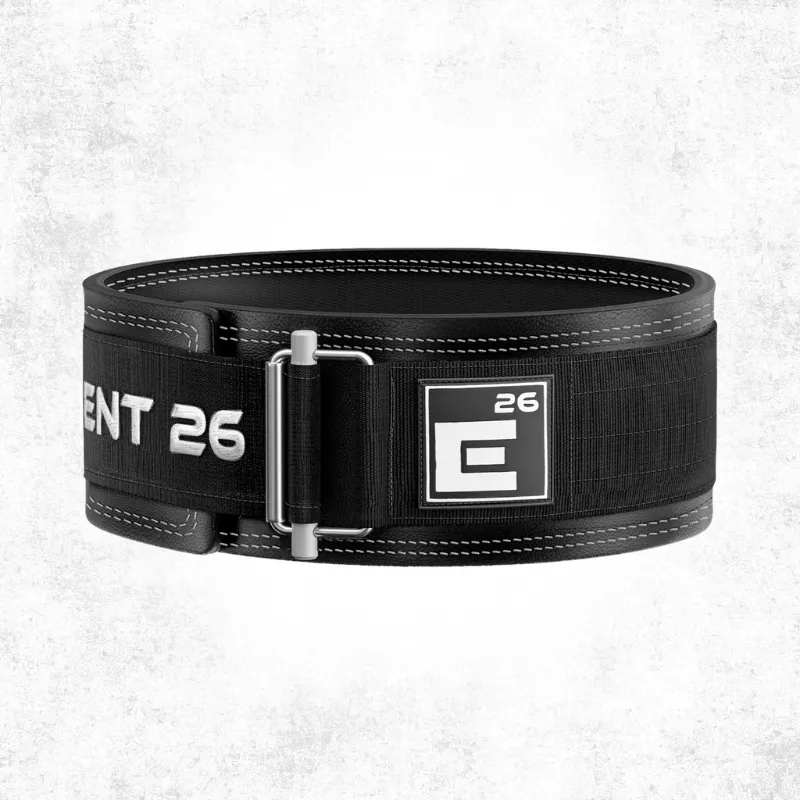
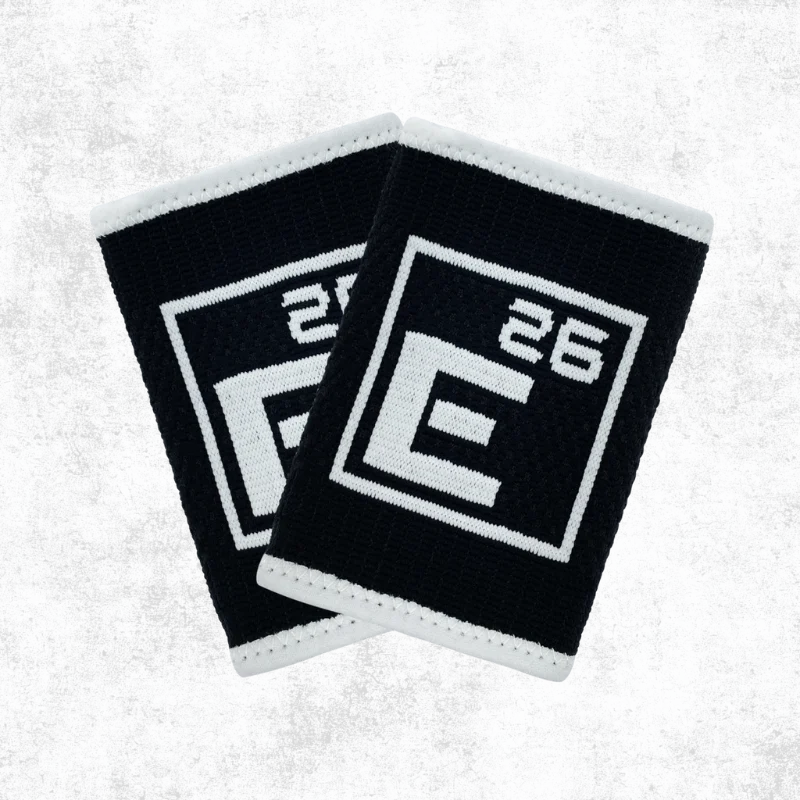 Shopping at Element 26? See the discount code
10% OFF Sitewide
More in this series
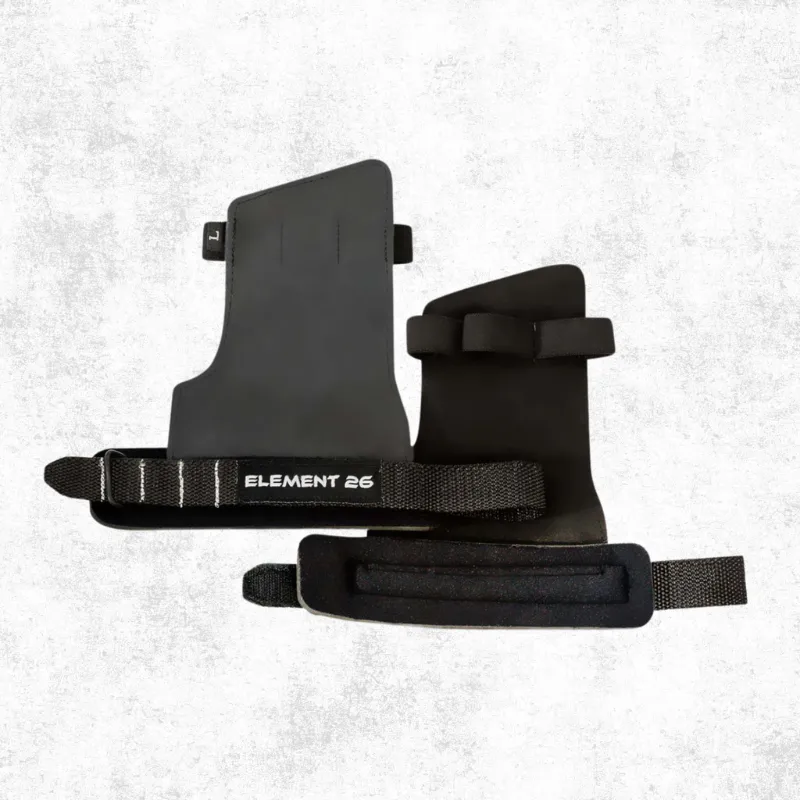 Do Gymnastic Hand Grips Work for CrossFit? What to Know Before You Buy29 Jul 20264 minHow Long Does Lifting Tape Last During Heavy Training Sessions?29 Jul 20265 minElement 26 IsoGrip vs IsoComp vs Vise Grips: Which Grip Style?29 Jul 20263 minWrist Sweatbands for Lifting: Do They Actually Improve Grip and Performance?29 Jul 20264 minHow to Choose Between Leather vs Nylon Weightlifting Belts for Your Training Style29 Jul 20266 min