 A Element 26 guide
How Long Does Lifting Tape Last During Heavy Training Sessions?
How long lifting tape lasts during heavy training depends on the tape, how much you sweat, and the lifts you do.
How Long Does Lifting Tape Last During Heavy Training?
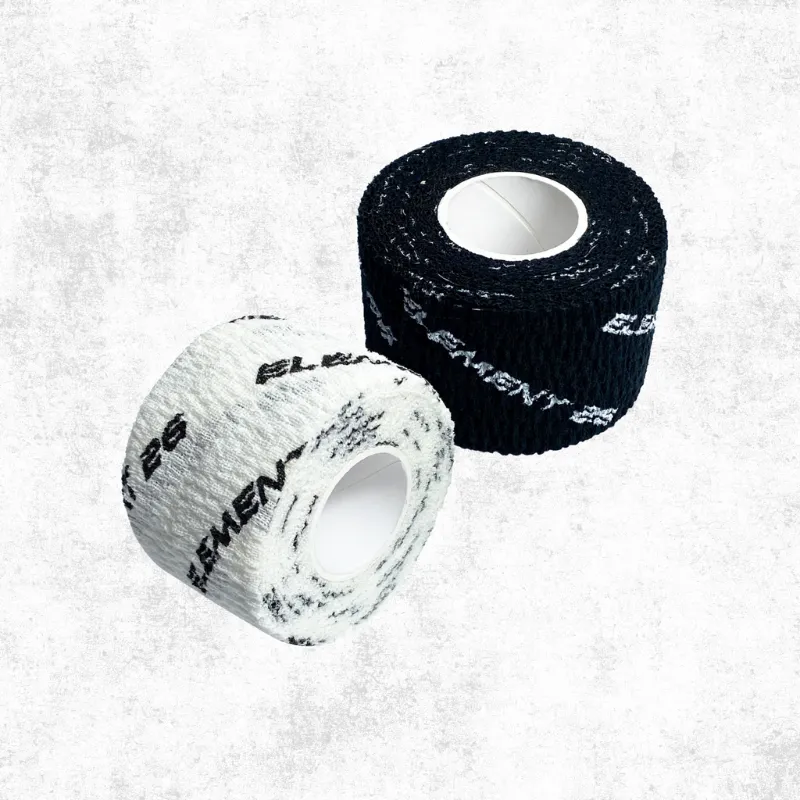
There is no fixed number of minutes: how long lifting tape stays on depends on the tape, how much you sweat, and the lifts you do. Element 26 says its weightlifting tape uses a sweat-proof adhesive that won’t peel off, even in hot workouts, and a no-residue formula. High-volume sessions and heavy sweat still put more strain on any tape. For the current code, see our Element 26 codes and deals.
Understanding what affects tape longevity helps you plan your training and avoid mid-set failures.
What Affects Weightlifting Tape Durability
Several factors determine how long your tape holds up under load. Sweat is the main culprit: once moisture seeps under the adhesive, tape can start to peel.
The type of movement matters significantly. Hook grip work and heavy deadlifts create intense shear forces that strain the adhesive more than basic barbell work. Gymnastic movements on rings or bars add friction that wears through tape faster than pure lifting.
Tape quality makes a substantial difference. Premium athletic tapes designed specifically for weightlifting use stronger adhesives and more durable backing materials than generic sports tape. Element 26 lists its tape as a cotton blend, 1.5 inches wide, that tears by hand.
Your skin preparation also plays a role. Clean, dry hands allow better adhesive contact, while oils, lotions, or chalk residue create barriers that reduce tape lifespan. Apply tape before chalk, not over it.
Best Lifting Tape Application for Maximum Hold
Proper application extends tape life significantly. Start with completely clean, dry hands: wash and dry thoroughly, then wait a few minutes to ensure no residual moisture remains. Apply chalk after taping, never before.
Overlap each wrap by about half the tape width to create multiple adhesive layers. This redundancy means that even if the outer layer starts to peel, inner layers continue to hold. For thumb coverage during hook grip, a common method is:
- A couple of anchor wraps around the base of your thumb
- Diagonal wraps moving toward the tip, overlapping by about half
- Final anchor wrap at the base to seal the ends
- Smooth pressure on each layer to activate the adhesive
Avoid stretching the tape excessively during application. While some tension helps conformity, over-stretching reduces adhesive contact and creates elastic recoil that works against the bond. The tape should lie flat and smooth without puckering or gaps.
How Training Type Affects Tape
Different training styles put different demands on tape. Olympic weightlifting uses hook grip on most reps, so thumb tape takes steady wear.
CrossFit metcons push tape harder due to higher rep counts and mixed modalities, with more friction and sweat than strength-focused training. Retape or reinforce when you see edges lift.
Powerlifting and strength sessions have lower overall volume despite heavier loads, so tape takes less friction than in high-rep work.
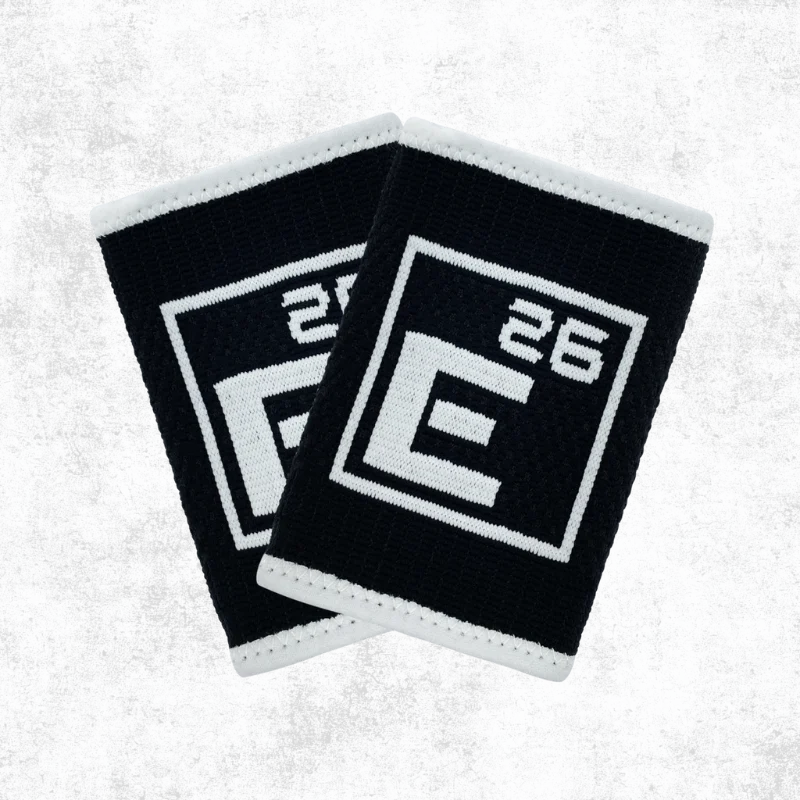
You can pair tape with Element 26’s wrist sweatbands (a low-profile 5 inch design, sold as 2 pairs) to catch sweat before it reaches your hands.
When to Replace or Reinforce During Training
Watch for these signs that your tape is failing. Edges lifting away from skin indicate the adhesive is losing bond, so address this right away before the entire piece peels. Visible gaps between tape layers or skin mean you’ve lost structural support even if the tape technically remains attached.
A sliding sensation during lifts signals that the tape is moving against your skin rather than staying fixed. This defeats the purpose of taping. If you notice any of these issues mid-session, take a moment to reinforce or replace the tape.
Strategic reinforcement is faster than complete retaping. Add a single wrap over areas that are lifting, using firm pressure to reactivate the adhesive. For athletes who know they sweat heavily, applying a fresh reinforcement wrap partway through the session prevents problems before they start.
Some lifters keep a second application ready for two-a-day training or competitions. Rather than trying to stretch a single taping across two sessions, plan to retape completely in between.
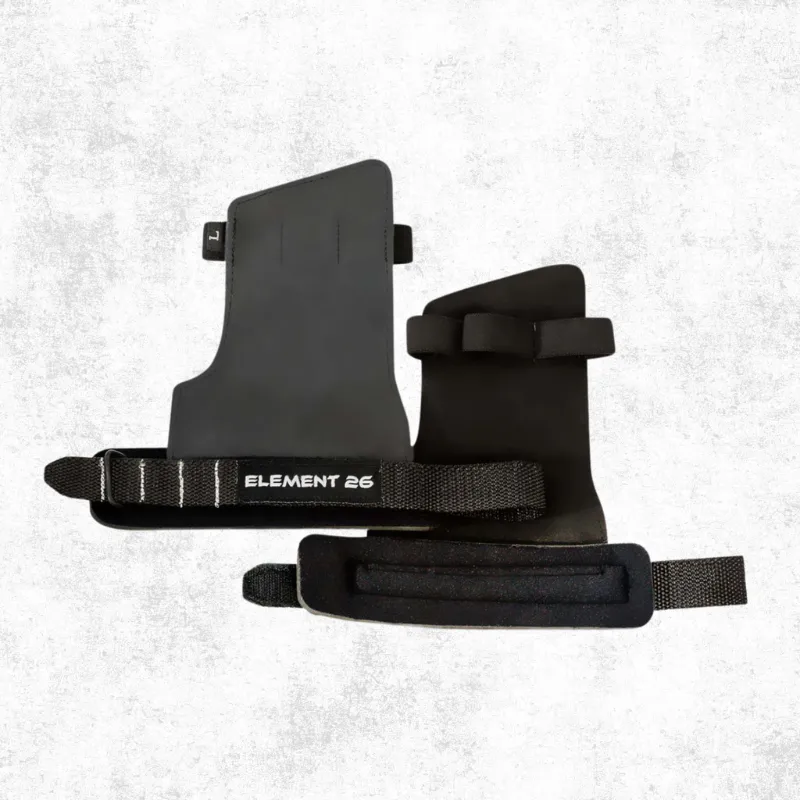
If you want something reusable, Element 26’s IsoGrips cover the palm with finger loops and neoprene wrist padding, per Element 26.
Extending Tape Life and Getting Better Value
Small adjustments help each roll go further. Store your tape in a cool, dry place, since heat and humidity can weaken the adhesive even before you open the package. Keep it in your gym bag’s inner pocket rather than a hot car trunk.
Apply tape only where you need it. Full-hand wraps use a lot of tape. Target specific friction points: thumbs for hook grip, palm creases for bar work, or individual fingers for gymnastic movements.
Remove tape carefully after training to preserve your skin for the next session. Peel slowly in the direction of hair growth, and clean any adhesive residue with soap and water. Damaged skin won’t hold tape as well tomorrow, creating a negative cycle.
Check our Element 26 code before you stock up. Element 26 sells its tape in packs of 3 or 5 rolls.
Consider your actual needs against alternatives. If sweat is your main problem, wrist sweatbands paired with minimal taping may be all you need. The best lifting tape strategy balances protection, cost, and convenience for your training style.
Compare your usage against reusable options like grips if you’re going through multiple rolls weekly. While tape excels for hook grip and specific protection needs, athletes taping their entire hands daily may find better economy and performance with purpose-built hand protection. Resources like this hook grip tape guide offer additional perspectives on specialized applications.
Choosing the Right Tape for Your Training Volume
Match your tape choice to your training demands. High-volume athletes need tapes with aggressive adhesives and tear-resistant backing that justify premium pricing. Lighter users can pick mid-range options that balance cost and performance.
Look for tapes specifically marketed as weightlifting tape for hands or athletic tape rather than medical tape. The adhesive formulations differ: medical tape prioritizes gentle removal and breathability, while athletic tape emphasizes hold strength and durability under stress.
Width matters for efficiency. Narrower tapes, such as Element 26’s 1.5 inch tape, suit precise thumb wrapping, while wider options cover more area faster but use more tape on small applications.
Trying a small pack before buying in bulk saves money and frustration. Tape performance varies by individual: your sweat chemistry, skin texture, and movement patterns create unique demands. What works perfectly for one athlete may fail quickly for another, so invest time finding your best match before committing to a case.
Questions
How long does lifting tape stay on during a typical workout?
There is no fixed time. It depends on the tape, how much you sweat, and your lifts. High-rep work with lots of friction wears tape faster than low-volume strength sessions, so check the edges and reinforce them when they lift.
Can I reuse lifting tape for multiple training sessions?
No. Lifting tape is made for single use. The adhesive loses its hold once you peel it off, so apply fresh tape for each session.
What makes weightlifting tape fail during heavy lifts?
Sweat is the primary cause of tape failure, as moisture weakens the adhesive bond. Heavy shear forces from hook grip deadlifts, inadequate skin preparation, over-stretching during application, and low-quality tape adhesives also contribute to premature failure during intense training.
Should I tape over chalk or apply chalk over tape?
Always apply chalk after taping, never before. Chalk creates a barrier that prevents proper adhesive contact with your skin. Clean, dry skin provides the best foundation for long-lasting tape application.
Is there a difference between medical tape and weightlifting tape?
Yes, weightlifting tape uses stronger adhesives and more durable backing designed to withstand intense friction and moisture during training. Medical tape prioritizes gentle removal and breathability, making it inadequate for the demands of heavy lifting and high-volume workouts.
When should I use hand grips instead of tape?
Hand grips work better for athletes who need full-palm protection across multiple sessions or go through several rolls of tape weekly. Tape suits hook grip thumb coverage and targeted areas, while grips offer reusable, cost-effective protection for high-volume gymnastic and bar work.
Products in this guide
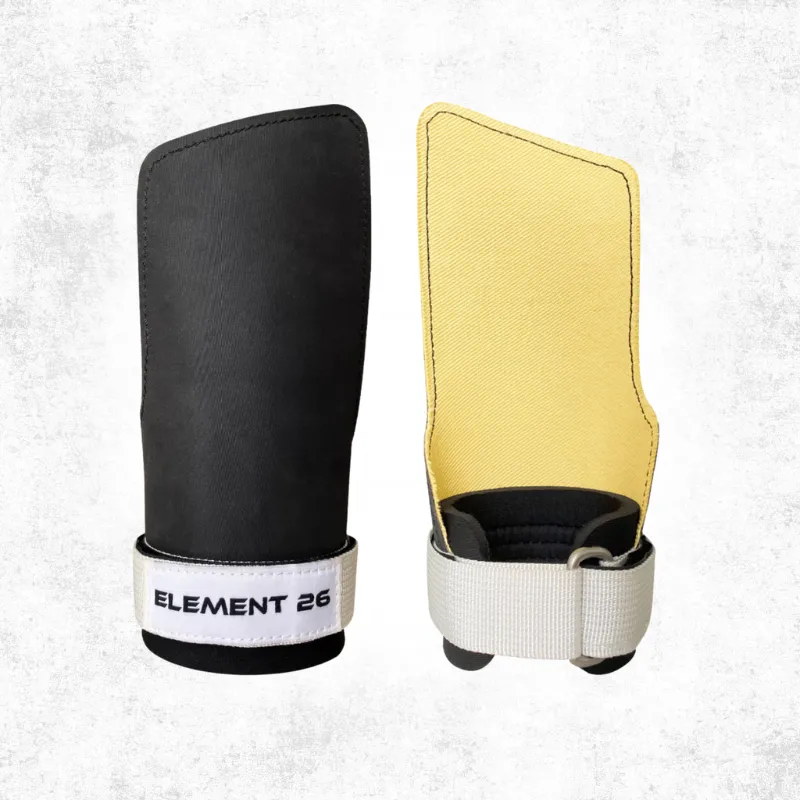 Shopping at Element 26? See the discount code
10% OFF Sitewide
More in this series
 How to Choose Between Leather vs Nylon Weightlifting Belts for Your Training Style29 Jul 20266 minDo Gymnastic Hand Grips Work for CrossFit? What to Know Before You Buy29 Jul 20264 minElement 26 IsoGrip vs IsoComp vs Vise Grips: Which Grip Style?29 Jul 20263 minWhen to Replace Your Weightlifting Belt: Signs of Wear and Safety Tips29 Jul 20264 minWrist Sweatbands for Lifting: Do They Actually Improve Grip and Performance?29 Jul 20264 min