 A Element 26 guide
Do Gymnastic Hand Grips Work for CrossFit? What to Know Before You Buy
Crossfit hand grips designed for gymnastics are made for pull-ups, toes-to-bar and muscle-ups, but fit and feel depend on the material and construction.
Crossfit hand grips built for gymnastics are made for pull-ups, toes-to-bar, and muscle-ups, and how well they suit you depends on material thickness, wrist closure, and how much chalk you use. Our Element 26 discount code page lists the current code and how to use it.
The short answer: gymnastic-style grips are designed to cover your palms from bar friction, but you need to match the design to your training volume and grip strength. A thinner leather grip that works for strict pull-ups may slip or roll during kipping butterfly sets, while a thicker competition-grade grip can feel stiff for barbell work.
What Makes Gymnastic Hand Grips Different from CrossFit-Specific Models
Traditional gymnastic hand grips were designed for high bar and rings, where athletes maintain a consistent hook grip and rarely transition to barbells. CrossFit demands more versatility: you might hit 50 pull-ups, then immediately grab a barbell for cleans or snatches.
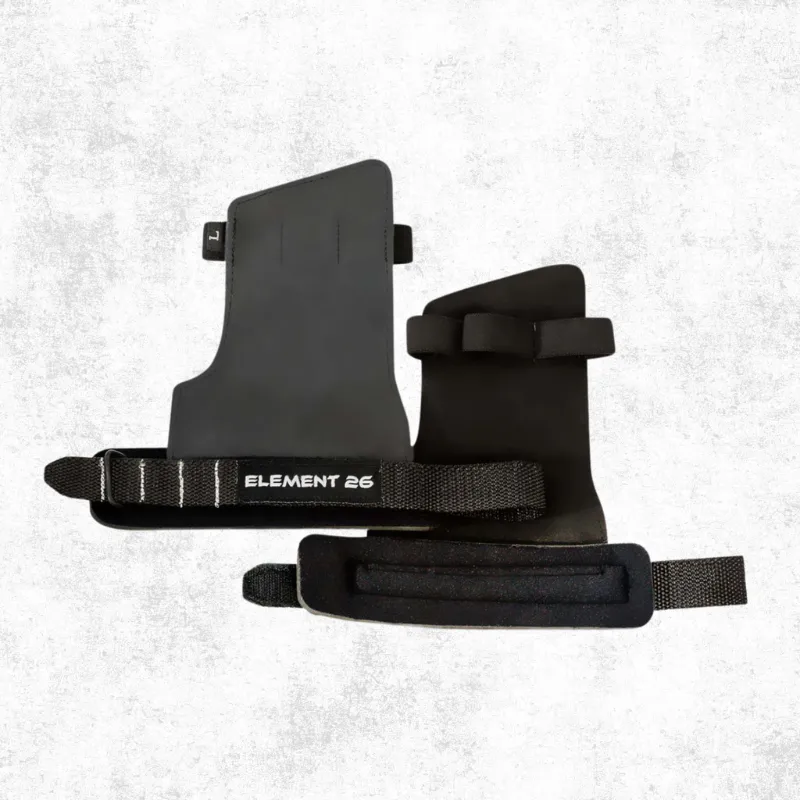
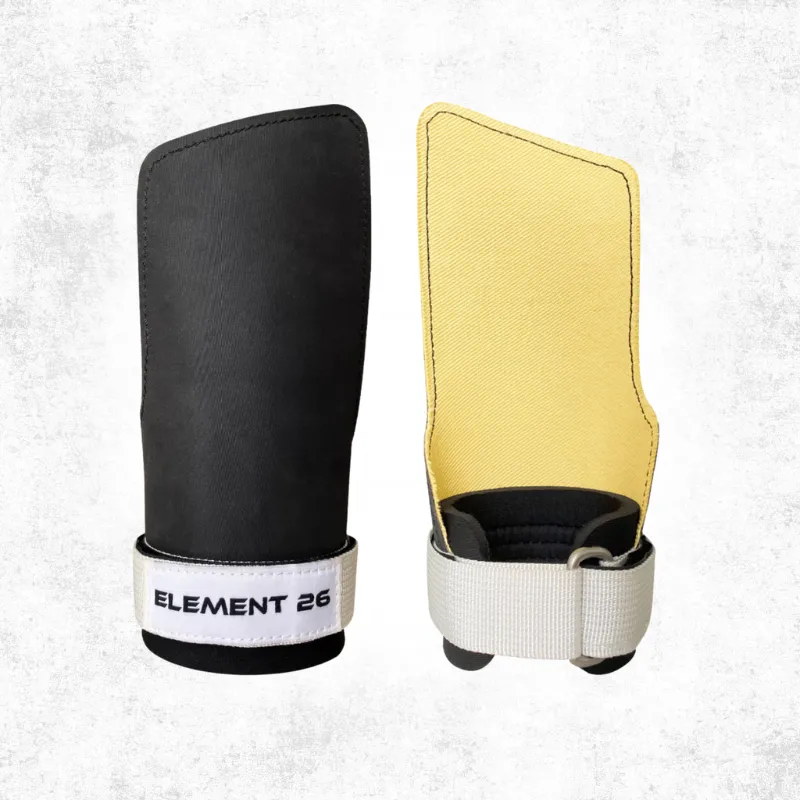
Element 26’s own grips show the range. Its IsoGrips offer full palm coverage with finger loops and neoprene wrist padding, and Element 26 says they grip bare steel without chalk. Its IsoComp grips add a Kevlar palm coating and a thinner profile for more bar feel, with a steel buckle clip and a quad-stitched strap. The Vise Grips use 2.5mm dual-layer microfiber with a 3-finger-hole design. All three come in small, medium and large.
Key differences to compare:
- Palm coverage: check how far the grip runs below the fingers, since less coverage leaves more skin exposed near the wrist crease.
- Wrist closure: Velcro is standard for CrossFit; gymnastics grips sometimes use buckles or dowel sleeves that take longer to adjust.
- Material thickness: thinner grips give more bar feel; thicker or multi-layer grips add padding.
- Finger holes: Gymnastics designs use tight, reinforced holes to prevent tearing; CrossFit grips may allow more stretch for mixed-modal work.
Closures and Transitions
If your workout includes heavy deadlifts or Olympic lifts immediately after gymnastics movements, a Velcro closure saves time. For gymnastics-only days or skill work, the snugger fit of traditional gymnastics grips reduces palm shifting.
Check our Element 26 discount code before you order.
Best CrossFit Hand Grips: Material and Construction Breakdown
Choosing between leather, synthetic, and carbon fiber comes down to how much you sweat, how often you train, and whether you compete. Here is how the materials compare.
Leather grips mold to your hand over time and absorb chalk well. Expect a break-in period where the finger holes feel stiff; working the material by hand helps.
Synthetic and carbon fiber grips resist moisture better than leather, making them ideal if you train in humid environments or sweat heavily. They do not break in the same way, so fit out of the box matters more.
Hybrid models combine a synthetic base with leather palm patches or reinforced stitching. Check seams every few weeks, especially where the finger holes meet the palm.
Sizing and Fit: Why Gymnastic Grips Require Different Measurements
Check what the maker’s chart measures: hand width across the knuckles, finger length or wrist circumference. A grip that fits your palm width may still create pressure points if the finger holes sit too high or low.
To size correctly:
- Measure from the base of your palm (wrist crease) to the base of your middle finger.
- Measure your wrist circumference where you would wear a watch.
- Compare your measurements to the manufacturer’s chart. When in doubt, size up, since tight finger holes are uncomfortable.
Element 26 sells its IsoGrips, IsoComp and Vise Grips in small, medium and large, so check its size chart before you order.
Grip Care and Longevity: Extending the Life of Your Investment
Leather grips last longer when you clean them regularly and condition them now and then. Chalk buildup hardens the material and creates cracking points near the finger holes.
- Damp cloth wipe: Removes surface chalk without soaking the leather. Do this after every workout.
- Mild soap wash: Check the maker’s care advice first. Now and then, wash grips in lukewarm water with a drop of dish soap, then air-dry flat (never in direct sun).
- Leather conditioner: Apply a small amount of mink oil or dedicated leather conditioner occasionally to keep the material supple.
Synthetic and carbon grips need less maintenance but still benefit from regular chalk removal. Use a stiff brush to clear buildup from texture patterns and finger holes. Store all grips flat or hanging, never balled up in your gym bag, which accelerates creasing and stitching failure.
If you train most days, rotating two pairs gives each pair time to dry between sessions.
Who Should Use Gymnastic Grips for CrossFit and Who Should Skip Them
Gymnastic hand grips suit intermediate to advanced athletes who have consistent kipping mechanics and train gymnastics movements multiple times per week. If you are still learning butterfly pull-ups or your hand placement shifts set to set, the narrower design can migrate and cause friction in new spots.
Best fit for:
- Athletes training for competitions where gymnastics volume is high
- Lifters with smaller hands who find standard CrossFit grips too bulky for barbell work
- Anyone who prioritizes a close, second-skin feel over quick removal
Skip them if:
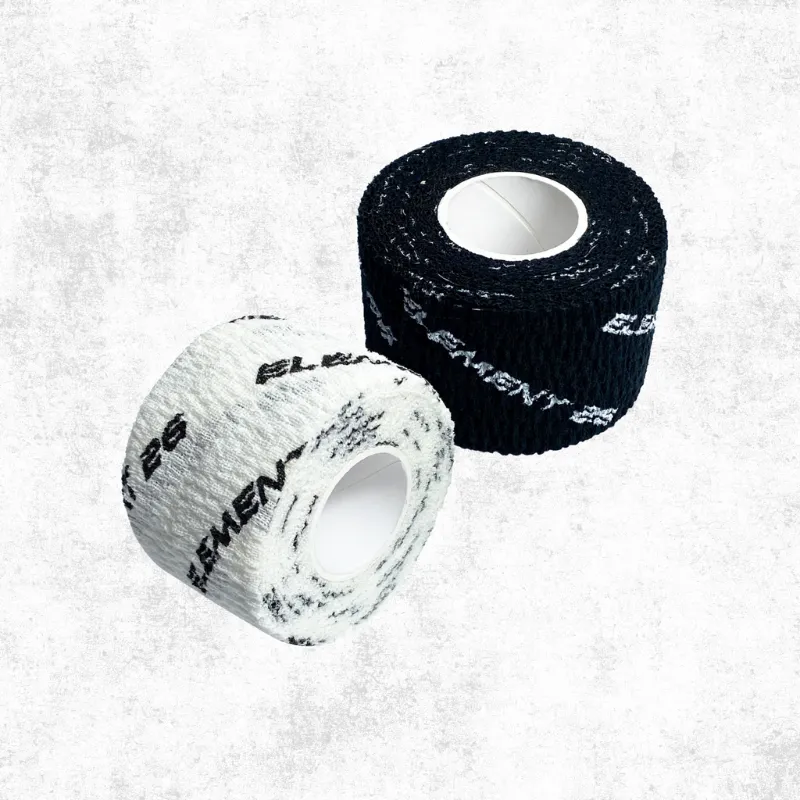
- You are new to kipping and still refining technique; bare hands or Element 26 lifting tape (a 1.5 inch cotton blend that tears by hand) may suit you while you learn
- Your workouts frequently mix heavy barbell lifts with pull-ups in tight intervals; Velcro closures save time
- You have wide hands or long fingers and the maker does not offer your size
For general CrossFit use, a versatile grip with a quick closure is the simpler pick. For dedicated pulling days or skill work, a thinner, closer-fitting grip gives more bar feel.
Visit the Element 26 store to compare sizing, and check our code before you order.
Questions
Do gymnastic hand grips work for CrossFit pull-ups?
They are designed for strict and kipping pull-ups and cover the palm against bar friction. Narrow wrist straps can be slower to take off than Velcro models when you switch to barbell work.
How long do gymnastic grips last with regular CrossFit training?
It depends on how often you train and how you care for them, so we do not give a fixed number. Clean off chalk regularly and check the stitching and finger holes for wear.
How do I size gymnastic grips?
Follow the maker's chart and check finger length and wrist size, not just palm width. Element 26 sells its IsoGrips, IsoComp and Vise Grips in small, medium and large.
Can I use gymnastic grips for barbell lifts like deadlifts and cleans?
You can use gymnastic grips for barbell lifts, but the narrower straps and tighter wrist closures make them slower to remove than Velcro CrossFit grips. For workouts with frequent bar-to-bar transitions, standard CrossFit grips or bare hands are more practical.
What is the difference between leather and carbon fiber hand grips for CrossFit?
Leather grips mold to your hand over time, absorb chalk well, and offer a traditional feel, while carbon fiber grips resist moisture better and require no break-in period.
How do I break in new gymnastic hand grips faster?
Wear new grips during light pull-up sets and work the material around the finger holes by hand to reduce stiffness. Check the maker's care advice before soaking them in water.
Products in this guide
 Shopping at Element 26? See the discount code
10% OFF Sitewide
More in this series
 How to Choose Between Leather vs Nylon Weightlifting Belts for Your Training Style29 Jul 20266 minHow Long Does Lifting Tape Last During Heavy Training Sessions?29 Jul 20265 minElement 26 IsoGrip vs IsoComp vs Vise Grips: Which Grip Style?29 Jul 20263 minWhen to Replace Your Weightlifting Belt: Signs of Wear and Safety Tips29 Jul 20264 minWrist Sweatbands for Lifting: Do They Actually Improve Grip and Performance?29 Jul 20264 min