 A Element 26 guide
How to Choose Between Leather vs Nylon Weightlifting Belts for Your Training Style
A nylon weightlifting belt offers quick adjustability and breathability, while leather delivers maximum rigidity for heavy compound lifts.
Understanding the Nylon Weightlifting Belt vs Leather Debate
A nylon weightlifting belt provides faster adjustability and greater breathability than leather, making it ideal for high-rep Olympic lifts and CrossFit-style workouts. Leather belts offer superior rigidity and long-term durability for powerlifting and max-effort compound movements. The best weight lifting belt for your training depends on your primary lifting style, comfort preferences, and how often you change exercises mid-session. You can find the current code on our Element 26 discount code page.

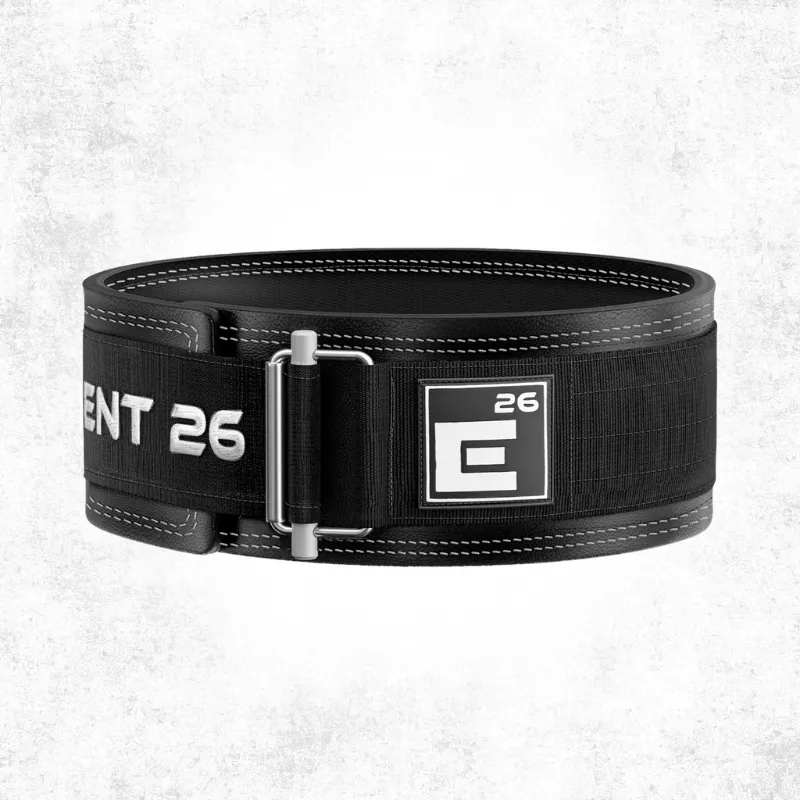
Whether you want a quick-release nylon belt such as Element 26’s GWE self-locking belt, a leather option such as its hybrid leather belt, or the locked-in feel of a lever weightlifting belt, this guide walks you through the core differences so you can match your gear to your goals.
Material Breakdown: Nylon vs Leather Construction
Nylon belts use woven synthetic fibers that flex with your torso while still giving you something firm to brace against. A Velcro or hook-and-loop closure lets you dial in tension in seconds, then release just as fast between sets or exercises. This makes a nylon weightlifting belt especially practical for circuit training, metcons, or any session where you alternate between lifts and bodyweight movements.
Leather belts are built from thick, vegetable-tanned or full-grain hides that need a break-in period. Once seasoned, leather molds to your torso shape and delivers maximum stiffness against heavy loads. Leather options come with a single- or double-prong buckle, a lever mechanism or, on Element 26’s hybrid leather belt, a self-locking buckle. Lever systems lock into a preset hole for consistent tightness, while prong buckles allow micro-adjustments hole by hole.
Key trade-offs at a glance:
| Feature | Nylon | Leather |
|---|---|---|
| Adjustability | Infinite micro-adjustment via Velcro | Fixed holes (prong) or single setting (lever) |
| Break-in period | Ready to use immediately | Needs time to soften and conform |
| Breathability | High; wicks moisture | Low; traps heat against skin |
| Rigidity | Moderate flex | Maximum stiffness for bracing |
For a broader comparison, see BarBend’s weightlifting belt roundup.
Closure Systems: Velcro, Prong, and Lever Compared
With a Velcro (hook-and-loop) closure, you wrap the belt snugly, press the flap down, and you’re set. Between exercises you peel it open quickly, which helps during supersets or timed workouts. The downside is that Velcro can lose grip over time if exposed to chalk dust or lint, so regular cleaning extends lifespan.
Prong buckles, used on both leather and some reinforced nylon designs, thread through one or two metal prongs and lock into a row of holes. Single-prong systems are faster; double-prong systems distribute pressure more evenly but take longer to fasten. If your waist measurement fluctuates or you share a belt, prongs offer more flexibility than a fixed lever.
Lever belts use a cam-lock lever that snaps into a pre-drilled hole. Once you set your size, every lift uses the same tightness, ensuring consistency across sessions. Changing the hole requires a screwdriver, so levers work best if your waist stays stable and you rarely lend your belt to training partners.
Element 26’s belts use another option: a quick-release Self-Locking buckle that is infinitely adjustable, per Element 26. Its GWE self-locking belt is 100% nylon, and its hybrid leather belt pairs a 6mm, 4-inch-wide leather body with the same Self-Locking mechanism and a Velcro strap. Element 26 lists a lifetime warranty on both. If you’re new to bracing or train in a fast-paced gym, a quick-release nylon belt is an easy place to start. Check our Element 26 code before you order.
Choosing by Training Style and Lifting Goals
Olympic Weightlifting and CrossFit: Snatches, cleans, thrusters, and box jumps demand a belt that moves with you and comes off quickly. A tapered weightlifting belt in nylon stays narrow at the front to avoid digging into your hips during the catch position. The instant on-off of Velcro means you can strip the belt for pull-ups or burpees without wasting transition time.
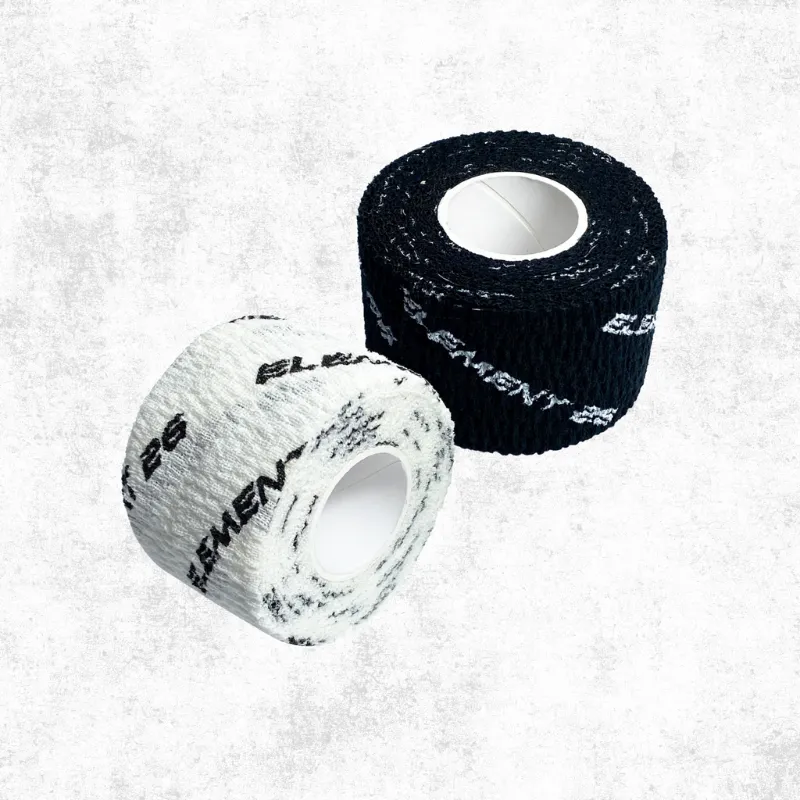
Powerlifting and Strength Cycles: Back squats, deadlifts, and bench-press work benefit from maximum core stiffness. A thick leather belt with uniform width all the way around gives your abs and obliques a rigid wall to push against. Pair a quality leather belt with lifting tape on your thumbs for hook-grip support during warm-up sets.
General Fitness and Bodybuilding: If your program mixes compound lifts with isolation moves, cables, and machines, a nylon weightlifting belt offers the best of both worlds. You get enough structure for working sets of squats and Romanian deadlifts, plus the comfort to keep it on through accessory circuits.
For athletes who train multiple modalities, owning both types lets you match the tool to the task. Keep your leather belt in the gym bag for dedicated leg or back days, and throw the nylon option in your duffel for classes or travel workouts.
Fit, Sizing, and Comfort Considerations
Belt sizes vary by brand, so check the size chart for a 3xl weight lifting belt if you need one for a larger torso. Element 26 lists its self-locking and hybrid leather belts from Extra Small to Extra Large. Measure your waist at navel height while standing relaxed, then check the maker’s size chart. Nylon belts with Velcro or self-locking closures adjust across a range, so small changes in body size do not need a new belt.
Leather belts require a more precise fit because you’re locked into fixed holes. If you order a prong belt, aim for the middle hole at your current measurement so you have room to tighten or loosen as needed. Lever belts demand even tighter sizing, since adjusting the hole is a manual process.
Width and taper also affect comfort. A uniform 4-inch width (the width Element 26 uses) provides a large surface for bracing but can dig into your ribs or hips if you have a shorter torso. Tapered designs are narrower at the front, which leaves more room during overhead movements and deep squats.
Break-in tips for leather:
- Wear the belt around the house for short periods during the first week.
- Roll it tightly (inside-out) and secure with a resistance band overnight to soften the fibers.
- Apply a leather conditioner if the hide feels dry or cracks appear at stress points.
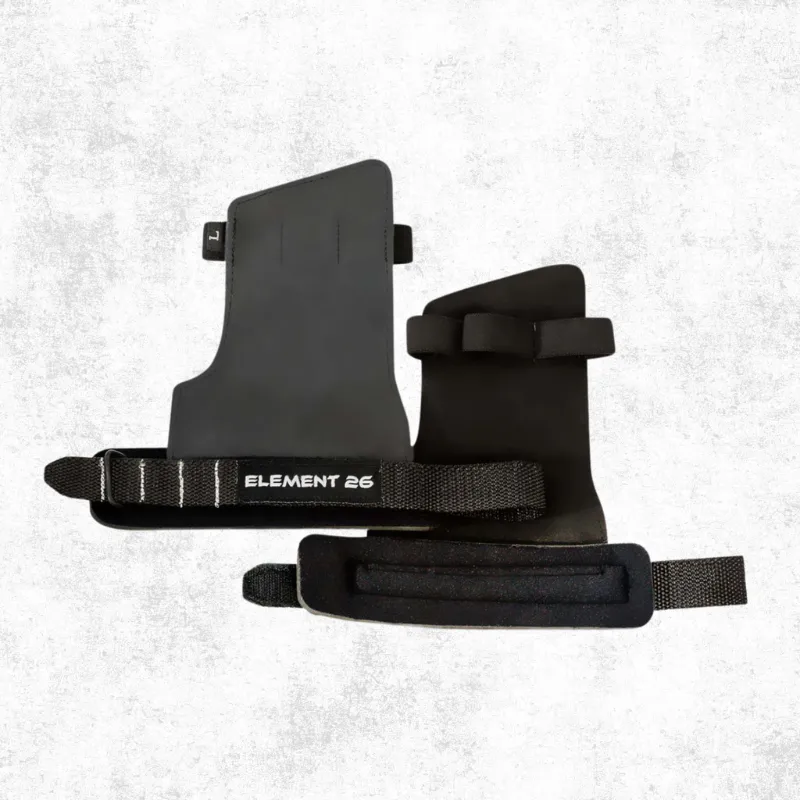
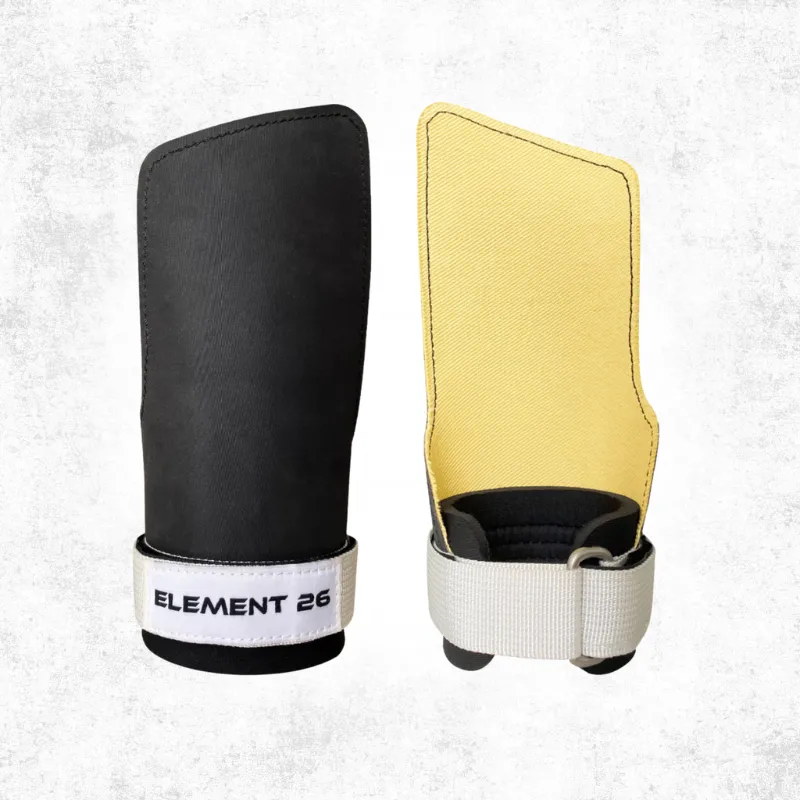
Nylon requires zero break-in. Unbox it, adjust the Velcro, and start lifting. Pair your new belt with Element 26 IsoGrips or IsoComp gymnastic hand grips if you’re tackling pull-ups and toes-to-bar in the same session.
Care, Maintenance, and Longevity
Nylon belts tolerate sweat and moisture better than leather, but the Velcro needs regular attention. After every few sessions, brush off chalk dust and lint with a stiff nylon brush or an old toothbrush. Hand-wash the belt in cold water with mild detergent when it needs it, then air-dry flat. Avoid machine dryers.
Leather belts should never be soaked. Wipe them down with a damp cloth after heavy training, then let them dry at room temperature away from direct sunlight or heat sources. Now and then, apply a thin coat of leather conditioner or mink oil to prevent cracking. Store leather belts flat or loosely rolled, never folded, to preserve the hide’s integrity.
Element 26 lists a lifetime warranty on its self-locking and hybrid leather belts, so check the warranty terms before replacing one.
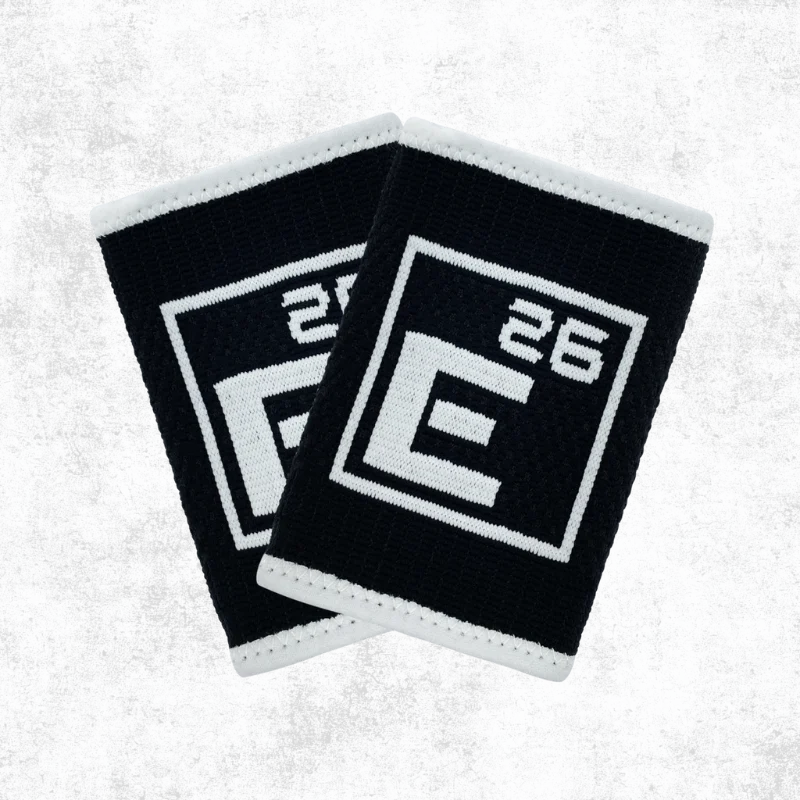
If you cycle between strength, Olympic lifting, and conditioning, owning a leather belt for max days and a nylon option such as the GWE self-locking belt for volume work lets you match the belt to the session, and rotating belts gives each one time to air out. Keep Element 26’s wrist sweatbands (sold as 2 pairs) handy during high-rep sessions to keep sweat off your hands.
Making Your Final Decision
Start by listing your three most frequent lift types. If two or more are dynamic, high-rep, or require frequent torso rotation, a nylon weightlifting belt will serve you better day-to-day. If your program centers on progressive overload in the squat, deadlift, and bench press, invest in a quality leather belt with a prong or lever closure.
Budget and storage also matter. Nylon belts pack flat into a gym bag without adding bulk. Leather belts are heavier and stiffer, so they demand dedicated space. For home-gym athletes, that’s rarely an issue; for those who commute to a commercial facility or box, packability can tip the scales toward nylon.
Finally, consider break-in. A leather belt rewards patience while it softens, while a nylon belt is comfortable from the first session. If you want one of each, check our Element 26 code before you order.
Questions
What is the main advantage of a nylon weightlifting belt over leather?
Nylon belts adjust quickly and need no break-in, which suits high-rep workouts, Olympic lifts, and circuit training where you take the belt off between exercises.
How long does it take to break in a leather lifting belt?
It varies by belt and how often you wear it. You can help it along by wearing the belt around the house, rolling it tightly overnight, and applying leather conditioner to dry areas.
Can I wash a nylon weightlifting belt in the washing machine?
Hand-washing in cold water with mild detergent is the safer choice. Always air-dry flat and never use a machine dryer.
Which closure type is fastest during a timed CrossFit workout?
Velcro and quick-release buckles, such as Element 26's Self-Locking buckle, are the fastest to tighten and release. Prong and lever systems take more time to fasten and adjust between movements.
Do I need different belt widths for squats versus Olympic lifts?
A uniform 4-inch belt maximizes bracing surface for heavy squats and deadlifts. A tapered design that narrows at the front reduces interference during cleans, snatches, and deep overhead squats, especially if you have a shorter torso.
How often should I replace a nylon lifting belt?
Replace it when the closure stops holding or the webbing frays. Element 26 lists a lifetime warranty on its self-locking belts, so check the warranty before you buy a new one.
Products in this guide
 Shopping at Element 26? See the discount code
10% OFF Sitewide
More in this series
Do Gymnastic Hand Grips Work for CrossFit? What to Know Before You Buy29 Jul 20264 minHow Long Does Lifting Tape Last During Heavy Training Sessions?29 Jul 20265 minElement 26 IsoGrip vs IsoComp vs Vise Grips: Which Grip Style?29 Jul 20263 minWhen to Replace Your Weightlifting Belt: Signs of Wear and Safety Tips29 Jul 20264 minWrist Sweatbands for Lifting: Do They Actually Improve Grip and Performance?29 Jul 20264 min