 A PsEYEche guide
How to Put in Sclera Lenses Safely Without Damaging Your Eyes
We tested the safest insertion methods for white contact lenses and sclera lenses so you can avoid eye damage and achieve dramatic looks with confidence.
White contact lenses and sclera lenses create stunning full-eye effects for cosplay, Halloween, and costume events, but their larger diameter requires a different insertion technique than standard contacts.
Sclera lenses measure 17 to 22 mm in diameter, compared to 14 mm for regular contacts, which means they vault over your cornea and rest on the white of your eye. This larger size demands proper hydration, positioning, and handling to avoid scratches, infections, or oxygen deprivation.
What Makes Sclera Lenses Different From Regular Contacts
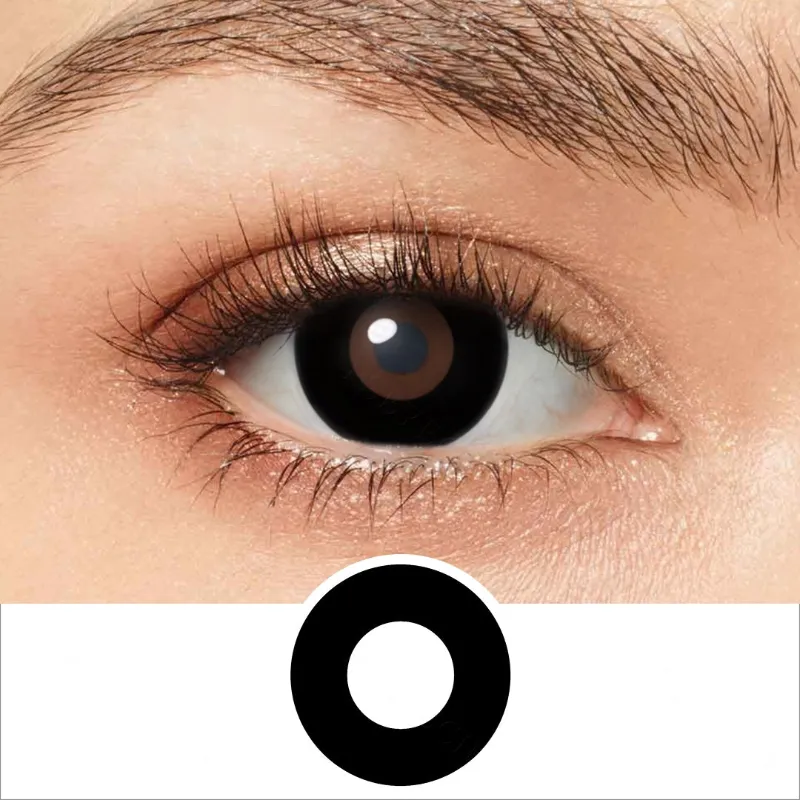
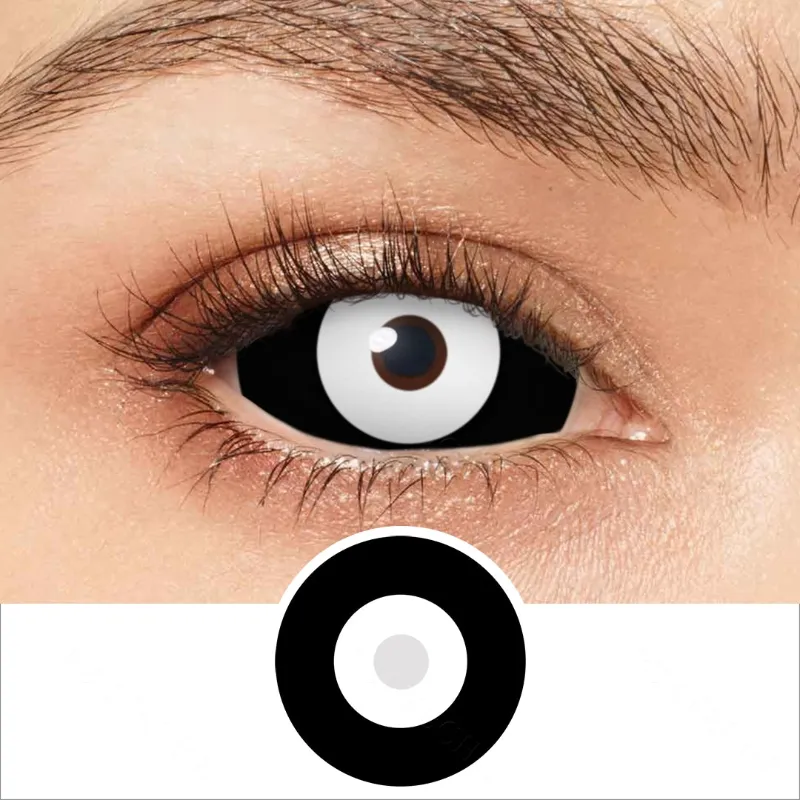
Standard contacts sit on your cornea and move with every blink. Sclera lenses cover the entire visible surface of your eye, resting on the sclera (the white part) and creating a fluid reservoir between the lens and your cornea. This design makes them ideal for dramatic effects like blackout contacts or vampire contact lenses, but the insertion process requires both hands and a stable surface.
The key differences that affect insertion include:
- Larger diameter requiring more surface area preparation and filling solution
- Rigid or semi-rigid materials (usually gas permeable) that hold their shape during handling
- No blinking during insertion since the lens must slide under both eyelids simultaneously
- More filling solution needed to create the protective fluid cushion
Understanding these differences helps you avoid the most common mistakes: insufficient lubrication, forcing the lens against a dry eye, or attempting to insert without fully opening both lids.
Step-by-Step Insertion Technique for White Contact Lenses and Sclera Styles
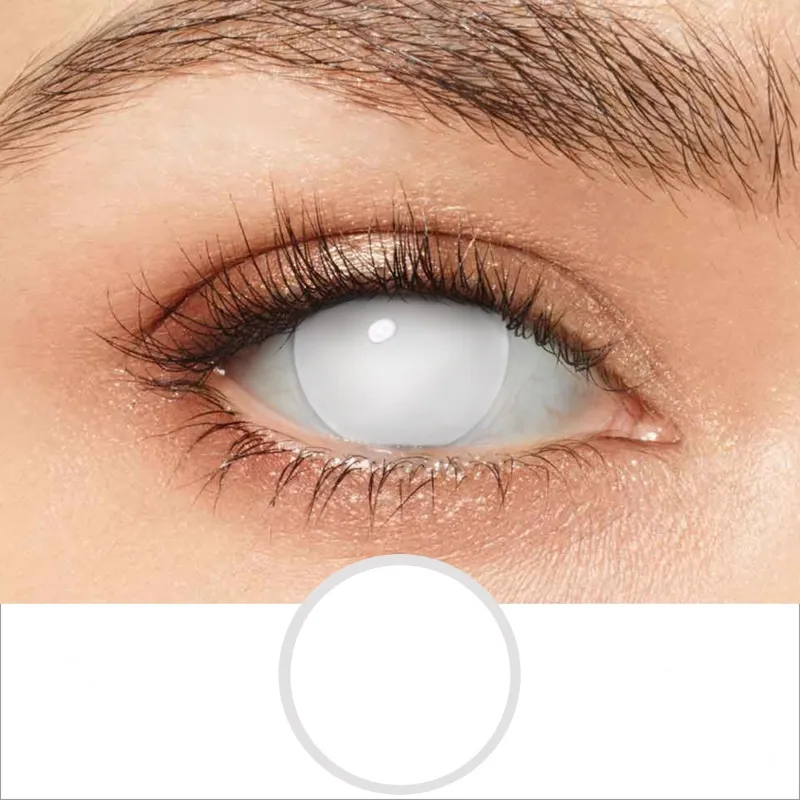
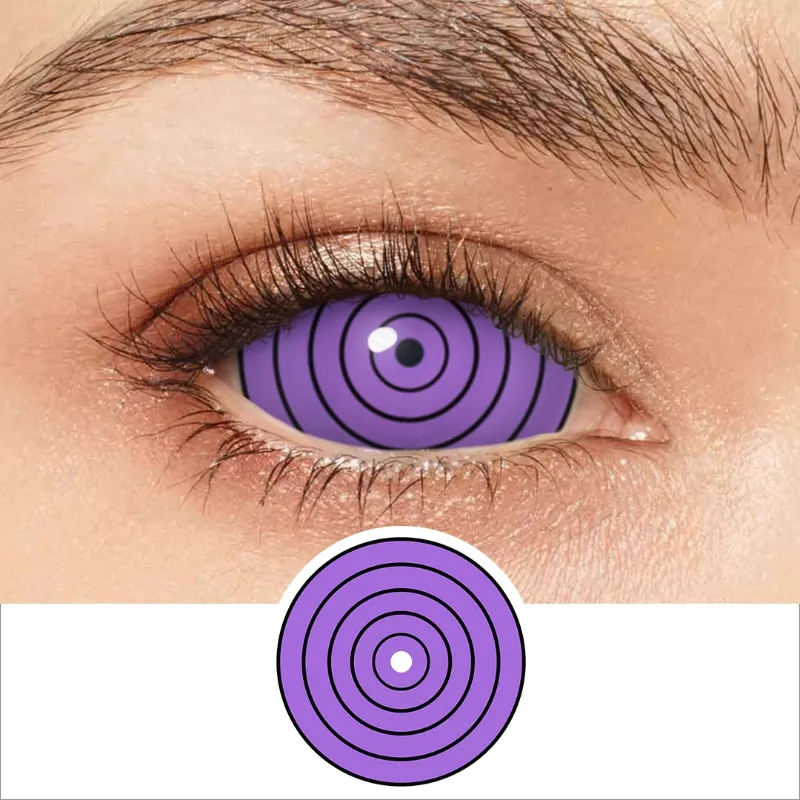
We recommend this technique whether you’re inserting white contact lenses for a cosplay or full sclera styles like naruto eyes. The process takes practice, but following each step reduces your risk of corneal abrasion.
Before You Begin:
- Wash your hands thoroughly with fragrance-free soap and dry with a lint-free towel
- Inspect the lens for cracks, tears, or debris
- Fill a plunger or your palm with preservative-free saline solution
Insertion Steps:
- Fill the lens bowl with preservative-free saline until it forms a dome without air bubbles. For mini-sclera (17 mm) you’ll need about 3-4 drops; full sclera (22 mm) requires 6-8 drops.
- Position your face parallel to the floor by leaning over a table or counter. This prevents the solution from spilling out of the lens bowl before insertion.
- Hold the lens using a sclera DMV insertion tool (small suction plunger) or balance it on three fingertips if you have steady hands. Never pinch the lens edges.
- Use your non-dominant hand to hold both eyelids open simultaneously. Pull your upper lid up toward your eyebrow and your lower lid down toward your cheek, exposing the entire eye surface.
- Look straight ahead and bring the lens toward your eye in one smooth motion. The solution should touch your eye first, followed by the lens edges sliding under your lids.
- Release your lower lid first, then your upper lid. Look down briefly to help the lens settle, then blink gently to distribute the solution.
If you feel sharp pain or the lens doesn’t center properly, remove it immediately and start over with fresh solution. According to experts in theatrical contact lenses, most insertion problems stem from inadequate filling solution or incomplete lid retraction.
Common Mistakes That Damage Your Eyes
After testing insertion methods with our team, we identified four errors that cause the majority of sclera lens injuries:
Inserting on a dry eye: Always use preservative-free saline to fill the lens bowl. Tap water, saliva, and regular contact solution contain preservatives or contaminants that irritate the cornea. The fluid cushion is essential for oxygen permeability and comfort.
Forcing the lens: If the lens won’t slide in smoothly, your eyelids aren’t open wide enough or the lens is folded. Remove it, refill with saline, and try again. Never push a stuck lens.
Touching the lens center: Your fingerprints transfer oils and bacteria. Handle lenses by the edges only, or use a DMV plunger designed for sclera insertion.
Skipping the parallel position: Tilting your head back causes the saline to spill before the lens reaches your eye, leaving you with a dry insertion that can scratch your cornea.
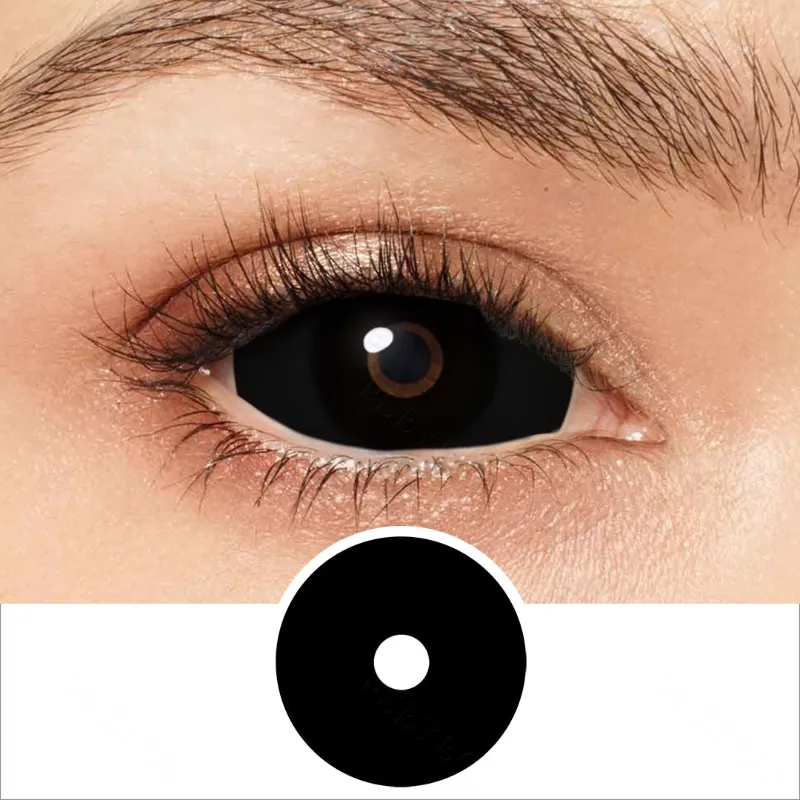
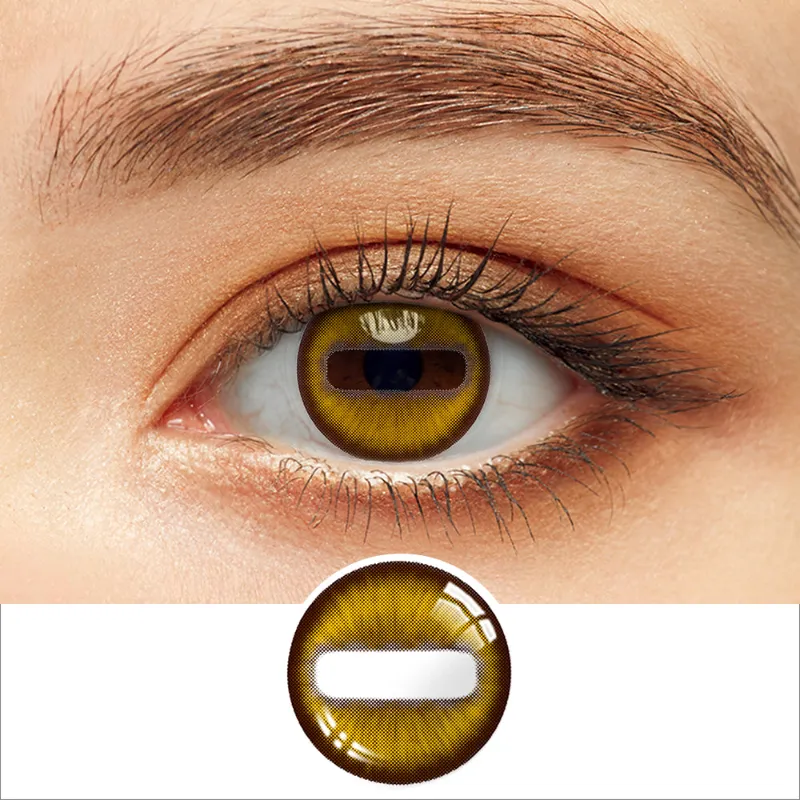
We also see people attempt to insert black contacts or goat eye styles without first practicing with clear training lenses. The opaque designs make it harder to see your eye position, so master the technique with clear lenses before moving to effect styles.
How to Remove Sclera Lenses Safely
Removal is simpler than insertion but requires the same care. Look up and slide the lower edge of the lens down onto your lower eyelid using your index finger. Pinch the lens gently between your thumb and index finger to break the suction seal, then lift it away from your eye.
For stubborn lenses, apply 1-2 drops of preservative-free saline to rehydrate the surface before attempting removal. Never try to pry a dried lens directly off your eye.
After removal, clean the lens immediately with your recommended solution (typically a Boston cleaner for rigid gas permeable lenses) and store in fresh disinfecting solution. Replace the storage solution daily and never top it off.
Choosing the Right Sclera Lenses for Your Experience Level
If you’ve never worn contacts before, we recommend starting with mini-sclera (17-18 mm) rather than full sclera (20-22 mm). Mini-sclera styles like standard white contact lenses for Halloween offer dramatic coverage with a shorter learning curve.
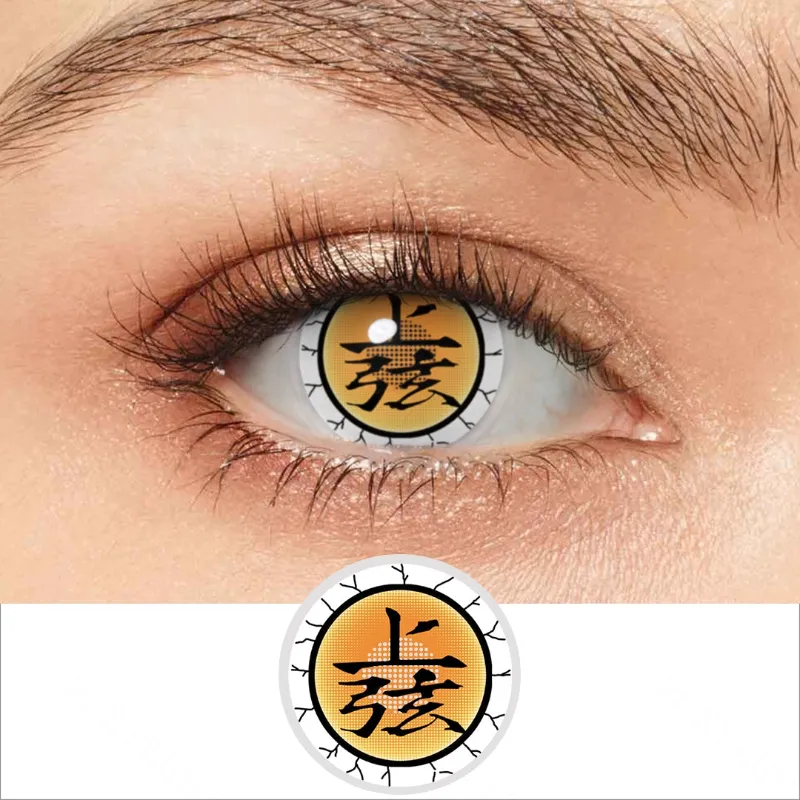
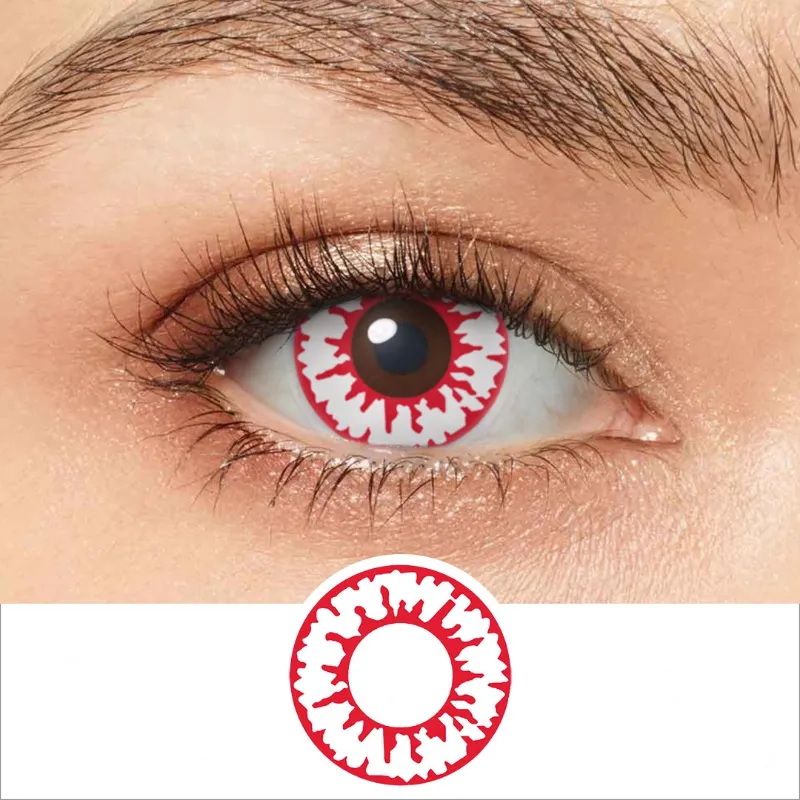
For experienced wearers, full sclera options including akaza eye and bloodshot eye contact lenses deliver the most striking transformations. These require more filling solution and precise positioning but create seamless full-eye effects that smaller lenses can’t match.
Comparison of Sclera Sizes:
| Size | Diameter | Best For | Insertion Difficulty |
|---|---|---|---|
| Mini-sclera | 17-18 mm | First-time users, daily wear | Moderate |
| Full sclera | 20-22 mm | Cosplay, theatrical effects | Advanced |
When you’re ready to order, check the latest price at PsEYEche and grab the current discount code for 20% off all sclera styles.
Hygiene and Safety Guidelines
The larger surface area of sclera lenses creates more opportunities for bacterial contamination. Follow these protocols every time you handle your lenses:
- Replace your lens case every 3 months minimum
- Never sleep in sclera lenses unless specifically prescribed for overnight wear
- Remove lenses immediately if you experience redness, pain, or vision changes
- Limit wear time to 6-8 hours for rigid gas permeable styles
- Schedule annual eye exams even if you only wear costume lenses occasionally
For white contact lenses for men or any dramatic effect style, resist the temptation to share lenses with friends. Each person’s eye measurements and bacteria profile are unique, and sharing lenses transfers microorganisms that cause infections.
Before your first insertion, sterilize your hands, your work surface, and all tools. Keep a mirror, your lens case, a DMV plunger, and preservative-free saline within reach. Many users also keep rewetting drops handy for mid-wear comfort.
The learning curve for sclera insertion typically spans 5-10 attempts before you can insert smoothly in under two minutes. Visit our discount code page to stock up on the lens care products and effect styles you need to practice safely, and remember that patience during insertion protects your vision for the long term.
Questions
Can you wear white contact lenses if you've never worn contacts before?
Yes, but we recommend starting with mini-sclera (17-18 mm) rather than full sclera styles. Practice insertion with clear training lenses first, then move to opaque white designs once you've mastered the technique. Allow 5-10 practice sessions before wearing them to an event.
How long does it take to put in sclera lenses?
First-time insertion typically takes 10-15 minutes per eye. With practice, most wearers reduce this to 2-3 minutes per eye. The key is setting up your work area with all supplies within reach and using preservative-free saline to fill the lens bowl properly.
Why do my sclera lenses hurt when I put them in?
Pain during insertion usually indicates insufficient filling solution, a folded lens edge, or forcing the lens against a dry eye. Remove the lens immediately, refill with fresh saline, and ensure both eyelids are fully retracted before trying again. Never continue wearing a lens that causes sharp pain.
Can I use tap water to insert sclera lenses?
No, never use tap water. Tap water contains microorganisms and minerals that cause serious eye infections and corneal damage. Always use sterile preservative-free saline to fill the lens bowl and rewet during wear.
Do I need a prescription for black sclera or white contacts?
Requirements vary by country. In the US, all contact lenses are considered medical devices and technically require a prescription, even cosmetic styles. We recommend getting a proper eye measurement from an optometrist to ensure correct size and base curve for your sclera lenses.
How do I know if my sclera lens is inside out?
Place the lens on your fingertip and look at the edge profile. A correct lens has a smooth bowl shape with edges that curve inward. An inside-out lens has edges that flare outward. Sclera lenses are thicker than standard contacts, making this check easier to perform visually.
Products in this guide
 Shopping at PsEYEche? See the discount code
20% OFF All Orders
Shopping at PsEYEche? See the discount code
20% OFF All Orders
More in this series
Are Black Sclera Lenses Safe for All-Day Convention Wear?18 Aug 20265 minHow to Care for White Contact Lenses18 Aug 20264 minDo Naruto and Akaza Eye Contacts Look Realistic in Natural Light?18 Aug 20266 minHow Long Can You Safely Wear Blackout Contacts and Vampire Lenses?18 Aug 20265 minWhite vs Black Sclera Contacts: Which Creates a More Dramatic Cosplay Effect?18 Aug 20266 min