 A PsEYEche guide
How Long Can You Safely Wear Blackout Contacts and Vampire Lenses?
Vampire contact lenses and blackout contacts should be worn for no more than 8 hours at a time, with proper care and hydration breaks to protect your eyes.
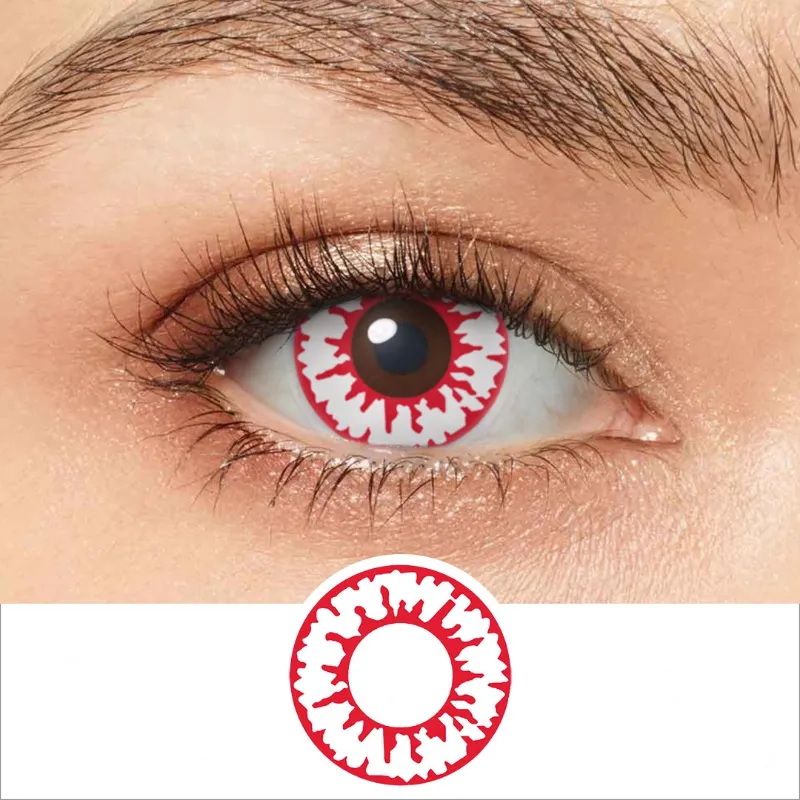
Most vampire contact lenses and blackout-style lenses are safe to wear for up to 8 hours in a single session, though we recommend limiting wear to 4-6 hours for first-timers or particularly opaque designs. These costume lenses cover more of your eye than standard contacts, which can reduce oxygen flow and increase dryness, so knowing your limits matters.
Here’s what you need to know to keep your eyes comfortable and healthy while rocking that dramatic look.
How Long Can You Wear Vampire Contact Lenses Safely?
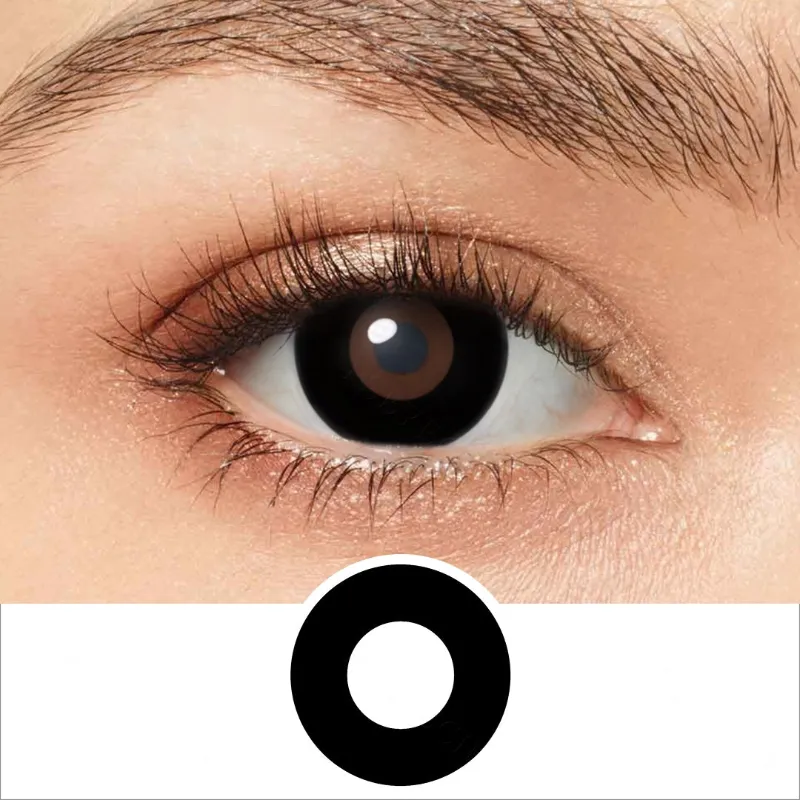
The 8-hour maximum applies to most cosmetic lenses, including vampire contact lenses, blackout contacts, and black sclera designs. That said, your personal comfort window may be shorter depending on:
- Lens opacity: Fully opaque lenses like black contacts or white contact lenses block more light and often feel thicker, so your eyes may tire faster than with translucent designs.
- Material and oxygen permeability: Higher Dk/t values mean better oxygen flow. Most costume lenses fall in the 15-30 Dk/t range, which is adequate for short-term wear but not all-day comfort.
- Your eye sensitivity: If you don’t normally wear contacts, start with 2-3 hours and work up. First-time wearers often experience dryness or irritation sooner.
- Environment: Dry air, wind, smoke machines, and stage lights all accelerate moisture loss. Bring rewetting drops and take breaks.
We recommend checking the manufacturer’s guidelines for your specific pair, and grab the latest pricing and our discount code before your event to plan ahead.
Blackout Contacts vs. Standard Theatrical Lenses
Blackout contacts and sclera lenses cover a larger surface area than traditional 14-15 mm cosmetic lenses. A standard contact sits over your iris and part of your cornea, while sclera lenses (typically 17-22 mm) extend onto the white of your eye. This extra coverage creates a more dramatic effect but also means:
- Less oxygen reaches your cornea: Your eyes rely on air exposure, so full-coverage designs should be worn for shorter periods.
- More care with insertion and removal: Larger lenses require a different technique. Use a plunger tool and saline solution to avoid tearing.
- Higher likelihood of dryness: Keep preservative-free rewetting drops handy and apply them every 1-2 hours during wear.
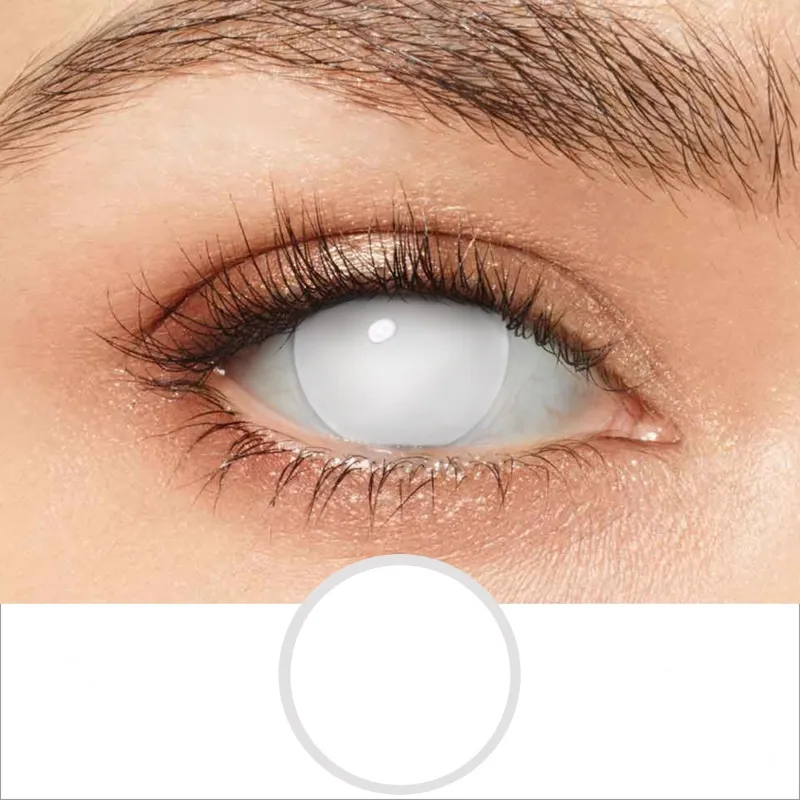
For intense looks like black sclera or white contacts, we cap our wear at 6 hours and never sleep in them, even if the packaging says “extended wear.”
What Happens If You Wear Them Too Long?
Overstaying your lens time can lead to several issues, none of them fun:
- Corneal hypoxia: Your cornea becomes oxygen-starved, leading to redness, blurred vision, and discomfort that can last for days.
- Protein buildup: Costume lenses accumulate debris faster than clear daily lenses. Wearing them beyond the recommended window increases infection risk.
- Dry eye symptoms: Burning, gritty sensations, and excessive tearing are your eyes’ way of telling you to take a break.
- Corneal abrasions: Dried-out lenses can scratch your eye surface during removal.
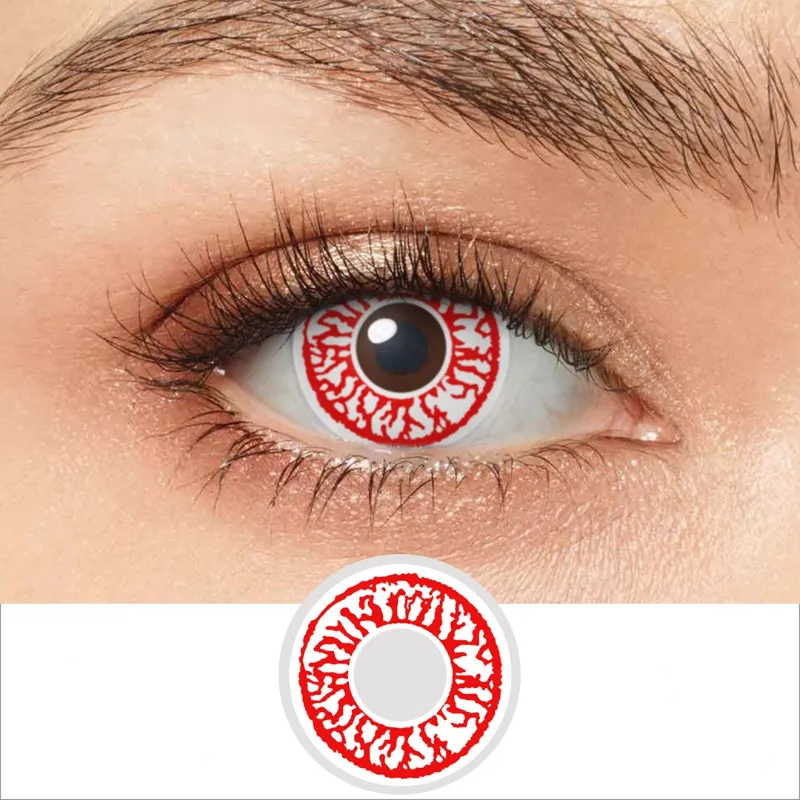
We’ve heard from readers who pushed 10-12 hours for a convention or long shoot and regretted it. One contact wearer described waking up the next day with eyes so red they looked like bloodshot eye contact lenses without actually wearing any.
Tips for Extending Comfort (Not Wear Time)
You can’t safely extend the 8-hour limit, but you can make those hours more comfortable:
- Hydrate before you insert: Soak lenses in fresh saline for 5 minutes before wearing. This helps them feel less rigid.
- Use preservative-free drops: Apply every 1-2 hours, especially under stage lights or outdoors.
- Take a mid-wear break: If your event is 6+ hours, remove lenses halfway through, rinse them, and give your eyes 15 minutes to breathe.
- Avoid alcohol and caffeine: Both dehydrate you, which dries out your lenses faster.
- Blink deliberately: Costume lenses can reduce your natural blink rate. Make a conscious effort to blink fully every few seconds.
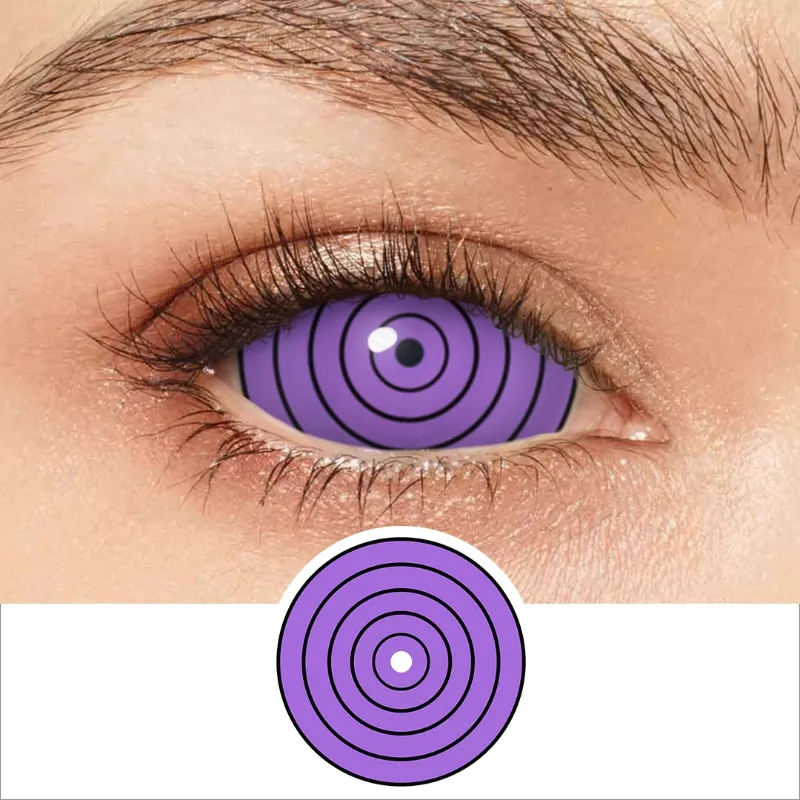
For designs like naruto eyes or akaza eye that feature detailed prints, proper hydration also keeps the colors vivid and prevents the lens from fogging.
Lens Care Between Wears
Most vampire and blackout lenses are designed for limited reuse (30-90 days after opening, depending on the product). To maximize their lifespan and safety:
- Clean immediately after removal: Rub each lens gently with multipurpose solution for 10 seconds per side, even if they look clean.
- Store in fresh solution: Never reuse old solution or top off your case. Replace it fully every time.
- Replace your case monthly: Bacteria love lens cases. A new one costs pennies compared to an eye infection.
- Check expiration dates: Unopened lenses are typically good for 2-4 years, but once opened, the clock starts.
If you’re planning multiple events (Halloween, then a convention the next month), check the current discount code for deals on multi-packs so you can rotate pairs and reduce wear on any single set.
Can You Get Vampire Contact Lenses with Prescription?
Yes, many retailers offer prescription options for theatrical lenses, including vampire contact lenses with prescription and other costume designs. Availability varies by style, and turnaround time can be 1-3 weeks, so order early. Prescription lenses follow the same 8-hour wear guideline, but having the correct power can actually improve comfort since your eyes won’t strain to focus.
If you need vision correction and want a dramatic look, prioritize lenses from retailers that list prescription availability and provide proper Dk/t specs. You can find next-day delivery options for popular styles if you’re in a pinch, though prescription versions may not qualify for overnight shipping.
Who Should Avoid Long Wear Sessions?
Some wearers should be extra cautious with any cosmetic lenses:
- First-time contact users: If you’ve never worn contacts before, schedule a fitting with an optometrist and practice with clear dailies before trying opaque or sclera lenses.
- People with dry eye syndrome: You’ll hit discomfort faster. Limit wear to 3-4 hours and use drops aggressively.
- Anyone with active eye infections or allergies: Wait until your eyes are completely healthy before wearing cosmetic lenses.
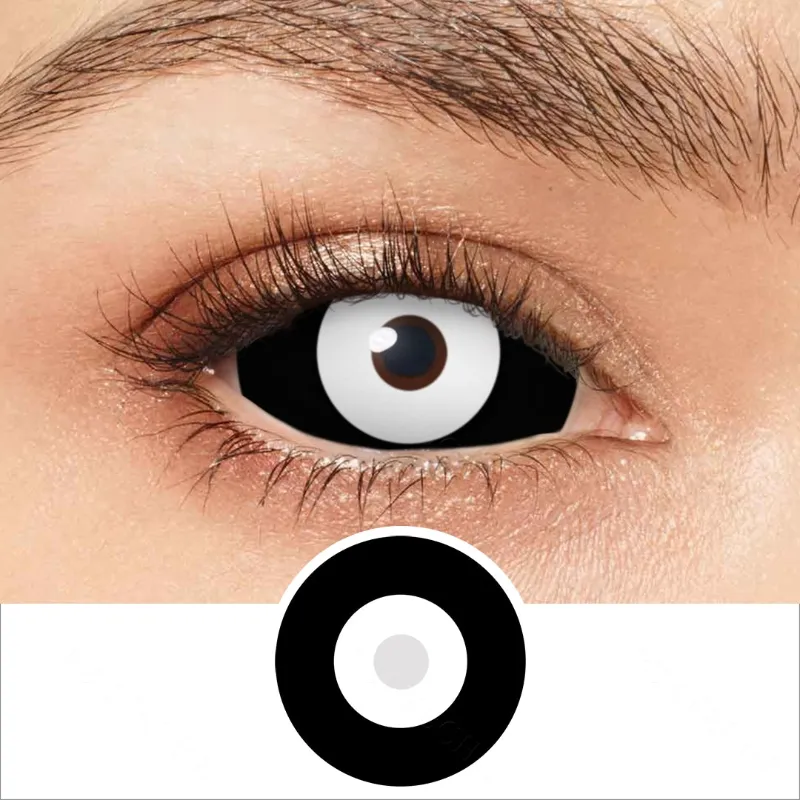
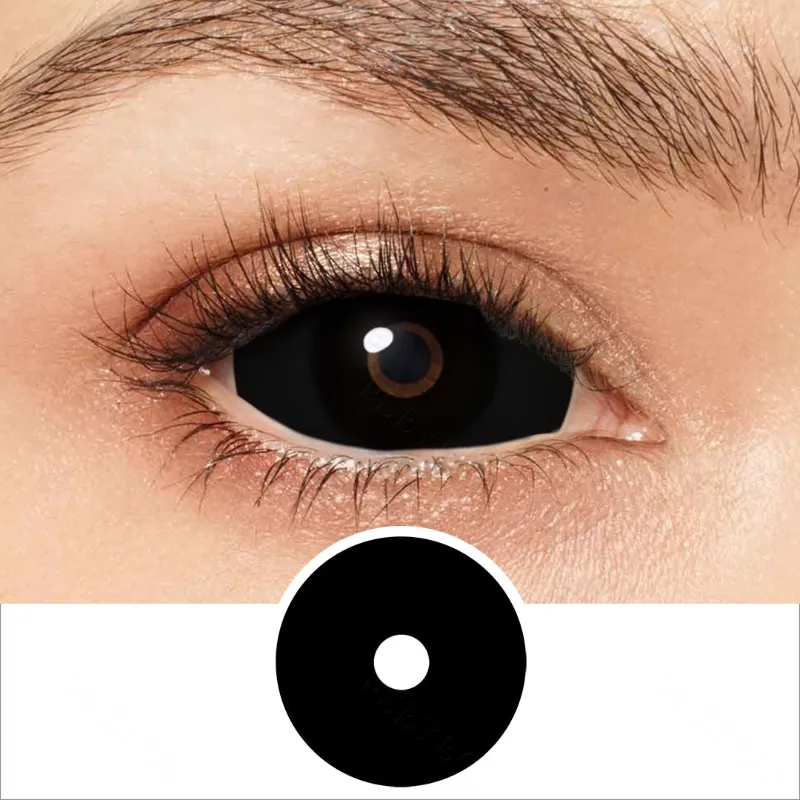
Sclera and full-blackout designs like goat eye or black pupil lenses are not beginner-friendly. We recommend building up tolerance with standard theatrical lenses first, then graduating to larger formats once you’re comfortable with insertion and care.
For more background on safe theatrical lens use, this guide on vampire contacts covers material science and fit considerations in detail.
The bottom line: respect the 8-hour cap, hydrate constantly, and never push through discomfort. Your eyes are worth more than any costume.
Questions
Can you sleep in vampire contact lenses?
No, you should never sleep in vampire contact lenses or any cosmetic lenses. They are designed for short-term wear only and sleeping in them can cause serious eye infections, corneal ulcers, and oxygen deprivation.
How long do blackout contacts last once opened?
Most blackout contacts last 30 to 90 days after opening, depending on the brand and care routine. Always check the product label for the specific replacement schedule and discard them on time even if they look fine.
Do vampire contact lenses hurt to wear?
Vampire contact lenses should not hurt if they fit properly and you follow care instructions. Discomfort usually means the lens is dry, inserted incorrectly, or worn too long. Remove them immediately if you feel pain.
Can I wear blackout contacts if I have astigmatism?
Some retailers offer toric (astigmatism-correcting) versions of theatrical lenses, but availability is limited for full blackout designs. Check with the seller or your eye care provider for custom options.
How often should I replace the solution in my lens case?
Replace the solution in your lens case every single time you store your lenses. Never top off old solution or reuse it, as this increases the risk of bacterial contamination and eye infections.
Are cheap vampire contact lenses on Amazon safe?
Cheap vampire contacts on marketplaces like Amazon can be risky if they lack FDA approval or proper material specs. Always buy from retailers that list Dk/t values, provide care instructions, and comply with health regulations.
Products in this guide
 Shopping at PsEYEche? See the discount code
20% OFF All Orders
Shopping at PsEYEche? See the discount code
20% OFF All Orders
More in this series
Are Black Sclera Lenses Safe for All-Day Convention Wear?18 Aug 20265 minHow to Care for White Contact Lenses18 Aug 20264 min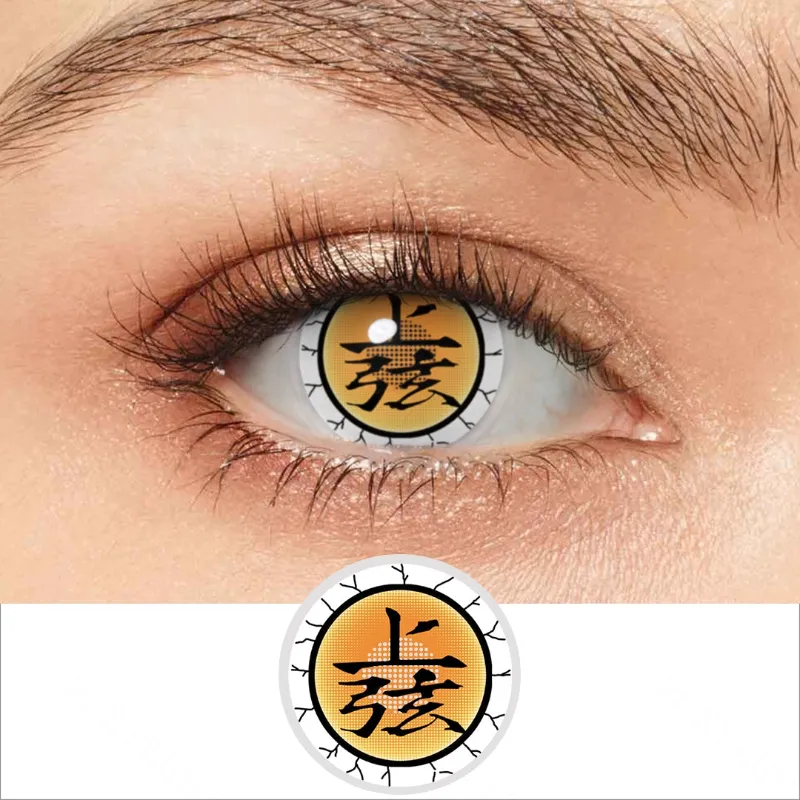 Do Naruto and Akaza Eye Contacts Look Realistic in Natural Light?18 Aug 20266 minWhite vs Black Sclera Contacts: Which Creates a More Dramatic Cosplay Effect?18 Aug 20266 minHow to Put in Sclera Lenses Safely Without Damaging Your Eyes18 Aug 20265 min