 A PsEYEche guide
How to Care for White Contact Lenses
White contact lenses demand careful maintenance to prevent protein buildup and discoloration that can ruin their dramatic effect.
White contact lenses need daily cleaning to stay bright, because their opaque pigment layer traps tear proteins and debris more easily than clear lenses. Clean them immediately after every wear, store them properly between uses, and replace them once they show yellowing, cloudiness or discomfort.
Why white contacts can discolor faster than clear lenses
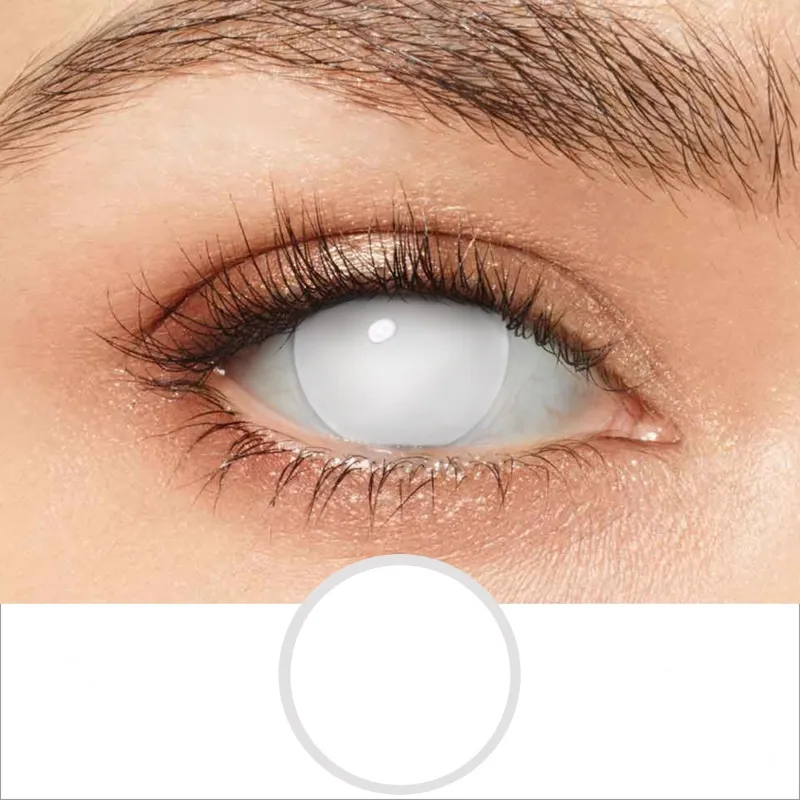
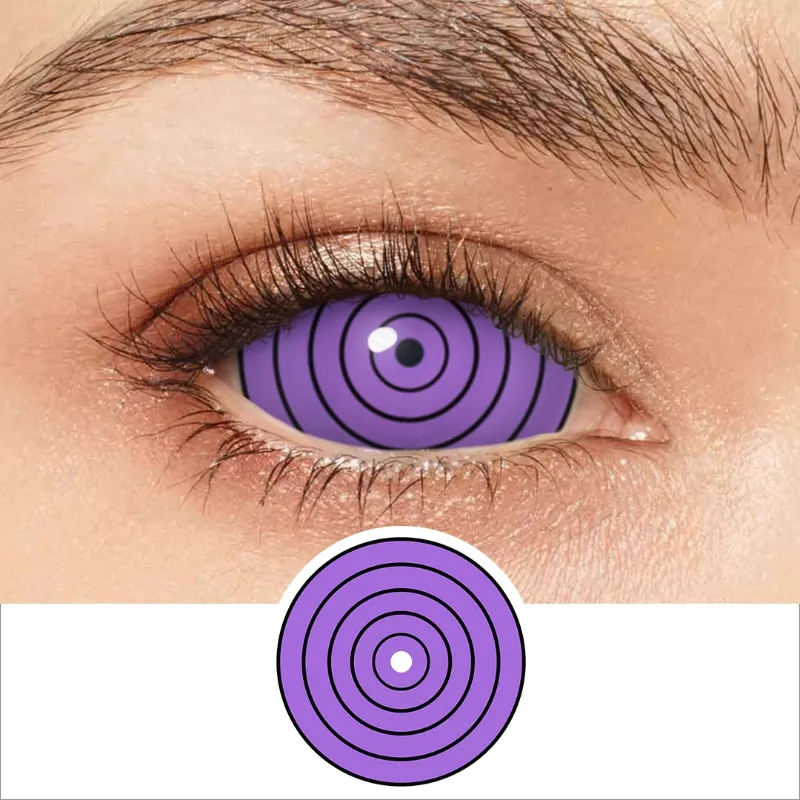
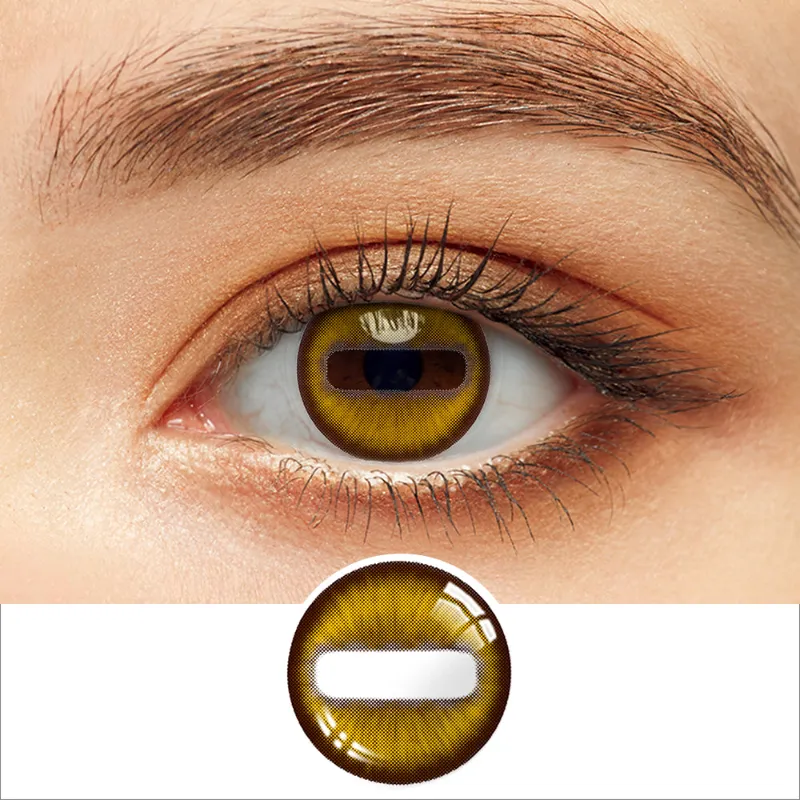
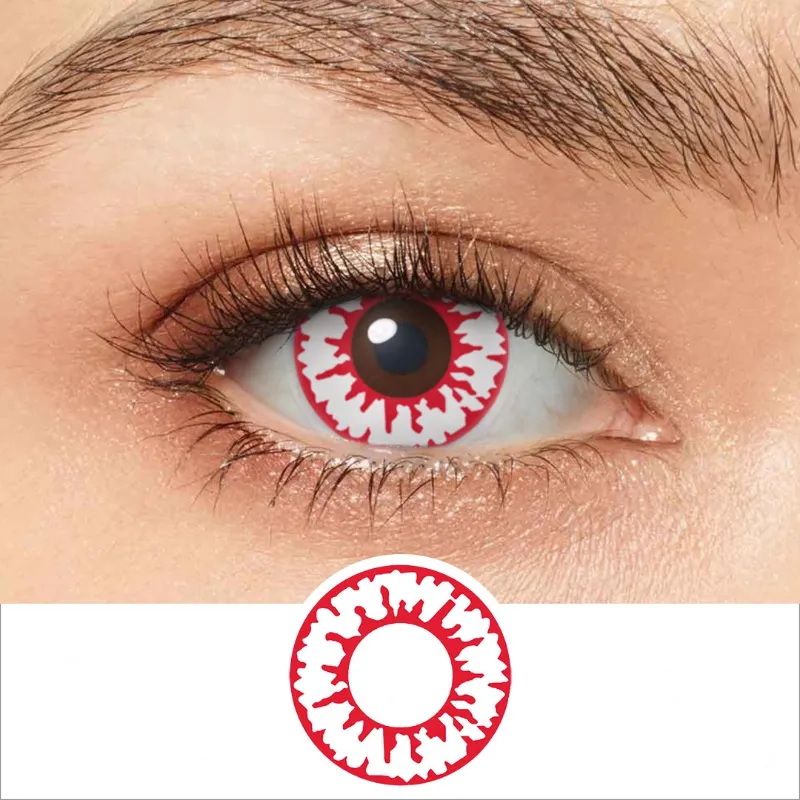
The opaque pigment layer in white contact lenses can trap tear proteins, lipids and debris more readily than transparent materials, because the surface texture that creates the solid white effect also provides more surface area for deposits to build up. This can affect any heavily pigmented costume lens, from naruto eyes to goat eye designs.
Left uncleaned, daily protein buildup can oxidize and bond to the pigment layer, creating discoloration that will not rinse out later. The same protein deposit issue affects black contacts and vampire contact lenses, though the fading tends to show more clearly on white surfaces.
A daily cleaning routine for white contacts
Follow this two-step clean every time you remove your lenses, regardless of how long you wore them:
- Rinse immediately after removal with multipurpose contact lens solution, never tap water
- Rub gently for about 20 seconds per lens with your index finger, using a back and forth motion rather than circular
- Rinse again with fresh solution to wash away loosened deposits
- Soak overnight in fresh solution, for at least the time your solution’s instructions specify
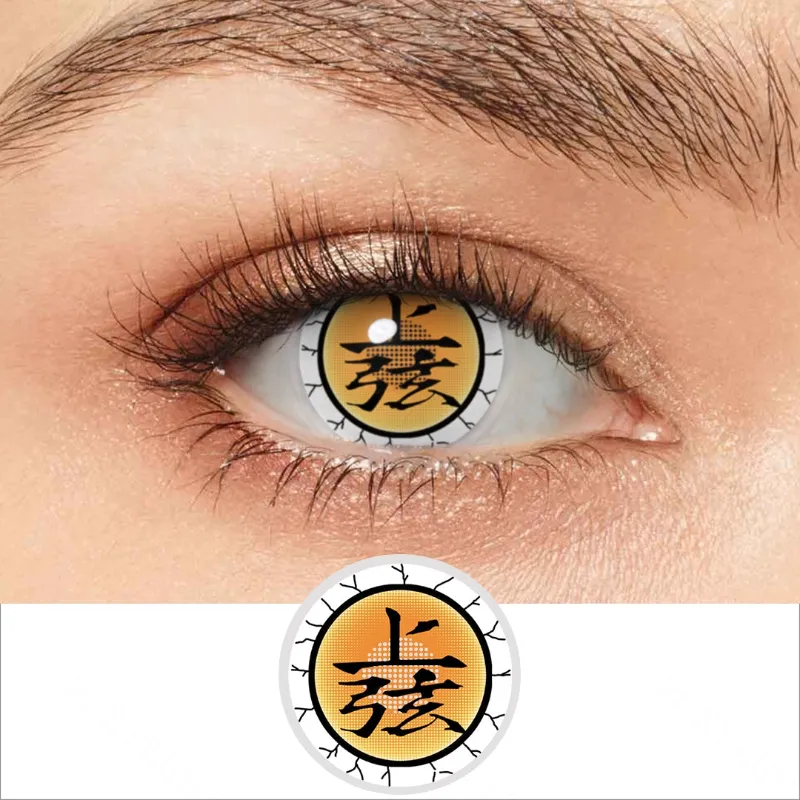
For mesh designs or lenses with intricate patterns like akaza eye, take extra care during the rub step to avoid catching the edge. Never reuse solution from the previous night, since old solution loses its disinfecting power. Replace your lens case regularly, since a worn case can build up a biofilm that transfers bacteria and deposits back onto clean lenses.
Storage that helps prevent yellowing
Good storage habits extend the life of any opaque lens, including white contacts:
- Store in a clean, dry case with tight fitting caps to prevent evaporation
- Consider a hydrogen peroxide cleaning system occasionally for deeper protein removal, following the full neutralization cycle exactly
- Keep the case away from bathroom humidity and direct sunlight
- Replace the solution if lenses will sit unused for more than a day or two
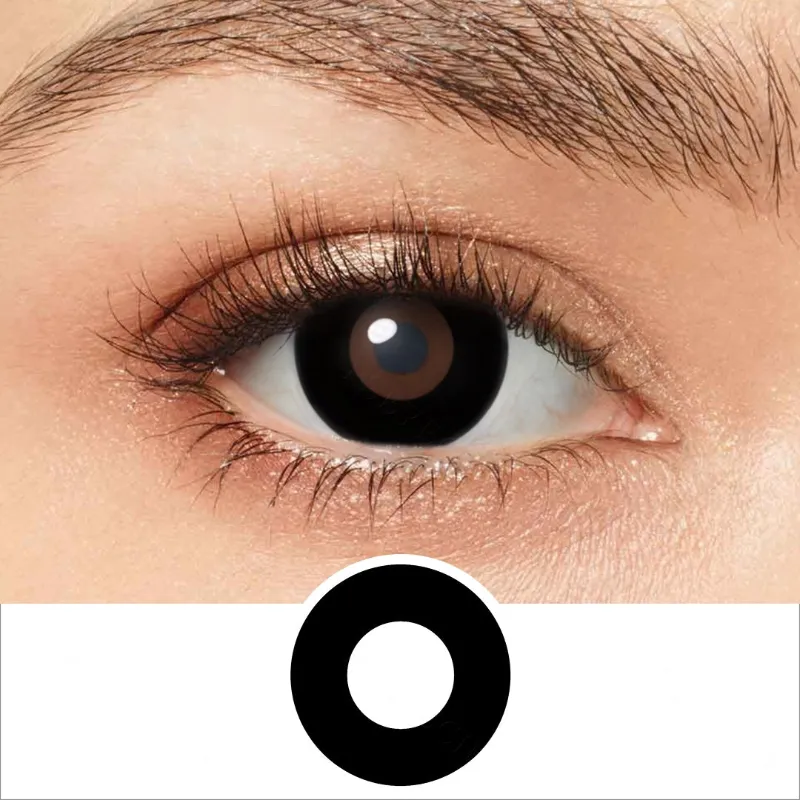
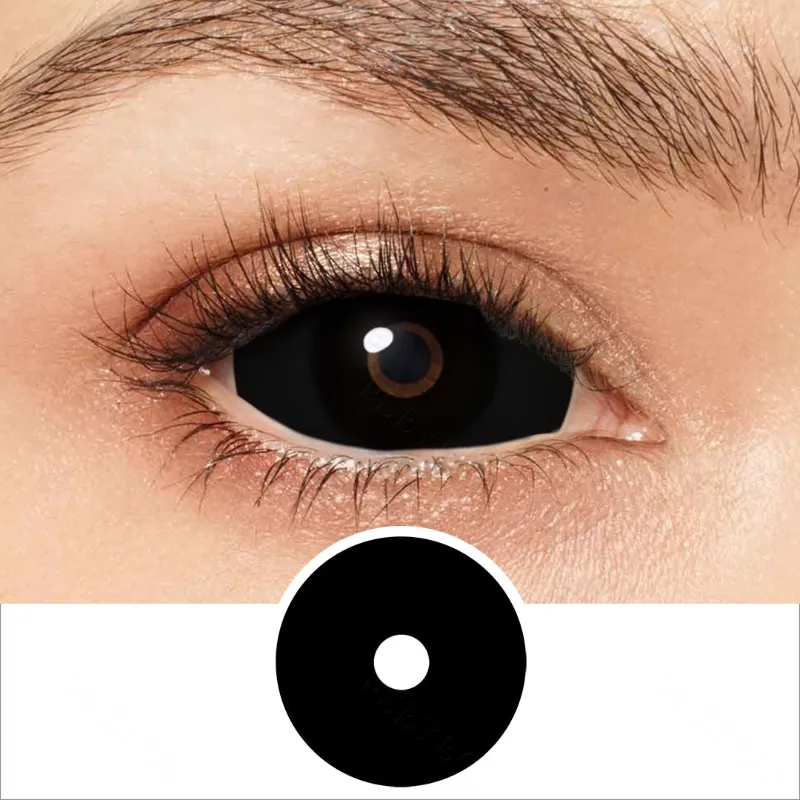
For blackout contacts and full coverage designs like black sclera, a hydrogen peroxide system can help remove stubborn deposits that multipurpose solution misses, but only if you follow the neutralization cycle fully, or the residual peroxide will sting on insertion.
When to replace rather than clean
Even careful care cannot prevent lenses from eventually wearing out. Replace your white contact lenses if you notice:
- Yellow or brown tints that remain after cleaning
- Cloudy patches that blur vision or reduce opacity
- Rough texture or visible deposits that will not rinse away
- Discomfort, redness or irritation during wear
- Torn edges or a warped shape
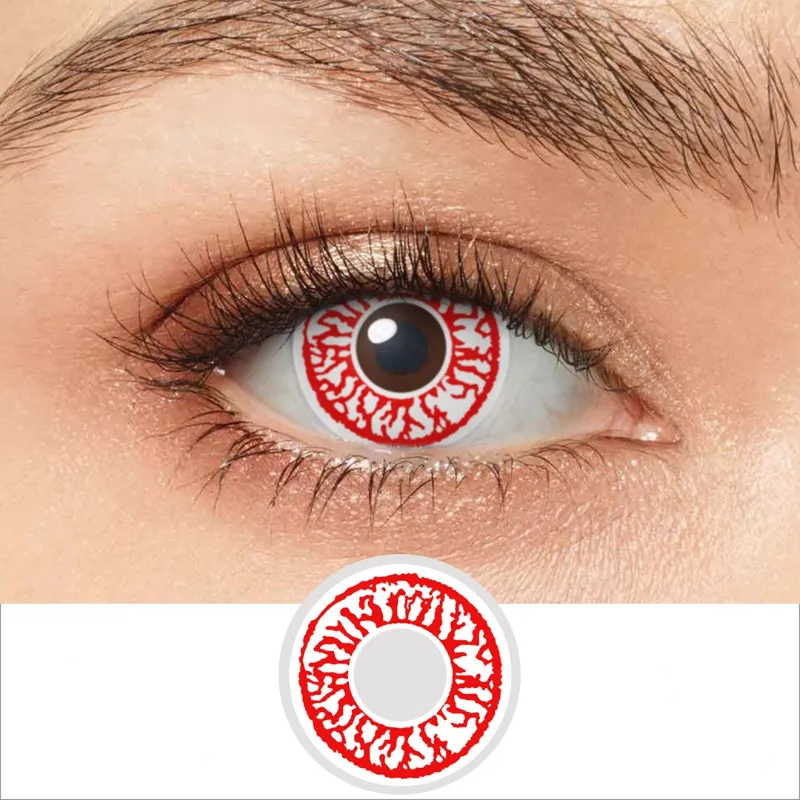
How long any given pair lasts depends on how often you wear them and how consistently you clean them, so check the manufacturer’s recommended replacement schedule for your specific lenses rather than assuming a fixed timeline. Bloodshot eye contact lenses with red vein details tend to show wear as fading rather than yellowing, but the same underlying protein buildup is still the cause.
Habits that shorten a lens lifespan
Avoid these common mistakes:
- Sleeping in lenses. Overnight wear without proper oxygen flow can increase protein accumulation and infection risk.
- Topping off solution. Always empty and refill the case completely rather than adding fresh solution to old.
- Using saliva or tap water. Tap water carries microorganisms that can cause serious eye infections, and saliva introduces enzymes that can degrade lens materials.
- Skipping the rub step. Soaking alone is markedly less effective at removing protein deposits than a rub and rinse routine.
- Wearing beyond the recommended schedule. Degraded lens material is more likely to irritate the eye the longer you push past the maker’s guidance.
Building a simple routine
Start with a basic daily habit: clean immediately after wear, soak overnight, inspect before the next use. Hold each lens up to the light before inserting it to check for deposits, tears or discoloration.
Wash your hands with fragrance-free soap and dry them completely before handling your lenses, since lotion residue and soap film can transfer onto the lens and speed up discoloration. If you wear costume lenses often, for conventions, competitions or filming, consider adding a weekly enzyme treatment on top of your daily routine. Verify that your solution is labeled for use with the specific type of lens you own, since not every multipurpose solution suits heavily pigmented materials the same way.
Check the current PsEYEche discount code before you order replacement lenses or care supplies.
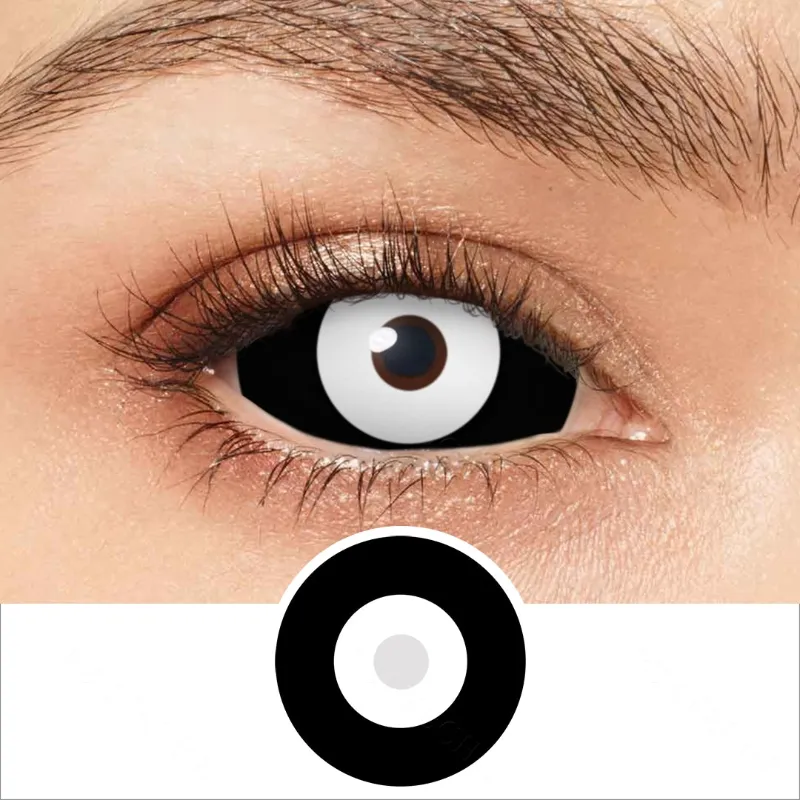
Whether you wear a black pupil design for a subtle effect or full white coverage for a dramatic transformation, consistent care is what determines how long the lenses last and how comfortable they feel.
Questions
How often should I clean white contact lenses?
Clean them immediately after every wear using a rub and rinse method with multipurpose solution, then soak overnight in fresh solution. If you wear them more than twice a week, consider adding a weekly enzyme treatment.
Can I use tap water to rinse white contacts?
No. Tap water carries microorganisms that can cause serious eye infections and can affect lens materials. Always use sterile multipurpose solution or saline made for contact lenses.
Why do white contacts turn yellow?
Yellowing happens when tear proteins and lipids build up on the opaque pigment layer and oxidize over time. This tends to happen faster with white lenses because their surface texture traps deposits more easily. Cleaning immediately after wear and proper storage help prevent most discoloration.
How long do white contact lenses last with proper care?
It depends on how often you wear them and how consistently you clean them. Check the manufacturer's recommended replacement schedule for your specific lenses, since it varies by product and by how heavily you use them.
What solution should I use for cleaning opaque costume lenses?
Use a multipurpose solution made for soft lenses with a daily rub and rinse routine, and confirm on the label that it suits heavily pigmented lenses specifically. A hydrogen peroxide system can help with deeper cleaning occasionally, if you follow the full neutralization cycle.
Should I replace my lens case regularly?
Yes. An old case can build up a biofilm that transfers bacteria and deposits back onto clean lenses. Rinse the case with solution and let it air dry after each use, and replace it on a regular schedule.
Products in this guide
 Shopping at PsEYEche? See the discount code
20% OFF All Orders
Shopping at PsEYEche? See the discount code
20% OFF All Orders
More in this series
Are Black Sclera Lenses Safe for All-Day Convention Wear?18 Aug 20265 minDo Naruto and Akaza Eye Contacts Look Realistic in Natural Light?18 Aug 20266 minHow Long Can You Safely Wear Blackout Contacts and Vampire Lenses?18 Aug 20265 minWhite vs Black Sclera Contacts: Which Creates a More Dramatic Cosplay Effect?18 Aug 20266 minHow to Put in Sclera Lenses Safely Without Damaging Your Eyes18 Aug 20265 min