 A The Perfume Studio guide
What to Put in a Perfume Making Kit: Essential Ingredients and Tools Every Beginner Needs
Building your first perfume making fragrance kit requires the right bases, oils, and tools to blend scents that last and smell professional.
What Goes into a Beginner Perfume Making Kit
A complete perfume making fragrance kit starts with three core components: a solvent base to carry the scent, concentrated fragrance oils for the aroma profile, and precision tools to measure and blend. Whether you’re crafting alcohol-based sprays or roll-on oil blends, the right materials ensure your homemade perfumes smell balanced and last on skin.
This guide walks through the essential items you need, how each one functions in your formula, and where to grab the code for discounted supplies.
The Base: Alcohol or Oil Carriers
Every perfume needs a carrier to dilute and distribute fragrance oils across your skin. Your choice between alcohol and oil bases changes the wear time, sillage, and application style of your finished scent.
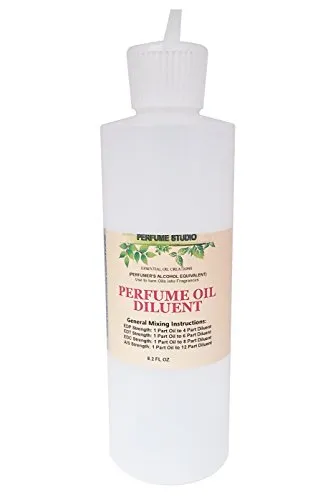
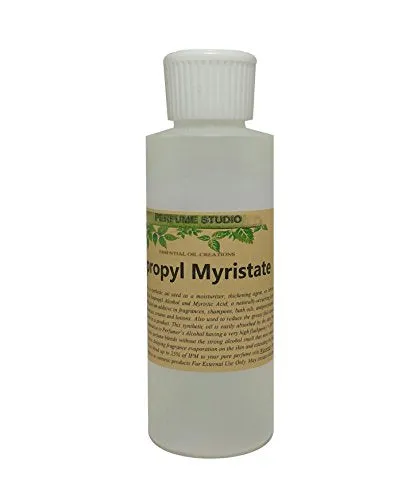
Alcohol bases create the classic spray perfumes you know from retail bottles. Perfumers alcohol is a specially denatured ethanol blend designed to dissolve fragrance oils cleanly without cloudiness. It evaporates quickly on skin, releasing top notes immediately and leaving mid and base notes to develop over hours. If you want a lighter, alcohol-free option for sensitive skin, isopropyl myristate serves as a non-greasy alternative that still provides good scent throw.
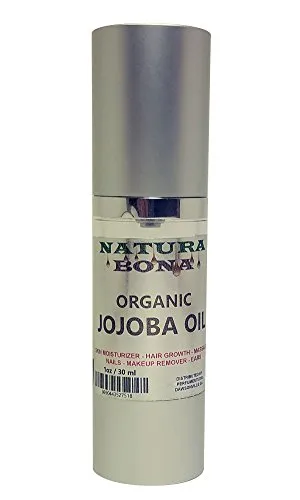
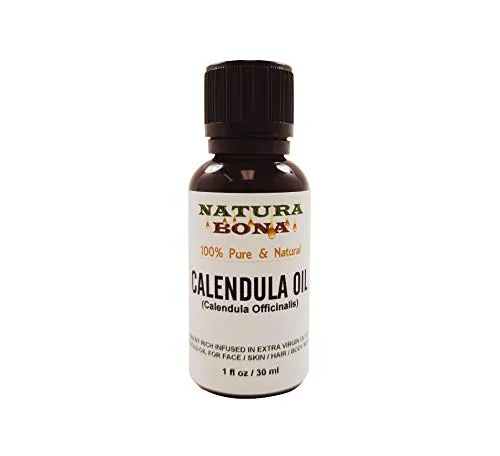
Oil carriers produce roll-on or solid perfumes that sit closer to the skin with subtle projection. Jojoba massage oil absorbs well and has minimal scent, making it ideal for letting your fragrance blend shine. Calendula oil adds a botanical richness and skin-soothing properties if you’re blending wellness into your formula. Oil-based perfumes last longer than alcohol types because they evaporate more slowly, but they won’t fill a room the way a spray does.
Most beginners start with perfumers alcohol because it mimics commercial perfumes and allows you to explore traditional blending techniques used by professionals.
Fragrance Oils: Building Your Scent Library
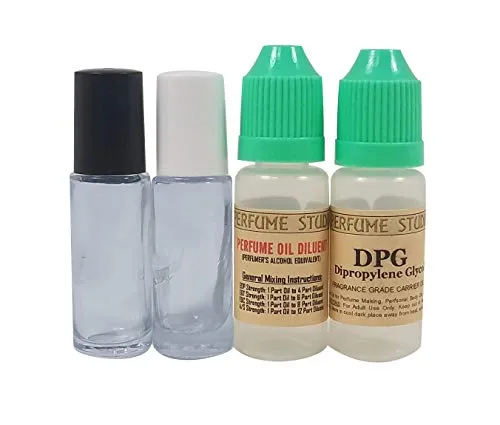
Fragrance oils are the heart of your kit. Unlike essential oils, which come only from plants, perfume making fragrance oils can be synthetic, natural, or blended to create scents that don’t exist in nature, think ocean breeze, fresh linen, or specific dessert notes.
Start with a small palette of three to five oils that span different note families:
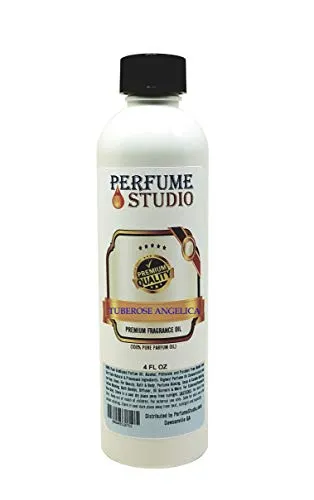
- Florals like tuberose fragrance for heady, romantic bases
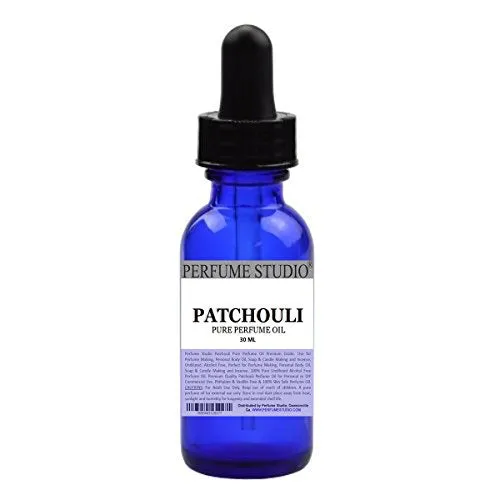
- Earthy anchors such as patchouli oil perfume to ground sweeter top notes
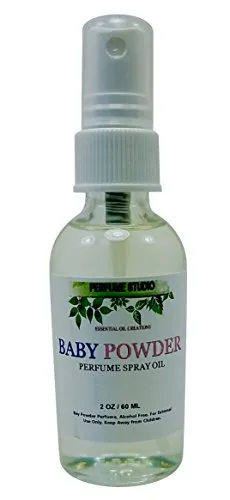
- Powdery comfort scents including baby powder perfume for soft, clean finishes
- Gourmands or musks to add depth and longevity
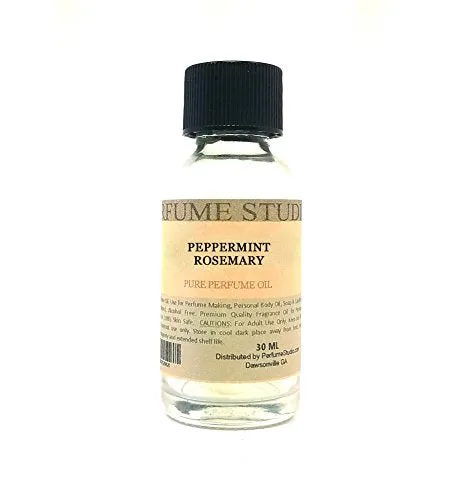
We recommend alcohol free fragrance oil if you plan to blend oil-based roll-ons, as these are pre-formulated to stay clear in non-alcohol carriers. For candle makers crossing into perfumery, note that perfume oils for candle making are often formulated for heat and wax dispersion rather than skin wear, so check labeling before applying them topically.
The Perfumer’s Apprentice offers a wide selection of tested fragrance oils that work reliably in beginner formulas, and you can check the latest price on starter sets with our current 15% discount.
Precision Tools: Droppers, Bottles, and Measuring
Perfume blending is chemistry at small scale, one extra drop of a potent ingredient can overpower your entire batch. Invest in tools that give you control.
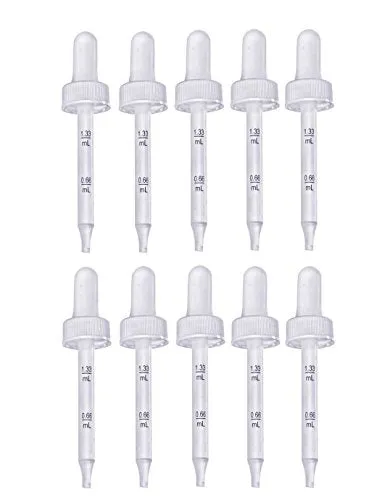
Droppers and pipettes let you add fragrance oils one drop at a time. Medium measured droppers are sized perfectly for home blending; the calibrated markings help you track dilution ratios as you test formulas. Glass droppers are preferable to plastic because fragrance oils can degrade some plastics over time.
Mixing bottles should be dark amber or cobalt glass to protect your blend from UV light, which breaks down fragrance molecules. Start with 5 mL or 10 mL bottles for test batches, you don’t want to commit to a full 30 mL of a formula you haven’t worn for a week.
Measuring by weight versus volume becomes important as you advance. A jeweler’s scale accurate to 0.01 grams ensures repeatability when you land on a formula you love, but droppers work fine for your first dozen experiments.
Testing strips (plain paper or blotter cards) let you preview a blend without committing it to skin. Wave the strip near your nose and revisit it every 20 minutes to judge how the scent develops.
Creating a Workspace and Safety Setup
Perfume making fragrance work requires a clean, organized space where spills won’t ruin furniture and fumes can dissipate.
Dedicate a small tray or mat as your blending zone. Line it with parchment paper for easy cleanup and keep all bottles upright to prevent leaks. Work in a well-ventilated area, open a window or use a small fan to move air gently across your workspace without blowing papers away.
Label everything immediately. Use waterproof labels or tape and a permanent marker to note the fragrance name, dilution percentage, and date on every bottle. Six unlabeled amber vials look identical after two weeks, and your nose will fatigue trying to identify them.
Safety basics include keeping a roll of paper towels and rubbing alcohol on hand for spills. Avoid contact with eyes and mucous membranes. If you have fragrance sensitivities, wear nitrile gloves during blending, though most hobbyists find them unnecessary for diluted formulas.
Beginner Formulas and Dilution Ratios
A classic eau de parfum sits around 15 to 20 percent fragrance oil in alcohol, while an eau de toilette runs 5 to 15 percent. For your first test, aim for 10 percent to keep costs low and give yourself room to adjust.
Basic alcohol perfume formula:
- Add 1 mL total fragrance oils to a 10 mL bottle (use your droppers to combine your chosen scents)
- Fill the remaining 9 mL with perfumers alcohol
- Cap tightly, shake gently, and let rest for 48 hours minimum, a week is better
- Test on skin and adjust in your next batch
Oil-based roll-on formula:
- Combine 2 mL fragrance oils with 8 mL carrier oil (jojoba or isopropyl myristate)
- Shake well and rest for 24 hours
- The scent will be softer and closer to skin than alcohol versions
Immortal Perfumes offers a detailed tutorial on layering top, middle, and base notes for balanced blends, essential reading once you’re ready to move past single-note experiments.
Where to Source Your Kit and Save
Their perfume making kits often include bases, sample fragrance oils, and basic tools in one package, saving you the research of sourcing each item separately.
Individual components let you customize your kit to your scent preferences. If you lean toward fresh florals, grab tuberose and calendula. If you prefer earthy or unisex profiles, start with patchouli and a clean musk.
Visit our discount page to access the current 15% off code on all orders, it applies to both kits and individual bottles, so you can stock up on larger sizes of fragrance oils you know you’ll use repeatedly.
Next Steps After You Blend Your First Bottle
Once you’ve created a wearable scent, the real learning begins. Wear your perfume for three full days to understand how it interacts with your skin chemistry and how the notes evolve. Keep a blending journal with drop counts and ratios so you can recreate successes and learn from missteps.
Experiment with layering two simple blends, spray an alcohol perfume and then apply an oil roll-on in a complementary scent. You’ll discover combinations that are richer than anything you could bottle in a single formula.
Join online perfume making communities to share your formulas, troubleshoot issues like cloudiness or weak sillage, and discover which specialty ingredients are worth the investment as you grow your skills. The fundamentals in your starter kit will carry you through dozens of experiments before you need to expand into advanced materials.
Questions
What is the difference between perfumers alcohol and regular rubbing alcohol for making perfume?
Perfumers alcohol is specially denatured ethanol formulated to dissolve fragrance oils without cloudiness and has minimal scent, while rubbing alcohol (isopropyl alcohol) often has added water and a sharp chemical smell that interferes with your perfume's aroma. Perfumers alcohol also evaporates more cleanly on skin.
Can I use essential oils instead of fragrance oils in a beginner perfume kit?
Yes, but essential oils are limited to plant-derived scents and tend to be more expensive per mL. Fragrance oils give you access to a wider palette including synthetic notes like clean linen or specific fruits, making them more versatile for beginners exploring different scent profiles.
How long does homemade perfume last before it goes bad?
Alcohol-based perfumes stored in dark glass away from heat and light typically last 1 to 3 years. Oil-based perfumes have a shorter shelf life of 6 to 12 months because carrier oils can oxidize. Always label your bottles with the blend date and discard if you notice off smells or color changes.
Do I need medium measured droppers or can I pour fragrance oils directly?
Measured droppers give you the control needed for repeatable formulas, one accidental extra mL of a potent note can overpower your entire batch. Droppers also prevent waste and contamination by keeping bottle necks clean.
What dilution ratio should I start with for my first perfume making fragrance blend?
Start with 10% fragrance oil to 90% alcohol or carrier oil. This ratio is forgiving for beginners, keeps material costs low while you experiment, and produces a wearable eau de toilette strength that you can strengthen in future batches once you refine your formula.
Can I use jojoba massage oil as a carrier for roll-on perfumes?
Yes, jojoba oil is one of the best carriers for roll-on perfumes because it absorbs quickly, has minimal scent, and closely mimics skin's natural sebum. It won't go rancid as fast as some other carrier oils and allows your fragrance blend to shine without competing aromas.
Products in this guide
 Shopping at The Perfume Studio? See the discount code
15% OFF All Orders
Shopping at The Perfume Studio? See the discount code
15% OFF All Orders
More in this series
How Long Does 1.7 Oz of Perfume Last with Daily Use?16 Sep 20265 minCan You Use Perfume Oils for Candle Making? What Makes an Oil Safe in Wax16 Sep 20265 minDoes Calendula Oil Go Bad? Shelf Life and Storage Tips for Botanical Oils16 Sep 20265 minJojoba Oil vs Isopropyl Myristate: Which Carrier Oil Is Best for DIY Perfume?16 Sep 20265 minHow to Make Your Own Perfume at Home: A Beginner’s Guide to Perfumers Alcohol and Fragrance Oils16 Sep 20264 min