 A The Perfume Studio guide
Can You Use Perfume Oils for Candle Making? What Makes an Oil Safe in Wax
Perfume oils for candle making can work in wax, but only if they're alcohol-free and properly formulated—not all perfume oils are safe or effective for candles.
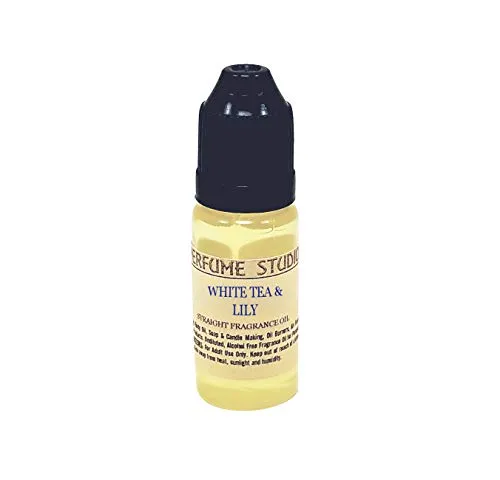
You can use perfume oils for candle making only when the oil is alcohol-free and the supplier says it is suitable for candles. Many perfumes are made with alcohol, which evaporates and can ignite when it meets hot wax, so a regular spray perfume should never go into a candle. Pure, undiluted fragrance oils sold for candle and soap making are a different product, and several in The Perfume Studio range, such as its white tea and lily fragrance oil, are listed for candle use.
How perfume oils differ from candle fragrance oils
Spray perfumes use perfumer’s alcohol or ethanol as a carrier. That is what lets a perfume spread quickly on skin, and it is also why it does not belong in wax: alcohol is volatile and flammable, and heat drives it off fast. Candle fragrance oils use carriers that stay stable in warm wax, such as isopropyl myristate or similar non-volatile bases.
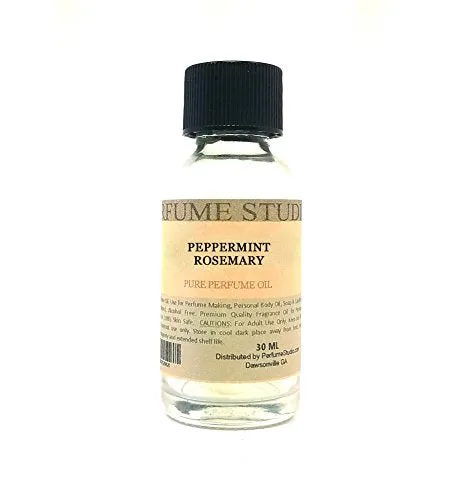
The Perfume Studio sells alcohol-free pure perfume oils that it lists for body oils, soap and candle making as well as perfume. That dual use is handy if you want a candle that matches a personal scent.
Differences that matter:
- Flash point: the temperature at which vapors can ignite. Alcohol-based perfumes have a very low one. Candle oils need a flash point well above the temperature of your melted wax, so check the safety data sheet (SDS).
- Scent throw: perfume is designed to spread from warm skin. Candle oils are designed to release scent from a melt pool.
- Blending: candle oils mix evenly into wax without separating as it cools.
- Load: each wax has a maximum amount of fragrance it can hold, and oils not made for wax may not bind well at that level.
If you already own perfume oils, read the ingredients. Anything containing ethanol, denatured alcohol or SD alcohol should stay out of your wax.
Choosing perfume oils for candle making with good scent throw
Scent throw comes in two kinds: cold throw (the smell of the unlit candle) and hot throw (the smell while it burns). Both depend on the oil’s strength, its ingredients and how well it suits your wax.
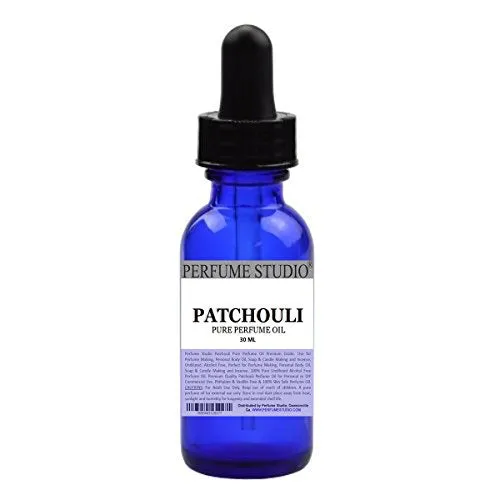
- Strength: look for oils sold as pure or undiluted. Oils pre-diluted for skin can be too weak in a candle.
- Scent family: woody, spicy and gourmand notes such as patchouli perfume oil tend to come through strongly, while delicate florals often need more care to show in a burning candle.
- Supplier information: good suppliers state the flash point, the intended uses and whether an oil suits candles.
- Your wax: the same oil can smell different in soy, paraffin and coconut blends, so trial a small batch first.
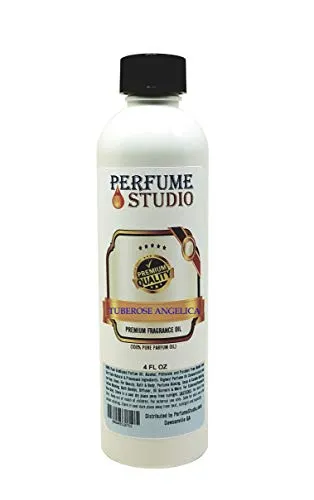
For florals, The Perfume Studio lists a tuberose and angelica fragrance oil for candle and soap making. Its baby powder perfume is sold as a spray, so check the label and ask the store whether it is suitable for wax before using it. You can see current prices on our The Perfume Studio discount code page.
Safe usage and wax compatibility
Even an alcohol-free oil needs careful measuring. Too much fragrance can cause soot, poor burning and oil seeping out of the wax. Too little leaves a candle with almost no scent.
| Wax type | What to know |
|---|---|
| Soy | Popular and clean looking; heavy loads can cause white frosting on the surface |
| Paraffin | Often gives a strong hot throw and handles many oils well |
| Beeswax | Has its own honey scent, so added fragrance competes with it |
| Coconut blends | Soft and creamy, often chosen for good cold throw |
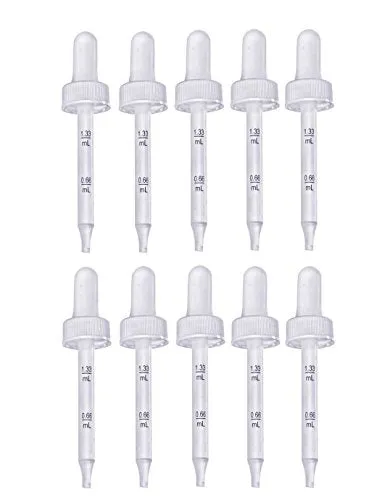
Most waxes come with a maximum fragrance load, commonly somewhere around 6 to 10 percent by weight. Follow the figure your wax supplier gives rather than a general rule. Weigh fragrance on a digital scale rather than measuring by volume, and use measured droppers for small, precise additions.
Basic blending steps:
- Melt the wax to the temperature your wax supplier recommends.
- Add the fragrance oil at the temperature the wax supplier gives for adding fragrance.
- Stir gently and thoroughly so the oil spreads evenly.
- Pour into prepared containers with wicks already fixed in place.
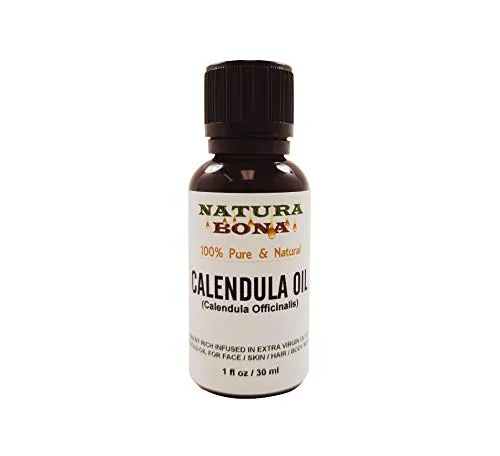
Carrier oils such as calendula oil or jojoba oil add little or no scent, and extra oil can soften wax and affect how it burns. We would keep them for skincare rather than candles.
Where to buy fragrance oils for candles
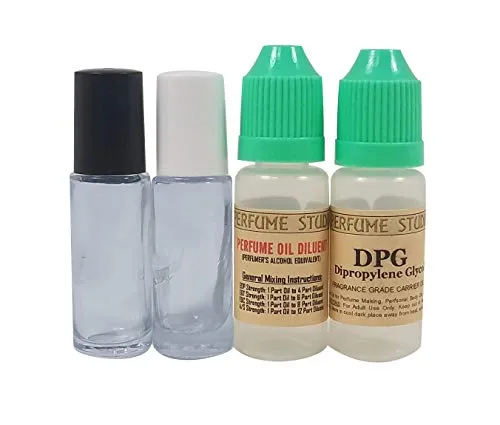
Local craft stores usually stock a few basic candle scents. Online suppliers tend to have wider ranges and publish safety data sheets. The Perfume Studio also sells a perfume making kit if you want to try blending your own scents before scaling up.
Check before you buy:
- The safety data sheet, including the flash point
- Whether the oil is listed for candle use
- Any rules that apply if you plan to sell candles, such as labeling and allergen warnings where you live
- The return policy, in case a scent does not suit your wax
We suggest starting with the smallest bottle on offer. A scent that smells lovely in the bottle can turn flat or soapy once it burns, and a small bottle keeps that risk low. See the current The Perfume Studio code before you order.
Troubleshooting scent throw
- Weak cold throw: add a little more fragrance next time, staying under your wax’s maximum load, or try a heavier scent.
- Weak hot throw: the wick may be too small to create a full melt pool. Try the next wick size up.
- Soot or mushrooming wicks: too much fragrance or too large a wick. Reduce one or the other.
- Tunneling: the candle burns down the middle and leaves wax on the sides. A larger wick, or longer first burns, helps the melt pool reach the edge.
- Not enough cure time: many waxes smell stronger after resting for a while before the first burn; check your wax supplier’s guidance.
Keep notes on each batch (wax, oil, amount, wick and result) so you can repeat what works.
Building your own scent blend
Once you know which oils behave well in your wax, you can layer them. A simple approach is to lead with a base note (wood, musk, amber or patchouli), add a smaller amount of a middle note (floral, spice or herbal), and finish with a touch of a bright top note (citrus or mint).
- Work out the total fragrance weight for your batch from your wax’s load limit.
- Split it between base, middle and top notes, with the base as the largest share.
- Mix the oils in a glass beaker and let the blend rest briefly.
- Add the blend to the wax as one addition.
Record exact weights so you can repeat a blend you like. For home experiments or a small candle line, alcohol-free oils listed for candle use are the right starting point. Our The Perfume Studio code page lists any current offer.
Questions
Can you use perfume oils for candle making?
Only alcohol-free oils that the supplier lists as suitable for candles. Regular perfumes usually contain alcohol, which is flammable and should never be added to hot wax.
How much fragrance oil should I add to candle wax?
Follow the maximum fragrance load stated by your wax supplier, which is commonly somewhere around 6 to 10 percent by weight. Weigh the oil on a scale for consistent results.
Why does my candle have no scent when burning?
The wick may be too small to build a full melt pool, the fragrance load may be too low, or the candle may need more cure time. Adjust one thing at a time.
How do I know if a fragrance oil is candle safe?
Check that it is alcohol-free, that the supplier lists candle making as a use, and that the safety data sheet gives a flash point well above your wax temperature.
Can I mix essential oils with fragrance oils in candles?
You can, but essential oils often evaporate faster in heat, so they usually work best as a small accent on top of a stable fragrance oil. Check each oil's safety data sheet.
Products in this guide
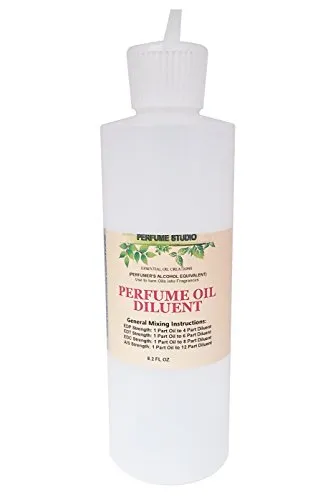
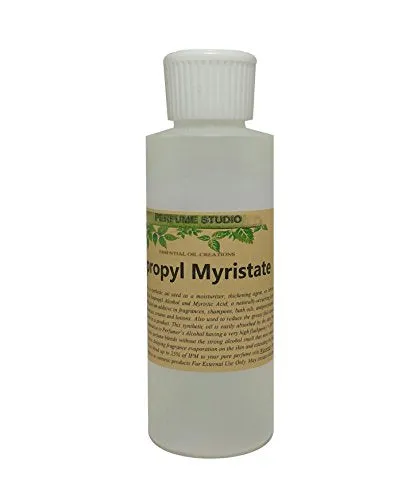
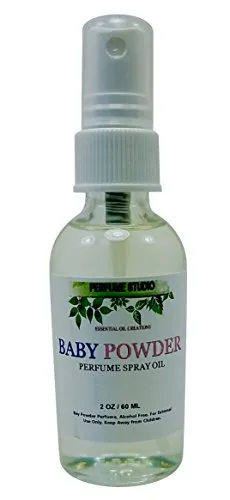
 Shopping at The Perfume Studio? See the discount code
15% OFF All Orders
Shopping at The Perfume Studio? See the discount code
15% OFF All Orders
More in this series
How Long Does 1.7 Oz of Perfume Last with Daily Use?16 Sep 20265 minWhat to Put in a Perfume Making Kit: Essential Ingredients and Tools Every Beginner Needs16 Sep 20266 minDoes Calendula Oil Go Bad? Shelf Life and Storage Tips for Botanical Oils16 Sep 20265 minJojoba Oil vs Isopropyl Myristate: Which Carrier Oil Is Best for DIY Perfume?16 Sep 20265 minHow to Make Your Own Perfume at Home: A Beginner’s Guide to Perfumers Alcohol and Fragrance Oils16 Sep 20264 min