 A The Perfume Studio guide
Jojoba Oil vs Isopropyl Myristate: Which Carrier Oil Is Best for DIY Perfume?
Isopropyl myristate absorbs faster and extends fragrance throw better than jojoba oil, making it the top choice for alcohol-free roll-on perfumes.
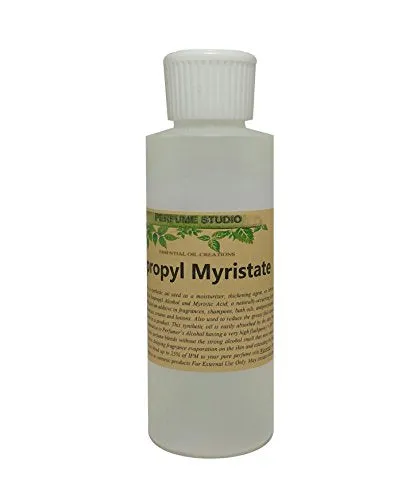
Isopropyl myristate absorbs faster and spreads fragrance more evenly on skin than jojoba oil, which makes it our preferred carrier for alcohol-free roll-on perfumes. Jojoba works beautifully for heavier, slower-release oil perfumes and massage blends, but if you want a dry-touch finish and better scent throw, isopropyl myristate delivers.
What Isopropyl Myristate Is and Why It Works for Perfume
Isopropyl myristate is a synthetic ester derived from isopropyl alcohol and myristic acid, a fatty acid found in nutmeg and coconut oil. It is colorless, nearly odorless, and has a light, silky texture that spreads instantly on skin without leaving a greasy film. Cosmetic formulators use it as a binder, emollient, and solvent in everything from lotions to alcohol free fragrance oil blends.
For perfume making, isopropyl myristate ipm offers three key advantages:
- Fast absorption that prevents the oily slick many carrier oils leave behind
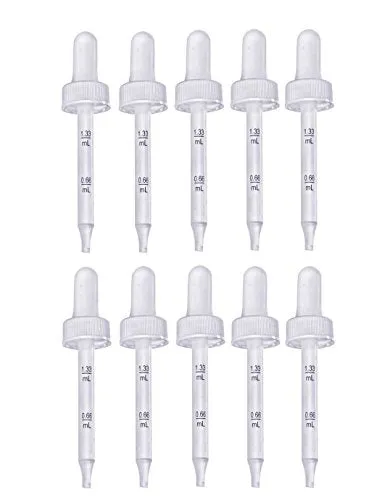
- Low viscosity that flows easily through medium measured droppers and roll-on applicators
- Neutral scent profile that does not compete with delicate notes like tuberose fragrance or citrus top notes
We also appreciate that isopropyl myristate for skin has a comedogenic rating around 3 to 4 on a scale of 0 to 5, meaning it can clog pores for some users but is generally well-tolerated in leave-on formulas at concentrations below 20 percent. If you have acne-prone skin, patch-test first or blend it with a non-comedogenic oil like squalane.
How Jojoba Oil Compares as a Perfume Carrier
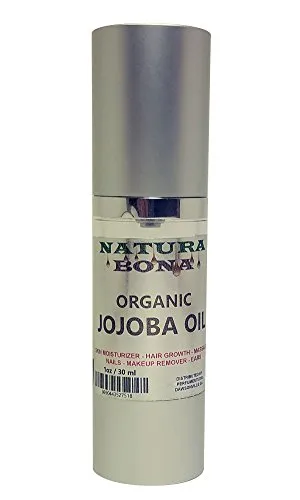
Jojoba massage oil is technically a liquid wax ester that mimics human sebum, making it deeply moisturizing and stable against oxidation. It has a faint nutty aroma, a golden color, and a thicker texture than isopropyl myristate. Because it is occlusive, jojoba sits on the skin longer and releases fragrance gradually over hours.
Here is how the two carriers stack up:
| Feature | Isopropyl Myristate | Jojoba Oil |
|---|---|---|
| Absorption speed | Very fast, dry finish | Slow, leaves slight sheen |
| Viscosity | Low, flows easily | Medium, needs warming |
| Comedogenic rating | 3 to 4 (moderate risk) | 2 (low risk) |
| Scent throw | Strong, immediate | Softer, layered release |
Jojoba is the better choice for solid perfume balms, hair oils, and perfume oils for candle making where you want a richer base. Isopropyl myristate wins for pulse-point roll-ons and spray formulas where you need a lighter vehicle that evaporates quickly to reveal the fragrance.
Isopropyl Myristate Uses in DIY Perfume Formulas
We use isopropyl myristate in three main perfume applications:
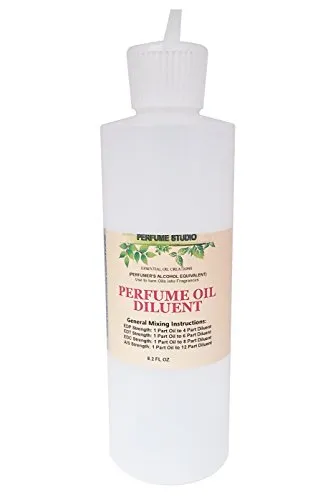
- Roll-on oil perfumes: Blend 10 to 15 percent fragrance or essential oils with isopropyl myristate, pour into a 10 mL roll-on bottle, and apply to wrists and neck. The dry finish means no sticky residue on clothing.
- Alcohol-free sprays: Combine isopropyl myristate with a solubilizer like polysorbate 20 to create a sprayable emulsion that works in fine-mist bottles. This is ideal for shoppers who want perfumers alcohol alternatives.
- Dilution base for strong accords: When working with potent materials like patchouli oil perfume or oakmoss absolute, isopropyl myristate lets you dilute the concentrate without adding competing odors.
For best results, grab the code and stock both carriers so you can match the base to your fragrance style. We keep isopropyl myristate for fresh, citrus, and aquatic blends and jojoba for amber, resin, and gourmand recipes like baby powder perfume.
Isopropyl Myristate for Hair and Skin: Safety and Side Effects
Isopropyl myristate is it safe for cosmetic use? The Environmental Working Group rates it as low to moderate concern, noting that high concentrations may cause mild irritation or breakouts in sensitive individuals. Isopropyl myristate side effects are rare but can include contact dermatitis or folliculitis if you apply it to broken skin or use it daily on acne-prone areas.
Isopropyl myristate for hair works well as a detangling and shine agent in leave-in serums, but avoid applying it directly to the scalp if you have oily roots or seborrheic dermatitis. In perfume formulas, you will typically use it at 80 to 90 percent of the total blend, which is safe for most users.
If you prefer botanical options, calendula oil and fractionated coconut oil are gentle alternatives, though both have slightly heavier textures and may dull the top notes of your fragrance.
Choosing the Right Carrier for Your Perfume Project
Match your carrier to the formula type and wear experience you want:
- Choose isopropyl myristate if you are making roll-on pulse-point perfumes, need fast absorption, want maximum scent throw, or plan to layer fragrance with lotion.
- Choose jojoba oil if you are blending a massage oil, making solid perfume, prefer all-natural ingredients, or want a slower, skin-close fragrance release.
- Blend both for a hybrid carrier that balances absorption speed with moisturizing benefits. Start with a 60/40 isopropyl myristate to jojoba ratio and adjust based on your skin type.
We also recommend keeping a perfume making kit on hand with multiple carriers, droppers, and sample vials so you can test formulas before committing to a full batch. Check the latest price and take advantage of the 15 percent discount on all carrier oils and tools.
Practical Tips for Working with Isopropyl Myristate
Isopropyl myristate derived from plant-based myristic acid is shelf-stable for up to two years if you store it in a cool, dark place. Here are our top handling tips:
- Measure accurately: Use medium measured droppers or a digital scale to ensure consistent fragrance-to-carrier ratios. A 10 percent dilution is a good starting point for most essential oils.
- Warm jojoba before blending: If you are mixing jojoba with fragrance, gently warm the oil in a water bath to reduce viscosity and improve dispersion.
- Label clearly: Isopropyl myristate and perfumers alcohol look similar in clear bottles. Mark each container with the contents and purchase date.
- Patch-test new blends: Apply a small amount to your inner forearm and wait 24 hours to rule out sensitivity, especially if you are using isopropyl myristate comedogenic formulas on facial skin.
Both carriers pair beautifully with floral, woody, and spice notes, so experiment with layering alcohol free fragrance oil blends to find your signature scent. Once you understand how each carrier affects throw and longevity, you will be able to design perfumes that perform exactly the way you want them to.
Questions
Is isopropyl myristate safe for sensitive skin?
Isopropyl myristate is generally safe for most skin types at concentrations below 20 percent, but it has a comedogenic rating of 3 to 4 and may cause breakouts in acne-prone or sensitive individuals. Always patch-test new formulas on your inner forearm before applying to larger areas.
Can I use jojoba oil in roll-on perfume bottles?
Yes, but jojoba oil is thicker than isopropyl myristate and may clog the roller ball or flow more slowly. Warming the bottle in your hands before application or blending jojoba with a lighter carrier can improve performance.
Which carrier makes perfume last longer on skin?
Jojoba oil creates a slower, more gradual fragrance release because it sits on the skin longer, while isopropyl myristate evaporates faster and delivers stronger initial scent throw. For all-day wear, jojoba or a hybrid blend is the better choice.
What is the best dilution ratio for essential oils in isopropyl myristate?
We recommend starting with a 10 to 15 percent fragrance or essential oil concentration in isopropyl myristate for roll-on perfumes. Adjust up to 20 percent for stronger throw or down to 5 percent for delicate, skin-close scents.
Can I mix isopropyl myristate with perfumers alcohol?
Yes, blending isopropyl myristate with perfumers alcohol creates a hybrid base that balances the dry finish of alcohol with the skin-conditioning properties of the ester. Start with a 50/50 ratio and adjust based on your preferred texture.
Does isopropyl myristate have a smell that affects my perfume?
Isopropyl myristate is nearly odorless and will not compete with your fragrance notes. Jojoba oil has a faint nutty aroma that can slightly alter delicate florals or citrus blends, so isopropyl myristate is the cleaner choice for complex accords.
Products in this guide
 Shopping at The Perfume Studio? See the discount code
15% OFF All Orders
Shopping at The Perfume Studio? See the discount code
15% OFF All Orders
More in this series
How Long Does 1.7 Oz of Perfume Last with Daily Use?16 Sep 20265 minCan You Use Perfume Oils for Candle Making? What Makes an Oil Safe in Wax16 Sep 20265 minWhat to Put in a Perfume Making Kit: Essential Ingredients and Tools Every Beginner Needs16 Sep 20266 min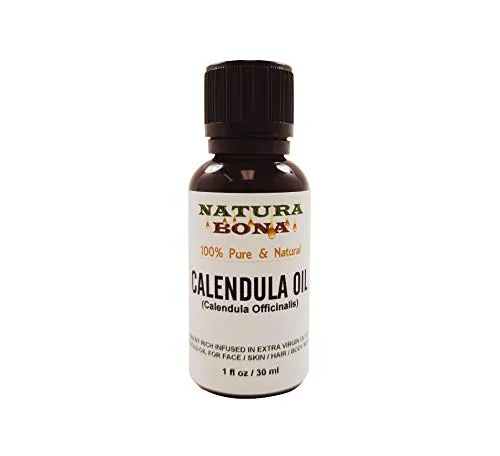 Does Calendula Oil Go Bad? Shelf Life and Storage Tips for Botanical Oils16 Sep 20265 minHow to Make Your Own Perfume at Home: A Beginner’s Guide to Perfumers Alcohol and Fragrance Oils16 Sep 20264 min