 A The Perfume Studio guide
How to Make Your Own Perfume at Home: A Beginner’s Guide to Perfumers Alcohol and Fragrance Oils
Making your own perfume starts with choosing between alcohol free fragrance oil for skin-safe blends or traditional perfumers alcohol for spray formulas.
Why Alcohol Free Fragrance Oil Works for Beginner Perfume Makers
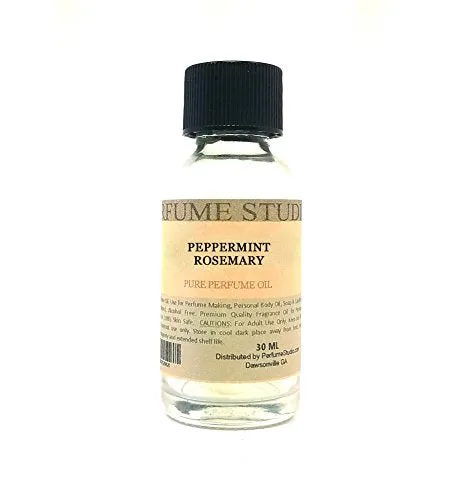
Alcohol free fragrance oil gives you a gentle, concentrated starting point for homemade perfume that works on sensitive skin and eliminates drying effects. Unlike traditional perfumers alcohol bases, oil-based fragrances deliver scent slowly through body heat rather than evaporation, making them ideal for roll-on blends and solid perfumes. We recommend starting with alcohol free fragrance oil if you’re new to perfume making or prefer a non-alcoholic formula that layers directly onto skin without irritation.
The choice between alcohol and oil bases shapes every aspect of your final product. Alcohol creates the spray perfumes you find in stores, while oil bases produce intimate, long-lasting scents that evolve throughout the day. Most beginners find oil blends more forgiving because they don’t require precise dilution ratios and won’t separate if your measurements drift slightly.
Choosing Your Perfume Base: Alcohol vs Oil Carriers
Your base determines how your fragrance applies, wears, and ages. Here’s how the main options compare for home perfume making.
| Base Type | Best For | Skin Feel | Dilution Ratio |
|---|---|---|---|
| Perfumers alcohol | Spray bottles, quick dry | Clean, evaporates fast | 15-30% fragrance |
| Isopropyl myristate | Roll-ons, smooth glide | Silky, non-greasy | 20-40% fragrance |
| Jojoba massage oil | Solid perfumes, balms | Rich, moisturizing | 10-20% fragrance |
Perfumers alcohol remains the gold standard for traditional spray perfumes because it disperses scent molecules instantly and dries without residue.
Isopropyl myristate offers the best middle ground. This odorless carrier absorbs quickly, doesn’t stain clothing, and extends fragrance wear time by 2-3 hours compared to straight alcohol. It’s our top pick for roll-on bottles and travel sizes.
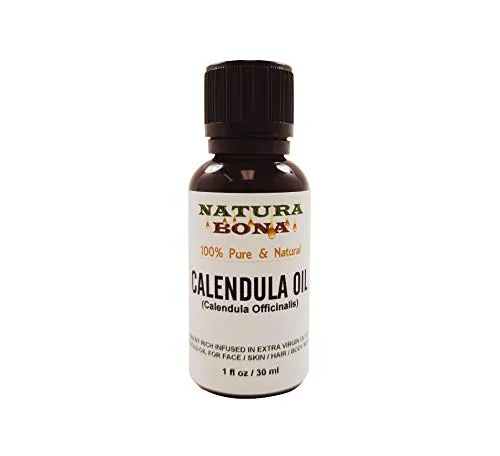
For an alcohol-free perfume approach that also nourishes skin, jojoba provides a natural option that blends seamlessly with botanical oils like calendula oil for added skin-soothing benefits.
Essential Tools and Ingredients for Your First Batch
Precision matters more than fancy equipment when you’re starting out. Gather these basics before mixing:
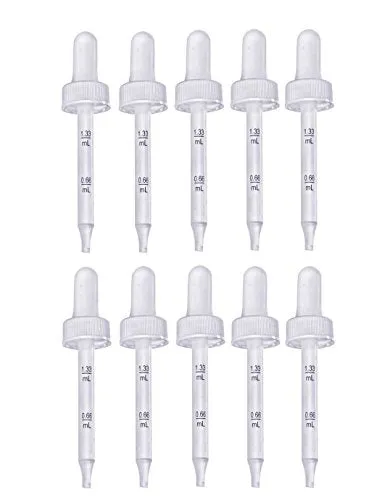
- Medium measured droppers for accurate fragrance dosing (eyeballing leads to overpowering or weak blends)
- Dark glass bottles (amber or cobalt) to protect fragrance oils from UV degradation
- Small funnels to avoid spills when transferring finished perfume
- Labels and a notebook to record every formula (you’ll want to recreate your favorites)
- Perfume making fragrance oils in 2-3 scent families (floral, woody, citrus) for blending practice
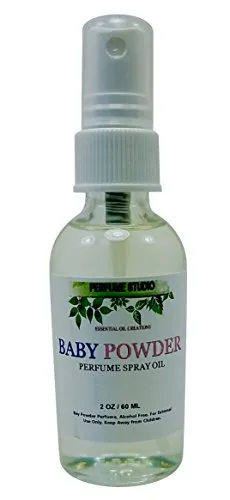
Start with single-note fragrances before attempting complex blends. Baby powder perfume delivers that clean, nostalgic scent profile many beginners love, while patchouli oil perfume adds earthy depth to almost any formula. Tuberose fragrance brings a creamy floral note that reads as sophisticated without requiring layering.
Step-by-Step Mixing Guide for Oil-Based Perfume
This formula produces approximately 10ml of finished perfume in a roll-on bottle:
- Measure your carrier oil: Add 6-7ml of isopropyl myristate or jojoba to your bottle using a dropper or small graduated cylinder
- Add fragrance concentrate: For a 25% strength blend, measure 2-2.5ml of your chosen alcohol free fragrance oil
- Incorporate fixatives (optional): 5-10 drops of a heavier base note like sandalwood or vanilla helps anchor lighter scents
- Shake vigorously: Mix for 30-60 seconds until the oil looks uniform with no separation
- Rest and test: Let the blend sit for 24 hours, then test on your inner wrist to assess strength and development
Oil-based perfumes take 48-72 hours to fully mature as the fragrance molecules bind with carrier oils. What smells sharp on day one often mellows into something richer by day three.
For spray formulas using perfumers alcohol, increase fragrance concentration to 20-30% and add 5% distilled water to soften the alcohol bite. Always filter finished alcohol-based perfumes through a coffee filter to remove any undissolved particles that might clog spray mechanisms.
Blending Fragrance Notes Like a Pro
Professional perfumers work in three layers (top, middle, base), but beginners can create beautiful scents with just two components:
Simple two-note formulas that work:
- 70% tuberose + 30% vanilla (creamy white floral)
- 60% lavender + 40% cedarwood (clean and grounding)
- 50% bergamot + 50% sandalwood (citrus-woody balance)
Three-note complexity requires understanding evaporation rates. Top notes (citrus, mint) fade within an hour, middle notes (florals, spices) last 2-4 hours, and base notes (woods, musks) linger all day. A balanced formula uses roughly 20% top, 50% middle, and 30% base notes by volume.
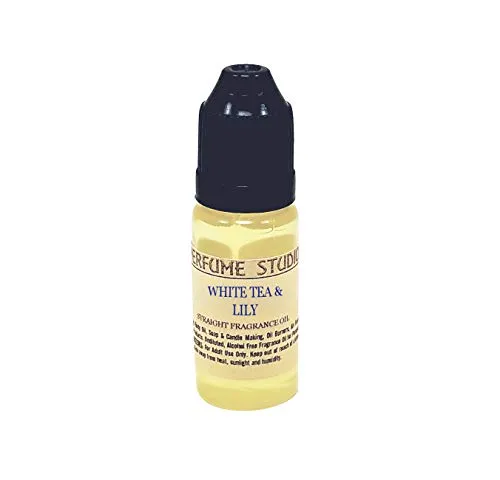
If you’re creating perfume oils for candle making rather than body perfume, you can skip carrier oils entirely and use fragrance concentrates at full strength since heat disperses the scent.
Storage, Aging, and When Your Perfume Is Ready
Homemade perfume improves with age, much like wine. Store finished bottles in a cool, dark cabinet away from temperature swings. Oil-based formulas remain stable for 12-18 months, while alcohol-based perfumes can last 2-3 years if properly sealed.
Signs your perfume has fully matured:
- The scent smells smooth rather than sharp or chemical
- Individual notes blend into a cohesive whole instead of smelling layered
- The fragrance lasts 4+ hours on skin without reapplication
This approach saves money on ingredients and prevents waste if a blend doesn’t turn out as expected.
Before committing to bulk ingredient orders, visit our discount page to access exclusive pricing on everything from carrier oils to specialty fragrance concentrates. The current 15% savings add up quickly when you’re experimenting with multiple formulas.
Best Alcohol Free Perfume Options for Sensitive Skin
Oil-based formulas suit anyone with dry skin, eczema, or alcohol sensitivities. The trend toward alcohol-free fragrances reflects growing awareness that traditional perfumes can strip natural oils and trigger irritation in roughly 30% of users.
Why sensitive skin types prefer oil bases:
- No stinging sensation on freshly shaved or broken skin
- Carrier oils like jojoba actually improve skin barrier function
- Fragrance molecules release gradually, reducing allergy triggers
- Zero drying effect, even with multiple daily applications
For the best alcohol free perfume for ladies who want elegant, long-lasting scent without compromise, we suggest blending alcohol free fragrance oil with isopropyl myristate at a 1:3 ratio. This produces a silky texture that absorbs in seconds while delivering 6-8 hours of noticeable fragrance.
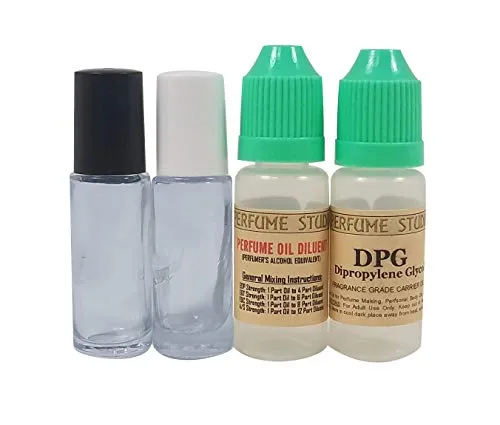
The perfume making kits available through specialty suppliers often include pre-measured components that take the guesswork out of ratios, making them excellent starting points before you graduate to custom formulation.
Questions
Can I use alcohol free fragrance oil in a spray bottle?
Oil-based fragrances don't spray well because they're too thick for standard atomizers. Stick with roll-on or dropper bottles for oil formulas, and reserve spray bottles for perfumers alcohol bases that have the right viscosity for misting.
How long does homemade perfume last on skin?
Oil-based perfumes typically last 6-8 hours because carrier oils slow evaporation, while alcohol-based formulas fade within 3-5 hours. Applying to pulse points (wrists, neck, behind ears) extends wear time for both types.
What's the difference between perfumers alcohol and regular rubbing alcohol?
Perfumers alcohol is a specially denatured ethanol blend that dries odorless and won't leave a medicinal smell, while rubbing alcohol (isopropyl) has a harsh scent that interferes with fragrance notes. Always use cosmetic-grade perfumers alcohol for body perfumes.
Do I need special droppers for perfume making?
Medium measured droppers with clear volume markings prevent over-concentrating your formula, which can cause skin irritation or headaches. Standard pipettes work in a pinch, but calibrated droppers save time and improve consistency across batches.
Can alcohol free perfume be used on clothes?
Yes, oil-based perfumes are safe for most fabrics, but test on an inconspicuous spot first since carrier oils can leave marks on silk or delicate materials. They work beautifully on cotton, wool, and synthetic blends without staining.
How much fragrance oil should I use for a strong perfume?
For oil bases, use 20-30% fragrance concentrate for everyday strength and up to 40% for intense, long-lasting scent. Start at 20% and increase gradually, testing on skin between adjustments to avoid creating an overpowering blend.
Products in this guide
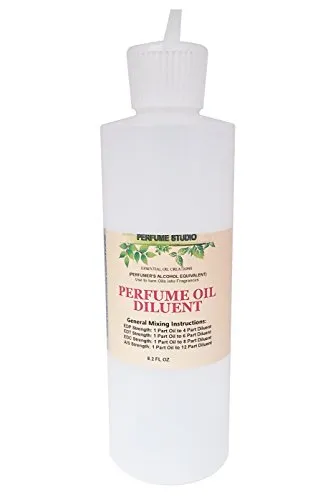
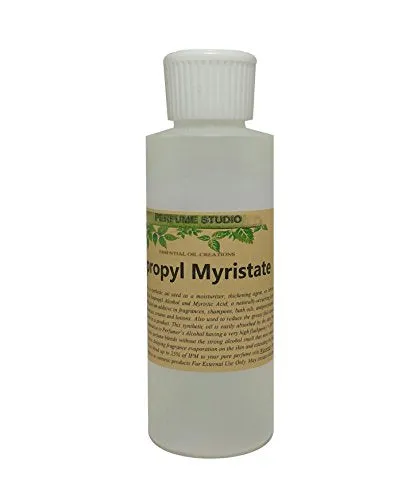
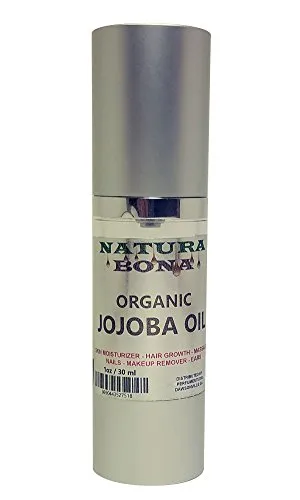
 Shopping at The Perfume Studio? See the discount code
15% OFF All Orders
Shopping at The Perfume Studio? See the discount code
15% OFF All Orders
More in this series
How Long Does 1.7 Oz of Perfume Last with Daily Use?16 Sep 20265 minCan You Use Perfume Oils for Candle Making? What Makes an Oil Safe in Wax16 Sep 20265 minWhat to Put in a Perfume Making Kit: Essential Ingredients and Tools Every Beginner Needs16 Sep 20266 minDoes Calendula Oil Go Bad? Shelf Life and Storage Tips for Botanical Oils16 Sep 20265 minJojoba Oil vs Isopropyl Myristate: Which Carrier Oil Is Best for DIY Perfume?16 Sep 20265 min