 A VisualTimmy guide
Do Procreate Texture Overlays Work With All Brush Types?
Yes, texture overlays work with nearly all brush types in Procreate, though results vary based on blend modes, opacity settings, and the specific watercolor procreate brush you choose.
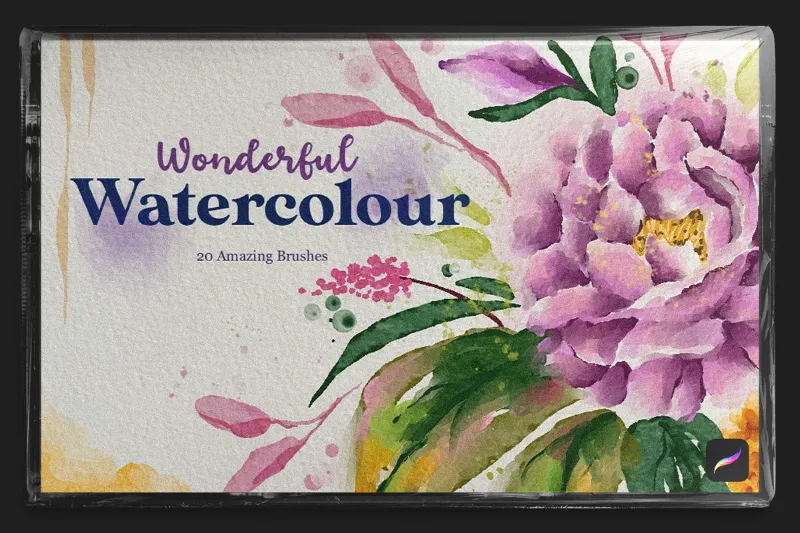
Yes, texture overlays work with nearly all brush types in Procreate, though results vary based on blend modes, opacity settings, and the specific watercolor procreate brush or tool you choose.
How Texture Overlays Interact With Watercolor Procreate Brushes
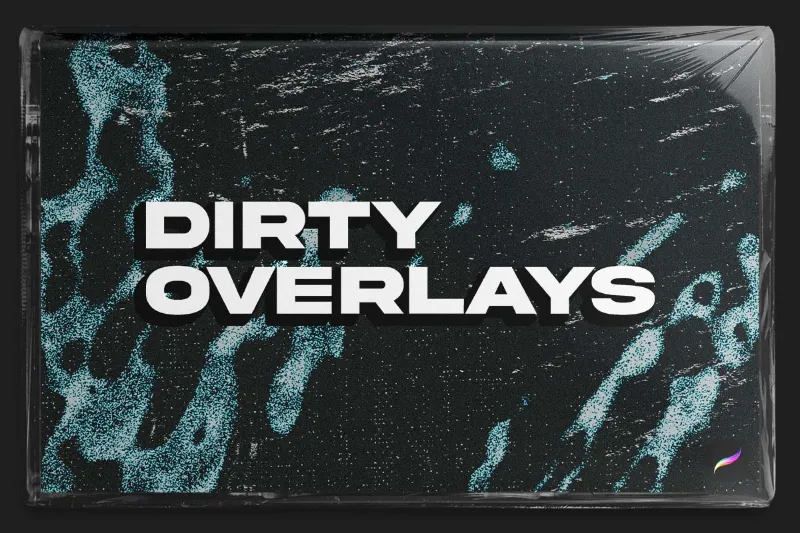
Texture overlays sit on separate layers above your artwork, so they technically work with any brush. The magic happens in the blend mode you select. A dirty overlay set to Multiply will darken your painting and add grain, while Overlay mode boosts contrast and preserves midtones.
Watercolor procreate brushes respond beautifully to texture overlays because their natural transparency and edge variation mirror real wet-on-dry watercolor techniques. When you stack a subtle paper texture over loose watercolor strokes, the overlay clings to the painted areas and amplifies the hand-made feel. We recommend starting with 20-40% opacity on the overlay layer and adjusting from there.
For the best free options to experiment with, the FREE Watercolor Brushes for Procreate collection on the official Procreate forum offers starter sets that pair well with overlays right out of the box.
Which Brush Types Pair Best With Overlays
Not every brush benefits equally from texture overlays. Here is how the most popular categories perform:
- Watercolor and wash brushes: Overlays enhance translucency and add paper tooth. A wet on dry watercolor procreate brush picks up grain beautifully when you layer a canvas texture on top.
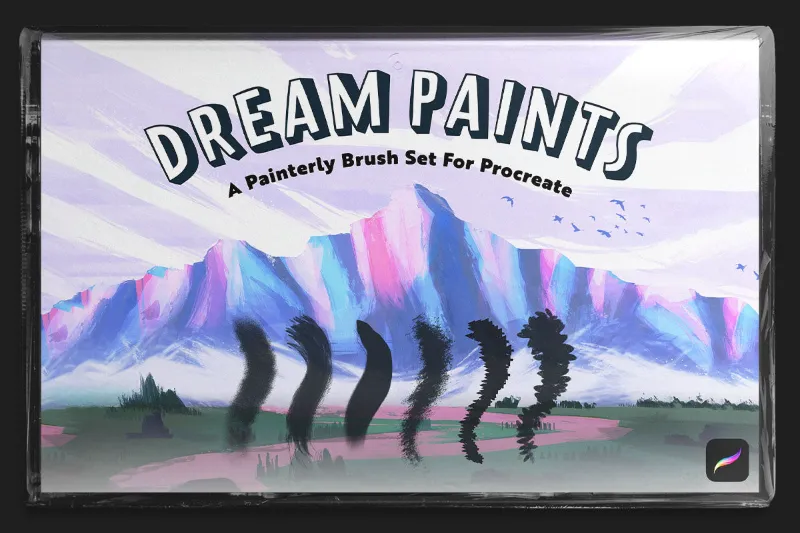
- Sketch and pencil brushes: The dreamy sketch brush set gains depth and authenticity when you add a linen or cold-press texture overlay.
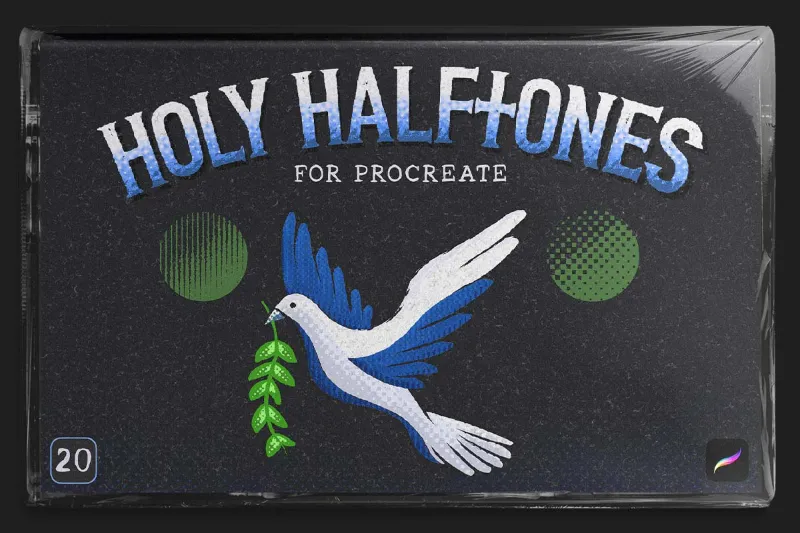
- Halftone and screen-tone brushes–Halftone brushes procreate already contain dot patterns, so overlays can clash. Use a light touch or skip the overlay for these.
- Pattern and stamp brushes–Procreate pattern brushes work best with overlays when the pattern itself is simple. Busy geometric stamps can look muddy under heavy texture.
- Inking and vector-style brushes: Clean line work benefits from subtle overlays, but heavy grain will break the crisp edges you worked to achieve.
If you are hunting for the best watercolor brushes procreate free libraries offer, The Procreate Brush I Had to Share With You (for Free) walks through one artist’s go-to choice and why it layers so well.
Blend Modes and Opacity Settings That Actually Work
The overlay layer blend mode determines whether your texture feels integrated or looks slapped on. Here are the modes we use most often:
| Blend Mode | Best For | Opacity Range |
|---|---|---|
| Multiply | Adding grain and shadow to light washes | 15-30% |
| Overlay | Boosting contrast on midtones | 20-40% |
| Soft Light | Subtle paper texture without darkening | 25-50% |
| Linear Burn | Heavy, moody grain for dark illustrations | 10-25% |
Start conservative. You can always duplicate the overlay layer and increase intensity, but you cannot recover lost detail if you go too heavy the first time. When working with a watercolor procreate brush, we usually land around 25% opacity in Soft Light mode for a natural paper effect.
For current pricing on premium overlays and brushes, grab the code on our VisualTimmy discount page before checkout.
Common Compatibility Issues and How to Fix Them
Even though overlays technically work with all brushes, you will hit snags if you are not careful. Here is what we have learned from hundreds of hours testing:
Clipping masks behave differently: If you clip your overlay to a specific layer, it will only affect pixels on that layer. This is useful for isolating texture to one element, but it can confuse beginners who expect the overlay to affect everything.
Brush grain versus overlay grain: Some procreate brushes already have heavy grain baked into the brush tip. Stacking a grainy overlay on top creates competing textures that look noisy rather than natural. In these cases, either reduce the overlay opacity to 10-15% or flatten your brush strokes first by merging layers.
Color shifts in certain modes: Blend modes like Color Burn and Vivid Light can shift hues unpredictably when paired with transparent watercolor strokes. If your palette looks wrong, switch to Multiply or Soft Light and adjust the overlay’s color balance in the Hue/Saturation/Brightness panel.
File size bloat: High-resolution overlays add weight to your file. If Procreate starts lagging, merge the overlay down once you are happy with the effect, or scale the overlay to match your canvas size exactly instead of using an oversized texture.
Choosing the Right Overlay for Your Brush Style
Match your overlay texture to the medium you are emulating. A rough cold-press texture complements loose watercolor procreate brushes, while smooth hot-press paper suits tight botanical illustrations. The Ultimate Watercolor Brushes guide breaks down paper types if you want to go deeper into traditional watercolor technique.
For digital painting that mimics comic or editorial work, a halftone brush procreate works well with a newsprint or screen texture overlay at low opacity. The overlay should reinforce the aesthetic, not introduce a new one.
The answer: yes, as long as you keep the overlay in a neutral tone (warm gray, cool gray, or beige). Brightly colored overlays will skew your palette and require manual correction.
Tips for Layering Overlays With Multiple Brush Types
If your illustration uses several brush categories, you will need a layered approach to overlays:
- Group by medium: Keep all watercolor elements on one layer group, all ink work on another. Apply one overlay to the watercolor group and a lighter or different overlay to the ink group.
- Mask selectively: Use a layer mask on your overlay to erase texture from areas that should stay clean, like highlights or sharp vector shapes.
- Adjust per layer: Instead of one global overlay, duplicate the texture and tweak blend mode and opacity for each major element. This takes more time but yields professional results.
- Test with free brushes first: Before investing in premium sets, download 50 procreate watercolor brushes free from community sites and experiment with your dirty overlay to learn what you like.
For the latest bundle pricing on brushes and overlays together, check the latest price on our coupon page to save 15% on everything.
Texture overlays are one of the fastest ways to add depth and authenticity to digital paintings, and they genuinely work with every brush type as long as you respect blend modes and opacity. Start with a single overlay on a watercolor piece, dial in the settings, and then expand to more complex layering as you build confidence.
Questions
Can I use texture overlays with free watercolor brushes from Procreate forums?
Yes, free brushes work just as well with texture overlays as premium sets. The overlay sits on a separate layer, so brush quality affects the painting itself but not overlay compatibility.
Do halftone brushes need texture overlays?
Halftone brushes already contain dot or screen patterns, so overlays are optional. If you do add one, keep opacity under 20% to avoid visual clutter.
What blend mode works best for watercolor procreate brush artwork?
Soft Light at 25-40% opacity is our go-to for watercolor because it adds paper texture without darkening the wash. Multiply works well for heavier grain and shadow.
Will texture overlays slow down Procreate on older iPads?
High-resolution overlays can increase file size and cause lag on older devices. Merge the overlay layer once you finalize the effect, or scale the texture to match your canvas dimensions exactly.
Can I stack multiple texture overlays on one painting?
Yes, you can layer multiple overlays with different blend modes and opacities. Keep each overlay subtle to avoid a muddy or over-processed look.
Do I need separate overlays for sketch brushes and watercolor brushes?
Not necessarily, but using different overlays or opacity settings per brush type gives you more control. Watercolor benefits from softer paper textures, while sketch work can handle coarser grain.
Products in this guide
 Shopping at VisualTimmy? See the discount code
15% OFF All Orders
Shopping at VisualTimmy? See the discount code
15% OFF All Orders
More in this series
Dreamy Sketch Brush Set Review: Is It Worth It for Digital Illustration?3 Sep 20263 min Why Your Procreate Color Palettes Look Flat (And How to Fix Them)3 Sep 20266 minBest Procreate Pattern Brushes for Seamless Background Design3 Sep 20264 minWatercolor vs Halftone Brushes in Procreate: Which Style Fits Your Art?3 Sep 20264 minHow to Install and Organize Procreate Brushes for Faster Workflow3 Sep 20265 min