 A Procolored guide
Procolored DTF Ink Guide: Compatibility, Storage, and What to Avoid
DTF ink compatibility, storage best practices, and the mistakes that cost you printheads and failed prints.
What Makes DTF Ink Different from Regular Inkjet Ink
DTF ink is a specialized pigment-based formulation designed to bond with DTF powder adhesive and survive the heat-press curing process, unlike standard dye-based inkjet ink that would fade or flake immediately.
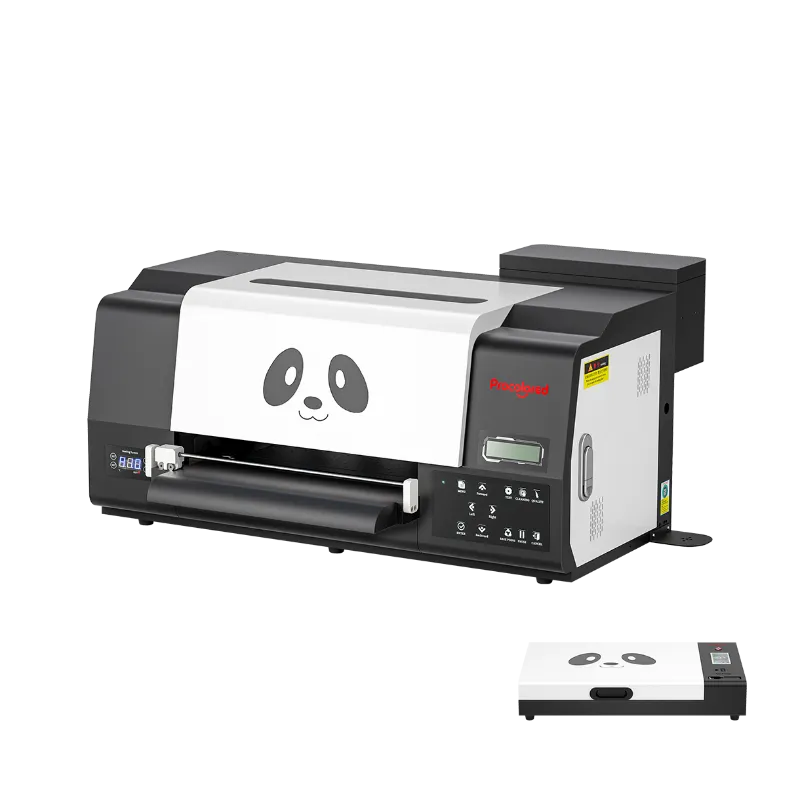
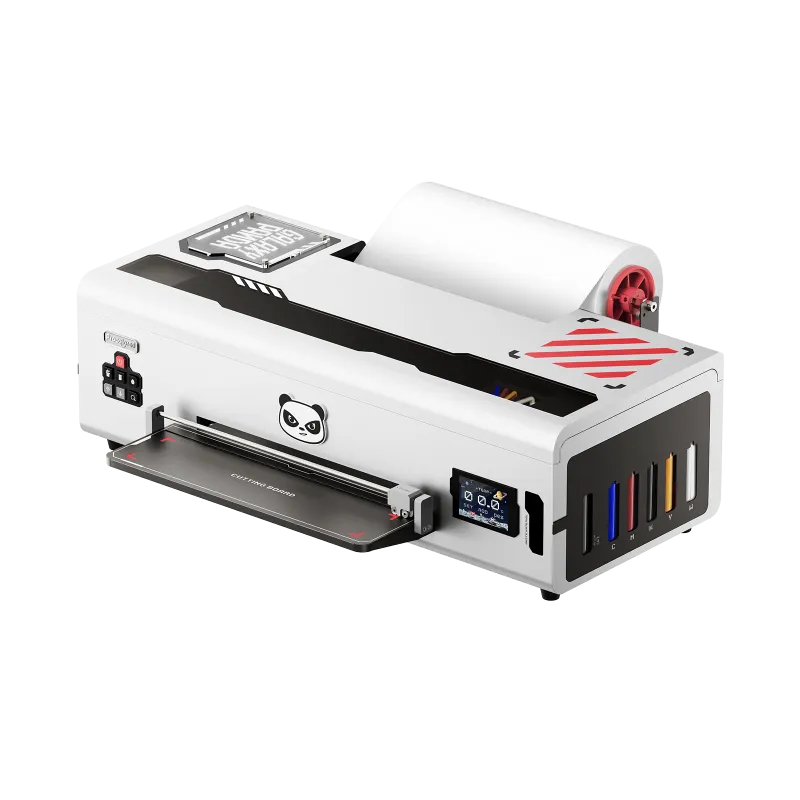
Regular inkjet ink from office printers will destroy a DTF system within hours. The dye molecules don’t bind to hot-melt powder, the viscosity clogs micro-nozzles, and you’ll void every warranty. If you’re running a Procolored F8 Panda DTF printer or Procolored K13 Lite DTF printer, only DTF-specific formulations will deliver wash-durable transfers without printhead damage.
Procolored DTF Ink Compatibility: Which Printers Work
Procolored DTF ink is engineered for Epson i3200-A1 and Epson XP600 printheads, the workhorses inside most DTF printer models including the F8 Panda and K13 Lite.
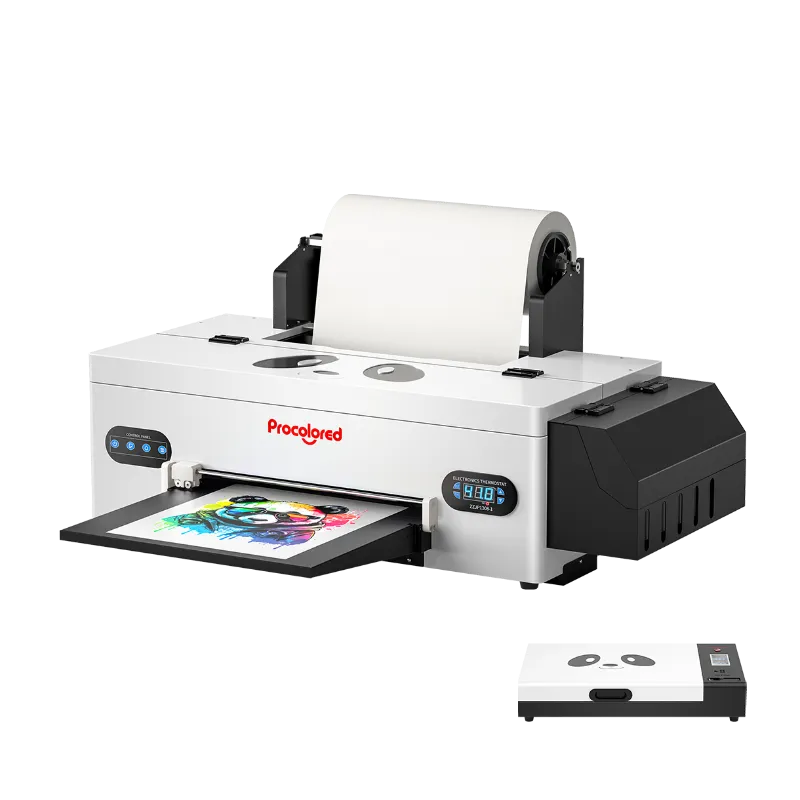
- Procolored F8 Panda and K13 Lite: both ship with matching Procolored ink sets; third-party inks void the warranty and often fail mid-job
- Epson L1800 DTF conversions: the Epson L1800 DTF printer uses the same Epson printheads, so Procolored ink works if you’ve converted the machine, but verify the CISS tubing diameter matches
- Generic DTF printers with Epson heads: if your t shirt printer uses an XP600 or i3200 head, Procolored ink is compatible, though mixing brands mid-cartridge risks color shifts
What won’t work: UV DTF printer systems require UV-curable ink with photoinitiators; standard DTF ink will not cure under UV lamps. Similarly, printer dtg machines use water-based textile ink that pre-treats fabric, a completely different chemistry. Industry suppliers stress that cross-contamination between ink types permanently damages printheads.
Check the latest Procolored ink pricing and bundle the right set with your printer order to avoid compatibility guesswork.
How to Store DTF Ink for Maximum Shelf Life
Unopened Procolored DTF ink lasts 12 to 18 months when stored correctly; poor conditions cut that to weeks.
- Temperature: 15 to 25°C (59 to 77°F); freezing separates pigments permanently, and heat above 30°C accelerates chemical breakdown
- Light exposure: opaque bottles in a dark cabinet; UV degrades pigment bonds and shifts color balance
- Seal integrity: once opened, consume within 6 months; oxygen exposure thickens ink and clogs nozzles
- Shake before use: pigments settle; invert bottles gently 10 times before refilling cartridges to redistribute particles evenly
If you buy in bulk to save on shipping costs, date each bottle with a marker. The best DTF ink is fresh ink.
For Epson-based systems like the Procolored K13 Lite, the CISS tanks expose ink to air constantly, so top them off every two weeks during active use to prevent oxidation at the surface.
Common DTF Ink Mistakes That Damage Printheads
Printhead replacement costs $200 to $600 depending on the model, and most failures trace to ink mishandling. These are common mistakes that damage printheads:
Mixing ink brands mid-cartridge: different manufacturers use proprietary surfactant blends that coagulate when combined. Always flush the system completely before switching brands.
Letting cartridges run dry: air bubbles enter the printhead when you ignore low-ink warnings, causing permanent micro-clogs. Set calendar reminders to check levels weekly, especially on high-volume days.
Using expired or separated ink: if you see sediment or color layers in the bottle, the pigment has crashed out. Shaking won’t fully re-suspend it; those particles will lodge in nozzles. Dispose of any ink older than 18 months unopened or 6 months opened.
Skipping nozzle checks: run a test pattern every morning before production. Catching a partial clog early takes 5 minutes and a cleaning cycle; ignoring it leads to banding, wasted film, and a $400 head replacement.
Wrong storage during shipping: if you’re ordering DTF ink from Amazon or direct, winter shipments can freeze in transit. Inspect bottles on arrival; if the liquid looks separated or slushy, request a replacement before installing it.
DTF Ink for Epson Printers: What You Need to Know
Most affordable DTF printers use Epson piezoelectric printheads because they handle pigment ink better than thermal heads. If you’re searching for dtf ink for Epson 8550 or dtf ink for Epson L1800 conversions, here’s what matters:
Printhead type determines ink viscosity: Epson XP600 heads (in entry-level DTF printer models) require 8 to 12 cps viscosity; i3200 heads (in the F8 Panda) tolerate 10 to 15 cps. Procolored formulates its ink to the middle of that range, so it works across both without thinning.
CISS vs. cartridge systems: the Epson L1800 DTF printer typically runs a continuous ink supply system with larger external tanks. Procolored ink works here, but you’ll go through bottles faster; order in liter quantities if you’re printing 50+ transfers daily to keep per-print costs down.
Color profile matching: Epson-based systems need ICC profiles tuned to the specific ink brand. Procolored ships profiles with their printers; if you’re retrofitting an L1800, download the profile from the manufacturer or you’ll get washed-out colors and poor powder adhesion.
Grab the current Procolored ink bundle discount when you’re setting up a new Epson-based DTF system to ensure the profiles match from day one.
Where to Buy Procolored DTF Ink and What It Costs
Here’s what to expect:
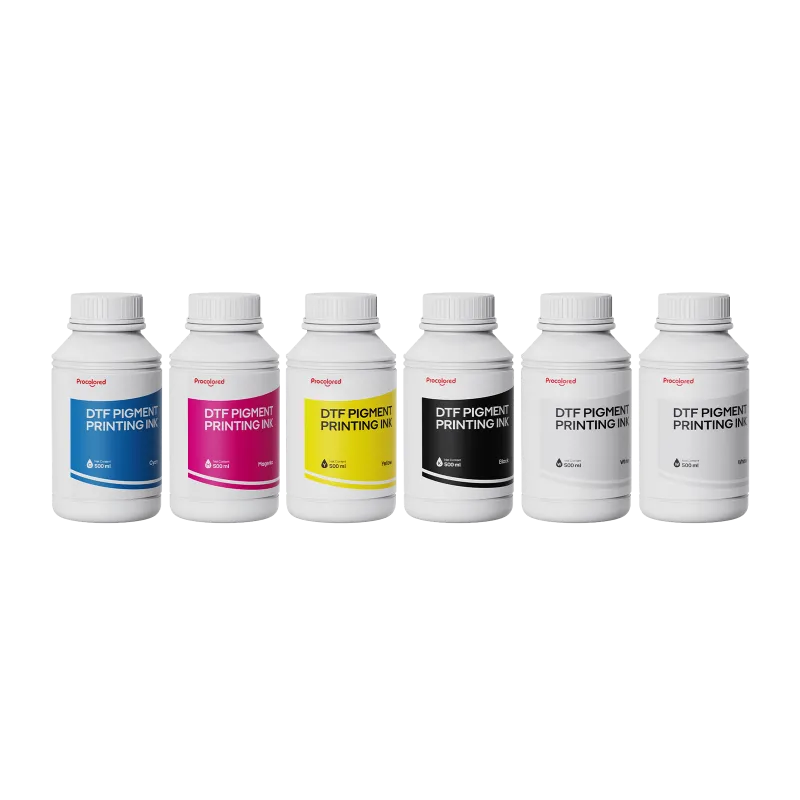
Bottle sizes: 100 ml, 250 ml, and 1-liter bottles; the per-ml cost drops roughly 30% when you jump from 100 ml to 1 liter, but only buy bulk if you’ll use it within 6 months.
CMYK vs. CMYK+White: most DTF printer setups require five or six channels (cyan, magenta, yellow, black, and one or two white channels). White ink is the most expensive and fastest-consumed; it typically costs 1.5× the price of color inks per bottle.
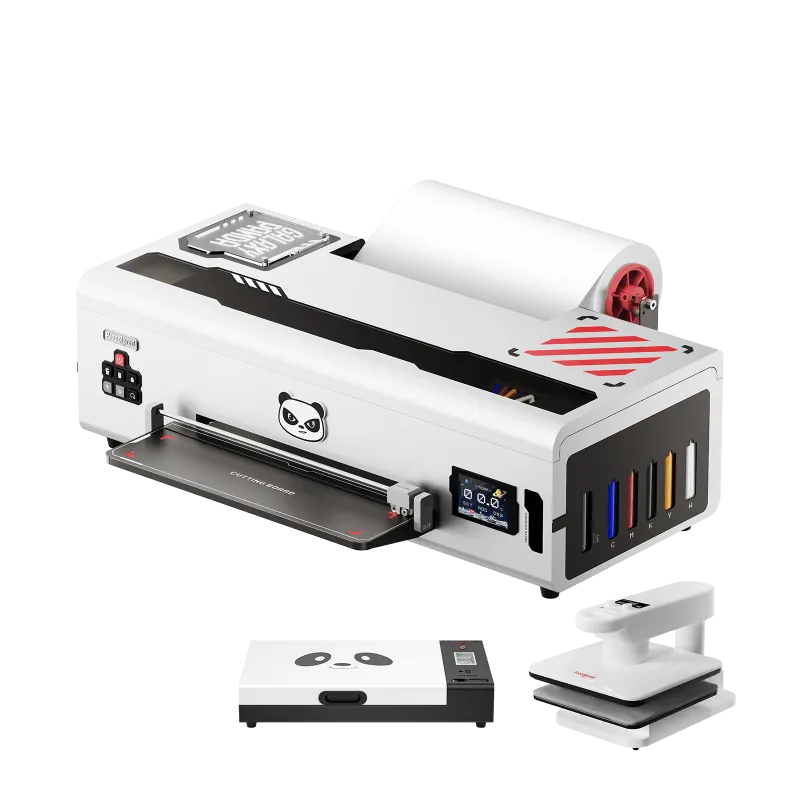
Starter kits: Procolored bundles 500 ml of each color with new printer purchases; if you’re buying a Procolored F8 Panda DTF printer, the included ink covers roughly 200 to 300 full-color A4 transfers, depending on design coverage.

Shipping and duties: domestic orders usually ship free over a threshold; international buyers should factor in DHL shipping cost or DHL fees if ordering direct from Procolored, especially for bulk ink that adds weight.
We recommend buying one extra bottle of white and black (the two fastest-depleting colors) alongside your printer order. Running out mid-job on a rush order costs more in lost time than the extra $30 per bottle.
Is Procolored DTF Ink Worth It Over Generic Alternatives
Compared to generic DTF ink, Procolored’s branded formulation is engineered specifically for its own printheads, which reduces the risk of clogs and warranty issues that come with third-party ink.
When Procolored ink makes sense: if you’re running a Procolored K13 Lite DTF printer or F8 Panda under warranty, using their ink protects your coverage. If you’re doing client work where color matching matters (team uniforms, brand merchandise), the consistency justifies the 15 to 20% premium over generics.
When generics might work: if you’ve voided your warranty already, you’re printing high-volume low-margin orders (festival tees, samples), and you’re comfortable with more frequent maintenance, name-brand generic inks can be a workable option. Never use no-name bulk ink from unverified sellers; the printhead replacement cost will dwarf any savings.
For most small-to-midsize operations, the combination of longer head life, fewer failed prints, and warranty protection makes Procolored ink the safer long-term investment. Check current Procolored offers here to see if bulk pricing or bundled deals close the cost gap.
Questions
Can I use generic DTF ink in a Procolored printer?
You can, but it voids the warranty and increases the risk of printhead clogs. Procolored designs their ink chemistry to match their printhead specs; third-party inks may have different viscosity or pigment loads that cause long-term damage.
How long does DTF ink last once opened?
Opened DTF ink lasts 6 months when stored in a sealed container at 15 to 25°C away from light. After that, pigments settle and oxidation thickens the ink, leading to nozzle clogs.
What happens if I let my DTF ink cartridge run completely dry?
Air enters the printhead when cartridges run dry, creating micro-clogs that are difficult or impossible to clear. This often requires a printhead replacement costing $200 to 600.
Is Procolored DTF ink compatible with Epson L1800 conversions?
Yes, Procolored ink works with Epson L1800 DTF conversions because both use Epson XP600 printheads. Make sure the CISS tubing diameter matches and download the correct ICC color profile for accurate results.
Why does white DTF ink cost more than color inks?
White DTF ink contains a much higher pigment concentration (often 2 to 3× the load of color inks) to provide opacity over dark fabrics. It also depletes faster since most DTF designs require a white underbase layer.
Can I mix different brands of DTF ink to save money?
No. Different manufacturers use proprietary surfactant and binder blends that can coagulate or separate when mixed, causing immediate printhead clogs. Always flush the system completely before switching ink brands.
Products in this guide
 Shopping at Procolored? See the discount code
$100 OFF All Orders
Shopping at Procolored? See the discount code
$100 OFF All Orders
More in this series
What the DHL Shipping Fees on Procolored Orders Actually Cost, and How to Plan for Them10 Aug 20265 minDoes the Procolored TX300 V11 Pro UV DTF Hold Up Under Heavy Use?10 Aug 20264 minThe Procolored K13 Lite vs P13 vs L805 A4: Finding the Right DTF Printer for Your Print Volume10 Aug 20265 minHow to Set Up the Procolored F8 Panda DTF Printer for Your First Print Run10 Aug 20265 minDTF vs DTG vs UV DTF: Which Procolored Printer Is Right for Your Business?10 Aug 20264 min