 A Procolored guide
DTF vs DTG vs UV DTF: Which Procolored Printer Is Right for Your Business?
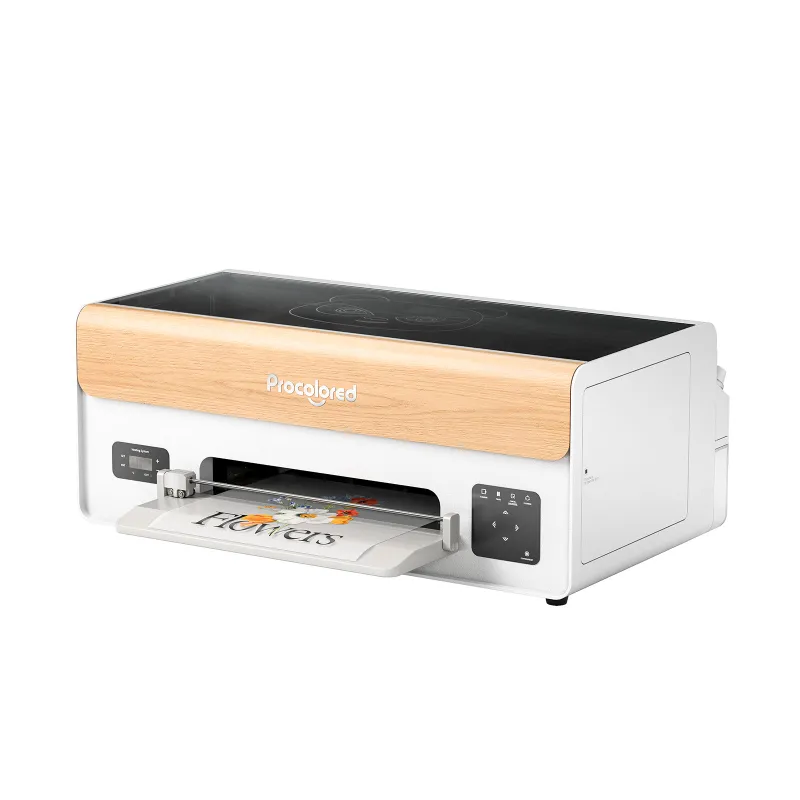
The procolored k13 lite dtf printer offers A3 format printing for businesses ready to scale beyond entry-level DTG or UV DTF systems.
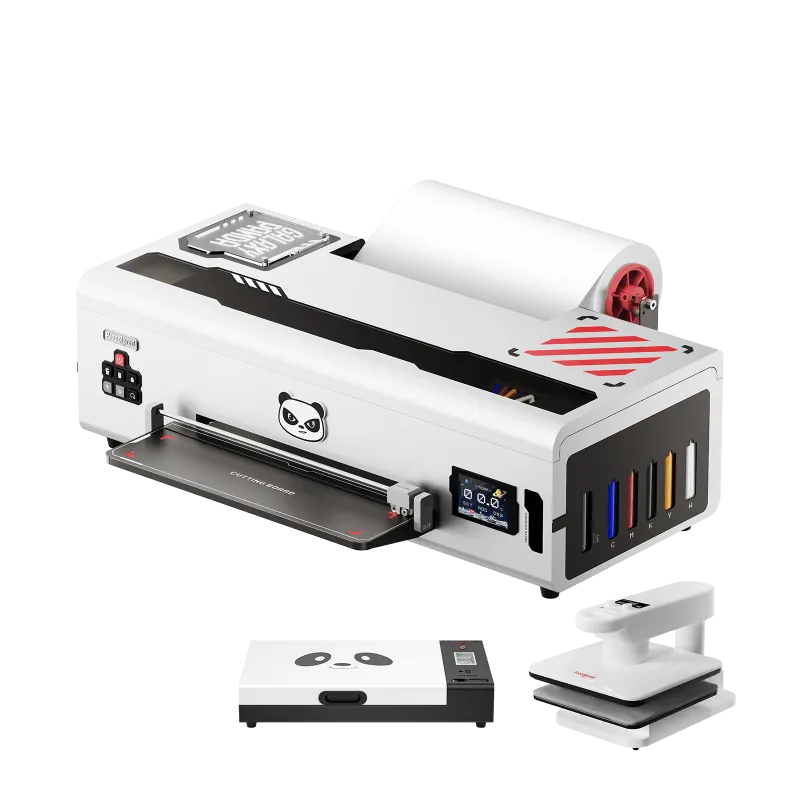
The procolored k13 lite dtf printer sits squarely in the DTF category, which makes it fundamentally different from DTG and UV DTF technologies. Understanding these three printing methods will help you choose the right machine for your production volume, fabric types, and budget.
What DTF, DTG, and UV DTF Actually Mean
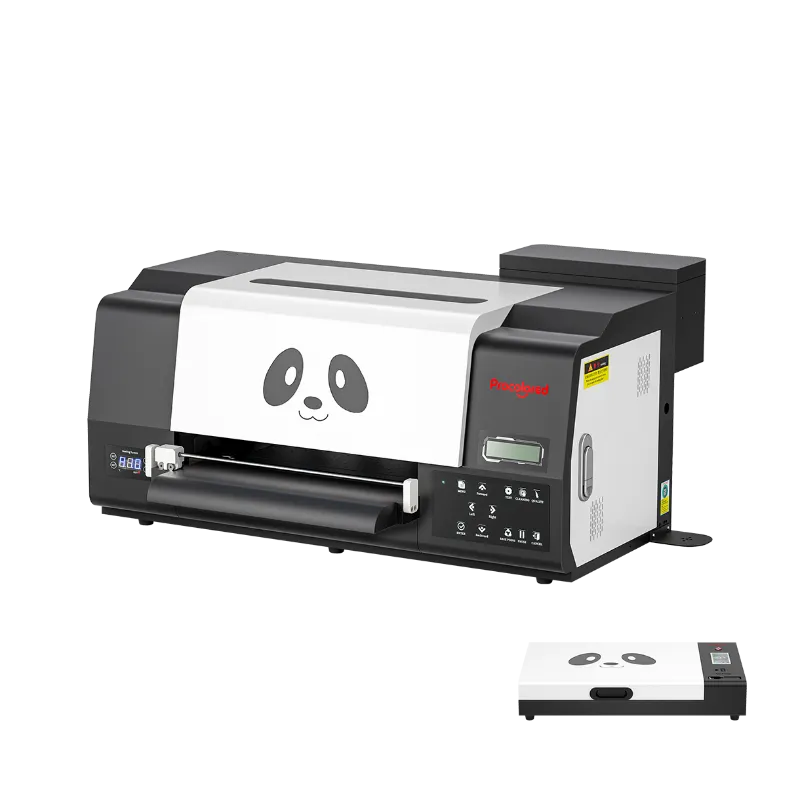
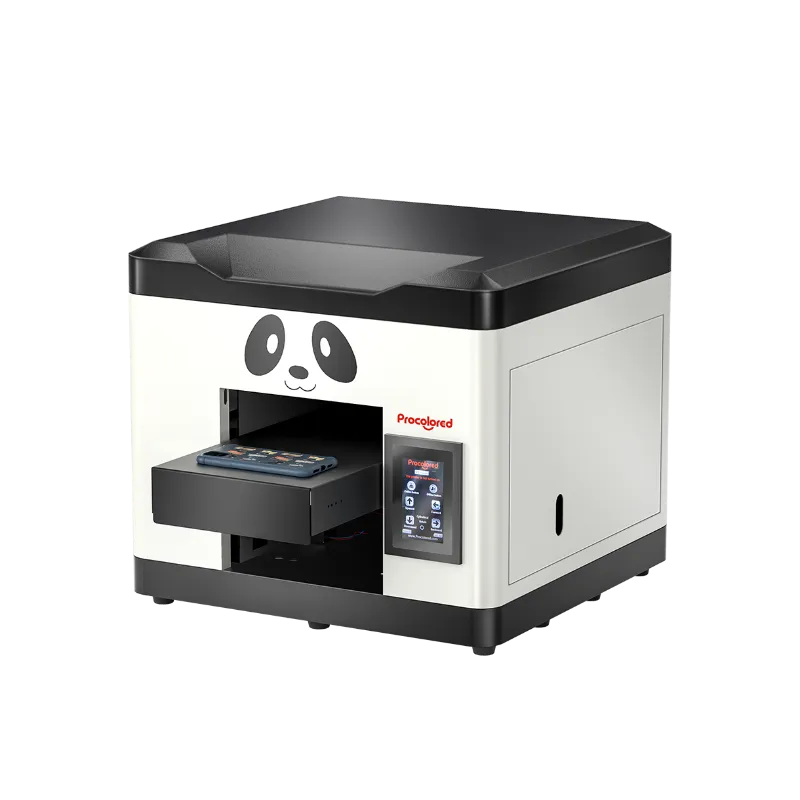
DTF (Direct-to-Film) prints your design onto a special film, then applies a powder adhesive before heat-curing. You transfer the finished film to fabric with a heat press. The procolored k13 lite dtf printer and the procolored f8 panda dtf printer both use this method, printing with specialized dtf ink that bonds through the powder layer.
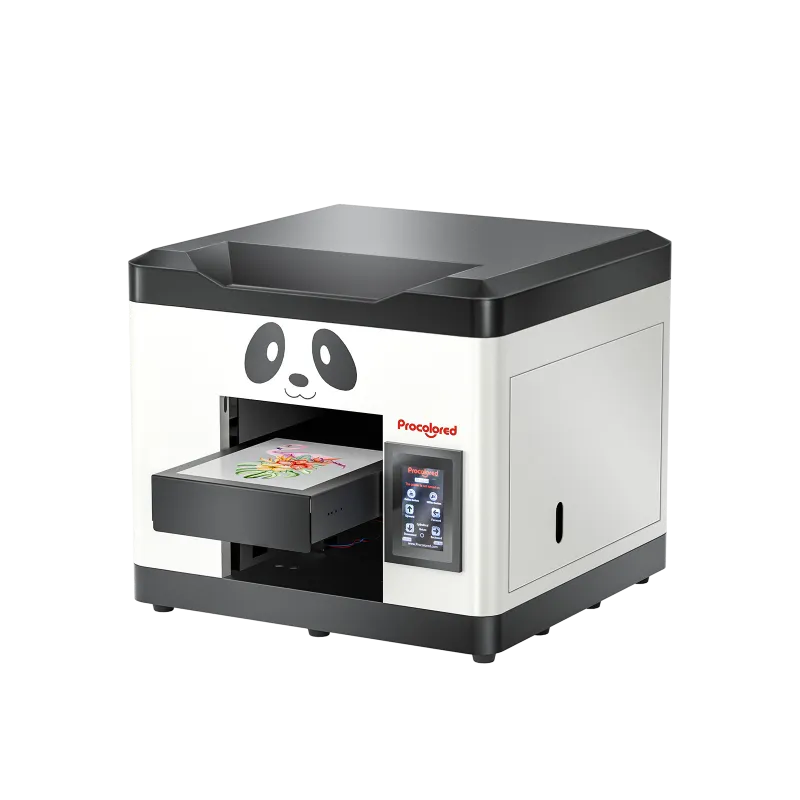
DTG (Direct-to-Garment) sprays water-based ink straight onto pre-treated fabric, much like an inkjet printer on paper. A printer dtg works best on 100% cotton and requires garment pretreatment for durability.
UV DTF combines UV-cured ink with a transfer film, but unlike standard DTF, it applies a clear laminate layer instead of powder adhesive. A uv dtf printer produces peel-and-stick transfers that work on hard surfaces like phone cases, glass, and wood, not just fabric.
Procolored K13 Lite DTF Printer Specifications and Workflow
The procolored k13 lite dtf printer 13 a3 format gives you a 13-inch print width, making it suitable for full front-and-back adult shirt designs without piecing. The workflow requires four steps: print the design, apply powder adhesive, cure the film in a heat tunnel or oven, then heat-press onto fabric.
Key aspects of the K13 Lite:
- Print head: Modified Epson i3200 for white and CMYK channels
- Software compatibility: Works with standard RIP software including the procolored k13 lite software package
- Film handling: Roll-fed system with automatic film advance
- Maintenance: Daily head cleaning and white ink circulation required
The procolored k13 lite print head uses white ink channels that require circulation every 24 hours to prevent clogging, a consideration for shops that run intermittent production schedules. Check the latest price and our exclusive code before comparing it to the alternatives below.
DTF vs DTG: Production Speed and Fabric Compatibility
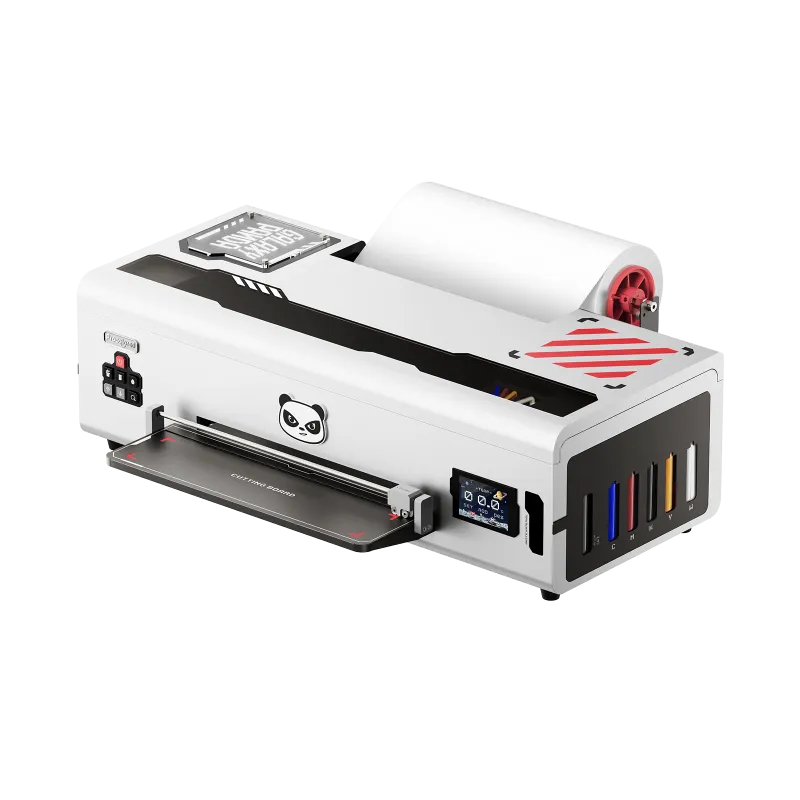
DTF separates printing from pressing, so you can batch-print dozens of transfers in the morning and press them on-demand throughout the day. A dtf printer like the K13 Lite prints transfers at roughly 3 to 5 minutes per full-size design, then you stock them until needed.
DTG requires the garment loaded on a platen during printing. You pretreat, dry, print, and cure each shirt individually. Production speed for a t shirt printer running DTG averages 4 to 6 minutes per shirt for dark garments when you include pretreatment drying time.
Fabric compatibility differences:
| Technology | Cotton | Polyester | Blends | Nylon |
|---|---|---|---|---|
| DTF | Excellent | Excellent | Excellent | Good |
| DTG | Excellent | Poor | Moderate | Poor |
| UV DTF | N/A (hard surfaces only) | N/A | N/A | N/A |
DTF transfers work on nearly any fabric because the adhesive layer bonds mechanically rather than soaking into fibers. DTG ink absorbs into cotton but sits on top of polyester, leading to poor wash durability on synthetic blends. According to independent testing from DTF Gears, the K13 Lite produces transfers that survive 50+ wash cycles on poly-cotton blends without cracking.
UV DTF for Non-Fabric Applications
A uv dtf printer targets completely different products: tumblers, acrylic signs, metal panels, and promotional items. The UV-cured ink produces a thicker, tactile finish with a glossy laminate that peels away from the backing and sticks to smooth surfaces.
You cannot use UV DTF transfers on fabric because the adhesive layer designed for hard surfaces won’t survive washing or flex with textile movement. Conversely, standard DTF transfers from the procolored k13 lite dtf printer won’t adhere properly to glass or metal because the powder adhesive requires fabric texture for mechanical grip.
Businesses running both apparel and hard-goods decoration typically operate separate machines rather than trying to cross-apply technologies.
Comparing Procolored DTF Models: K13 Lite vs F8 Panda
Both the K13 Lite and the procolored f8 panda dtf printer use the same core DTF process, but they target different production scales.
K13 Lite advantages:
- A3 (13-inch) width handles full adult shirt designs
- Higher resolution i3200 print head
- Better for businesses printing 20 to 100 transfers daily
F8 Panda advantages:
- Compact A4 (8-inch) footprint for home studios
- Lower entry cost for testing DTF before scaling
- Adequate for youth sizes and left-chest logos
The procolored k13 dtf printer price sits in the mid-range for A3 DTF systems. Grab our code for $100 off either model, which narrows the price gap if you’re deciding between formats.
Who Should Choose Each Technology
Choose DTF (K13 Lite or F8 Panda) if you print on polyester, blends, or a mix of fabric types, need to batch-print transfers for later fulfillment, or want wash-durable results without garment pretreatment. DTF also eliminates the feel issues that plague DTG prints on dark garments.
Choose DTG if you exclusively print on white or light-colored 100% cotton, need ultra-soft hand-feel for premium retail brands, or already own pretreatment equipment and have optimized that workflow.
Choose UV DTF if you decorate hard substrates like drinkware, signage, or phone accessories and don’t need fabric capability at all.
For mixed-product businesses, the procolored k13 lite dtf printer offers the widest material compatibility in a single machine. One reviewer at Daisy Multifacetica ran the K13 Lite through 500+ production transfers and reported consistent color accuracy and minimal head clogging when following the daily maintenance routine.
Operating Costs and Shipping Considerations
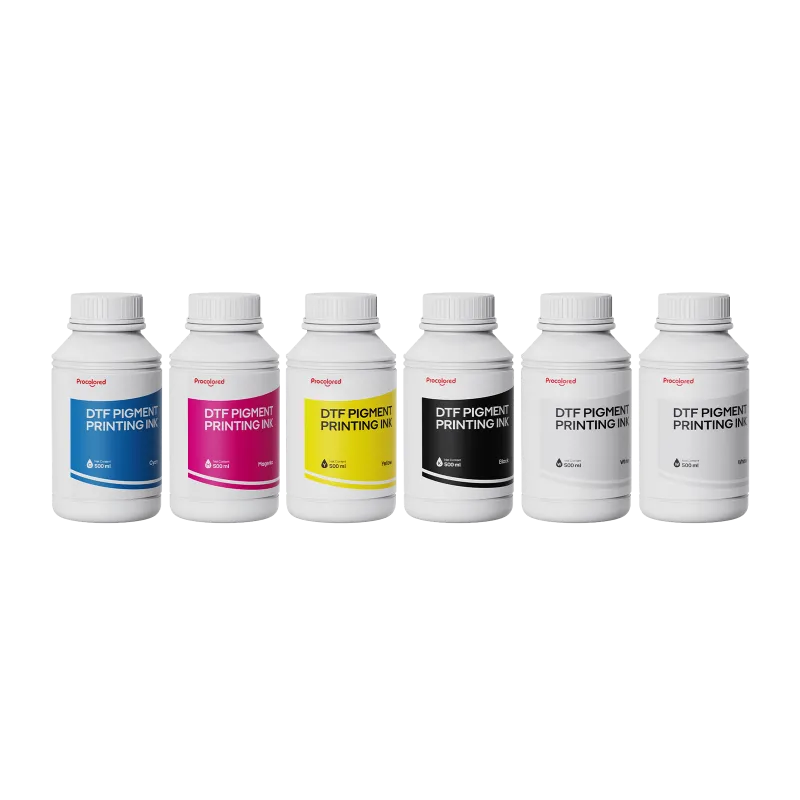
Beyond the printer investment, factor in consumable costs: DTF film, powder adhesive, and dtf ink refills. Average cost per A3 transfer runs $0.80 to $1.50 depending on ink coverage, compared to $1.20 to $2.00 per DTG print when you include pretreatment spray.

If you’re ordering directly from Procolored’s overseas warehouse, check dhl shipping cost or dhl fees before checkout, since international freight can add $150 to $400 depending on your location and the printer size. Some resellers include domestic shipping, which simplifies logistics for US-based shops.
The K13 Lite ships with starter supplies (enough film and powder for roughly 50 transfers), while entry-level models like the epson l1800 dtf printer conversion kits require you to source all consumables separately. Budget an additional $300 to $500 for your first month of production supplies regardless of which DTF model you choose.
Questions
Can the Procolored K13 Lite print on cotton and polyester equally well?
Yes, DTF transfers from the K13 Lite work on cotton, polyester, blends, and most woven fabrics because the powder adhesive bonds mechanically rather than absorbing into fibers. Wash durability remains consistent across fabric types.
Do I need a heat press to use a DTF printer?
Yes, DTF printing requires a separate heat press to transfer the cured film onto fabric. Budget for a 16x20 inch clamshell or swing-away press alongside the printer.
What's the main difference between UV DTF and regular DTF?
UV DTF uses UV-cured ink and laminate for hard surfaces like tumblers and signs, while regular DTF uses water-based ink with powder adhesive for fabric. The two technologies are not interchangeable.
How often does the K13 Lite print head need maintenance?
Daily white ink circulation and nozzle checks prevent clogging. Plan for 5 to 10 minutes of maintenance each morning before starting production, plus deeper cleanings every two weeks.
Is DTF faster than DTG for small batch orders?
DTF separates printing from pressing, so you can batch-print transfers in advance and press on-demand. This makes DTF faster for fulfillment even though individual print times are similar.
Can I use the same printer for both t-shirts and hard products?
No, you need separate machines. Standard DTF printers like the K13 Lite work for fabric, while UV DTF printers handle hard surfaces. The inks and adhesive systems are incompatible.
Products in this guide
 Shopping at Procolored? See the discount code
$100 OFF All Orders
Shopping at Procolored? See the discount code
$100 OFF All Orders
More in this series
What the DHL Shipping Fees on Procolored Orders Actually Cost, and How to Plan for Them10 Aug 20265 minDoes the Procolored TX300 V11 Pro UV DTF Hold Up Under Heavy Use?10 Aug 20264 minThe Procolored K13 Lite vs P13 vs L805 A4: Finding the Right DTF Printer for Your Print Volume10 Aug 20265 minProcolored DTF Ink Guide: Compatibility, Storage, and What to Avoid10 Aug 20265 minHow to Set Up the Procolored F8 Panda DTF Printer for Your First Print Run10 Aug 20265 min