 A ClevrPlus Carriers guide
Do Pet Trailers Last? Durability and Maintenance Tips for ClevrPlus Carriers
A pet trailer can last for years with proper care—here's how to maintain your ClevrPlus carrier so it stays reliable through countless adventures.
A pet trailer can last for years with proper care, but durability depends on materials, usage frequency, and maintenance habits. ClevrPlus Carriers builds their pet trailers, bike trailers, and dog carts to handle regular use, yet even the best construction requires upkeep.
How Long Does a Pet Trailer Really Last?
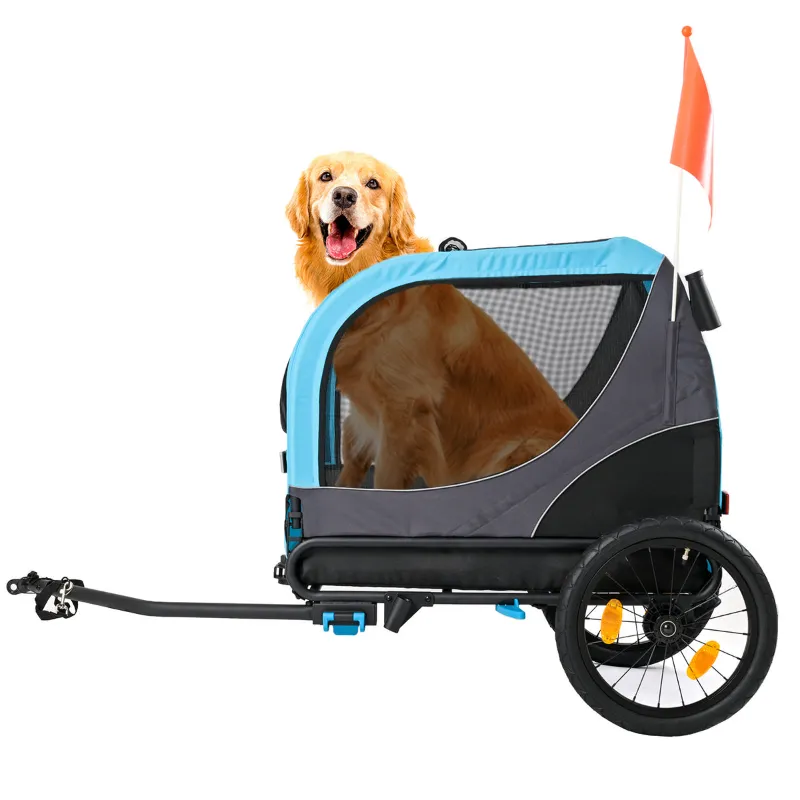
A well-made pet trailer typically lasts 5 to 10+ years of regular use. The lifespan hinges on frame quality, wheel durability, and fabric condition. ClevrPlus products are engineered with reinforced aluminum or steel frames and durable synthetic fabrics designed to resist UV damage and moisture. However, a pet trailer left unprotected outdoors year-round will age faster than one stored properly during off-season months. Wheels are often the first component to wear; replacing them costs far less than replacing the entire unit, so planning for wheel maintenance every 2 to 3 years is realistic for frequent users.
Materials That Make Pet Trailers Durable
The frame and covering materials determine whether your large dog bike trailer or dog cart for bikes withstands years of bumps, weather, and weight shifts.
- Aluminum frames: lightweight, rust-resistant, excellent for long-term durability. They don’t corrode like steel in wet climates but can dent if hit hard.
- Steel frames: heavier but more impact-resistant. Steel requires regular inspection for rust spots, especially in humid regions.
- Polyester and nylon fabrics: standard on most pet trailers, breathable, and UV-resistant when treated. Check for this treatment when shopping.
- Reinforced stitching: high-stress seams (where the frame meets fabric, around wheel mounts) should use double or triple stitching. Poor stitching fails first under load.
Quality construction in these areas means the difference between a pet trailer that supports a small dog trailer for bike setup or a large dog trailer for bike setup season after season.
Seasonal Care and Storage
Where and how you store your pet trailer dramatically affects its lifespan. Off-season storage is the single biggest factor in extending durability.
- Winter storage: keep the pet trailer indoors or in a shed, away from salt, snow, and freeze-thaw cycles. Salt corrodes metal and breaks down fabric.
- Summer storage: use a breathable cover to shield from UV rays and rain without trapping moisture that causes mold.
- Check wheels before storage: ensure they’re clean and free of debris. Mud and salt left on wheel bearings accelerate wear.
- Inspect seams and fabric before storing: spot-treat any small tears or loose threads to prevent them from spreading during months of disuse.
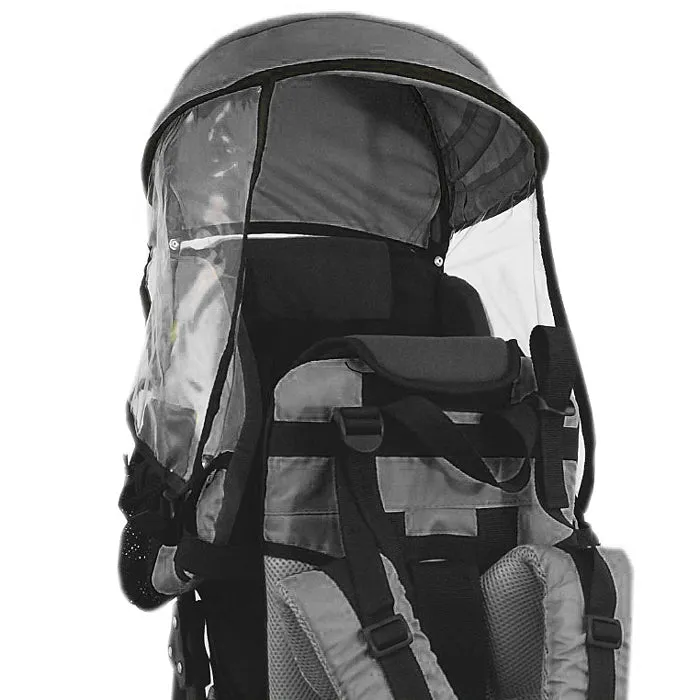
If you live in a harsh climate and plan to use your pet trailer year-round, budget for more frequent maintenance and consider a protective cover like a backpack canopy for transport.
Routine Maintenance: Wheels, Fasteners, and Fabric
Monthly and seasonal checks catch small problems before they become costly repairs.
| Component | Check Frequency | What to Look For |
|---|---|---|
| Wheels and axles | Every 1-2 months | Flat spots, wobbling, bearings dry or gritty |
| Fasteners (bolts, screws) | Every 2-3 months | Loose connections, rust on metal hardware |
| Seams and zippers | Before each season | Loose threads, separated stitching, stuck zippers |
| Frame joints | Quarterly | Cracks, stress marks, rust formation |
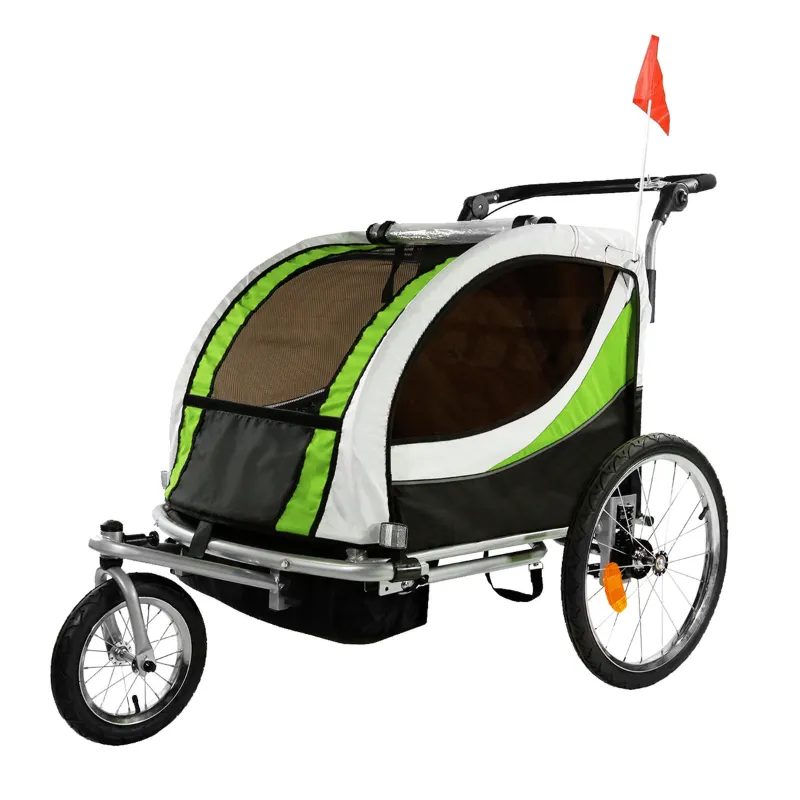
For wheels, spin them by hand and listen for grinding sounds. If you hear grinding, the bearings likely need cleaning or replacement. Fasteners often loosen from vibration during rides, so a quick pass with a wrench prevents parts from falling off. Wipe down metal hardware after wet rides to prevent rust from taking hold. Zippers on a pet trailer or bike trailer should glide smoothly; if stuck, apply a silicone-based zipper lubricant (avoid oil, which attracts dirt).
Cleaning Your Pet Trailer Properly
Proper cleaning extends the life of fabric and frame without causing damage. Dirt, salt, and pet hair trap moisture and accelerate wear.
- After each use: wipe down the frame with a dry cloth. Brush out loose hair and debris from the fabric interior.
- Weekly wash (for frequent users): use mild soap, warm water, and a soft brush on the exterior. Rinse thoroughly and allow to air-dry completely.
- Stain removal: treat pet accidents or mud stains within 24 hours using a fabric-safe cleaner. Dried-on stains are harder to remove and can weaken fabric fibers.
- Never use high-pressure washers: they force water into seams and joints, promoting rust and mold.
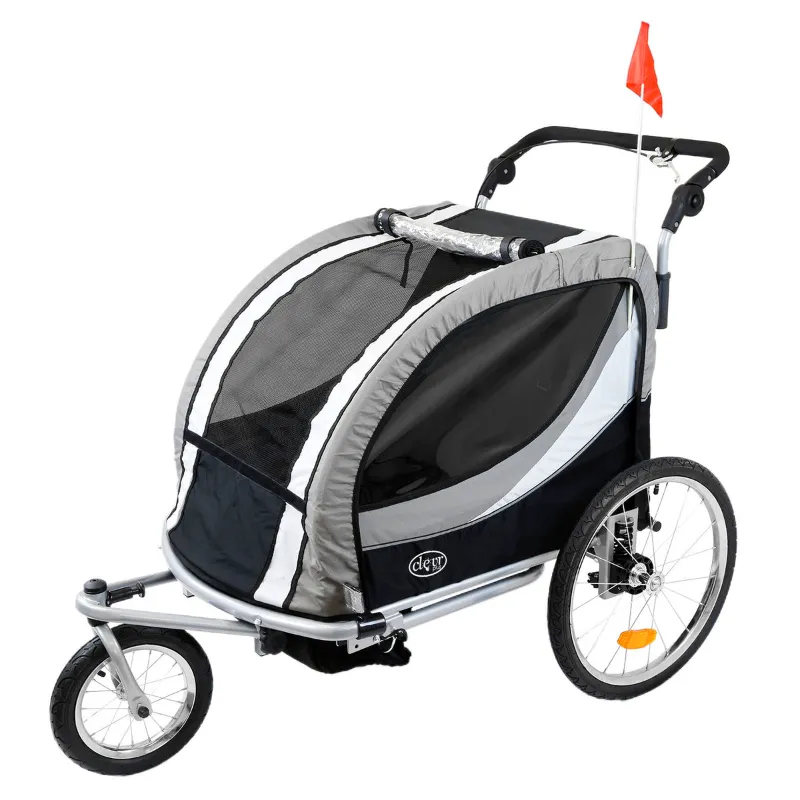
A child bike trailer used to haul kids and pets gets dirtier than single-use models, so prioritize cleaning if you’re mixing uses.
When to Replace Components vs. the Whole Trailer
Knowing what’s replaceable saves money and extends the useful life of your pet trailer investment.
Replace these parts separately: wheels and bearings, axles, fasteners, zipper pulls, fabric covers (if removable), and wheel locks. These typically cost 15 to 50 dollars each.
Consider full replacement if: the frame is cracked or severely bent, multiple seams are failing, corrosion has compromised structural integrity, or repairs cost more than 40 to 50 percent of a new trailer’s price. ClevrPlus Carriers offers replacement parts for many models, so check before assuming the whole unit is done.
Storage Solutions and Long-Term Protection
Even durable pet trailers need shelter. A bike with dog cart or dedicated large dog bike trailer stored outdoors deteriorates faster than one kept dry.
Invest in a breathable storage cover to block UV and rain while allowing air circulation. Store on a level surface indoors, or use wheel chocks outdoors to prevent rolling. Keep the pet trailer away from direct sunlight and extreme temperature swings. If you’re between seasons and need a discount on replacement parts or a new ClevrPlus model, grab the code for 5% off all orders.
Signs Your Pet Trailer Needs Attention
Act early when you notice these warning signs. Small fixes now prevent breakdowns on the trail.
- Visible cracks in the frame or joints
- Fabric tears, especially near seams or stress points
- Wheels that wobble or make grinding noise
- Rust or corrosion on metal components
- Zippers that stick or separate
- Fasteners that keep loosening no matter how tight you make them
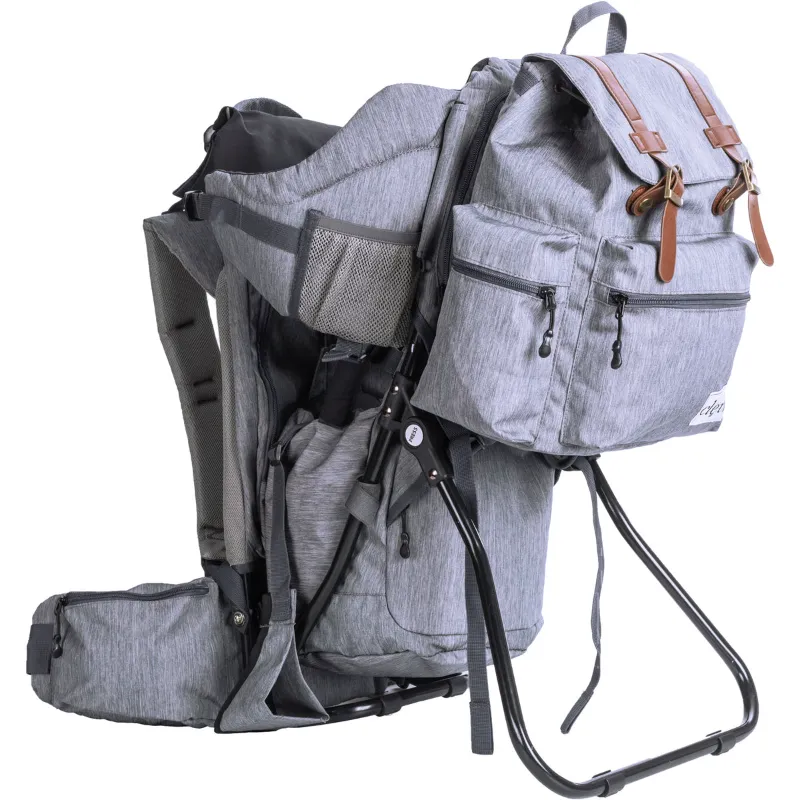
For comparison and research on what makes pet trailers durable, The Best Dog Bike Trailers, A Head-to-Head Comparison offers an in-depth group test. If you’re shopping for a new baby backpack carrier or hiking baby carrier alongside pet gear, know that fabric durability matters just as much for child carriers as it does for pet trailers.
Build Durability into Your Choice
When selecting a pet trailer, prioritize quality materials and construction. Test the frame for stiffness, check the stitching on seams, and verify that fasteners are tight. Ask the seller about replacement part availability; if they stock wheels, covers, and zippers, you can repair instead of replace. ClevrPlus Carriers designs products with serviceability in mind, which is why many last well beyond 5 years with proper maintenance. Whether you choose a dog cart for bikes, a pet trailer, or a full bike trailer setup, regular care and smart storage are your best insurance against premature wear. Check the latest price and explore your options with our discount code.
Questions
How often should I replace the wheels on my pet trailer?
Wheels typically last 2 to 3 years with regular use, depending on terrain and weight. If you notice wobbling, flat spots, or grinding sounds, replace them sooner. Wheel replacement is one of the cheapest maintenance tasks and extends the life of your entire pet trailer.
Can a pet trailer last 10 years?
Yes, a pet trailer can last 10+ years if built with quality materials and maintained properly. Regular cleaning, seasonal storage, fastener checks, and prompt repairs of small issues are key. Many ClevrPlus Carriers users report 7 to 10 years of reliable service with consistent upkeep.
What's the best way to store a pet trailer during winter?
Store your pet trailer indoors in a shed or garage, away from salt, snow, and freeze-thaw cycles. Use a breathable cover, keep it on a level surface, and inspect seams and fasteners before storing. Clean the wheels thoroughly to remove salt and moisture.
Why is the stitching on my pet trailer coming loose?
Loose stitching usually results from heavy loads, impact, or age. High-stress areas like frame joints and wheel mounts fail first. Hand-stitch or have a professional repair loose seams early; if left unchecked, the tear spreads and weakens the entire fabric.
Should I replace my pet trailer or repair it?
Replace individual parts (wheels, fasteners, covers) as they wear. Consider full replacement only if the frame is cracked, multiple seams are failing, or repairs exceed 40 to 50 percent of a new trailer's cost. ClevrPlus offers replacement parts for most models, making repairs affordable.
How do I prevent rust on my metal-frame pet trailer?
Wipe down metal hardware after wet rides, store indoors during off-season, and inspect fasteners quarterly for rust spots. If rust appears, scrub it with a wire brush and apply a light coat of oil or rust inhibitor. Regular storage indoors is the best prevention.
Products in this guide
Shopping at ClevrPlus Carriers? See the discount code
5% OFF All Orders
More in this series
How Backpack Canopy Covers Protect Your Baby From Sun1 Sep 20263 minWhy Your Dog Cart Keeps Tipping (and How to Prevent It)1 Sep 20265 minChild Bike Trailer vs. Regular Bike Trailer: Which One Fits Your Family1 Sep 20264 min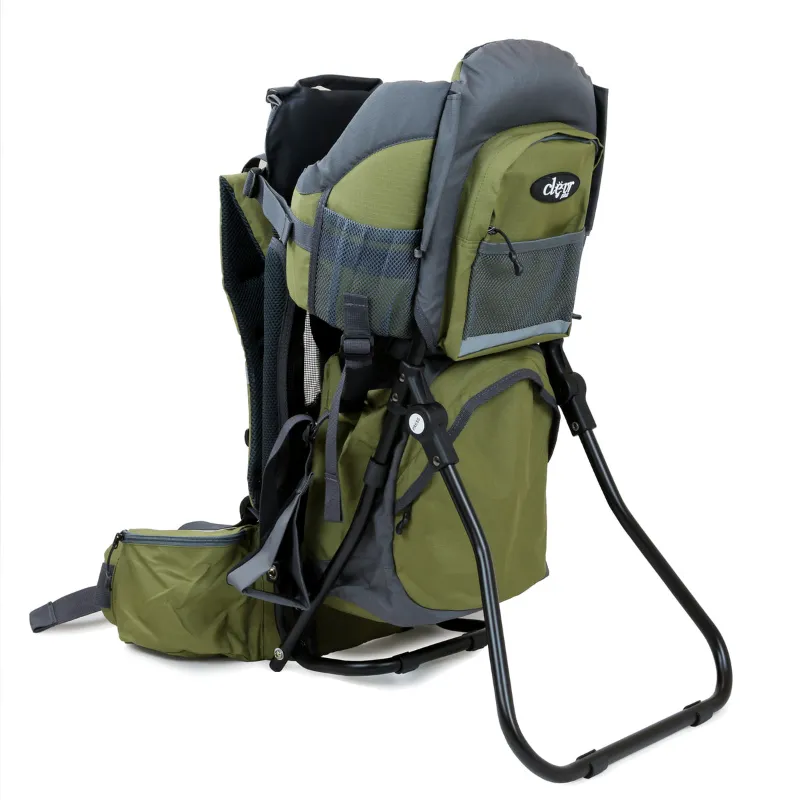 How to Choose Between a Baby Backpack Carrier and a Hiking Baby Carrier1 Sep 20264 minBest Bike Trailers for Dogs: What to Know Before You Buy1 Sep 20263 min