 A ClevrPlus Carriers guide
Child Bike Trailer vs. Regular Bike Trailer: Which One Fits Your Family
A child bike trailer is built specifically for young passengers, but standard trailers work for families too—here's how to pick the right one.
A child bike trailer is built specifically for young passengers, but standard trailers work for families too. The main differences come down to safety features, capacity, comfort, and price.
What Makes a Child Bike Trailer Different
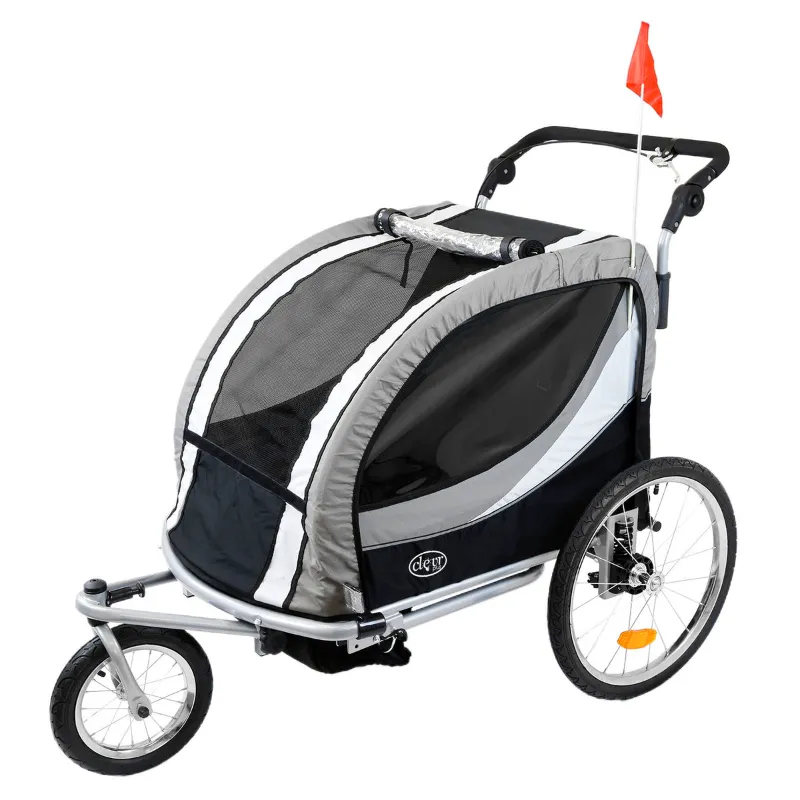
A child bike trailer is engineered for passengers ages 1 to 5, with secure harnesses, lower ride height, and compartments scaled to young bodies. Regular bike trailers, or cargo trailers, prioritize cargo volume over passenger comfort and often lack the safety features kids need.
Key differences:
- Child trailers have 5-point harnesses; cargo trailers typically have none
- Child models feature weather canopies and ventilation for comfort
- Cargo trailers offer much larger cargo space for hauling gear
- Child trailers sit lower and feel more stable for small riders
- Regular trailers often allow multiple passengers or mixed cargo and people
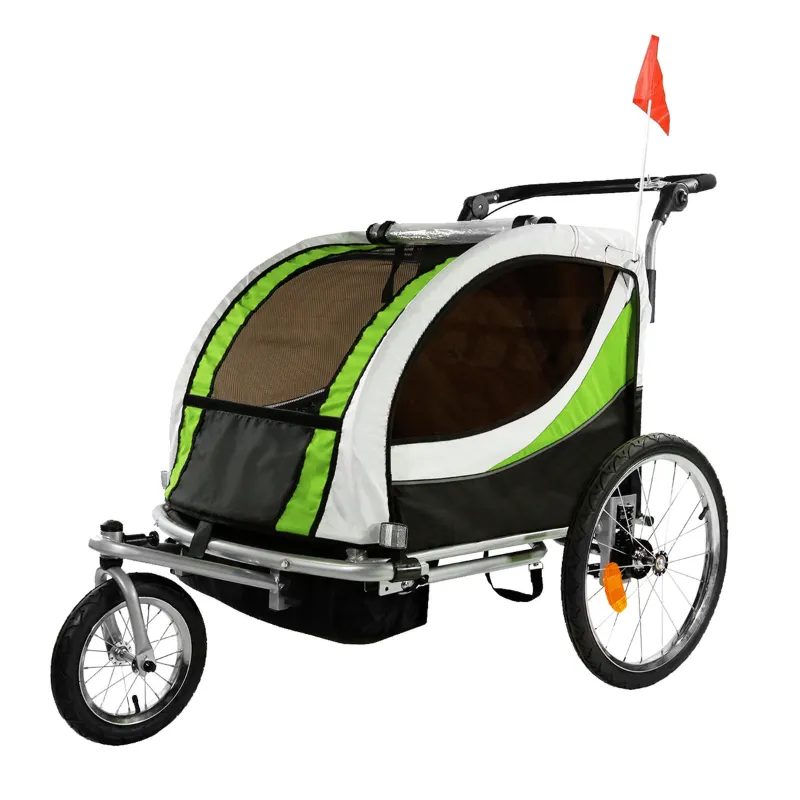
If your priority is safely transporting children, a bike trailer designed for kids is the smarter choice. If you need to haul gear, equipment, or pets alongside occasional child transport, a standard trailer gives you flexibility.
Safety Features That Matter for Kids
When you’re towing your child behind your bike, safety is non-negotiable. Child-specific trailers come with reflectors, safety flags, and wheel guards as standard. The child bike trailer models from ClevrPlus include:
- Reinforced frames to absorb impact
- Enclosed canopies that protect from sun and weather
- Secure attachment points rated for weight limits
- Bright colors and reflective trim for visibility
- Fully enclosed wheels to prevent pinching
Regular cargo trailers often lack these features. Many have open frames, no weather protection, and minimal reflective elements. If you’re commuting or riding in traffic, a child-focused design significantly reduces risk. Check that any trailer you choose meets CPSC standards for child safety restraints.
Size, Weight Capacity, and Who Fits
Child bike trailers accommodate most kids from 9 months to about 45 pounds, though weight and age limits vary by model. A child bike trailer from ClevrPlus typically holds one child comfortably, with some models fitting two smaller kids.
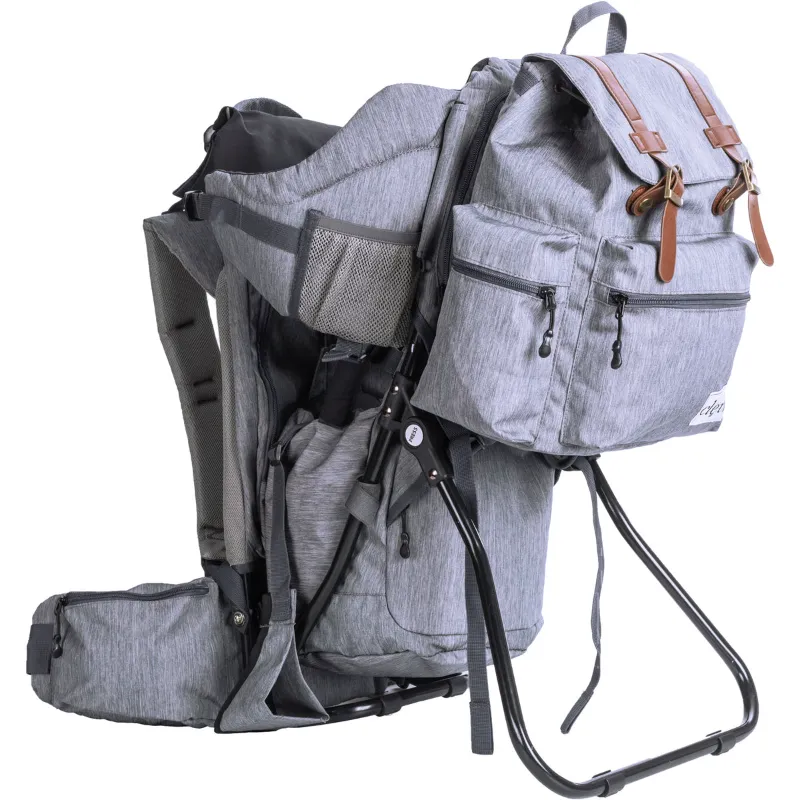
Cargo trailers hold 50 to over 100 pounds but don’t account for passenger safety or comfort. If you have multiple children, you’ll need either a dual-seat child bike trailer or a baby backpack carrier paired with a cargo trailer.
Size also affects ride quality. Smaller child trailers track better behind bikes and feel more responsive. Larger cargo trailers can feel sluggish or create handling issues, especially on curvy routes. If your child is already tall or you plan to use the trailer for 5+ years, measure your bike’s geometry to ensure compatibility.
Weather Protection and Comfort Features
Kids spend time outdoors in all seasons, so weather protection matters. A child bike trailer comes with a canopy by design. Many also include:
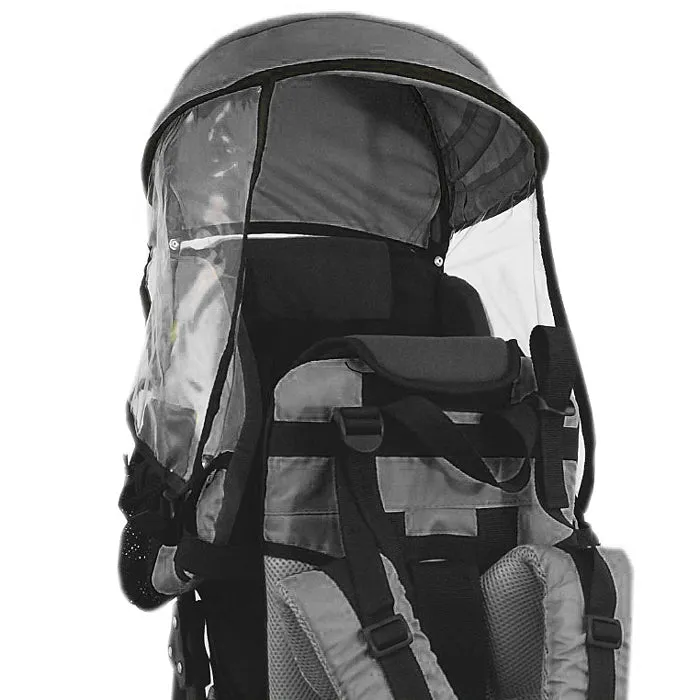
- Windows for visibility and light
- Ventilation to prevent overheating
- Water-resistant fabric
- A backpack canopy or rain cover option for extra protection
Cargo trailers rarely include these. If you want to protect cargo, you’ll buy a separate cover, adding to cost and bulk. For children, weather protection is built in because kids can’t regulate their comfort the way cargo can, they get cold, overheated, or bothered by sun and wind.
Consider your climate. In hot areas, ventilation and a light-colored canopy matter. In rainy regions, a waterproof cover is essential. Some trailers include sunshades; others let you add them separately.
Hauling Pets, Gear, or Combining Approaches
Not everyone has just one use case. Families with dogs, camping gear, and kids need flexible options. ClevrPlus Carriers offers specialized trailers for different needs:
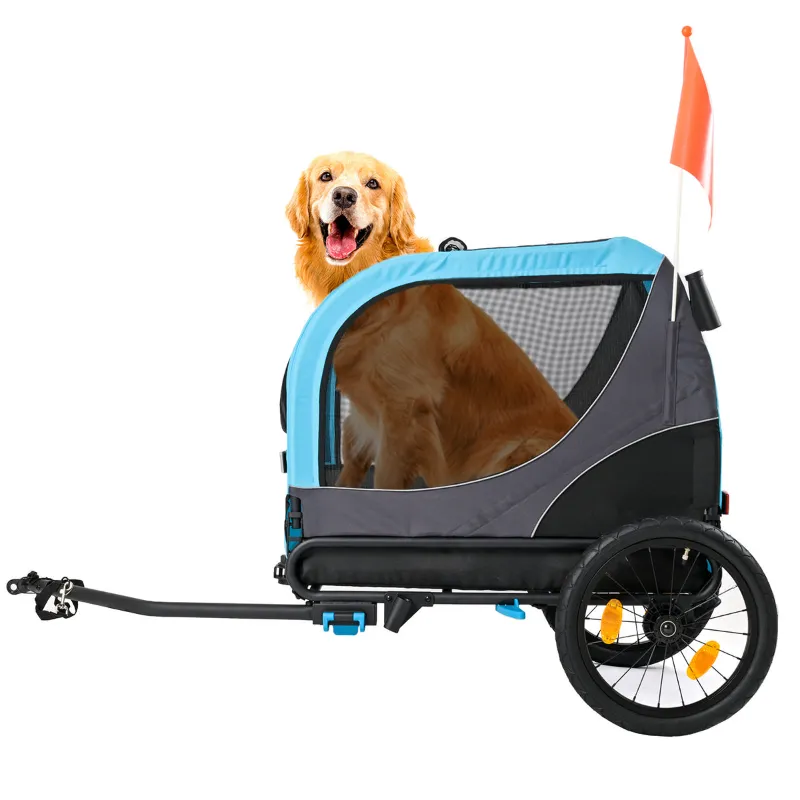
- A large dog bike trailer or pet trailer lets you bring your dog on rides
- A bike with dog cart or dog cart for bikes converts your bike into a pet hauler
- A baby backpack carrier or hiking baby carrier works for short trips without a trailer
- A standard cargo bike trailer handles gear for multi-day trips
Many families use both: a child trailer for weekend family rides and a cargo trailer for gear-heavy adventures. A hiking baby carrier is ideal for trails where bikes don’t go. If you have pets and kids, separate trailers for each keeps everyone safe and comfortable.
Price and Long-Term Value
Child-specific trailers typically cost $200 to $500. Cargo trailers range from $150 to $800 depending on capacity and materials. A child trailer is a specialized product; you’re paying for safety, comfort, and durability features you won’t find on a basic cargo model.
Consider value over years. If you have two young children or plan another child in the next few years, a child bike trailer pays for itself through safe, comfortable family rides. If you bike mostly alone and occasionally haul cargo, a cargo trailer is cheaper upfront.
ClevrPlus Carriers runs promotions on all their carriers, so grab the 5% discount when you’re ready to buy. Trailers also hold value if resold, child models often outlast the years you’ll use them.
Which One Should You Choose
Pick a child bike trailer if you’re transporting young kids regularly and want purpose-built safety and comfort. Pick a cargo trailer if you haul gear more than passengers. Many families choose both.
Your bike type matters too. Full-suspension mountain bikes work with most trailers, but flat-bar commuter bikes and road bikes have different attachment points. Heavier trailers pull harder on smaller bikes, so match payload capacity to your setup.
Before buying, check that your child fits the age and weight range, that the attachment hardware works with your bike frame, and that you have space to store it. Read reviews from other parents to learn how real families use the models you’re considering. Resources like Best Bike Trailer for Kids & Trailer Strollers: Tested and The Best Bike Trailer for Kids | Tested & Ranked offer tested comparisons that help narrow your choice.
Questions
What's the age range for using a child bike trailer?
Most child bike trailers are safe for kids ages 9 months to 5 years, though weight limits vary by model. Always check the manufacturer's specs for your specific trailer.
Can I use a regular cargo trailer to transport my child?
Regular cargo trailers lack the safety harnesses, weather protection, and comfort features kids need. A dedicated child bike trailer is designed for this job and is safer for your child.
Do I need a special bike to pull a child bike trailer?
Most trailers attach to standard mountain or commuter bikes, but you need a compatible hitch point on your seat post or frame. Lighter trailers require less effort, so heavier riders or smaller bikes may feel the difference.
Can I fit multiple children in one child bike trailer?
Some dual-seat child bike trailers fit two smaller kids, but most single-seat models are designed for one child. Check the weight and size limits before assuming your second child will fit.
What should I look for in weather protection on a child bike trailer?
Look for a waterproof canopy with ventilation, windows for light and visibility, and UV protection to keep your child comfortable in sun and rain. Some trailers offer removable or adjustable canopies.
How do I choose between a child bike trailer and a baby backpack carrier?
A baby backpack carrier is lightweight and works on any bike or foot trail, but a child bike trailer offers more comfort and storage for longer trips. Use a carrier for short outings and a trailer for regular family rides.
Products in this guide
Shopping at ClevrPlus Carriers? See the discount code
5% OFF All Orders
More in this series
How Backpack Canopy Covers Protect Your Baby From Sun1 Sep 20263 minWhy Your Dog Cart Keeps Tipping (and How to Prevent It)1 Sep 20265 minDo Pet Trailers Last? Durability and Maintenance Tips for ClevrPlus Carriers1 Sep 20265 min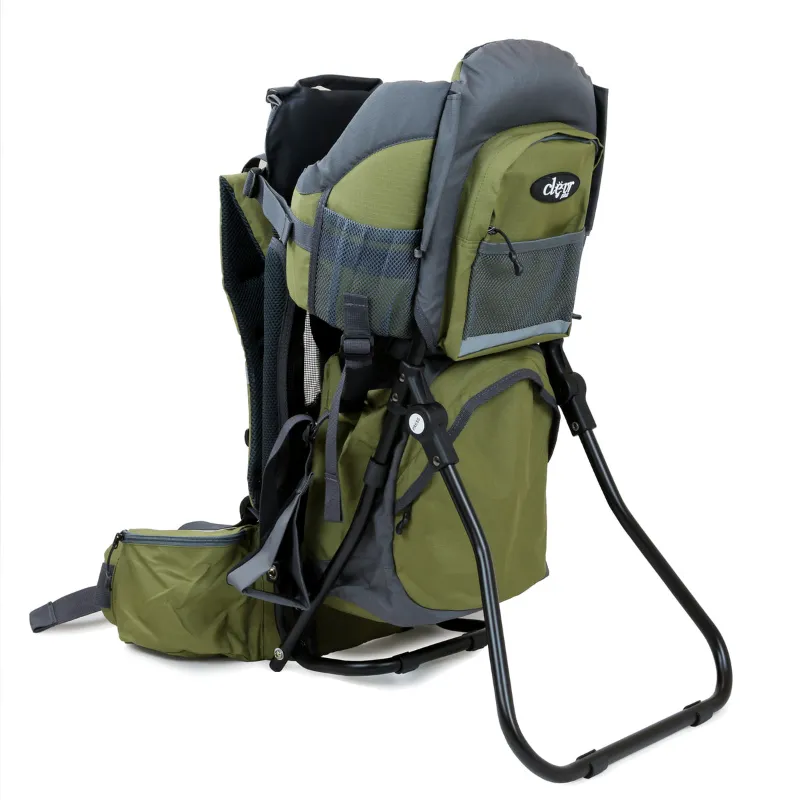 How to Choose Between a Baby Backpack Carrier and a Hiking Baby Carrier1 Sep 20264 minBest Bike Trailers for Dogs: What to Know Before You Buy1 Sep 20263 min