 A ClevrPlus Carriers guide
How to Choose Between a Baby Backpack Carrier and a Hiking Baby Carrier
A baby backpack carrier handles casual outings and urban walking, while a hiking baby carrier is built for rugged terrain and extended outdoor adventures.
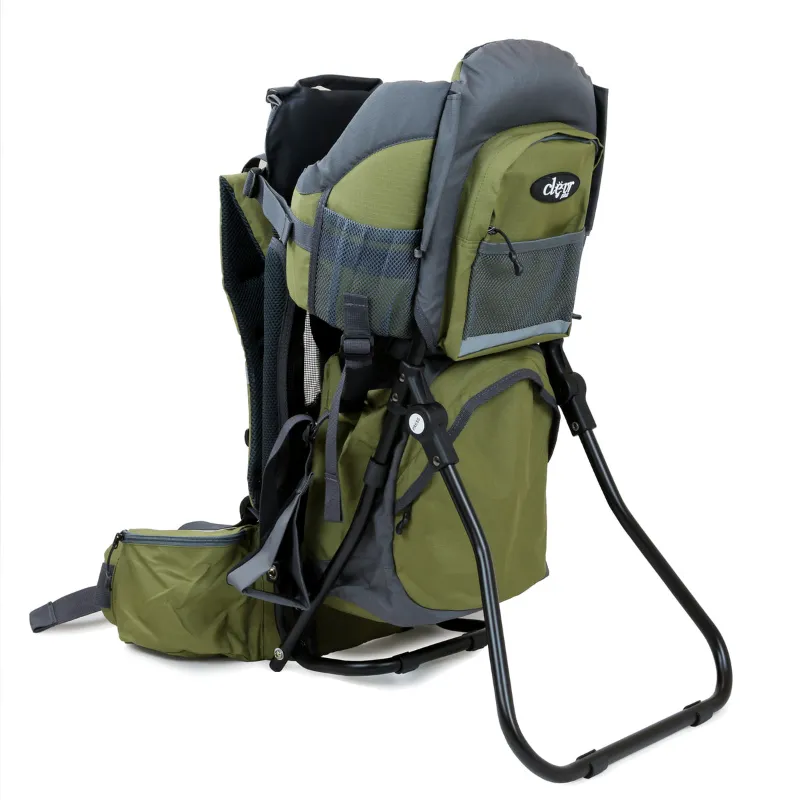
A baby backpack carrier handles casual outings and urban walking, while a hiking baby carrier is built for rugged terrain and extended outdoor adventures. Choosing between them depends on how and where you plan to carry your child. We’ll walk you through the real differences so you can pick the carrier that matches your lifestyle.
What’s the Difference Between a Baby Backpack Carrier and a Hiking Baby Carrier?
The core difference comes down to design intent. A baby backpack carrier prioritizes comfort for shorter trips around town, errands, and light outdoor use. Most are lightweight, compact, and easy to stow when you’re not using them. They work well for parents who want hands-free carrying without the bulk.
A hiking baby carrier is engineered for serious outdoor use. These carriers feature reinforced frames, padded hip belts that distribute weight to your hips (not just your shoulders), and ventilated backs. They’re heavier and bulkier by design because they’re meant to handle miles of uneven terrain, longer carry times, and the physical demands of hiking with a child on your back.
The choice isn’t about which is “better”, it’s about matching the carrier to your actual use case.
Duration and Distance Matter
How long and how far you’ll carry your child is the biggest deciding factor. A baby backpack carrier excels for 30 minutes to an hour of casual walking. It’s perfect for grocery shopping, strolling through parks, or navigating a busy street festival.
A hiking baby carrier shines when you’re planning 2+ hours of walking or actual trail use. The padded hip belt transfers weight away from your shoulders, which prevents fatigue and back strain on longer outings. If you regularly hike or plan backcountry trips, a hiking model is worth the investment. For occasional neighborhood walks, a baby backpack carrier does the job just fine.
Support, Comfort, and Materials
Baby backpack carriers are typically made from lightweight nylon or canvas. They have basic shoulder straps and minimal back support. They’re comfortable for short durations because they’re not fighting gravity over many hours.
Hiking baby carriers use durable, breathable materials like ripstop nylon or mesh panels. They include structured frames, contoured shoulder straps with padding, and adjustable hip belts. Many feature ventilated back panels to reduce heat buildup during active use. The material choices and construction reflect the fact that you’ll be wearing them in variable weather and terrain.
If you’re torn between options and plan mixed use (some short urban trips and some weekend hikes), look for a baby backpack carrier with decent shoulder padding and a supportive back. You can always start there and upgrade to a dedicated hiking model later.
Sizing and Adjustability
Both types need to fit your body properly, but hiking carriers take this more seriously. A hiking baby carrier should have an adjustable torso length so the pack sits correctly on your frame. The hip belt should sit on your hip bones, not your ribs. Poor fit leads to discomfort and poor weight distribution, which defeats the purpose of the carrier.
Baby backpack carriers are more one-size-fits-most. They work across a wider range of body types, which is convenient but means less personalized support. This is fine if you’re using it for short outings. If you or your partner plan to share a hiking carrier and you have very different body types, adjustability matters more.
Both should accommodate your growing child. Check the weight and age ranges for each model to ensure it grows with your little one.
Weather Protection and Features
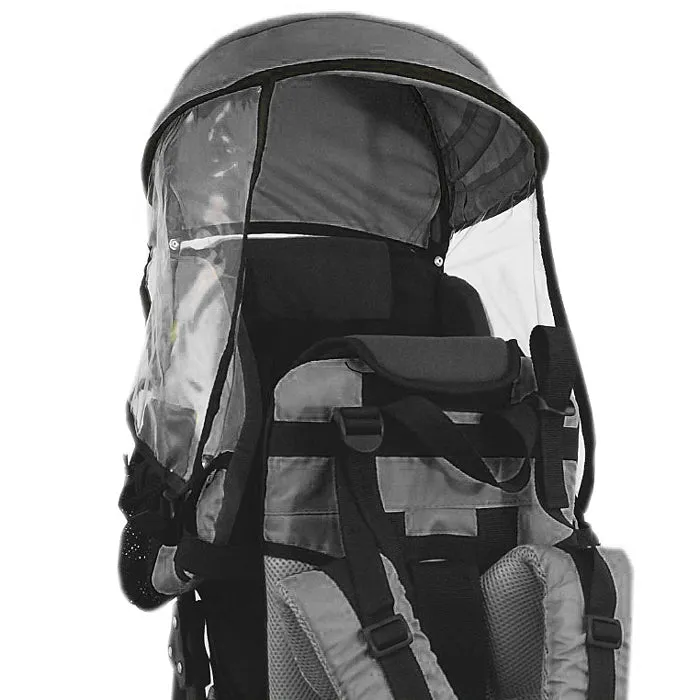
A baby backpack carrier keeps your hands free, but your child is exposed to sun, wind, and rain. Some models include a small sun shade, but coverage is limited. You’ll want to dress your child appropriately for the weather or add external sun protection like a backpack canopy.
Hiking baby carriers often come with rain covers or weather-resistant fabrics. Many have extended hoods or canopy options built in. Some include storage pockets, attachment points for gear, and hydration system compatibility. These features matter when you’re out for hours and need to carry extra layers, snacks, or a water bottle.
Who Should Choose Each
Choose a baby backpack carrier if:
- You’re carrying your child for under an hour at a time
- You walk mostly on flat, paved surfaces
- You value lightweight design and easy storage
- You’re on a tight budget
- You need something quick and convenient for errands
Choose a hiking baby carrier if:
- You hike regularly or plan backcountry trips
- You carry your child for 2+ hours at a stretch
- You walk on uneven terrain or steep trails
- You have back or shoulder issues and need proper weight distribution
- You plan to use the carrier for years across multiple children
If you’re new to babywearing on outdoor adventures, check out raised hiking resources on kid carriers and gear reviews to see real-world feedback from experienced parents.
Finding the Right Fit at ClevrPlus
ClevrPlus Carriers offers both baby backpack carriers and hiking baby carriers so you can compare in detail. Grab the code for 5% off all orders when you’re ready to purchase. If you’re still uncertain, start with a baby backpack carrier for shorter trips. Many parents find they eventually add a dedicated hiking baby carrier once they discover how much they enjoy longer outdoor time with their child.
The best carrier is the one that gets you and your baby outside comfortably.
Questions
Can I use a baby backpack carrier for hiking?
For short, easy trails under an hour, yes. For longer hikes or rugged terrain, a dedicated hiking baby carrier is safer and more comfortable because it distributes weight to your hips and has a reinforced frame designed for uneven ground.
What's the weight limit on a baby backpack carrier?
Weight limits vary by model, typically ranging from 30 to 50 pounds depending on the carrier's construction. Always check the manufacturer's specifications for your specific baby backpack carrier.
Do I need a backpack canopy for sun protection?
A backpack canopy isn't required, but it's useful if your carrier doesn't have built-in sun coverage. Many hiking baby carriers include one, while basic baby backpack carriers often don't.
Which baby backpack carrier is best for everyday use?
The best carrier depends on your specific needs and body type. Visit [ClevrPlus](/clevrplus-carriers-discount-code/) to compare their options with current pricing and customer reviews before deciding.
Can both parents use the same baby backpack carrier?
If you have similar body types, yes. If you're very different sizes, look for a carrier with adjustable torso length and shoulder straps, or consider having two carriers.
How do I clean and maintain a baby backpack carrier?
Most carriers can be spot-cleaned with mild soap and water. Check your carrier's care instructions before washing, as some materials require special handling to preserve water resistance and durability.
Products in this guide
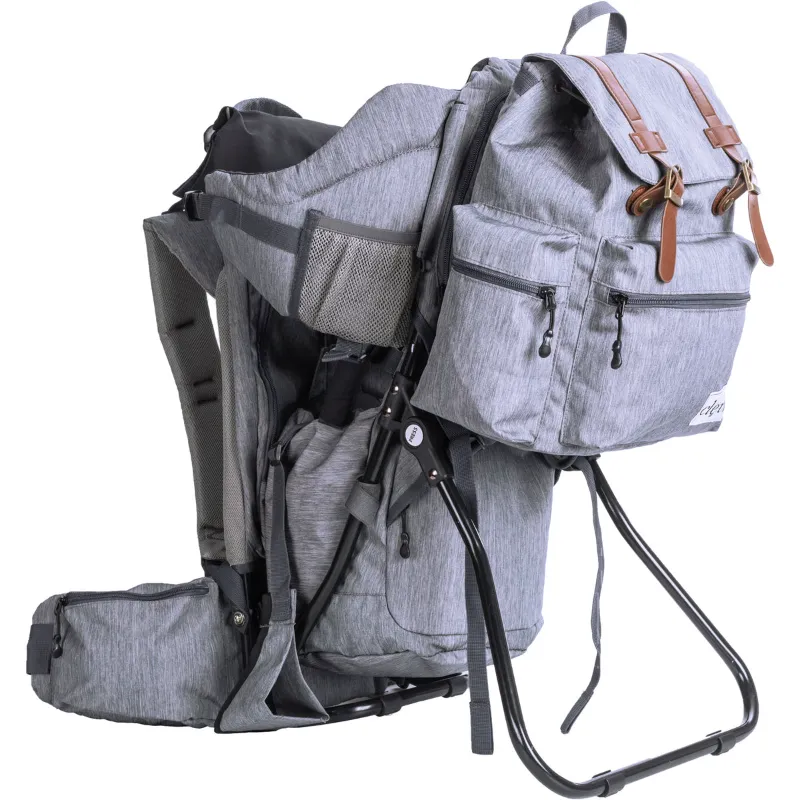 Shopping at ClevrPlus Carriers? See the discount code
5% OFF All Orders
Shopping at ClevrPlus Carriers? See the discount code
5% OFF All Orders
More in this series
How Backpack Canopy Covers Protect Your Baby From Sun1 Sep 20263 min Why Your Dog Cart Keeps Tipping (and How to Prevent It)1 Sep 20265 min
 Child Bike Trailer vs. Regular Bike Trailer: Which One Fits Your Family1 Sep 20264 minDo Pet Trailers Last? Durability and Maintenance Tips for ClevrPlus Carriers1 Sep 20265 min
 Best Bike Trailers for Dogs: What to Know Before You Buy1 Sep 20263 min