 A ClevrPlus Carriers guide
Why Your Dog Cart Keeps Tipping (and How to Prevent It)
A bike with dog cart tips because of uneven weight, poor hitch setup, or terrain—here's how to fix it and ride stable every time.
A bike with dog cart tips because of uneven weight, poor hitch setup, or terrain, here’s how to fix it and ride stable every time.
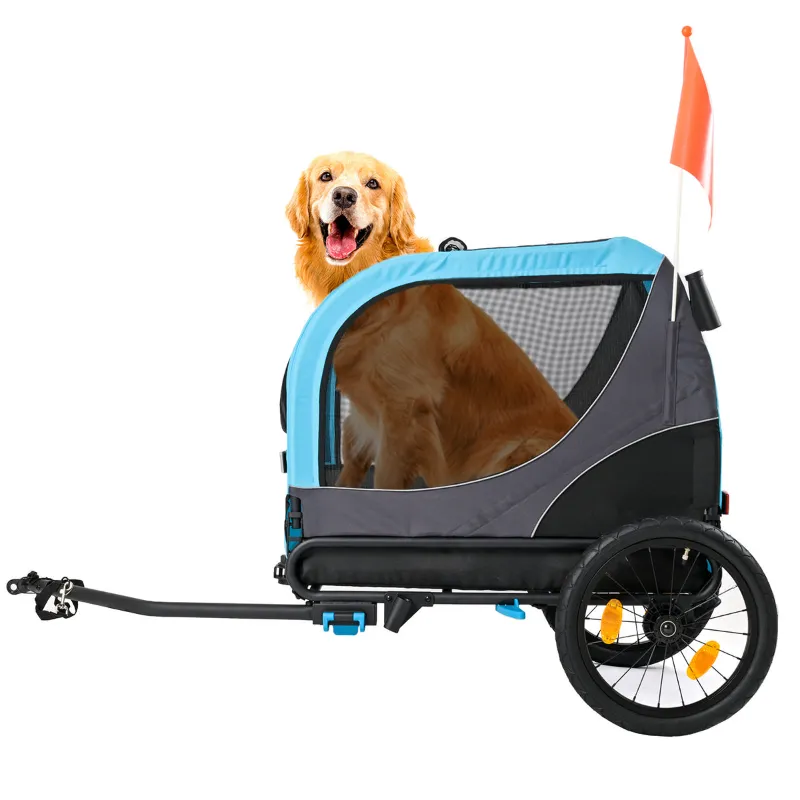
Tipping happens to many dog cart owners, but it’s preventable. Whether you’re using a large dog bike trailer, a dog cart for bikes, or any pet trailer, understanding the root causes and how to correct them keeps both you and your dog safe and comfortable on every ride.
Check Your Hitch Setup and Bike-to-Cart Connection
The hitch is where most tipping problems start. A loose or angled connection throws off your entire weight balance, especially when cornering or braking.
- Inspect the hitch pin or bolt weekly. Tightness matters more than you’d think.
- Make sure the hitch sits level with your bike frame. Even a slight upward or downward angle can cause tipping on turns.
- If your hitch is adjustable, test different positions to find the sweetest spot for your bike’s geometry.
- Check that the cart’s kingpin or pivot point moves freely but has no play. Excessive wobble invites tipping.
Many bike with dog cart owners find that re-torquing the hitch connection every few weeks solves mysterious tipping they thought was a design flaw. It rarely is, it’s just vibration loosening hardware.
Distribute Weight Evenly Left to Right
Your dog’s position inside the cart matters. Dogs naturally shift their weight, and that shift directly translates to instability if the load is unbalanced.
- Keep your dog centered in the cart. If it tends to lean toward one side, it’s training you to steer around the problem instead of solving it.
- On a pet trailer designed for multiple pets, spread them evenly. A cart that leans hard left or right will tip on any turn sharper than shallow.
- Check if your dog is favoring one side because of discomfort, pain, or a broken spring. A lopsided load often signals something else is wrong.
- Taller carts tip more easily than lower ones when weight shifts sideways, so keep the load as centered as possible.
Many owners of a large dog bike trailer or heavier dog cart for bikes notice tipping disappears once they train their dog to sit or lie still instead of standing and shifting its weight during the ride.
Lower the Cart’s Center of Gravity
The higher your cargo sits, the easier it tips. Physics doesn’t negotiate on this one.
- Use a pet trailer or cart with a lower profile if tipping is your ongoing issue. Wider, lower carts are inherently more stable than tall, narrow ones.
- Avoid stacking cargo on top of or above the cart’s frame. Keep everything inside and at or below the rim.
- If your dog’s weight is carrying it higher in the cart, add padding or a liner at the bottom to keep it lower without discomfort.
- Check your wheels and suspension. A cart that sits lower overall will resist tipping far better than one riding high on worn or weak suspension.
Lower carts also perform better on large dog trailer for bike setups where weight can exceed 50 pounds, reducing rollover risk in turns and on uneven terrain.
Watch Your Terrain and Riding Technique
Tipping isn’t just about the cart, it’s about how and where you ride.
- Avoid sharp turns at speed. Slow down before corners, especially with a loaded bike with dog cart.
- Stay away from steep cambers (sideways slopes). A road that slopes downward to one side creates instant imbalance.
- Gravel, sand, and loose surfaces catch wheels and cause tipping more than pavement. Stick to firmer ground if stability is already a concern.
- Brake gently. Hard braking pitches weight forward and can flip the cart if your dog lurches backward.
Many riders report that their dog cart for bikes became stable simply by choosing smoother routes and taking turns more gradually. If you’re riding on rough terrain or at speed, even a well-balanced setup will struggle.
Choose a Stability-First Design
If you’re shopping for a new cart, design matters. Not all trailers are built the same.
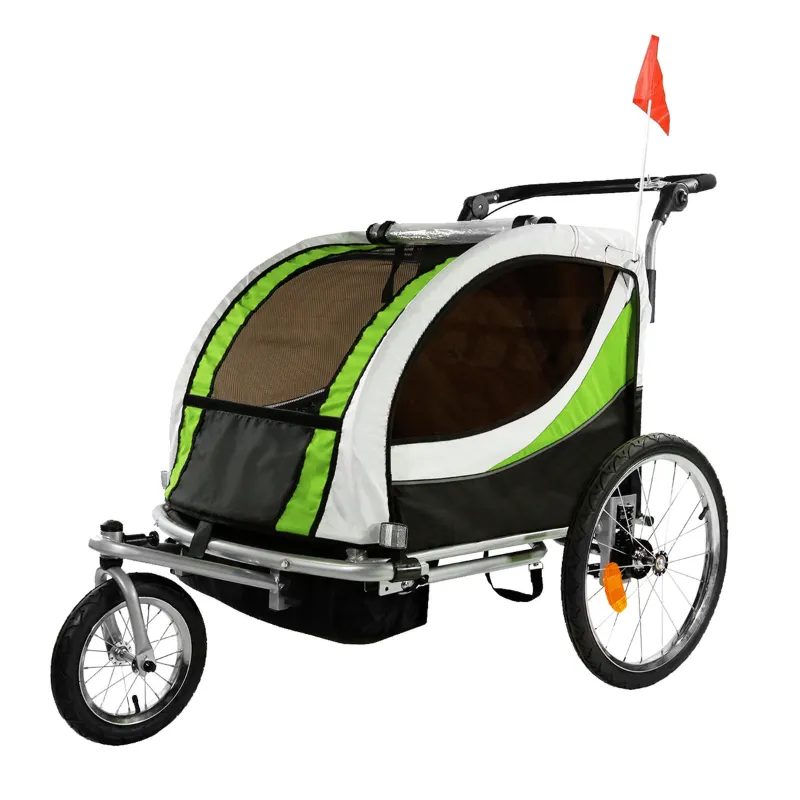
A large dog bike trailer with a wide wheelbase, low center of gravity, and dual-wheel setup (rather than a single wheel) will resist tipping far better than a skinny trailer. Look for carts with independent suspension on each wheel, which keep the load level even when one side hits a bump.
Compare options before buying. The Best Dog Bike Trailers, A Head-to-Head Comparison breaks down stability ratings and real-world tipping risks across brands. You’ll also find useful insights at Dog’s Corner, where riders share handling notes.
If you’re planning to haul a dog over 100 pounds or ride on uneven ground, invest in a two-wheeled pet trailer rather than a single-wheeled cart. The cost difference pays back in safety and confidence.
Weight Limits and Load Capacity
Exceeding the cart’s rated capacity is a direct path to tipping. A dog bike trailer rated for 100 pounds doesn’t mean it rides stable at 100, it means that’s the structural limit.
- Check your manufacturer’s spec sheet. If it says the cart handles 100 pounds, load it to 80 or 90 for margin.
- Remember that your dog’s accessories (harnesses, blankets, food, water, toys) add weight.
- A pet trailer that feels stable at rated weight often becomes sketchy when combined with a full backpack on your bike or a cargo load up front.
- If you’re riding an electric bike, the extra weight of the battery and motor changes dynamics. Test your setup before trusting it fully.
Lighter loads are more forgiving. If tipping is chronic, drop 10 to 15 pounds of cargo and see if the problem vanishes.
When to Upgrade or Get Help
If you’ve checked hitch torque, balanced the load, chosen smooth terrain, and slowed your pace but still tip regularly, your cart may be undersized or damaged.
- Inspect the frame for cracks or bends. Impact damage reduces rigidity and increases tipping risk.
- Test with a different bike if possible. Some bikes have geometry that works poorly with certain cart designs.
- Talk to your cart’s manufacturer. Many offer stability upgrades or can recommend ballast placement for your specific model.
Ready to solve this? Grab the code for 5% off ClevrPlus Carriers, including their range of pet trailers and dog carts for bikes built with stability in mind. Check the latest price and current options before you ride.
Tipping isn’t inevitable. It’s a message from your bike-cart system that something needs adjustment. Fix it, and your rides become safer, smoother, and way more enjoyable for your dog.
Questions
Why does my bike with dog cart tip on every turn?
Tipping usually comes from a loose hitch connection, unbalanced weight from your dog shifting side to side, or turning too fast. Start by tightening your hitch hardware and keeping your dog centered in the cart. Slow down on corners and test the connection weekly.
Can I use a bike with dog cart if my dog weighs over 100 lbs?
Yes, but choose a large dog bike trailer rated for your dog's weight and load it to 80-90% of capacity for safe margin. Two-wheeled trailers are more stable than single-wheel carts when hauling heavier dogs, especially on uneven terrain.
Does terrain affect how much my dog cart tips?
Absolutely. Loose gravel, sand, steep cambers, and rough ground all increase tipping risk. Stick to smooth, flat pavement whenever possible, and avoid sharp turns or high speeds on uncertain surfaces.
How do I fix a pet trailer that leans to one side?
Check that your dog is centered and not favoring one side due to discomfort. Then inspect the hitch angle (it should sit level) and confirm both wheels are properly inflated and aligned. Worn or uneven suspension also causes lean.
Is a single-wheel or two-wheel dog cart for bikes more stable?
Two-wheeled carts are significantly more stable, especially for larger dogs or heavier loads. Single-wheel trailers are lighter and more maneuverable but tip more easily if weight shifts or terrain is uneven.
What's the best way to balance weight in a dog bike trailer?
Keep your dog centered left to right and as low as possible in the cart. Avoid stacking cargo above the rim, and distribute any extra gear evenly. Lower loads resist tipping far better than loads sitting high.
Products in this guide
Shopping at ClevrPlus Carriers? See the discount code
5% OFF All Orders
More in this series
 How Backpack Canopy Covers Protect Your Baby From Sun1 Sep 20263 min
 Child Bike Trailer vs. Regular Bike Trailer: Which One Fits Your Family1 Sep 20264 minDo Pet Trailers Last? Durability and Maintenance Tips for ClevrPlus Carriers1 Sep 20265 min
 How to Choose Between a Baby Backpack Carrier and a Hiking Baby Carrier1 Sep 20264 min
 Best Bike Trailers for Dogs: What to Know Before You Buy1 Sep 20263 min