 A Pediped guide
Pediped vs. Other Kids Shoe Brands: What Parents Should Know
We compared the drd kids turbo sneaker against the big kids' shoe brands so you know which pair actually earns its keep.
The drd kids turbo sneaker stands apart from mainstream kids shoe brands because it is built around foot function first, not just style. Where big-box brands design for the shelf, DrD designs for how a toddler actually moves, and that shows up in the sole, the last, and the materials. Here is how it compares against the other names parents usually reach for.
Why foot shape changes which shoe wins
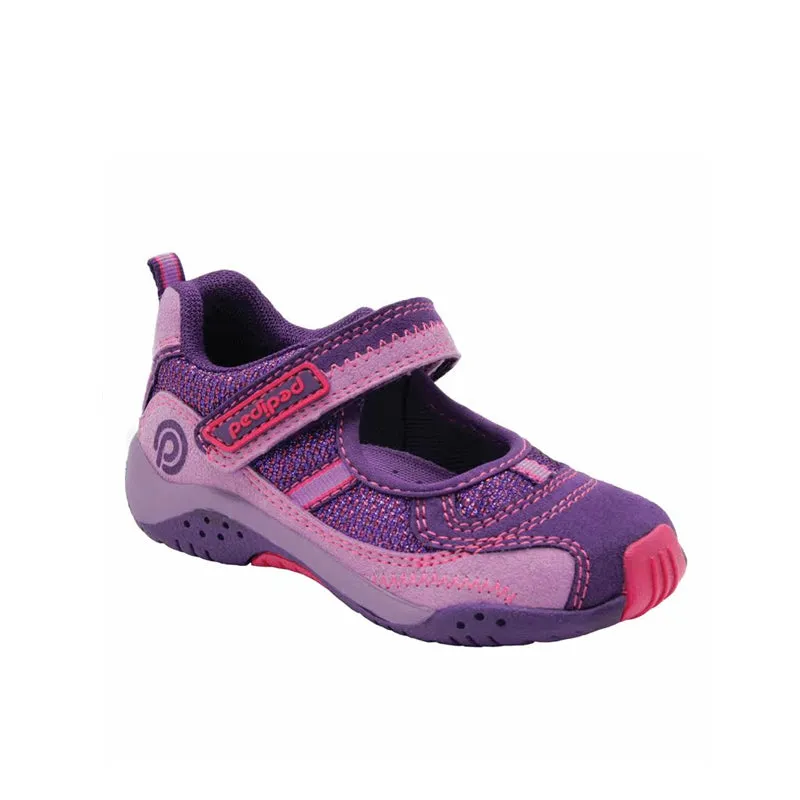
Toddler feet are flat, wide at the toes, and soft through the arch, and that is normal until around age 5. Most mass-market brands cut to a narrow, generic last, which can squeeze the forefoot even when the length looks right. DrD’s shoes, including the drd kids turbo sneaker, follow the AAP guidance on healthy shoe basics: a flexible sole, a wide toe box, and nothing that forces a foot into an adult shape.
Toddler shoes compared: construction and feel
Here’s how these picks compare on three fronts: flex, width, and wear.
| Feature | drd kids turbo sneaker | Typical mall brand | Typical budget brand |
|---|---|---|---|
| Sole flex | Full forefoot bend | Partial bend | Stiff for months |
| Toe box | Wide, rounded | Narrow or tapered | Inconsistent sizing |
| Upper material | Breathable, supple | Stiff synthetics | Foam-heavy |
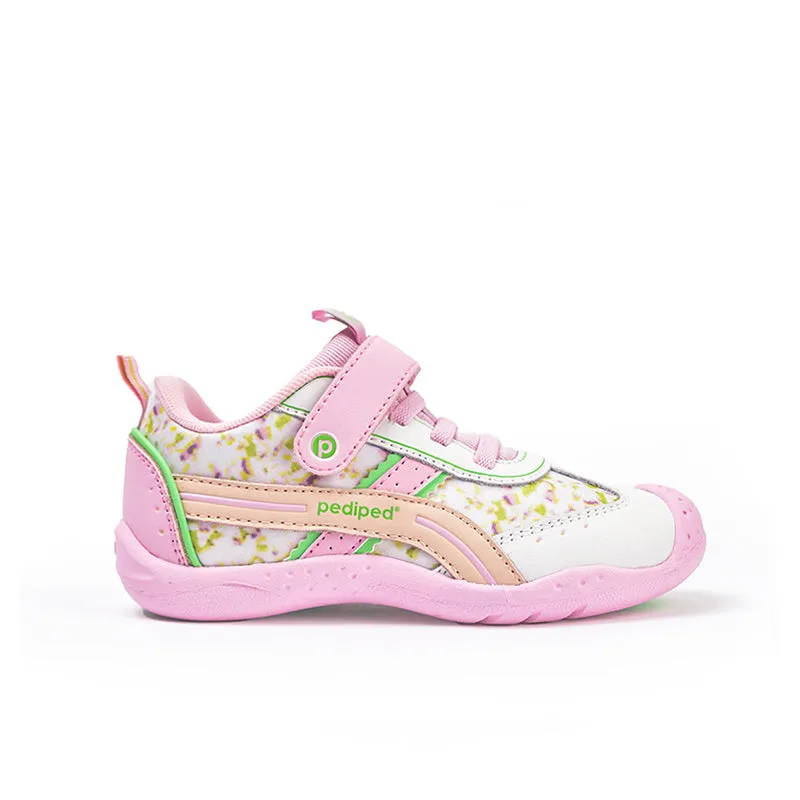
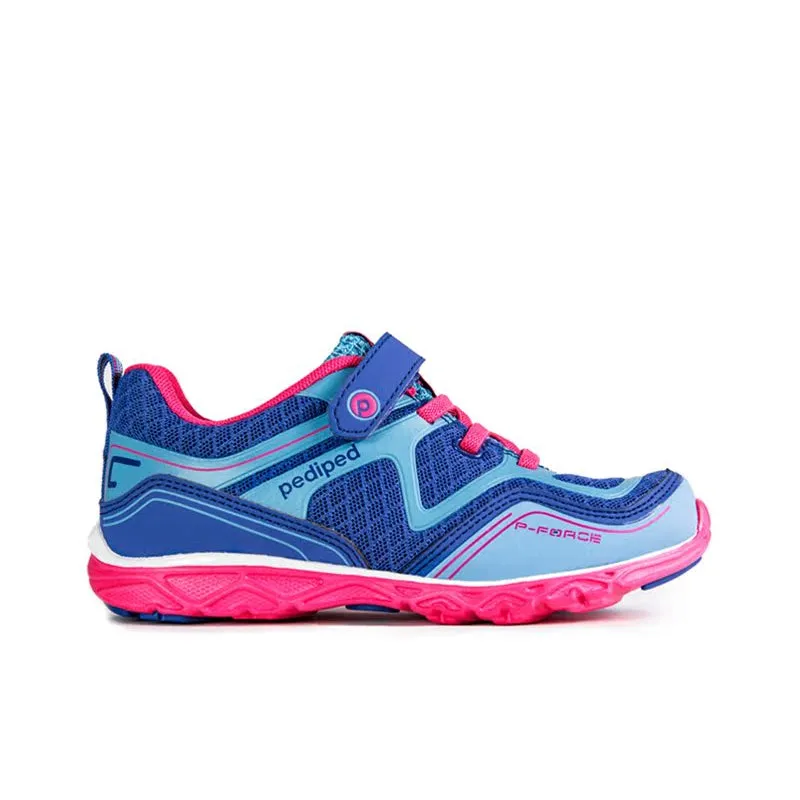
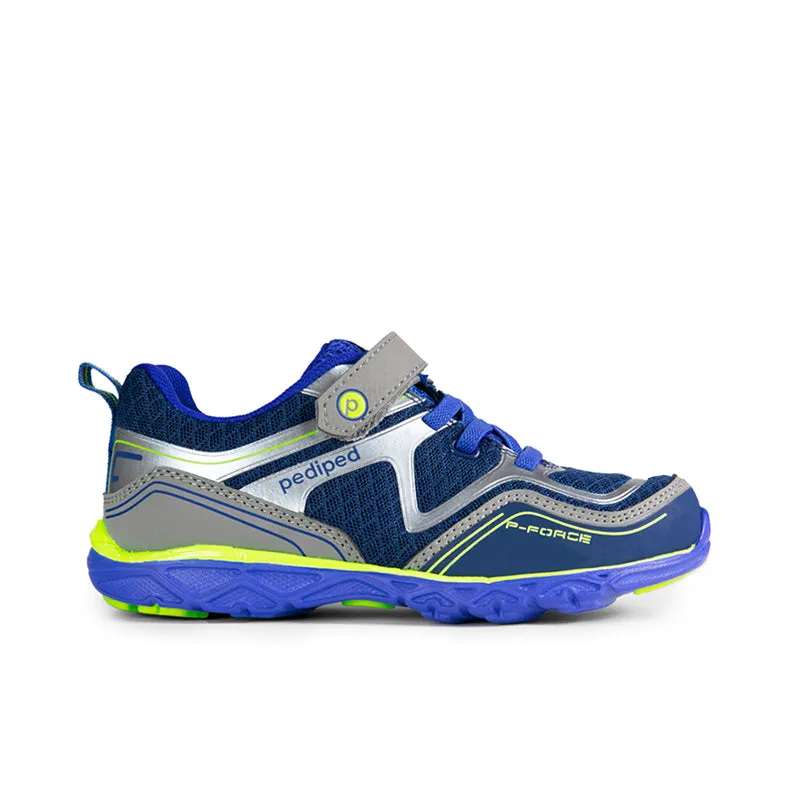
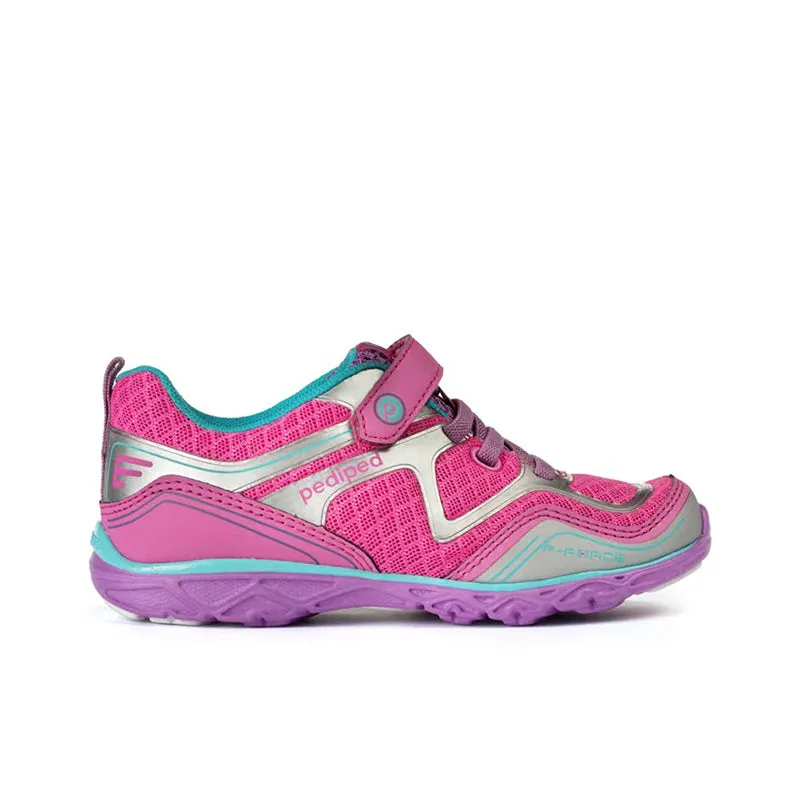
The practical difference is that a flexible sole lets a toddler feel the ground, which builds balance and stride confidence. A stiff sole does the opposite. That is why the Turbo sneaker is one of our favorite choices among toddler tennis shoes and infant sneakers: it supports the walking phase without fighting it.
Baby walking shoes and newborn gym shoes: what matters first
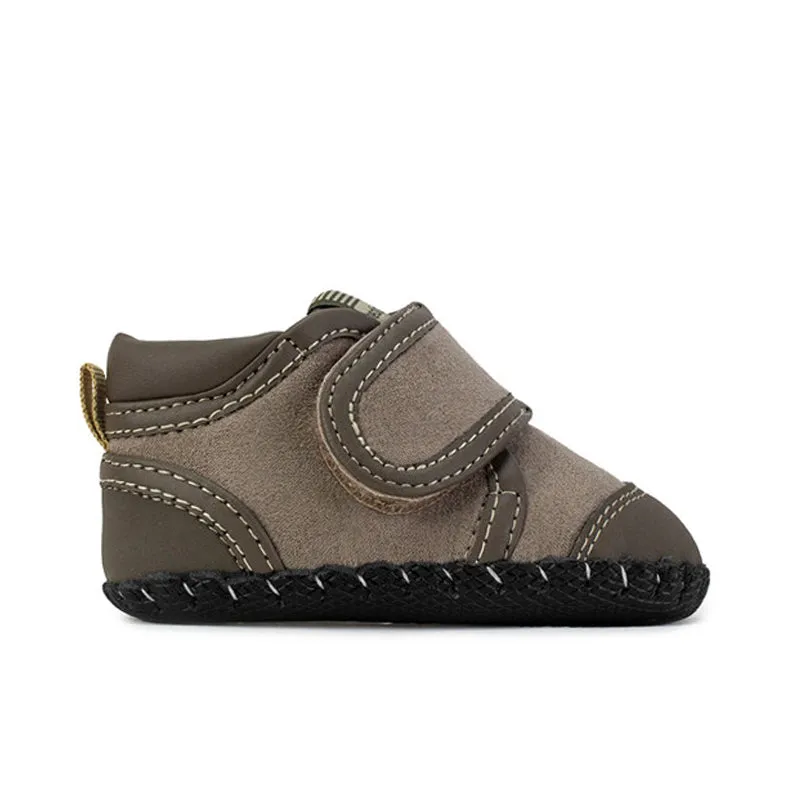
For a first walker, the priority order is flex, then grip, then closure. DrD’s baby walking shoes and their newborn gym shoes both use a soft, gummy outsole that grips indoor floors, which is exactly when most falls happen. Rubber squeaks or slick plastic outsoles look fine but slide on hardwood and tile. We prefer shoes with a textured, pliable outsole for heavy-crawl and first-step phases, and this is what the Turbo sneaker delivers out of the box.
Sizing: the toughest part of buying kids shoes
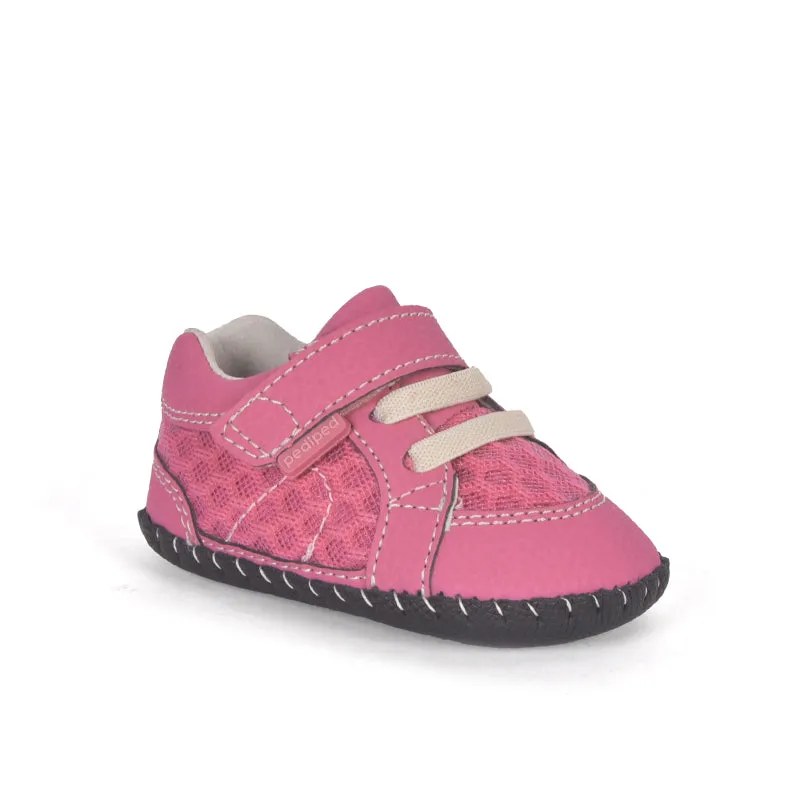
Kids feet grow several sizes in a single year, so a shoe that fits in June rarely fits in December. Our rule of thumb is about a thumb’s width of space past the longest toe, and to ignore the printed size on the box entirely. The infant shoes size 0 range, for example, is intended for the smallest feet, but leg lengths vary so much that only measuring beats guessing. If you buy between growth spurts, shoes infant shoes with adjustable closures let you fine-tune the fit instead of starting over.
Materials and care: what holds up and what stinks
Real leather breathes, forms to the foot, and ages better than most synthetics, and we look for it in uppers. Canvas is lighter and easier to wash but stains faster and provides less structure. The toddler shoes lineup and the girl shoes collection both favor breathable, durable uppers that survive playground duty. For care, wipe leather with a damp cloth, spot-clean canvas, and let shoes air dry away from direct heat, which can shrink or warp the sole.
Who each style suits best
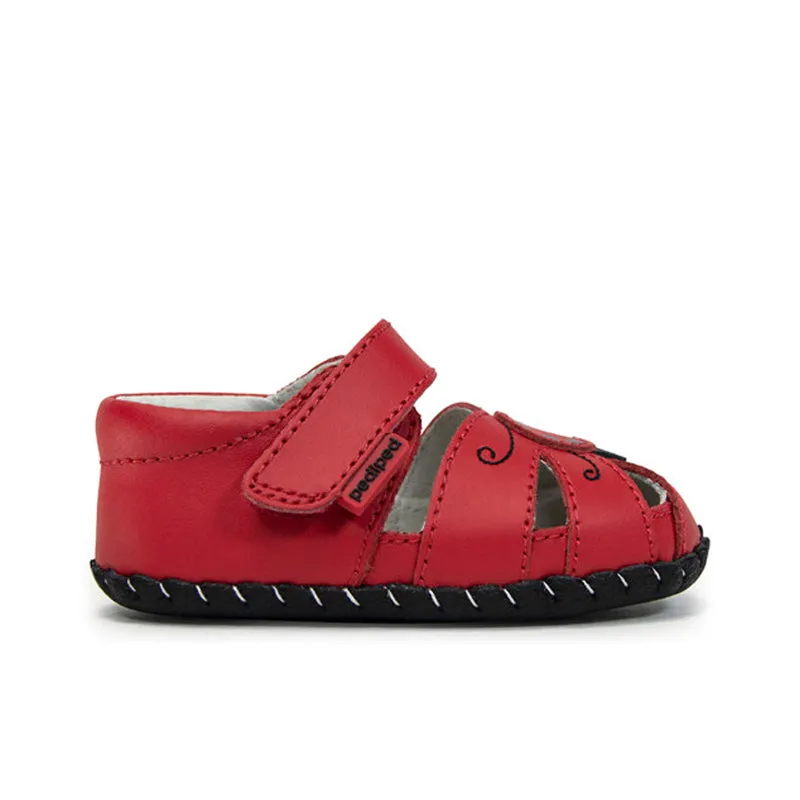
- Newborn to first crawler: soft-soled styles and baby shoes that are more like socks with grip.
- First walker: baby walking shoes with a flexible sole and high-traction outsole.
- Confident runner: the drd kids turbo sneaker, with enough support for real activity.
- Indoor-only wear: infant slippers that stay on and give grip on wood floors.
- Daily rotations: kidlings shoes, built for all-day comfort and hard wear.
Choosing between DrD and the other brands
The honest summary is that DrD does not win on price. Mainstream brands are often cheaper at the register. What DrD wins on is construction and fit consistency, and those matter more over a full wearing period because a well-fit, flexible shoe can last two or three sizes of use. How well the brand documents sizing also matters, since that removes the guesswork parents hate.
If you want to compare current pricing on DrD gear or the running storewide deal, check the latest price before you commit. When we wrote this guide, the store was running 15% off all orders, so grab the code if you decide to order a pair.
Our recommendation is simple: if your child is walking daily, spend on flex and width and buy the drd kids turbo sneaker. If you mainly need backup pairs or indoor slippers, the other styles hold up fine. Either way, measure the foot before you order, and lean on DrD Footwear sizing guidance alongside our notes. If you want a deeper look at the full DrD range before deciding, their brand overview page walks through the collection, and third-party looks at the Turbo sneaker are worth a look too. And if you are still deciding between styles and want the deal while it lasts, remember the code page is where current discounts live.
Questions
How do I know which size of the drd kids turbo sneaker my toddler needs?
Measure the foot from heel to longest toe, add about a thumb's width, and ignore the printed shoe size. Toddler feet grow fast, so remeasure every two to three months.
Are DrD shoes good for a child who is just starting to walk?
Yes. The DrD range, including their walking and first-step styles, uses flexible soles and wide toe boxes, which support balance and natural stride development without restricting movement.
Can I put these in the washing machine when they get dirty?
Wipe leather uppers with a damp cloth and spot-clean canvas. Avoid machine washing, which can warp the sole and shrink the upper, and always air dry away from direct heat.
What is the difference between soft-soled baby shoes and firmer toddler sneakers?
Soft soles suit newborns and crawlers who need foot protection, not support. Firmer sneakers like the Turbo suit toddlers who walk and run daily, where a grippy outsole and a bit more structure prevent slips and add durability.
How long will a pair of DrD toddler shoes last?
A well-fit pair can last through two or three sizes of use, or roughly several months of daily wear, depending on how fast your child's feet grow. The flexible sole holds up well but check the fit regularly, not the wear.
Do DrD shoes run wide or narrow compared to other brands?
DrD cuts to a wider, rounded toe box compared to many mainstream brands, which suits most toddler feet. If you are between two sizes, size up and use an adjustable closure to fine-tune the fit.
Products in this guide
 Shopping at Pediped? See the discount code
15% OFF All Orders
Shopping at Pediped? See the discount code
15% OFF All Orders
More in this series
Do Pediped Sneakers Hold Up to Everyday Toddler Wear?22 Aug 20264 minThe Best Pediped Shoes for Every Stage: Newborn, Infant, and Toddler22 Aug 20265 minWhen to Move Your Baby From Pediped Infant Shoes to Toddler Shoes22 Aug 20265 minHow to Choose the Right Pediped Size for Your Baby or Toddler22 Aug 20264 minPediped Toddler Shoes Review: Are They Worth It for New Walkers?22 Aug 20264 min