 A Pediped guide
The Best Pediped Shoes for Every Stage: Newborn, Infant, and Toddler
The complete Pediped stage-by-stage guide to shoes infant shoes and beyond, with the right fit, features, and sizing for newborn, infant, and toddler feet.
Pediped shoes are built to follow a child’s foot through every stage, from the first newborn days to the busy toddler years. That is why we put together this stage-by-stage guide to shoes infant shoes and everything after them, so you can match the right pair to the right age, walking level, and activity.
Why Stage Matters When You Choose Shoes Infant Shoes
A baby’s foot changes shape and strength almost monthly in the first two years. A shoe that works for a newborn who never stands is wrong for a toddler who runs all day. Pediped splits its lineup into clear stages, and the key is picking the stage that matches where your child actually is, not just their age.
| Stage | Walking level | Best pick |
|---|---|---|
| Newborn | Not walking yet | Soft, flexible newborn gym shoes |
| Infant | Crawling and cruising | Flexible infant sneakers and infant shoes size 0 |
| Toddler | Walking and running | Sturdier toddler shoes with support |
Newborn: Soft Soles and Free Movement
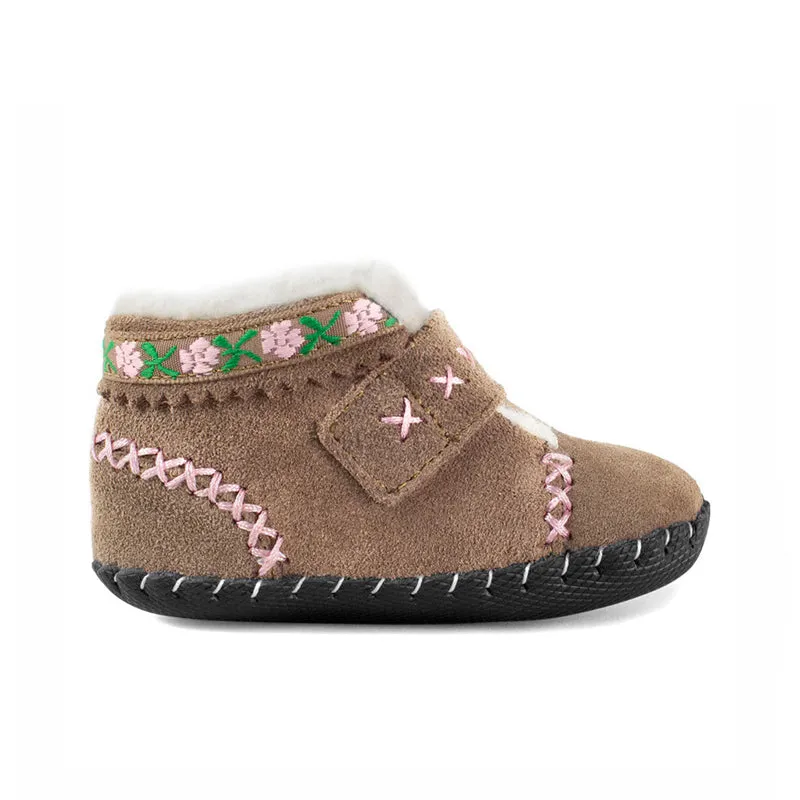
Before a child walks, shoes mainly keep feet warm and protected. The sole should be thin and flexible so little toes can move and grip, because that natural movement builds the muscles they will need later. For this stage, we reach for infant slippers around the house and newborn gym shoes when heading out.
Look for wide toe boxes, breathable materials, and closures that do not squeeze. Newborn feet have no pronounced heel yet, so a shoe that slips on easily or has a simple strap works better than one with complicated lacing. We also like lining newborn picks, since bare feet are still best for early balance work.
Infant: Cruising and the First Steps
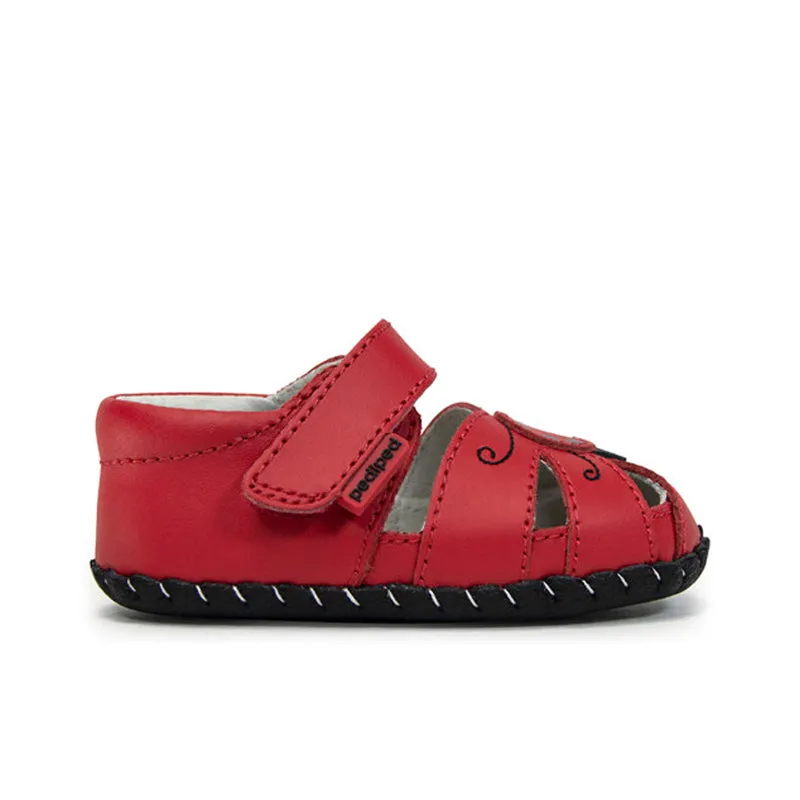
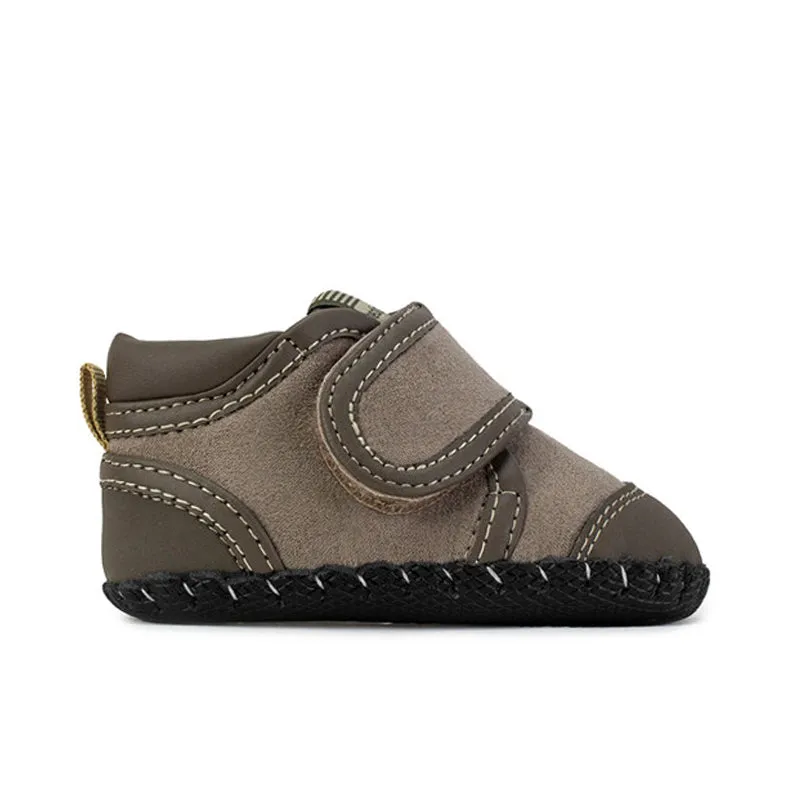
Once a baby starts pulling up and cruising, the shoe has a real job. It needs a flexible sole that still gives some grip, a snug heel, and a roomy toe for balance. This is the launch point for shoes infant shoes, which are designed to support those wobbly first strides without being stiff.
At this stage, check the sole flex by bending it in your hand. It should fold easily at the ball of the foot, not resist you. We also size up a little more often here, since infants outgrow shoes faster than any other age group. A good rule is to check fit every six to eight weeks. If you are choosing a size for the very first pair, infant shoes size 0 is the classic starting point for most newborns and young infants.
Toddler: Support for Real Walking
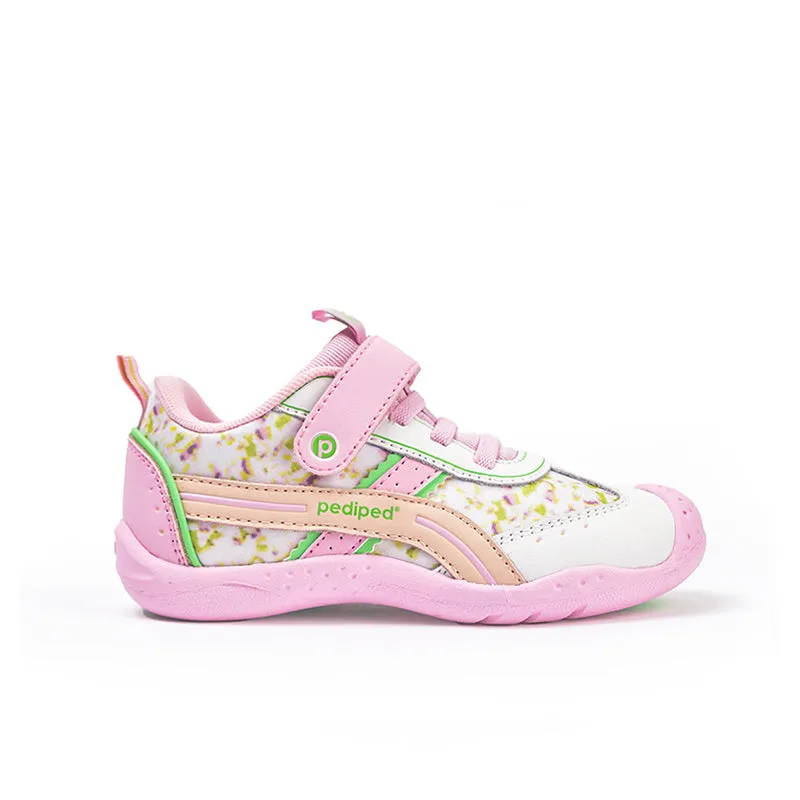
When walking becomes running, climbing, and jumping, shoes need a firmer sole and better support. toddler shoes and baby walking shoes handle this stage with more structure while keeping enough bend for everyday use. This is also the range where the drd kids turbo sneaker shines for active days, since it adds cushioning without heavy weight.
For toddlers, we look for four things in every pair:
- A firm heel counter that does not collapse when you squeeze it
- A sole that bends at the toe but resists twisting in the middle
- A wide enough toe box for toes to splay
- Breathable uppers that survive sweat and the outdoors
Sizing changes slow down here but do not stop. Expect a size change every three to four months during this stage, and always leave about a thumb’s width of room past the longest toe.
Sizing and Fit Checks for Pediped Shoes
Pediped shoes run close to true to size, but every child’s foot is different. The best way to pick is to measure the foot against a printout or a sizing tool, then size up half a size from the measurement. If you are buying for a growing toddler, keep the half-size in mind.
- Measure both feet; they are rarely identical, so fit the larger one
- Fit shoes in the afternoon when feet are slightly swollen
- Break in new pairs gradually over a few short wears
- Watch for blisters or red marks, both signs the pair is too tight
When in doubt, sizing up is safer than sizing down, since a slightly roomy shoe still works in socks while a tight one does not.
Materials and Care Tips
Pediped pairs are mostly leather and breathable synthetics, which means they hold up well with basic care. Wipe leather uppers with a damp cloth, air them out between wears, and avoid the washing machine unless the label says otherwise. Canvas and knit styles can usually take a gentle machine wash in a shoe bag, but check each pair first.
Keeping two pairs in rotation lets each one dry out fully, which cuts odor and makes both last longer. That matters most at the toddler stage, where shoes see daily hard use. A good cleaning routine stretches a pair from one child to the next, something we love for families sizing down.
Which Pair Fits Your Child?
The short answer is that the right Pediped matches your child’s walking stage, not their exact age. If they are not walking, choose soft and flexible. If they are cruising, look at the flexible infant range. Once they run, move to the sturdier toddler line.
Pediped shoes run true to size but every child’s foot is different. Measure both feet (they are rarely identical) and fit the larger one, ideally in the afternoon when feet are slightly swollen. Leave about a thumb’s width past the longest toe, and expect to size up every few months through the toddler years. When in doubt, going half a size up beats a too-tight pair, since roomy shoes still work with socks.
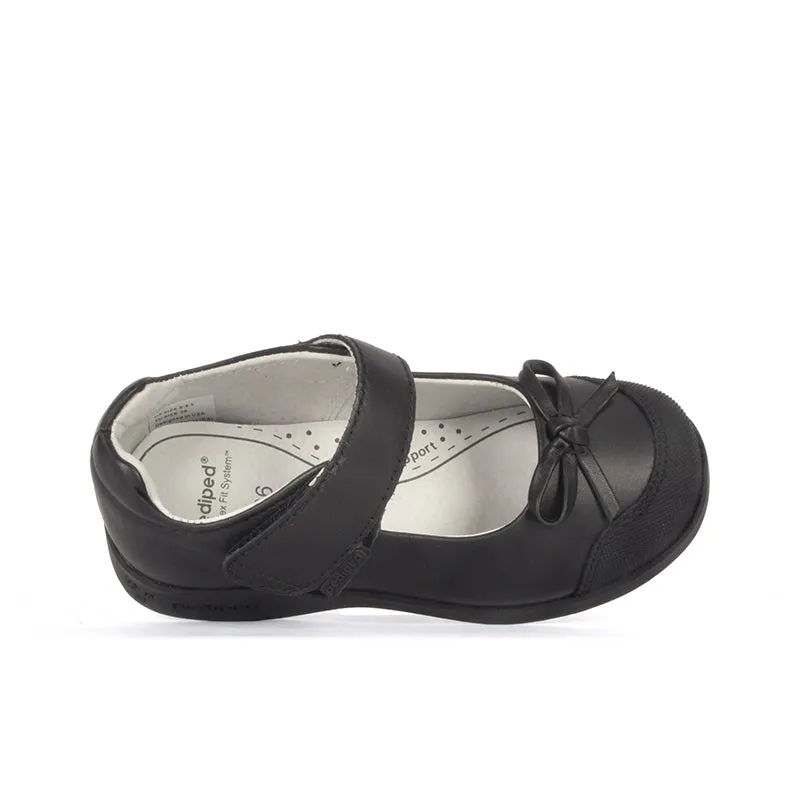
The Pediped deal right now is 15% off all orders, so it is a good moment to buy a stage ahead and have the next size ready. Check girl shoes and the rest of the line, then grab the code before you check out.
The Bottom Line on Pediped Stages
Every stage from newborn to toddler has a clear Pediped match, and the switch matters more than most parents expect. Start flexible with infant shoes size 0 or newborn styles, move to the structured infant range as cruising begins, and finish on the sturdy toddler line once real walking takes over. Learn more about fit and sizing for the next size up, then check the latest price and grab the 15% off offer.
Questions
At what age does my baby need real shoes for the first time?
Most babies do not need structured shoes until they start walking outdoors. Before that, soft-soled styles like [shoes infant shoes](/go/p/6017) or infant slippers keep feet warm while still letting toes move and grip naturally.
How do I know if Pediped shoes fit my child properly?
Measure both feet and fit the larger one, then leave about a thumb's width of space past the longest toe. Fit them in the afternoon when feet are slightly swollen, and size up whenever the fit gets snug.
What is the difference between infant and toddler Pediped stages?
Infant styles have thinner, more flexible soles meant for cruising and first steps, while toddler shoes add a firmer sole and heel support for running and climbing. Choose based on walking level rather than age.
Can younger siblings wear hand-me-down Pediped shoes?
Yes, since leather and quality uppers hold up well. Just check the sole tread for wear and confirm the heel counter is still firm, then clean and air them out before passing them on.
Should baby walking shoes be worn indoors or only outside?
Bare feet are still best indoors for balance and muscle development. Reserve baby walking shoes for outdoors and rougher surfaces where protection matters more than grip.
How often does a toddler outgrow Pediped shoes?
Expect a size change every three to four months through the toddler stage, and every six to eight weeks for infants, since their feet grow fastest in the first year.
Products in this guide
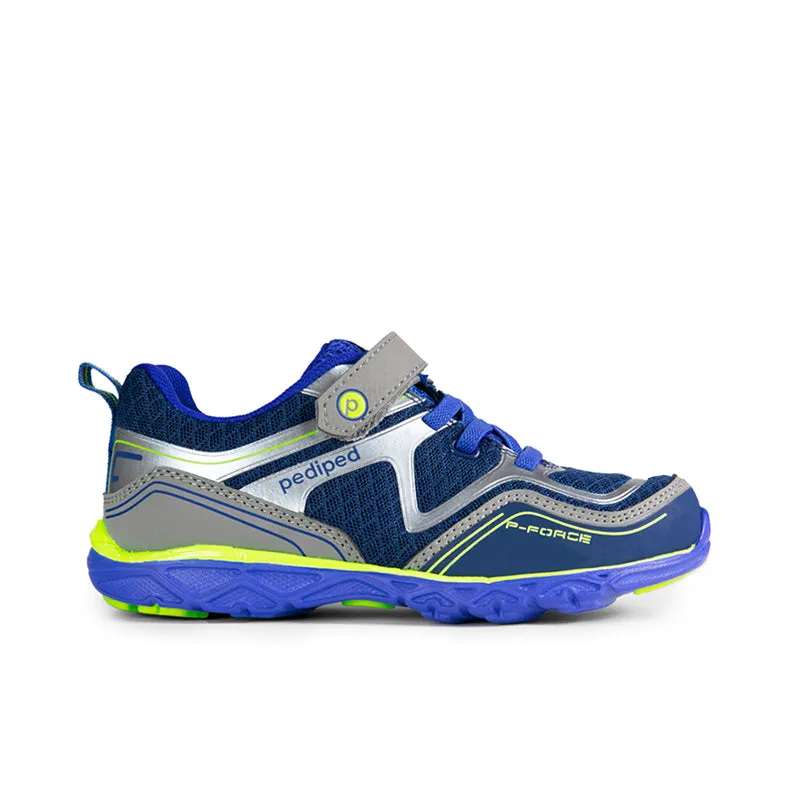
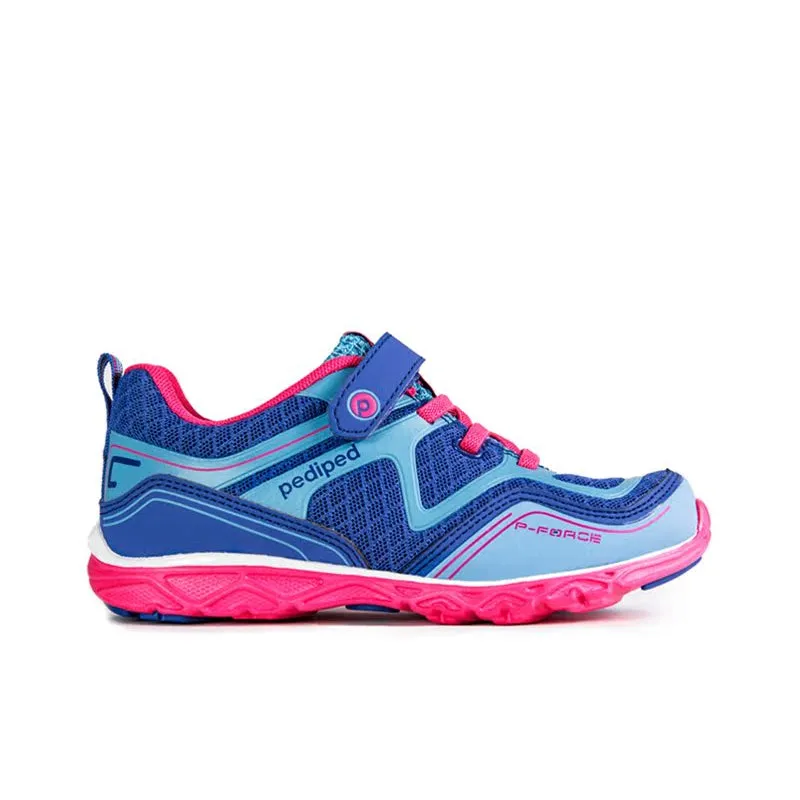
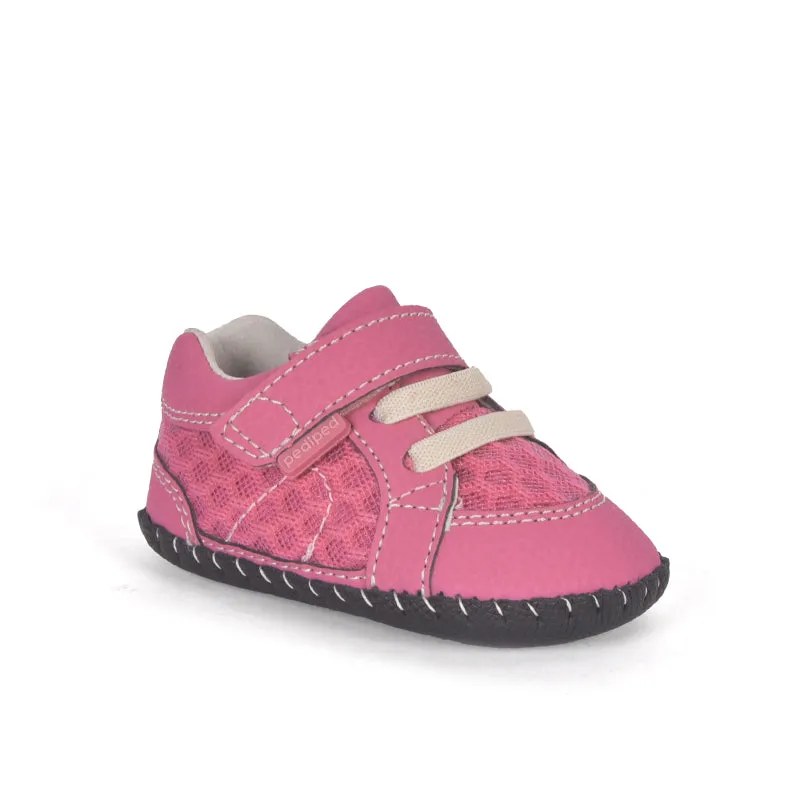
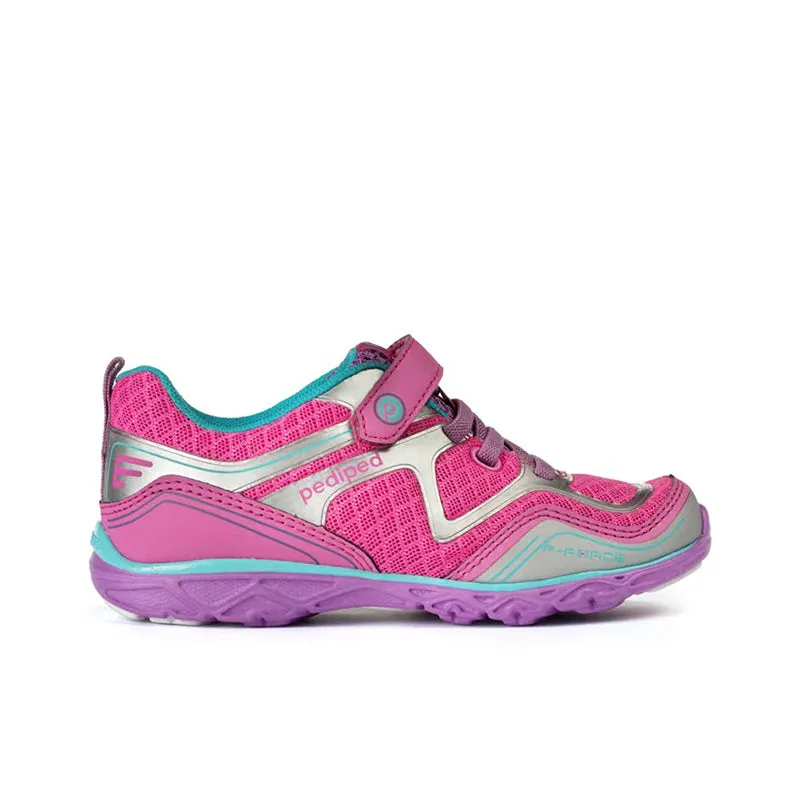
 Shopping at Pediped? See the discount code
15% OFF All Orders
Shopping at Pediped? See the discount code
15% OFF All Orders
More in this series
Do Pediped Sneakers Hold Up to Everyday Toddler Wear?22 Aug 20264 minWhen to Move Your Baby From Pediped Infant Shoes to Toddler Shoes22 Aug 20265 min Pediped vs. Other Kids Shoe Brands: What Parents Should Know22 Aug 20264 minHow to Choose the Right Pediped Size for Your Baby or Toddler22 Aug 20264 minPediped Toddler Shoes Review: Are They Worth It for New Walkers?22 Aug 20264 min