 A Pediped guide
When to Move Your Baby From Pediped Infant Shoes to Toddler Shoes
Knowing when your baby has outgrown shoes infant shoes and is ready for toddler styles can save you money and protect developing feet.
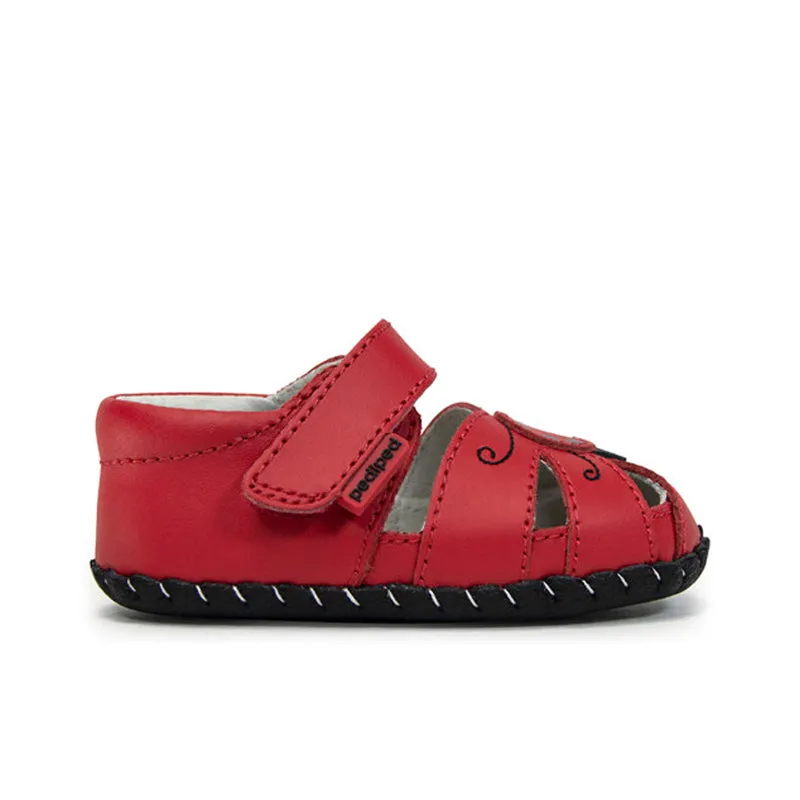
Pediped shoes infant shoes are designed for a very specific window of development, and knowing when that window closes is the single most useful thing you can do for your baby’s foot health. Most babies are ready to transition to toddler shoes somewhere between 12 and 18 months, but foot growth and walking readiness matter far more than age alone. Here is how to read the real signals and choose the right Pediped style at every stage.
Why Shoes Infant Shoes Fit Differently Than Toddler Styles
Infant and toddler feet are not just smaller versions of adult feet. Infant feet are mostly cartilage, soft, and highly compressible, which is why baby shoes are built with ultra-flexible soles and minimal structure. Toddler shoes introduce a bit more lateral support because a walking child pushes off the ground with real force, creating torque that a soft infant sole cannot manage safely.
Key differences between the two categories:
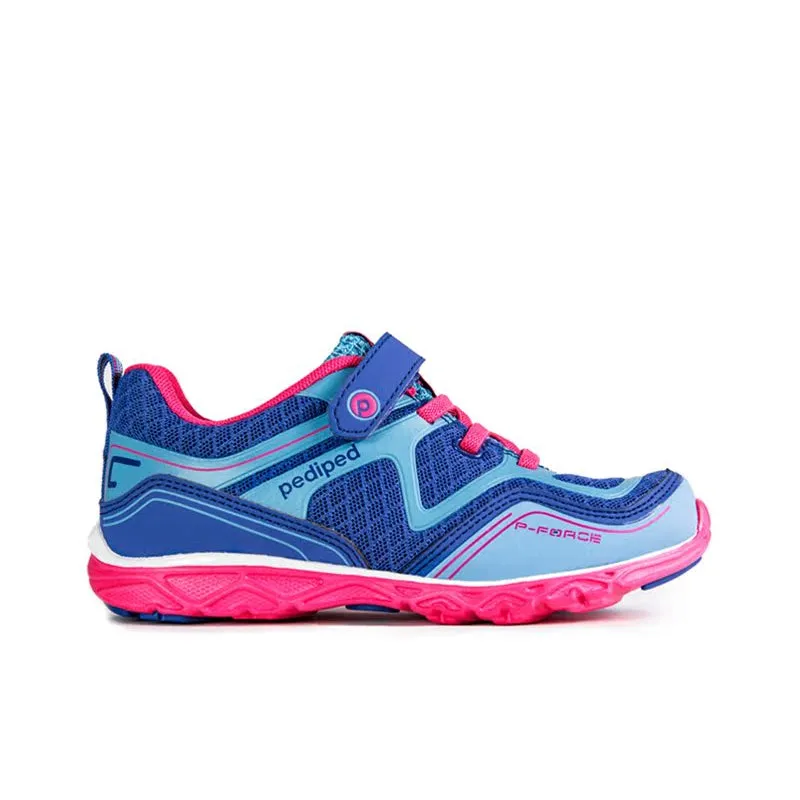
- Sole flexibility: Infant soles bend fully in every direction; toddler soles flex at the ball of the foot but resist twisting
- Heel counter: Toddler styles add a firmer heel cup to guide early walkers
- Closure systems: Infant styles often use hook-and-loop or slip-on fits; toddler styles add adjustable straps for a precise fit as the child becomes more active
- Weight: Toddler shoes are still lightweight but slightly more substantial than infant sneakers or infant slippers
Signs Your Baby Is Ready to Move Up
Watch for these cues rather than relying on a calendar date:
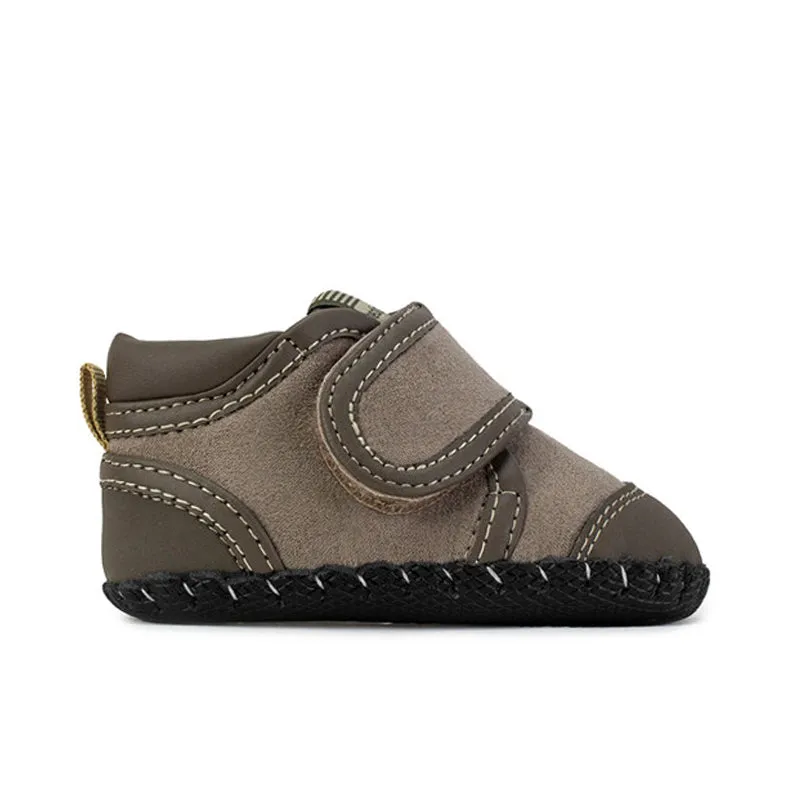
- Toes touching the front: Slide a finger between your baby’s longest toe and the shoe tip. Less than a thumb’s width means it is time to size up.
- Red marks after wear: Redness on the top of the toes or around the heel signals the shoe is compressing the foot.
- Taking independent steps: Once your baby walks unassisted for more than a few steps consistently, structured baby walking shoes or entry-level toddler styles become appropriate.
- Buckles or straps won’t close comfortably: If you are forcing the closure, the foot has grown past the shoe.
- The shoe twists in your hands: A shoe that has lost its shape has also lost its function.
If your baby is still pre-walking and happy in a soft sole, newborn gym shoes or a flexible infant shoes size 0 remain the better choice. Structured support before independent walking can actually interfere with the natural strengthening of foot muscles.
Pediped Size Ranges: A Quick Reference
Pediped organizes their line into clear developmental stages. Use this table as a starting map, then always measure the actual foot.
| Stage | Typical Age | Pediped Category | Sole Type |
|---|---|---|---|
| Newborn | 0-3 months | Newborn / Infant | Soft, non-structured |
| Pre-walker | 3-12 months | Infant / Originals | Flexible, grippy |
| Early walker | 10-18 months | Grip ‘N’ Go | Flexible with light structure |
| Active toddler | 18 months+ | Toddler / Express | Supportive, durable |
For the broadest overview of how infant-to-toddler sizing works across brands, Crib, Toddler, & Baby Shoes (Sizes 0-10) is a useful reference for understanding size number conventions before you shop.
Choosing the Right Pediped Style for the Transition Phase
The transition period, roughly 10 to 16 months, is when many parents get stuck. Their baby is taking a few steps but not yet a confident walker. These styles work well in that window:
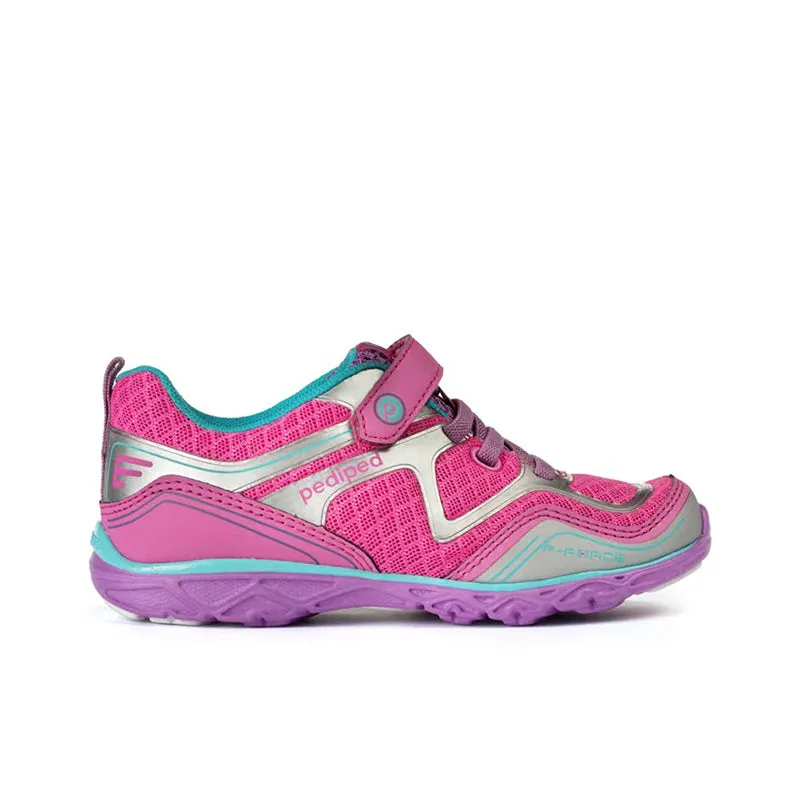
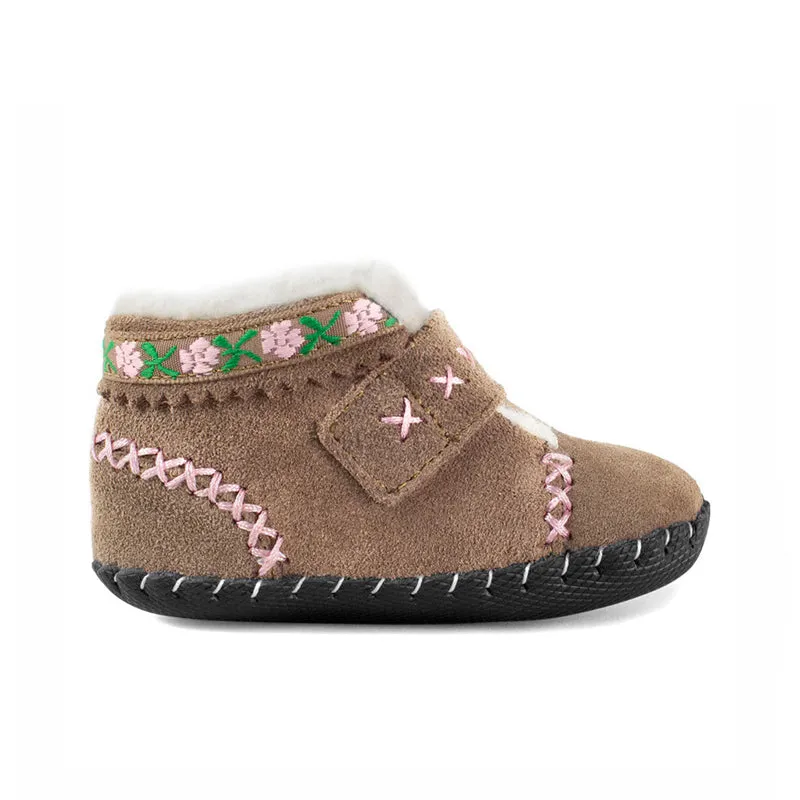
- kidlings shoes: A soft yet grippy option that bridges the gap between infant and toddler construction
- baby walking shoes: Built specifically for first walkers, with a sole that bends at the right point for push-off
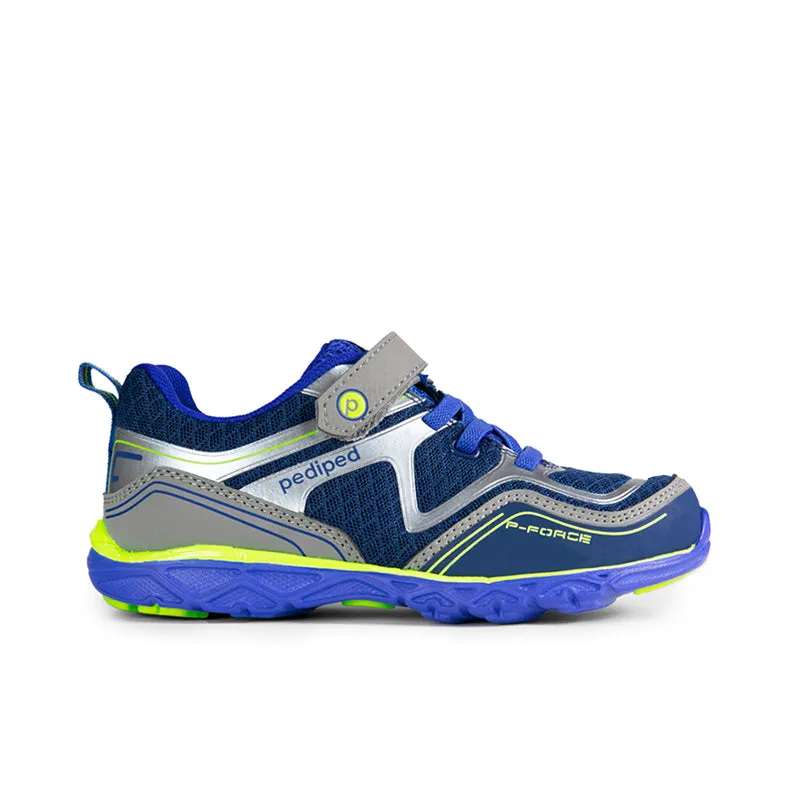
- drd kids turbo sneaker: A lightweight sneaker-style option for babies moving into more active play
- toddler tennis shoes: Once confident walking is established, these add the durability needed for outdoor surfaces
For girls specifically, the girl shoes range spans both the pre-walker and early walker stages, so check the product page for sole construction details before buying. You can also grab the current 15% off code to reduce the cost of stocking two sizes at once, which parents of fast growers often need to do.
How to Measure at Home Before You Buy
Getting the measurement right is more important than the size number on the box.
- Place your baby’s foot flat on a piece of paper with the heel against a wall.
- Mark the tip of the longest toe with a pencil held vertically.
- Measure heel to mark in millimeters.
- Add 10-12 mm (roughly half an inch) for growing room.
- Match that total to the brand’s size chart, not a generic chart.
Pediped publishes their own millimeter-based chart on each product page. Feet grow fast in the first two years, so remeasure every six to eight weeks. Buying a half-size larger than the current measurement is generally right; going a full size up introduces tripping risk for new walkers.
Materials and Care for Infant and Toddler Shoes
Pediped uses leather, soft nappa, and breathable textile linings across their range. Here is how to keep them in good shape:
- Leather infant styles: Wipe with a damp cloth; condition every few months with a gentle leather conditioner
- Textile sneakers (including the drd kids turbo sneaker): Spot clean with mild soap; air dry away from direct heat
- infant slippers: Hand wash in cool water; reshape while damp and lay flat to dry
- Velcro closures: Remove lint from the hook side regularly so the grip stays strong
Avoid machine washing leather styles. Heat and tumbling break down the adhesives used in the sole construction. For a broader look at how infant footwear is reviewed and rated by category, Best Baby Boys’ Shoes gives a sense of what features parents prioritize when comparing brands.
Who Each Style Suits Best
Not every baby needs the same shoe, even at the same age or weight.
- Narrow feet: Look for Pediped styles with adjustable straps rather than slip-ons
- Wide feet: Soft leather baby shoes in natural materials stretch slightly and accommodate wider widths better than synthetic uppers
- Sensitive skin: Textile linings reduce friction compared to hard synthetic interiors
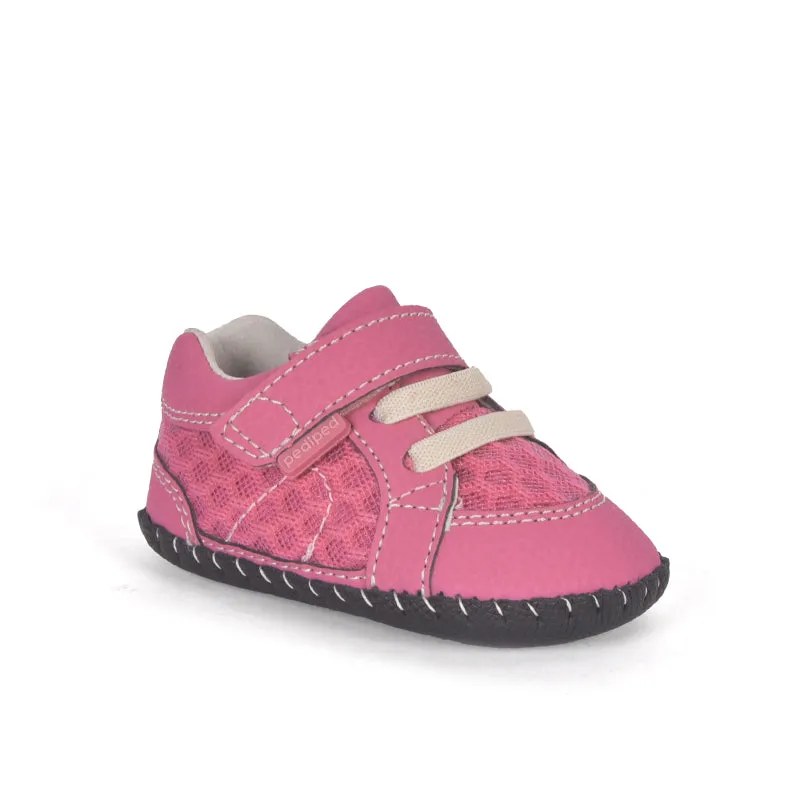
- Active crawlers: infant sneakers with a thin grippy sole protect knees on hard floors without restricting movement
- Cold climates: infant slippers with a non-slip sole work indoors while thicker toddler shoes handle outdoor cold
Check the latest prices and use our discount code to compare the full Pediped range side by side before deciding. The 15% off applies across all orders, which adds up quickly when you are buying for multiple stages at once.
The Short Answer on Timing
Move from shoes infant shoes to toddler styles when your baby walks independently with consistent balance, when the current shoe shows the fit signs listed above, or when the foot measurement says so, whichever comes first. Pediped’s staged line makes the upgrade straightforward: start soft, add structure only as the foot earns it, and remeasure often. See the full Pediped range and apply your discount to get the right fit at the right price.
Questions
How do I know if shoes infant shoes still fit my baby?
Slide your thumb between your baby's longest toe and the front of the shoe. If there is less than a thumb's width of space, the shoe is too small. Also check for red marks on the toes or heel after wear, which signal the shoe is compressing the foot.
At what age should a baby start wearing toddler shoes instead of infant styles?
Age is less reliable than developmental stage. Most babies transition somewhere between 12 and 18 months, but the real trigger is consistent independent walking, not a birthday. Always pair the age guideline with an actual foot measurement.
Are Pediped baby walking shoes good for first walkers?
Yes. Pediped baby walking shoes are specifically engineered to flex at the ball of the foot, which supports the natural push-off motion a new walker develops. The soft upper also allows the foot to move naturally rather than being held rigidly in place.
Can my baby wear infant sneakers outside?
Pediped infant sneakers have a grippy sole that handles smooth indoor surfaces and light outdoor use well. For sustained outdoor walking on rough or uneven terrain, a structured toddler sneaker is a better long-term choice once the child is walking confidently.
How often should I replace Pediped toddler shoes?
Children's feet in the toddler stage can grow a full size every two to three months. Remeasure the foot every six to eight weeks and replace the shoe as soon as it fails the thumb-space test, regardless of how little wear the shoe shows.
Is there a Pediped discount code available for buying multiple sizes at once?
Yes, we maintain a current Pediped discount code on our coupon page that can reduce the cost of stocking up on multiple sizes. Check the page for the active offer before you order.
Products in this guide
 Shopping at Pediped? See the discount code
15% OFF All Orders
Shopping at Pediped? See the discount code
15% OFF All Orders
More in this series
Do Pediped Sneakers Hold Up to Everyday Toddler Wear?22 Aug 20264 minThe Best Pediped Shoes for Every Stage: Newborn, Infant, and Toddler22 Aug 20265 min Pediped vs. Other Kids Shoe Brands: What Parents Should Know22 Aug 20264 minHow to Choose the Right Pediped Size for Your Baby or Toddler22 Aug 20264 minPediped Toddler Shoes Review: Are They Worth It for New Walkers?22 Aug 20264 min