 A Pediped guide
How to Choose the Right Pediped Size for Your Baby or Toddler
Getting the right fit in toddler shoes matters more than most parents expect, and Pediped's size system makes it easier once you know what to look for.
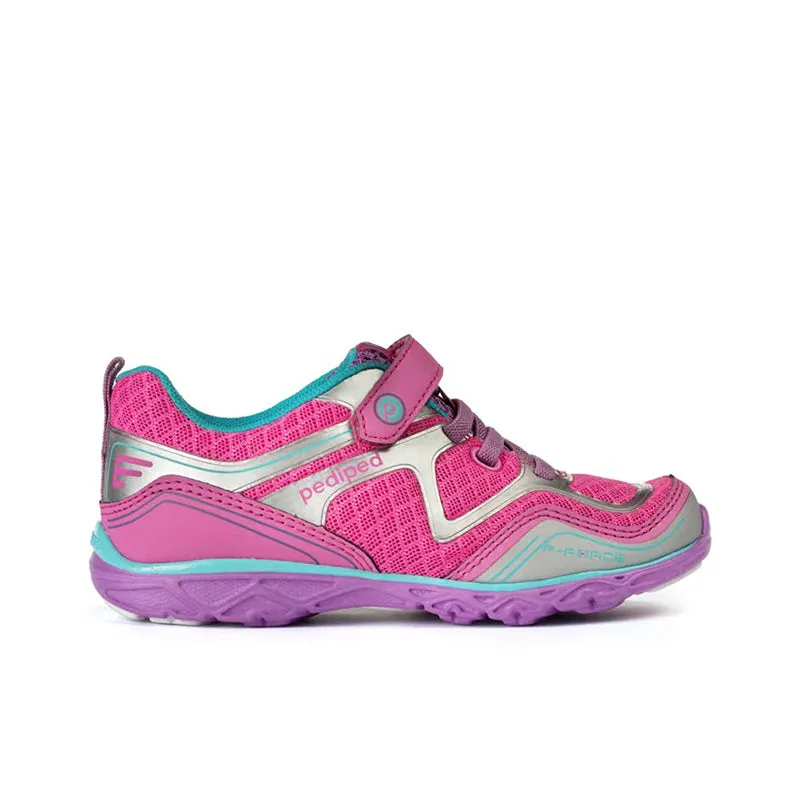
Choosing the right toddler shoes starts with one simple principle: fit beats style every time. Pediped builds its entire line around developmental foot health, so understanding how their sizing works saves you returns, tears, and wasted money. Here is everything you need to pick the right size from newborn through toddler.
Why Toddler Shoe Sizing Is Not the Same as Adult Sizing
Standard adult sizing scales do not translate to small feet. Infant and toddler feet grow fast (up to half a size every two months in the first year), are mostly cartilage, and need room to spread naturally when bearing weight.
Pediped organizes their range into three stages:
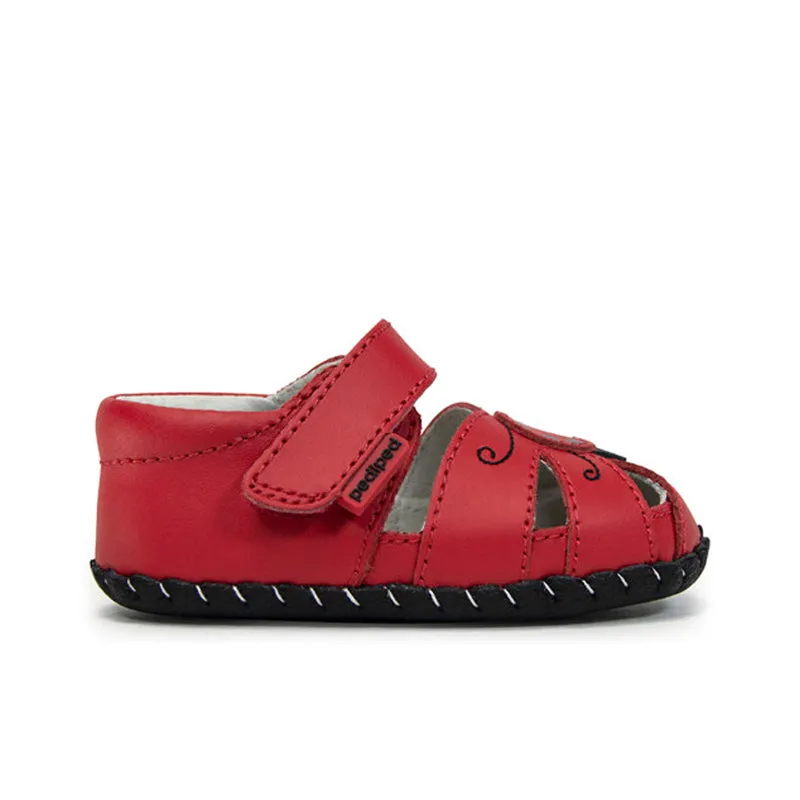
- Originals (0-24 months): soft-sole baby shoes designed for pre-walkers and early walkers
- Grip ‘n’ Go (6-24 months): flexible rubber-soled baby walking shoes for new walkers
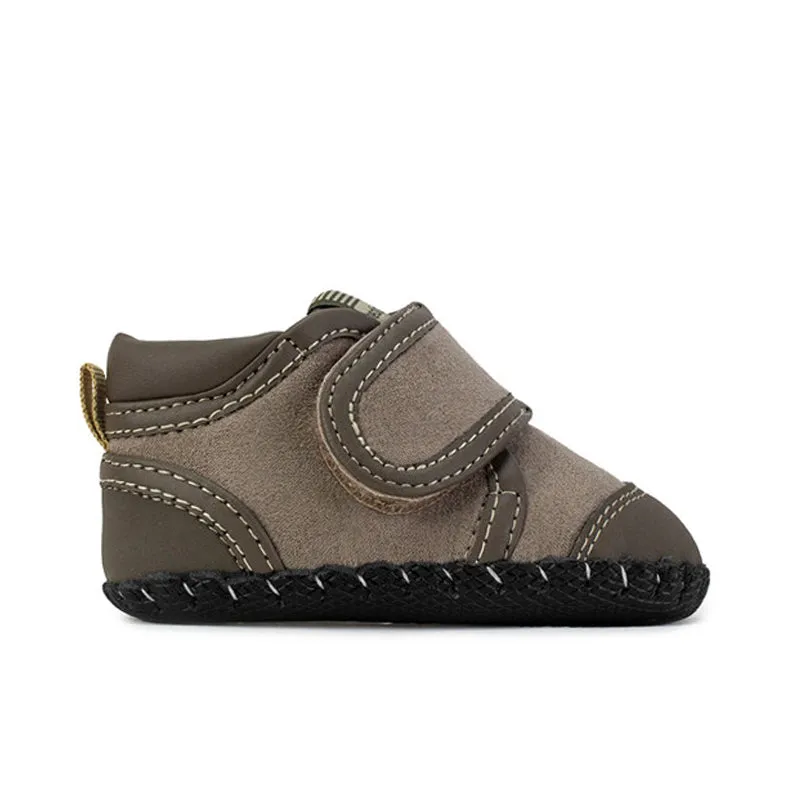
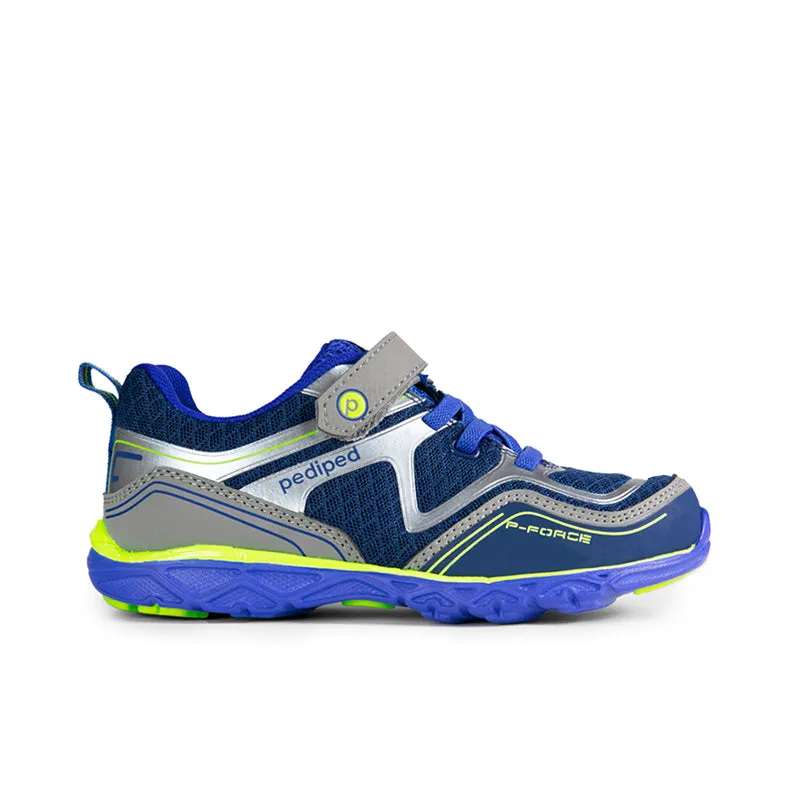
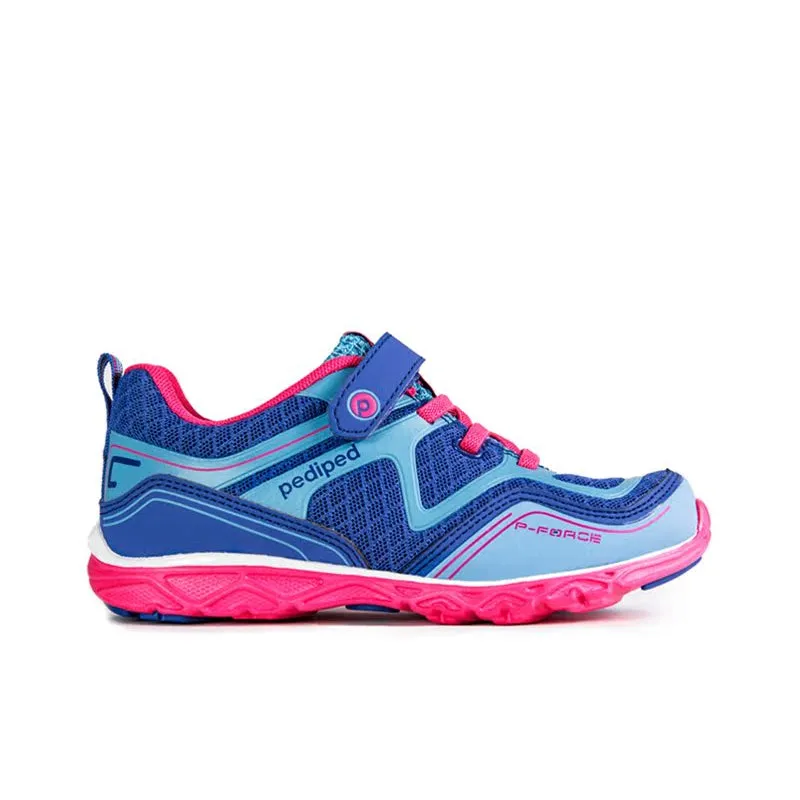
- Flex (18 months and up): structured toddler shoes and sneakers for active kids
Each stage has a different last shape and construction. Ordering based on age alone, without measuring, is the most common sizing mistake parents make.
How to Measure Your Child’s Foot at Home
You do not need a Brannock device. A piece of paper, a pencil, and a ruler are enough.
- Place your child’s foot flat on paper (weight-bearing if possible).
- Trace the outline, keeping the pencil vertical.
- Measure the longest distance from heel to the tip of the longest toe.
- Add approximately 0.5 cm (about 3/16 inch) for wiggle room.
- Match that number to the Pediped size chart on their site.
Do this at the end of the day when feet are slightly larger. If one foot is bigger, always size for the larger foot.
A Note on Toddler Shoe Size Conventions
You will see sizes labeled in US, EU, and sometimes UK formats. Pediped uses US sizing as the primary label. A size 7 toddler shoes girl, for example, is roughly 14.6 cm in foot length. Their site lists exact centimeter measurements alongside each size, which removes the guesswork.
Matching the Right Pediped Style to Your Child’s Stage
| Stage | Pediped Style | Best For |
|---|---|---|
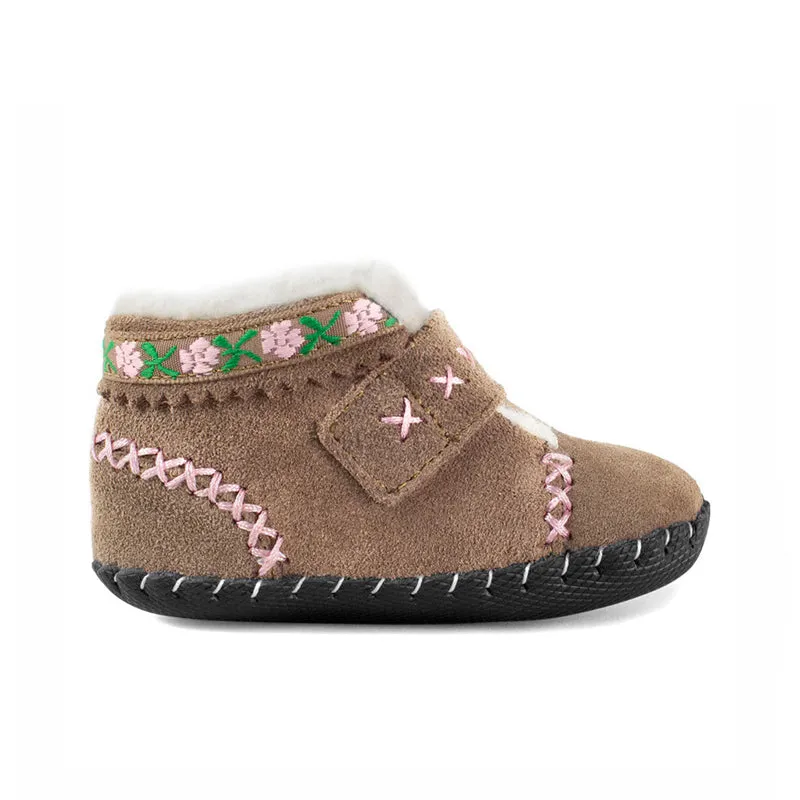
| Newborn (0-3 mo) | newborn gym shoes / infant slippers | Warmth, pre-motor development |
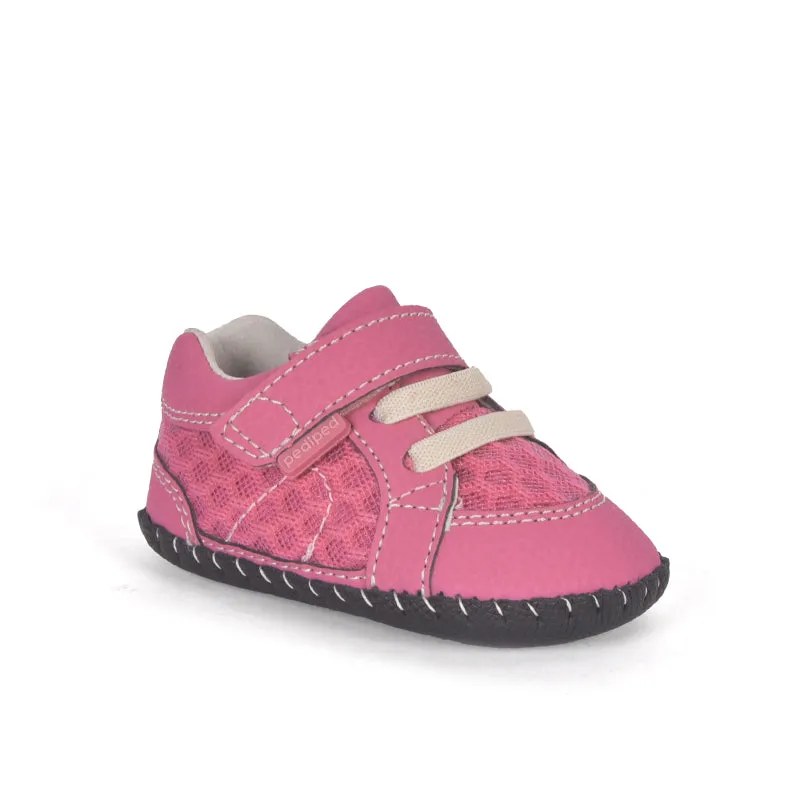
| Pre-walker (3-12 mo) | infant shoes size 0 / shoes infant shoes | Sensory feedback, soft protection |
| New walker (9-18 mo) | baby walking shoes / infant sneakers | Grip, flexible sole, ankle support |
| Active toddler (18 mo+) | toddler tennis shoes / drd kids turbo sneaker | Durability, structure, lateral support |
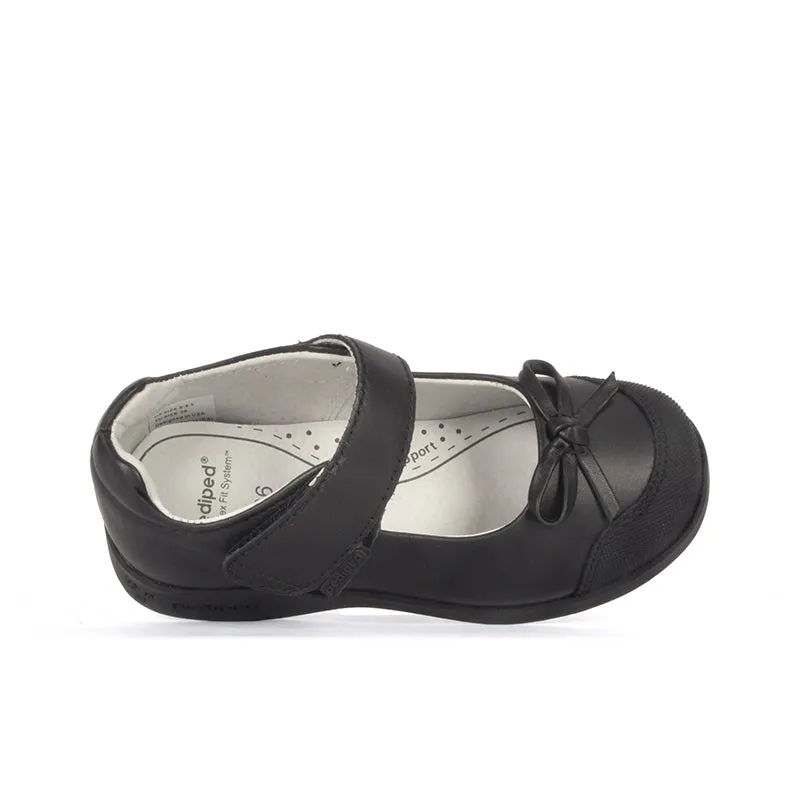
For girls specifically, Pediped’s girl shoes and kidlings shoes cover the same developmental stages with additional style options. The sizing rules are identical regardless of the collection.
What to Look For in the Fit
Once shoes arrive, do a quick fit check before removing the tags:
- Thumb’s width of space at the toe: press down just behind the toddler’s longest toe. You should feel about 1 cm of space.
- No heel slippage: hold the heel counter and ask the child to walk. The heel should stay seated.
- Width check: the widest part of the foot should align with the widest part of the shoe. If the upper bulges, go up a width (Pediped offers medium and wide options in many styles).
- Flexibility test: the sole should bend at the ball of the foot, not in the middle.
Stiff soles, even in branded toddler shoes from other manufacturers, can restrict natural toe-off motion. Pediped’s Flex line is specifically engineered to pass this test.
How Often to Recheck Sizing
Toddler feet do not grow on a schedule, but a general rule works well:
- Under 12 months: check every 6-8 weeks
- 12-24 months: check every 2-3 months
- 2-4 years: check every 3-4 months
Signs a shoe has been outgrown include red marks on the foot after removal, toes pressing visibly against the upper, or a child suddenly resisting putting shoes on. Do not rely on “they haven’t complained” as a guide, since young children rarely do.
Toddler Shoes Boy vs. Girl: Does Sizing Differ?
In Pediped’s line, sizing is unisex by measurement. A toddler shoes boy style and a toddler shoes girl style at the same size number will fit the same foot length and width. The difference is purely aesthetic. If you are buying girl shoes or any gendered style, use the same measurement method and the same size chart.
Where to Buy and How to Save
Pediped sells direct, which means you get the full range including harder-to-find sizes like infant shoes size 0 for very young newborns. Before you check out, grab the current 15% off code to bring the price down across the whole order.
If you are stocking up across stages (a common move when a second child is on the way), that discount applies to baby shoes, sneakers, and slippers together. Check the latest deal before your cart expires, since offers do rotate.
For active kids who are hard on footwear, the drd kids turbo sneaker is worth a close look.
Whether you are sizing up from infant sneakers or buying your first pair of toddler tennis shoes, measuring first and using the Pediped chart removes most of the guesswork. See current prices and apply your code when you are ready to order.
Questions
How do I know what size toddler shoes to order from Pediped?
Trace your child's foot on paper, measure heel to longest toe, add 0.5 cm, and match that number to Pediped's size chart. Always measure at the end of the day and size for the larger foot if they differ.
What is the difference between Pediped Originals, Grip 'n' Go, and Flex?
Originals are soft-sole baby shoes for pre-walkers, Grip 'n' Go adds a thin rubber sole for new walkers, and Flex is a structured shoe for active toddlers 18 months and up. The right stage depends on your child's motor development, not just age.
Does Pediped make wide-width toddler shoes?
Yes, many Pediped styles are available in medium and wide widths. Check the width option on the product page, since toddler feet vary significantly in width and a correct-length shoe can still fit poorly if the width is wrong.
How often should I replace my toddler's shoes?
Check fit every 2-3 months for children aged 12-24 months and every 3-4 months for ages 2-4. Red marks on the foot after removal or visible toe pressure against the upper are signs it is time to size up.
Are Pediped infant slippers safe for a baby who is starting to pull up and stand?
Infant slippers are best for pre-mobile babies and floor play. Once a baby starts pulling up or taking steps, switching to a sole with grip, like Pediped's Grip 'n' Go baby walking shoes, gives better traction and support.
Can I use a Pediped discount code on all shoe styles including the drd kids turbo sneaker?
The current sitewide offer applies across the full range. Check the coupon page to confirm which styles are included before checkout, as exclusions can occasionally apply to new releases.
Products in this guide
 Shopping at Pediped? See the discount code
15% OFF All Orders
Shopping at Pediped? See the discount code
15% OFF All Orders
More in this series
Do Pediped Sneakers Hold Up to Everyday Toddler Wear?22 Aug 20264 minThe Best Pediped Shoes for Every Stage: Newborn, Infant, and Toddler22 Aug 20265 minWhen to Move Your Baby From Pediped Infant Shoes to Toddler Shoes22 Aug 20265 min Pediped vs. Other Kids Shoe Brands: What Parents Should Know22 Aug 20264 minPediped Toddler Shoes Review: Are They Worth It for New Walkers?22 Aug 20264 min