 A Pediped guide
Pediped Shoes by Stage: Newborn, Infant and Toddler
The complete Pediped stage-by-stage guide to shoes infant shoes and beyond, with the right fit, features, and sizing for newborn, infant, and toddler feet.
Pediped shoes are built to follow a child’s foot through every stage, from the first newborn days to the busy toddler years. That is why we put together this stage-by-stage guide to shoes infant shoes and everything after them, so you can match the right pair to the right age, walking level, and activity. You can find the current code on our Pediped discount code page.
Why Stage Matters When You Choose Shoes Infant Shoes
A shoe that works for a newborn who never stands is wrong for a toddler who runs all day. Pediped splits its lineup into clear stages, and the key is picking the stage that matches where your child actually is, not just their age.
| Stage | Walking level | Style to look at |
|---|---|---|
| Newborn | Not walking yet | Soft, flexible newborn gym shoes |
| Infant | Crawling and cruising | Flexible infant sneakers and infant shoes size 0 |
| Toddler | Walking and running | Sturdier toddler shoes with support |
Newborn: Soft Soles and Free Movement
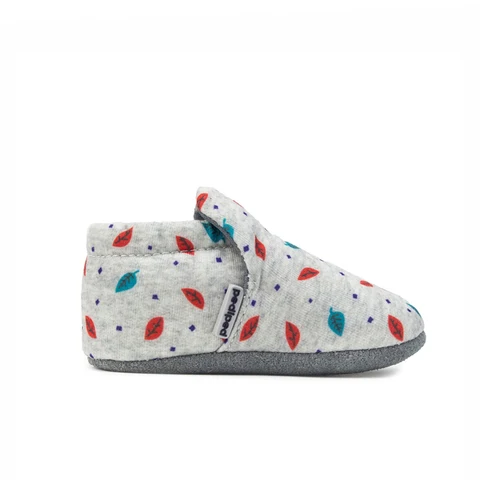
Before a child walks, shoes mainly keep feet warm and protected. The sole should be thin and flexible so little toes can move and grip. For this stage, we suggest infant slippers around the house and newborn gym shoes when heading out.
Look for wide toe boxes, breathable materials, and closures that do not squeeze. A shoe that slips on easily or has a simple strap is easier than one with complicated lacing.
Infant: Cruising and the First Steps
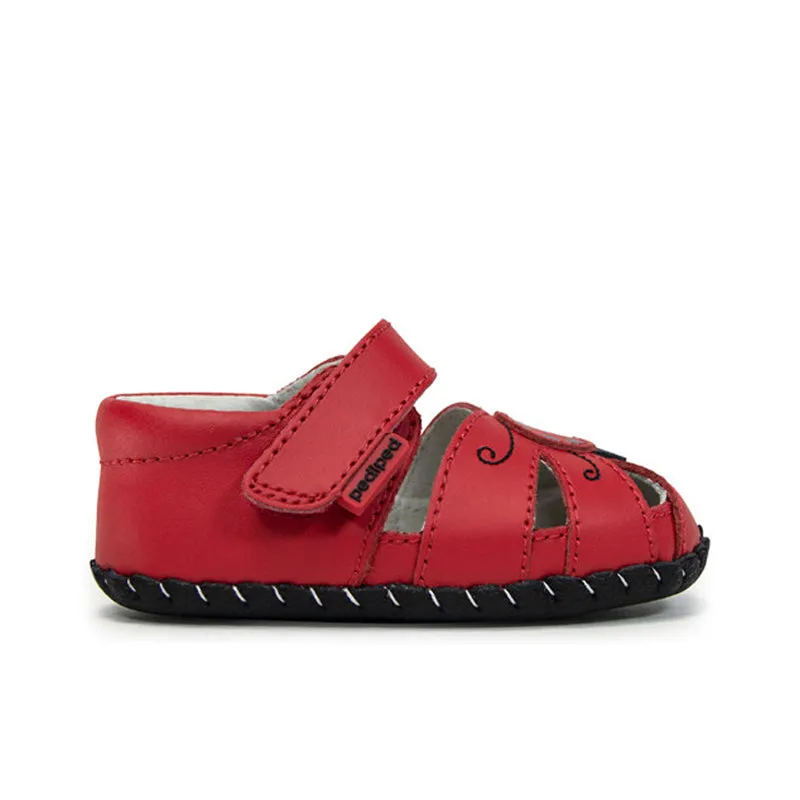
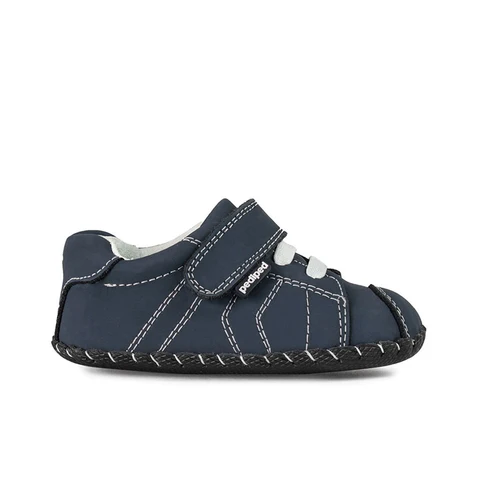
Once a baby starts pulling up and cruising, the shoe has a real job. It needs a flexible sole that still gives some grip, a snug heel, and a roomy toe for balance. This is the launch point for shoes infant shoes, which are designed to support those wobbly first strides without being stiff.
At this stage, check the sole flex by bending it in your hand. It should fold easily at the ball of the foot, not resist you. Check the fit every six to eight weeks at this stage. If you are choosing a size for the very first pair, measure the foot and compare it with Pediped’s size chart, starting with sizes like infant shoes size 0.
Toddler: Support for Real Walking
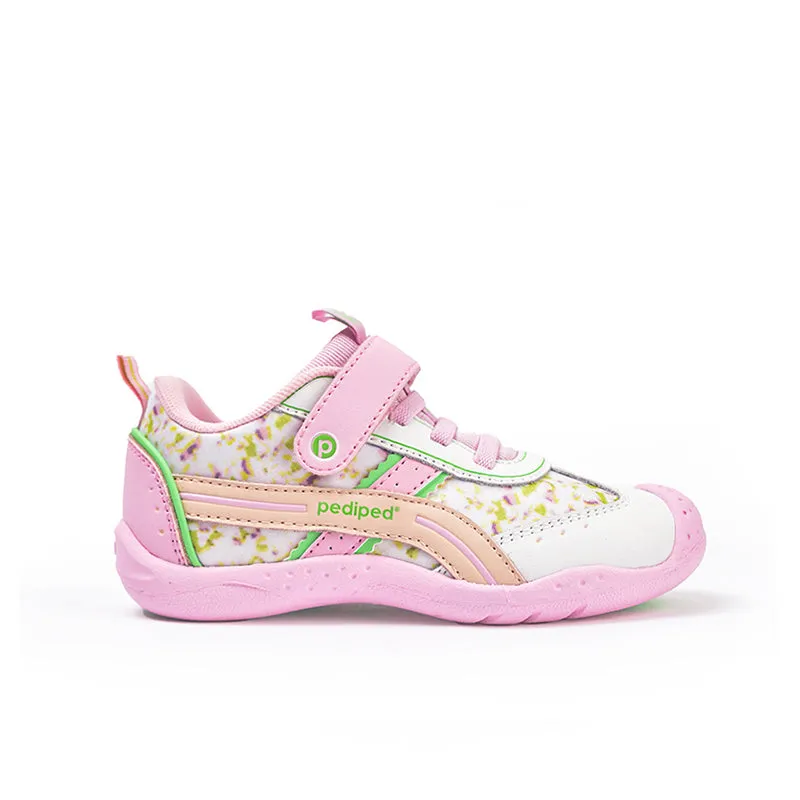
When walking becomes running, climbing, and jumping, shoes need a firmer sole and better support. toddler shoes and baby walking shoes handle this stage with more structure while keeping enough bend for everyday use.
For toddlers, we look for four things in every pair:
- A firm heel counter that does not collapse when you squeeze it
- A sole that bends at the toe but resists twisting in the middle
- A wide enough toe box for toes to splay
- Breathable uppers that survive sweat and the outdoors
Check the fit every few months during this stage, and always leave about a thumb’s width of room past the longest toe.
Sizing and Fit Checks for Pediped Shoes
Every child’s foot is different, so measure the foot against Pediped’s size chart or a printable sizing tool, and leave room to grow. If you are buying for a growing toddler, keep the half-size in mind.
- Measure both feet; they are rarely identical, so fit the larger one
- Fit shoes in the afternoon when feet are slightly swollen
- Break in new pairs gradually over a few short wears
- Watch for blisters or red marks, both signs the pair is too tight
When in doubt, sizing up is safer than sizing down, since a slightly roomy shoe still works in socks while a tight one does not.
Materials and Care Tips
Check each Pediped listing for the materials. Wipe leather uppers with a damp cloth, air them out between wears, and avoid the washing machine unless the label says otherwise. For canvas and knit styles, check the care label before any machine wash, and use a shoe bag if it allows one.
Keeping two pairs in rotation lets each one dry out fully between wears. A good cleaning routine also helps a pair pass from one child to the next.
Which Pair Fits Your Child?
The short answer is that the right Pediped matches your child’s walking stage, not their exact age. If they are not walking, choose soft and flexible. If they are cruising, look at the flexible infant range. Once they run, move to the sturdier toddler line.
Every child’s foot is different. Measure both feet (they are rarely identical) and fit the larger one, ideally in the afternoon when feet are slightly swollen. Leave about a thumb’s width past the longest toe, and check the fit every few months through the toddler years. When in doubt, going half a size up beats a too-tight pair, since roomy shoes still work with socks.
The Bottom Line on Pediped Stages
Every stage from newborn to toddler has a Pediped match, so switch styles as your child’s walking changes. Start flexible with infant shoes size 0 or newborn styles, move to the structured infant range as cruising begins, and finish on the sturdy toddler line once real walking takes over.
Questions
At what age does my baby need real shoes for the first time?
Wait until your baby starts walking outdoors before you buy structured shoes, and ask your pediatrician if you are unsure. Before that, soft-soled styles like infant shoes or infant slippers keep feet warm while still letting toes move and grip naturally.
How do I know if Pediped shoes fit my child properly?
Measure both feet and fit the larger one, then leave about a thumb's width of space past the longest toe. Fit them in the afternoon when feet are slightly swollen, and size up whenever the fit gets snug.
What is the difference between infant and toddler Pediped stages?
Infant styles have thinner, more flexible soles meant for cruising and first steps, while toddler shoes add a firmer sole and heel support for running and climbing. Choose based on walking level rather than age.
Can younger siblings wear hand-me-down Pediped shoes?
Yes, if the pair is still in good shape. Just check the sole tread for wear and confirm the heel counter is still firm, then clean and air them out before passing them on.
Should baby walking shoes be worn indoors or only outside?
Ask your pediatrician about bare feet indoors. Reserve baby walking shoes for outdoors and rougher surfaces where protection matters more than grip.
How often does a toddler outgrow Pediped shoes?
Check the fit every six to eight weeks for infants and every few months for toddlers, and size up when the thumb's-width gap closes.
Products in this guide
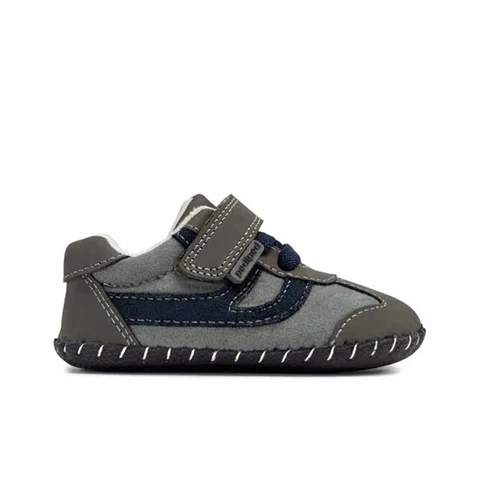
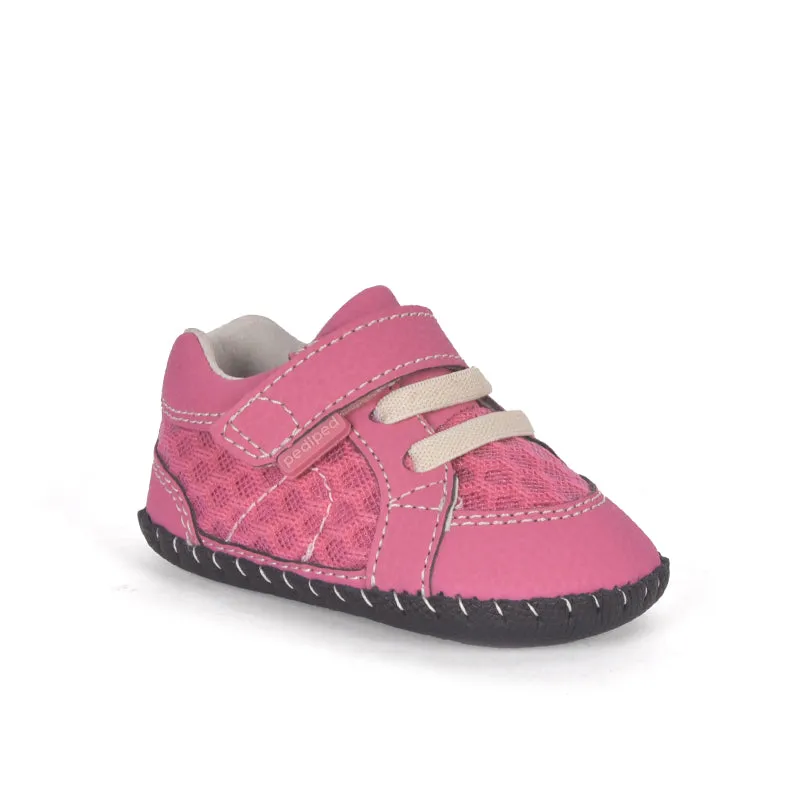 Shopping at Pediped? See the discount code
15% OFF All Orders
More in this series
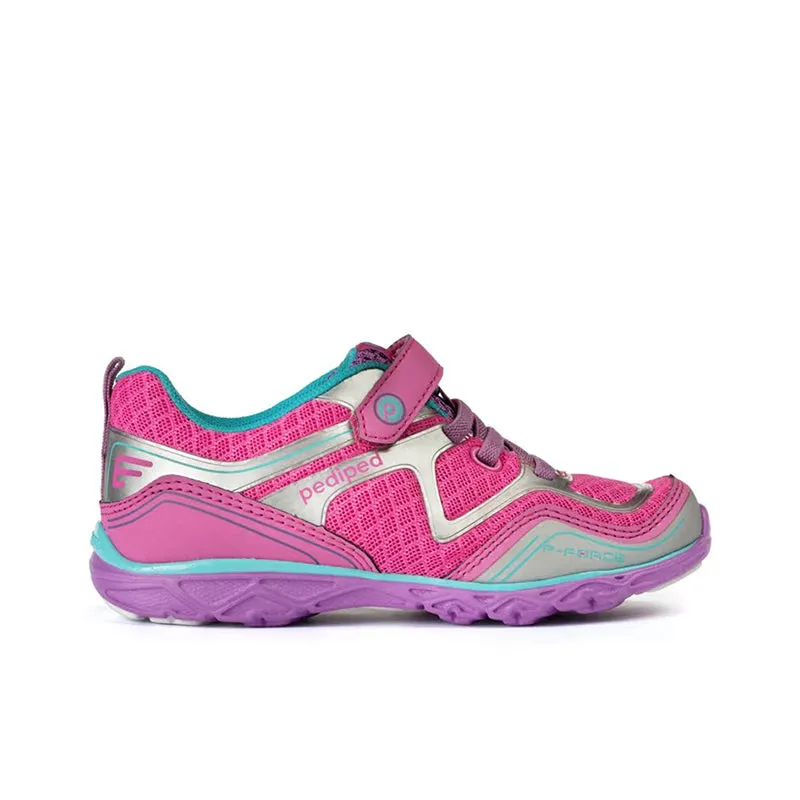 Do Pediped Sneakers Hold Up to Everyday Toddler Wear?22 Aug 20264 min
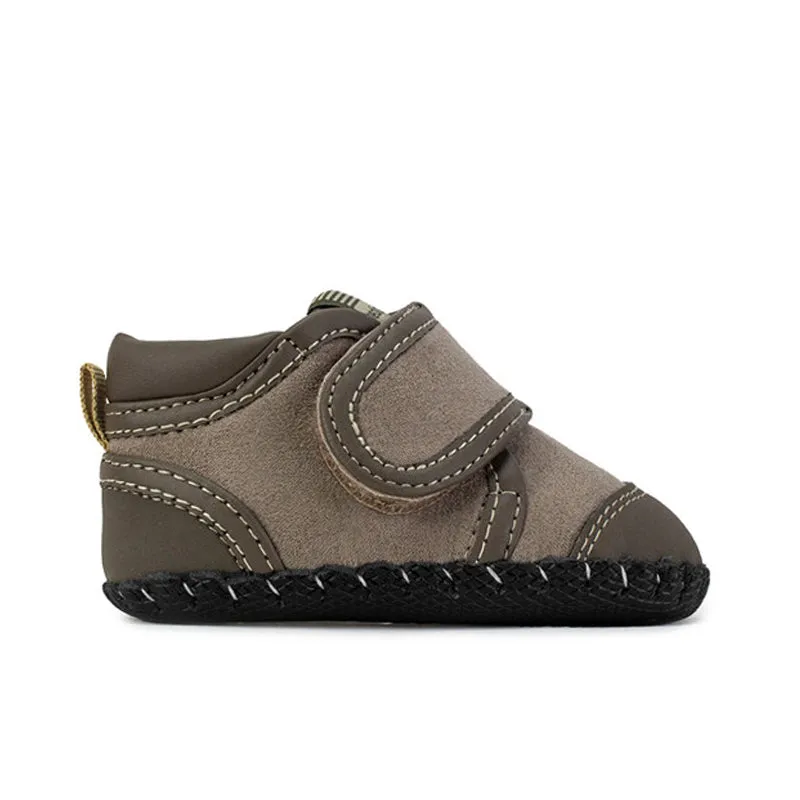 When to Move From Pediped Infant Shoes to Toddler Shoes22 Aug 20264 minPediped vs Other Kids Shoe Brands: 5 Things to Compare Before You Buy22 Aug 20263 minHow to Choose the Right Pediped Size for Your Baby or Toddler22 Aug 20264 minAre Pediped Toddler Shoes Good for New Walkers?22 Aug 20263 min