 A Vincita guide
What to Pack in Mini Panniers for Daily Commutes
Mini panniers work best for daily commutes when you pack strategically around the essentials: work gear, tools, weather protection, and snacks.
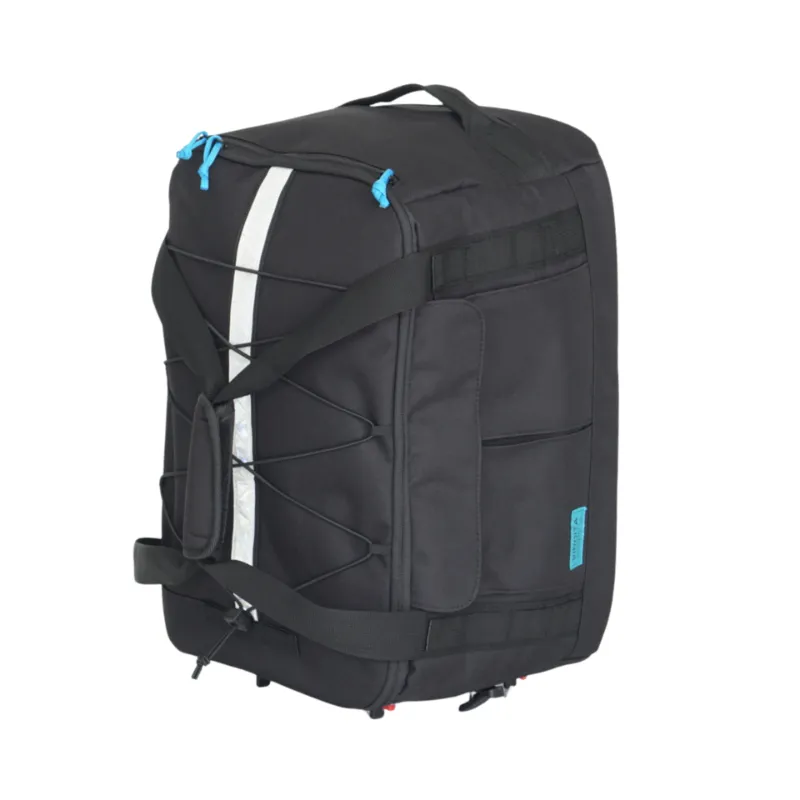
Mini panniers are designed for commuters who need just enough storage without the bulk of full-size bags. Pack work essentials, basic tools, a change layer, and snacks, keeping the load balanced and accessible. The right mix depends on your commute length, weather, and whether you shower at work, but most riders settle into a core kit that covers emergencies and daily needs.
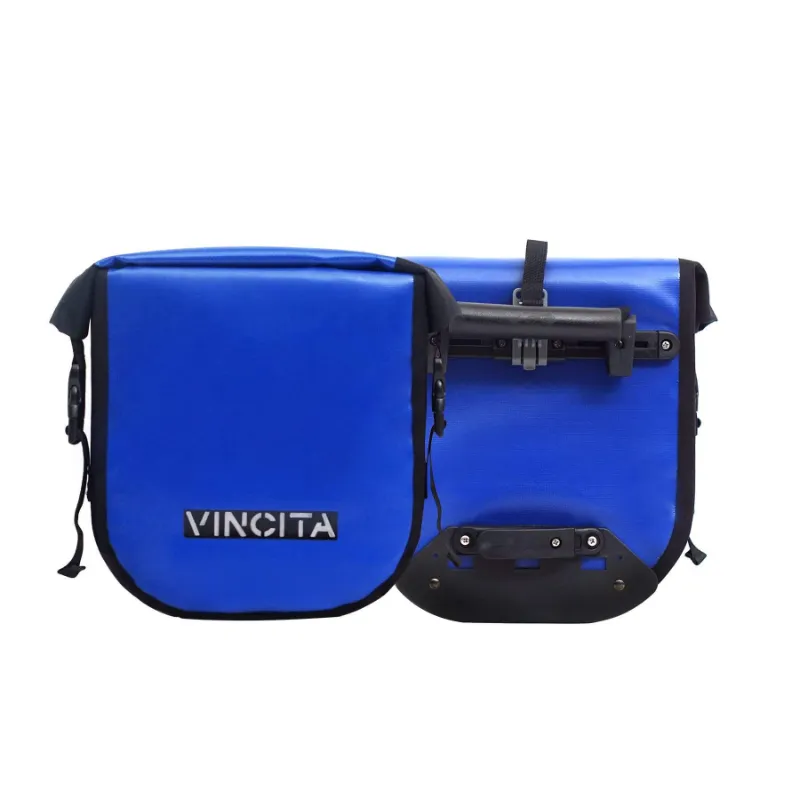
The key is treating your mini panniers like a capsule wardrobe: every item earns its spot. Over-packing adds weight and makes finding things harder, while under-packing leaves you stranded when a spoke breaks or rain hits.
Work Essentials and Electronics
Start with what you absolutely need at the office. A slim laptop or tablet goes in a padded sleeve, positioned flat against the pannier’s back panel so it doesn’t shift. Add a small pouch for chargers, cables, and earbuds to keep them from tangling with other gear.
If you carry documents or a notebook, a waterproof folder or ziplock bag protects them from condensation. Many commuters also pack:
- Wallet, keys, and work badge in an outer pocket for quick access
- Reusable water bottle in a side mesh pocket (if your panniers have one)
- Lunch in a soft cooler bag or bento box that fits the pannier’s depth
- A microfiber towel if you arrive sweaty and need to freshen up
For pricing on panniers that fit these essentials, check the latest Vincita offers before you buy.
Tools and Repair Kit for the Road
A flat tire or loose bolt will ruin your commute if you’re not prepared. Keep a minimal toolkit in every pannier: a multi-tool with hex keys, a spare tube, tire levers, and a mini pump or CO2 inflator. These fit in a small pouch and weigh almost nothing.
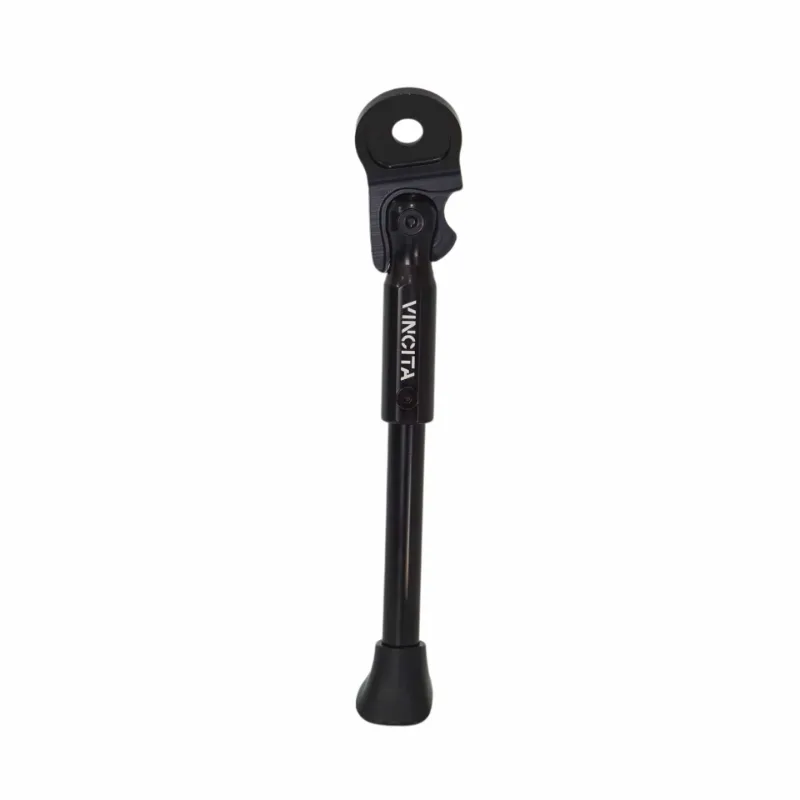
Add a giordano bike kickstand if your bike doesn’t have one, it makes roadside repairs much easier. Other useful additions include:
- A quick link for chain repairs
- A few zip ties and duct tape wrapped around a pencil
- A small LED light or headlamp for dark mornings or evenings
- A phone mount or backup battery if you rely on navigation apps
The bike handlebar cover isn’t a tool, but it keeps your bars clean and grippy in wet weather, which matters when you’re making quick stops.
Weather Layers and Visibility Gear
Weather changes fast, so it’s worth packing a packable rain jacket or vest. It rolls small and saves you from arriving soaked. A lightweight buff or neck gaiter adds warmth without taking up pannier real estate.
In winter, glove liners or a spare pair of socks can save a miserable ride home. In summer, sunscreen and lip balm go in a small toiletry pouch. Many commuters also carry:
- A high-vis vest or reflective band for low-light rides
- Arm or leg warmers that pack flat
- A cap or beanie that fits under your helmet
- Clear or tinted glasses for sun and debris protection
If you’re shopping for best mini panniers that handle weather gear well, look for models with external compression straps and waterproof zippers. Bikepacking-focused designs often balance capacity and weather sealing better than traditional commuter bags.
Food, Hydration, and Personal Items
Commuters burn calories, especially on longer routes or hilly terrain. Pack energy bars, trail mix, or a piece of fruit in a small stuff sack to keep crumbs contained. A collapsible water bottle or hydration bladder fits inside the pannier if you don’t have a frame cage.
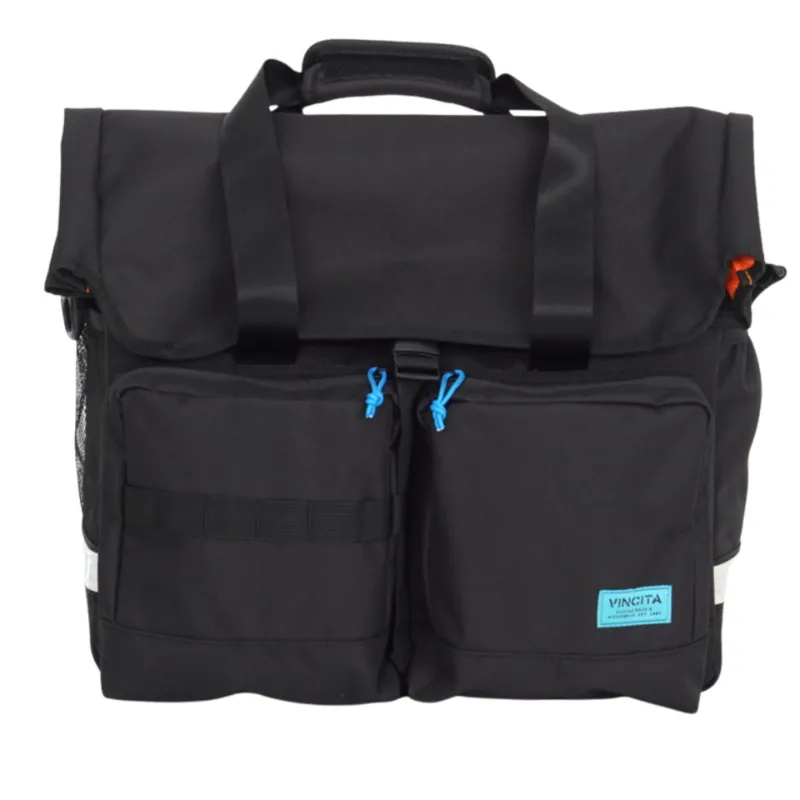
For personal care, a travel-size deodorant, hand sanitizer, and wet wipes go in a ziplock. If you change clothes at work, pack a folding bike bag or compression sack to store your cycling kit during the day. Some riders also bring:
- Spare contact lenses or glasses
- Pain relievers or allergy meds
- A small first-aid kit with bandages and antiseptic wipes
- A lock or cable if you leave your panniers on the bike
Comfort Upgrades and Accessories
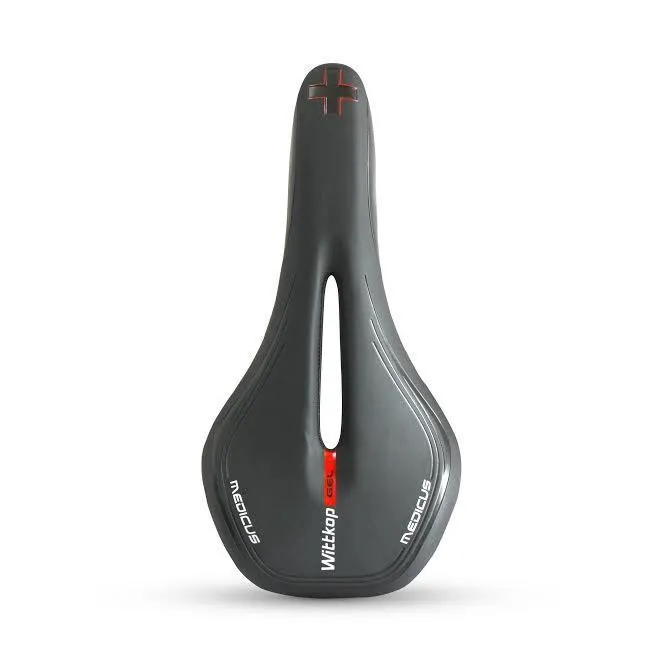
If your commute includes rough roads or long stretches, comfort accessories make a difference. A wittkop 5 zone bike seat improves ergonomics for riders who spend 30+ minutes in the saddle, and it’s worth the upgrade if stock saddles leave you sore.
We also recommend the t-bag.cc as a frame-mounted supplement when mini panniers alone don’t hold everything. It keeps heavier items low and centered, which improves bike handling. Other accessories that fit well in or alongside small panniers include:
- A bike handlebar cover for grip and bar protection
- A small dry bag for electronics or valuables
- Bungee cords or voile straps for attaching a jacket or extra layer on top
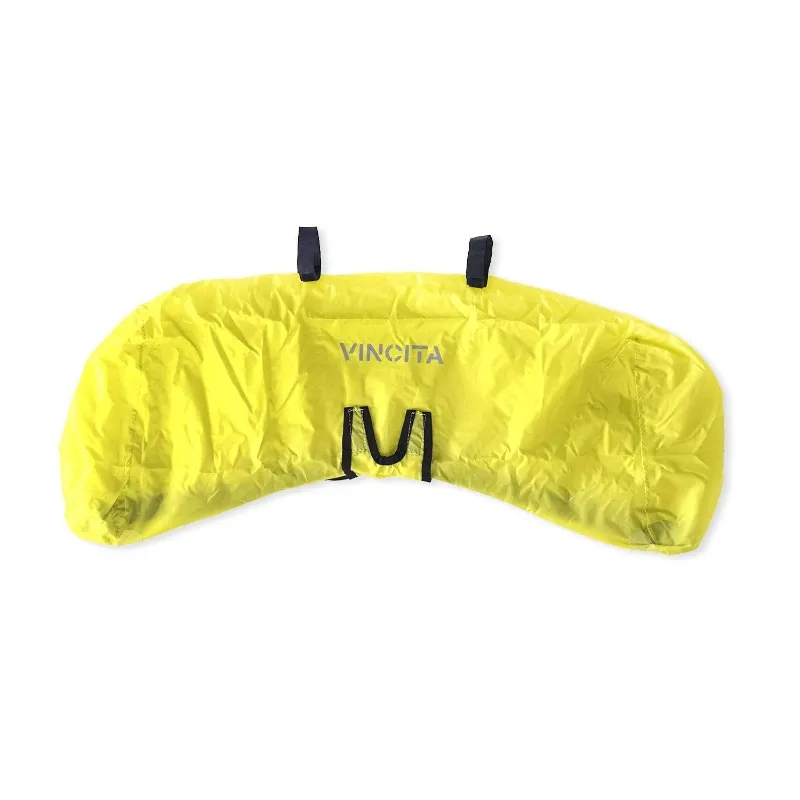
- A pannier rain cover if your bags aren’t fully waterproof
Cycling UK’s group test breaks down which small panniers offer the best value for commuters.
Organizing Your Mini Pannier System
The best packing strategy uses pouches and stuff sacks to create zones inside your pannier. Assign one pouch to tools, another to food, and a third to personal items. This keeps everything findable and prevents the “black hole” effect where small items sink to the bottom.
Pack heavier items low and close to the bike’s centerline for better balance. Lightweight layers and soft goods go on top where they compress easily. If you’re running mini panniers bikepacking style with additional frame or seat bags, coordinate your packing so frequently used items stay in the panniers and overnight or emergency gear goes elsewhere.
Many commuters empty and repack their panniers weekly to remove trash, check for wear, and rotate seasonal items. Consider a full audit every month, especially before winter or summer when clothing and tool needs shift.
Before you finalize your setup, grab the current discount code to save on panniers and accessories from Vincita.
Matching Pannier Size to Commute Length
Short commutes under 30 minutes need less cargo space. A pair of mini panniers or even a single bag handles your laptop, a snack, and a basic tool kit. For rides over an hour, especially with elevation or variable weather, you’ll want panniers on both sides or a supplemental folding bike bag to distribute weight evenly.
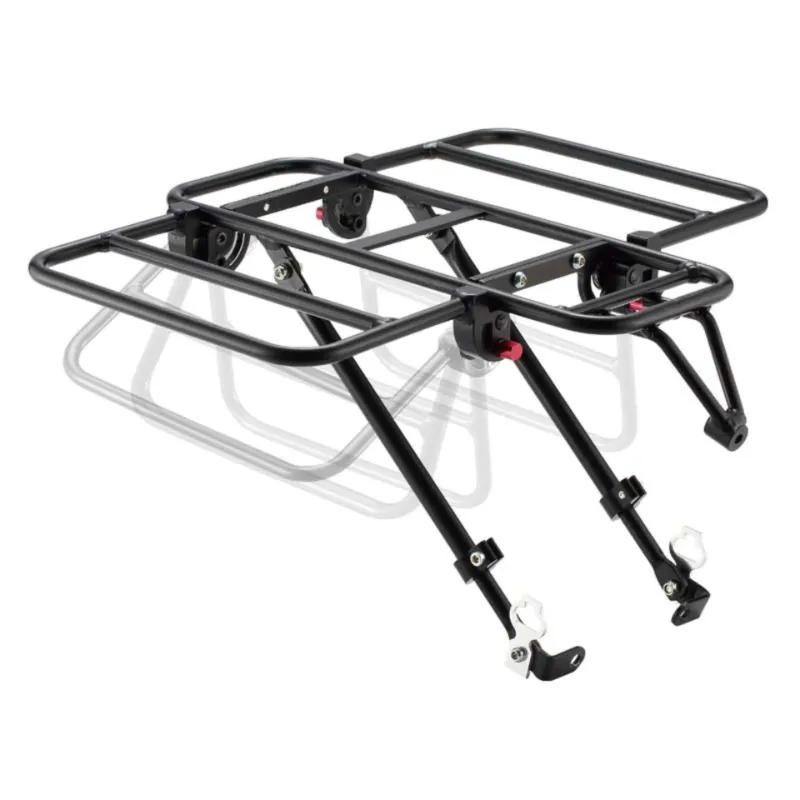
If your commute includes errands or grocery stops, consider a folding cycle carrier to expand capacity without permanently adding bulk.
The goal is to pack what you actually use, test the setup on a weekend ride, and adjust before you’re stuck fumbling for a tool in rush-hour traffic. Your commute kit will evolve, but starting with these essentials keeps you prepared without overloading your bike.
Questions
What should I keep in mini panniers every day?
Pack a multi-tool, spare tube, tire levers, rain jacket, snack, and any work essentials like your laptop or documents. These cover emergencies and daily needs without overloading your bags.
Are mini panniers big enough for a laptop and lunch?
Yes, most mini panniers fit a 13 to 15-inch laptop in a sleeve plus a compact lunch container. Position the laptop flat against the back panel and pack soft items like food on top.
How do I keep tools from rattling in my pannier?
Use a small zippered pouch or tool roll to group your multi-tool, tire levers, and spare tube. This keeps metal parts from clanging and prevents them from poking through the fabric.
Do I need waterproof panniers for commuting?
Waterproof or water-resistant panniers protect electronics and documents in unexpected rain. If your bags aren't fully sealed, pack valuables in a dry bag or ziplock as backup.
Can I use mini panniers for bikepacking trips?
Mini panniers work for overnight or ultralight bikepacking when paired with frame and seat bags. They're best for riders who want rear storage without the bulk of full-size touring panniers.
What's the best way to organize a small pannier?
Use separate pouches for tools, food, and personal items so nothing gets lost at the bottom. Pack heavier items low and close to the bike's center for better balance.
Products in this guide
 Shopping at Vincita? See the discount code
10% OFF All Orders
Shopping at Vincita? See the discount code
10% OFF All Orders
More in this series
Bike Handlebar Covers: When You Need Them and How to Install19 Aug 20265 minHow Does the Wittkop 5-Zone Bike Seat Work?19 Aug 20264 minGiordano Bike Kickstand Installation and Compatibility Guide19 Aug 20266 minDo Folding Bike Bags Protect Your Frame During Travel?19 Aug 20265 minHow to Choose the Right Bike Seat: Wittkop 5-Zone vs Standard Saddles19 Aug 20264 min