 A Vincita guide
Bike Handlebar Covers: When You Need Them and How to Install
A bike handlebar cover shields your grips from rain, cold, and wear while improving comfort on long rides and commutes.
A bike handlebar cover shields your grips from rain, cold, and wear while improving comfort on long rides and commutes. Whether you need weather protection for winter cycling or simply want to extend the life of worn grips, a handlebar cover offers a practical, affordable solution.
When You Actually Need a Bike Handlebar Cover
Not every rider needs a handlebar cover, but specific scenarios make them essential. If you commute year-round in wet or freezing climates, a waterproof handlebar cover keeps your hands dry and prevents the numb, painful grip that comes with cold metal or soaked foam.
Handlebar covers also extend the life of expensive grips. If your bike handlebar grips are cracking or sticky but still functional underneath, a cover adds 6 to 12 months of usable life. Touring cyclists and bike-packers often use covers to protect new grips from UV damage and abrasion during multi-day trips. For current pricing on handlebar covers and accessories, check the latest offers before you order.
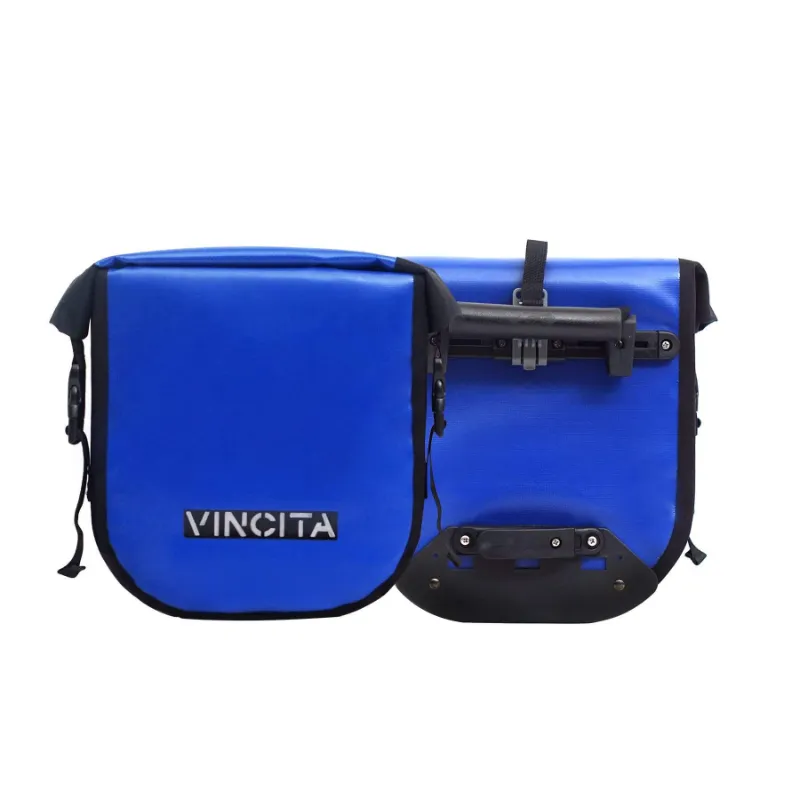
Winter riders benefit from insulated covers that trap warmth around the grip. A bike handle cover for winter typically includes neoprene or fleece lining, letting you ride with lighter gloves or even bare hands in moderate cold. This is particularly useful if you already carry gear in mini panniers and want to avoid bulky pogies or bar mitts.
Materials That Work for Rain and Road Riding
The material you choose determines durability and weather resistance. Here is how the most common options compare:
| Material | Best For | Weather Resistance |
|---|---|---|
| Neoprene | Winter insulation, grip | Excellent water resistance |
| Silicone | Road bikes, lightweight grip | Moderate, dries fast |
| PVC/Vinyl | Budget rain protection | Good, but can crack in cold |
| Foam-backed fabric | Commuting, all-season | Varies by outer layer |
Neoprene covers dominate the winter and wet-weather market. The material also insulates without adding bulk, so your hands stay warm without sacrificing steering precision.
For road bike handlebar cover applications, silicone offers the best balance of weight and grip. Road riders prioritize thin profiles that do not interfere with brake-lever reach or shifter access. Silicone covers stretch over drop bars and stay secure at high speeds, though they provide minimal cold protection.
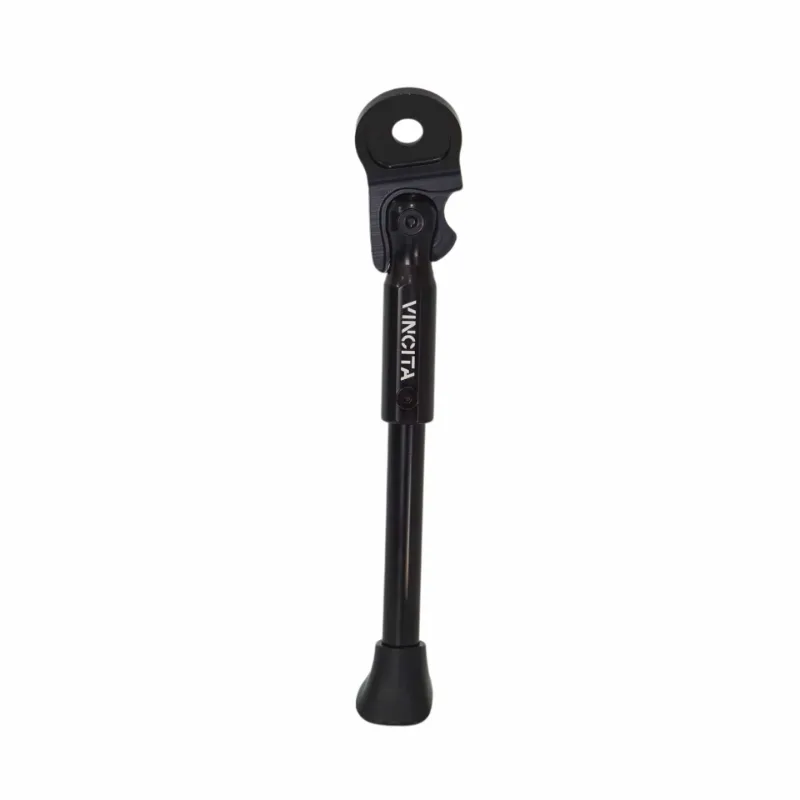
PVC covers cost less but trade durability for price. They work for occasional rain commutes, but expect cracking after a season of freeze-thaw cycles. If you are upgrading other components like a giordano bike kickstand or a wittkop 5 zone bike seat, investing a bit more in a neoprene cover makes sense for long-term value.
How to Install a Handlebar Cover in Five Minutes
Installing a handlebar cover takes less time than adjusting your saddle. You will need the cover, rubbing alcohol or soapy water, and optionally a hairdryer for stubborn fits.
Step-by-step installation:
- Clean the handlebars: Wipe down grips and bar ends with rubbing alcohol to remove oils and dirt. A clean surface prevents slipping.
- Lubricate if needed: Spray soapy water inside the cover or on the grip. This lets the cover slide on easily and evaporates within an hour to lock it in place.
- Start at one end: For straight bars, begin at the bar end and roll the cover toward the stem. For drop bars, start at the hood and work outward.
- Stretch evenly: Pull the cover taut as you roll to avoid bunching. If it resists, use a hairdryer on low heat to soften the material for 10 seconds.
- Trim excess: Most covers include extra length. Cut carefully with scissors, leaving 5 mm overlap at each end to prevent peeling.
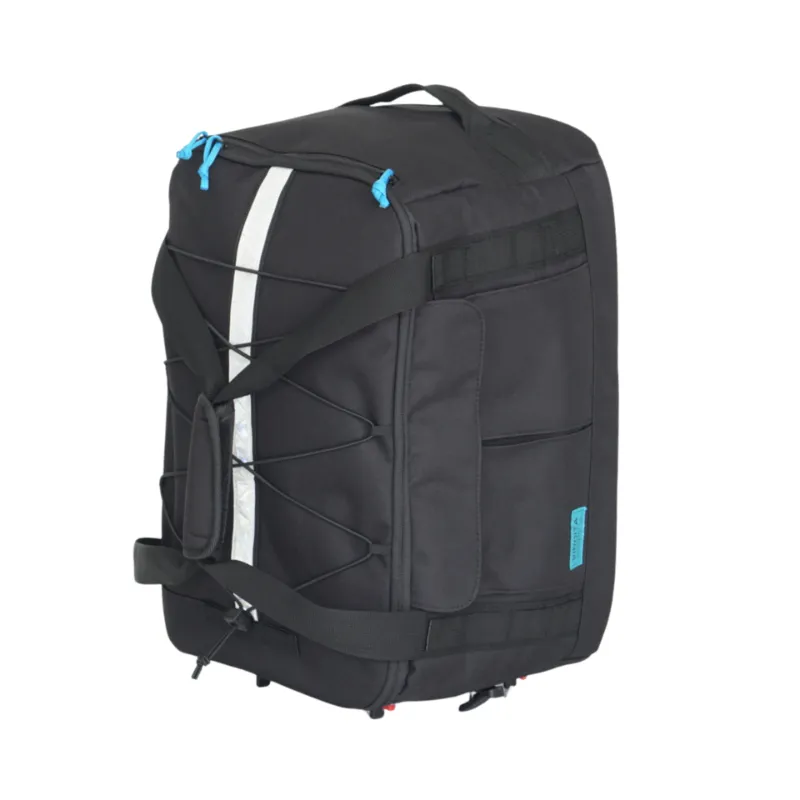
If your cover includes a Velcro or snap closure, secure it after the material has dried and settled for 30 minutes. Some riders add a zip tie at each end for extra security, especially when carrying weight in a t-bag.cc or other handlebar-mounted bags.
Choosing Between Bar Tape, Grips, and Covers
Handlebar covers are not the only option for comfort and protection, so here is when each solution works best.
Bar tape suits road and gravel bikes with drop bars. It offers custom thickness and color but requires rewrapping every season and offers zero weather protection. If you want rain defense on drop bars, layer a waterproof handlebar cover over your tape.
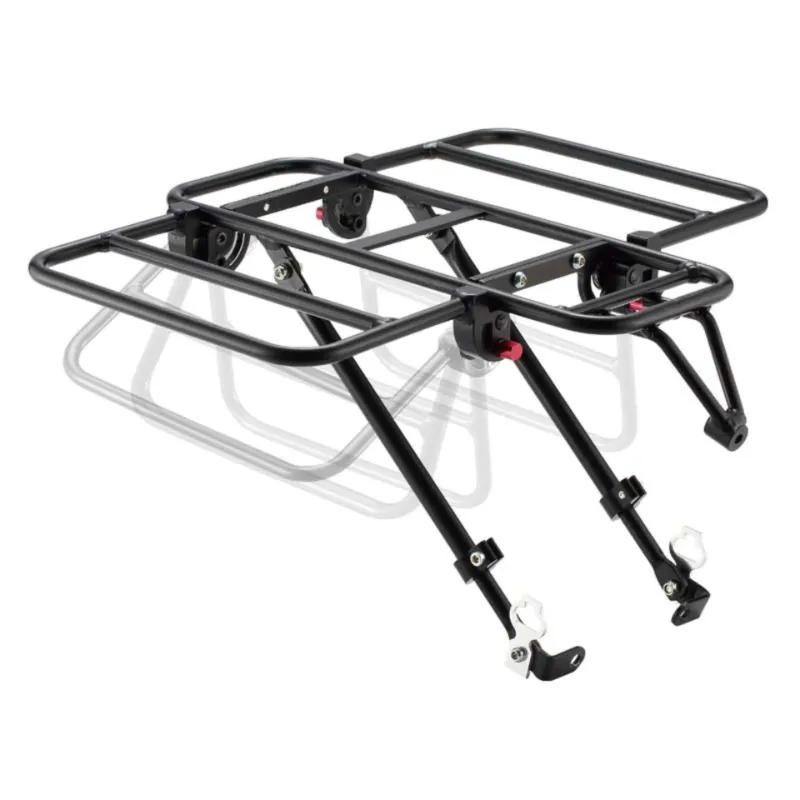
Replacement grips make sense when your current grips are beyond saving or you want a permanent upgrade in ergonomics. Grips cost more than covers and require removing bar-end plugs, brake levers, or shifters on some bikes. We recommend grips if you are already overhauling your cockpit or adding accessories like a folding cycle carrier.
Covers win for temporary protection, seasonal use, and budget repairs. They install in minutes, cost a fraction of new grips, and pull off cleanly when conditions change. A quality bike handlebar cover pays for itself in one winter if it saves a $30 pair of grips.
Some riders combine solutions. Touring cyclists wrap bar tape for everyday comfort, then add neoprene covers during rain or cold snaps. Commuters keep a set of covers in their bag alongside a folding bike bag for weather that turns unexpectedly.
Who Benefits Most from Handlebar Covers
Year-round commuters top the list. If you ride in rain, snow, or freezing temperatures more than twice a week, a handlebar cover becomes essential safety gear. Wet grips reduce braking control, and numb hands slow reaction time. A waterproof cover solves both problems for less than the cost of a single bike tune-up. Grab the code for 10% off when you order.
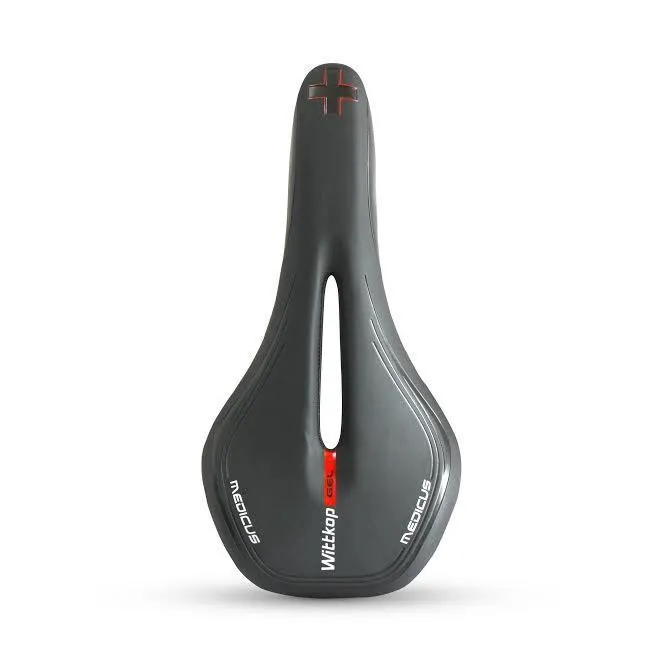
Bike-packers and touring riders use covers to protect gear during multi-day trips. Handlebar bags and accessories take a beating from sun, rain, and trail debris. Adding a cover to your bars prevents grip degradation and gives you one less component to replace mid-tour. Pair it with a wittkop 5-zone saddle for all-day comfort on long hauls.
Casual riders benefit when they want to refresh a bike without major expense. If your grips still cushion well but look worn, a cover gives your bike a cleaner appearance and adds a layer of padding. It is a fast, reversible upgrade that does not require mechanical skills.
Winter cyclists who refuse to stop riding when temperatures drop rely on insulated covers to extend their season. A bike handle cover for winter paired with mid-weight gloves beats bulky pogies for riders who prioritize nimble handling and quick dismounts.
Maintenance and When to Replace
Handlebar covers last one to three seasons depending on material and use. Inspect yours every few months for cracks, tears, or loose edges. Neoprene covers tolerate the most abuse, while PVC options show wear faster in UV exposure.
Cleaning tips:
- Wipe neoprene and silicone covers with damp cloth and mild soap after muddy or salty rides
- Avoid harsh solvents that degrade adhesive or material
- Air-dry completely before storing your bike indoors
Replace a cover when it no longer stays secure, develops holes, or stops shedding water. A cover that bunches or rotates under your hands is a safety risk and should come off immediately. Most riders replace covers annually if they commute daily, or every two years for recreational use.
Store spare covers flat or rolled loosely, never folded sharply. Creases become weak points that tear under tension during installation. Keep them in a dry space away from direct sunlight.
If you are upgrading other components like a wittkop bike seat or adding new storage, inspect your handlebar cover at the same time. Consistent maintenance across your bike prevents small issues from becoming ride-ending failures.
Questions
Can I use a bike handlebar cover over my existing grips?
Yes, most handlebar covers are designed to stretch over your current grips. Clean and dry the grips first, then use soapy water as a lubricant to slide the cover on smoothly. It will lock in place once the water evaporates.
Do handlebar covers work on drop bars for road bikes?
They do, but you need a cover specifically designed for drop bars or a highly stretchable material like silicone. Flat-bar covers will not navigate the curves properly and may bunch or slip during rides.
How long does a waterproof handlebar cover last in heavy rain?
A quality neoprene cover with sealed seams lasts one to three seasons of regular wet-weather commuting. PVC covers are cheaper but may crack or lose water resistance after six months of frequent rain exposure.
Will a winter handlebar cover fit over thick foam grips?
Most covers accommodate standard foam grips, but very thick or oversized grips may prevent a secure fit. Measure your grip diameter before ordering, and choose a cover with stretch fabric or adjustable closures if your grips exceed 32 mm diameter.
Can I leave a handlebar cover on year-round?
You can, but covers designed for rain or winter often trap heat in summer and may degrade faster in constant UV exposure. Many riders remove covers in warm, dry months to extend their lifespan and improve ventilation.
Do I need to remove brake levers or shifters to install a handlebar cover?
No, handlebar covers slide over the grips without requiring you to remove levers, shifters, or bar-end plugs. This makes installation quick and fully reversible, unlike replacing grips or rewrapping bar tape.
Products in this guide
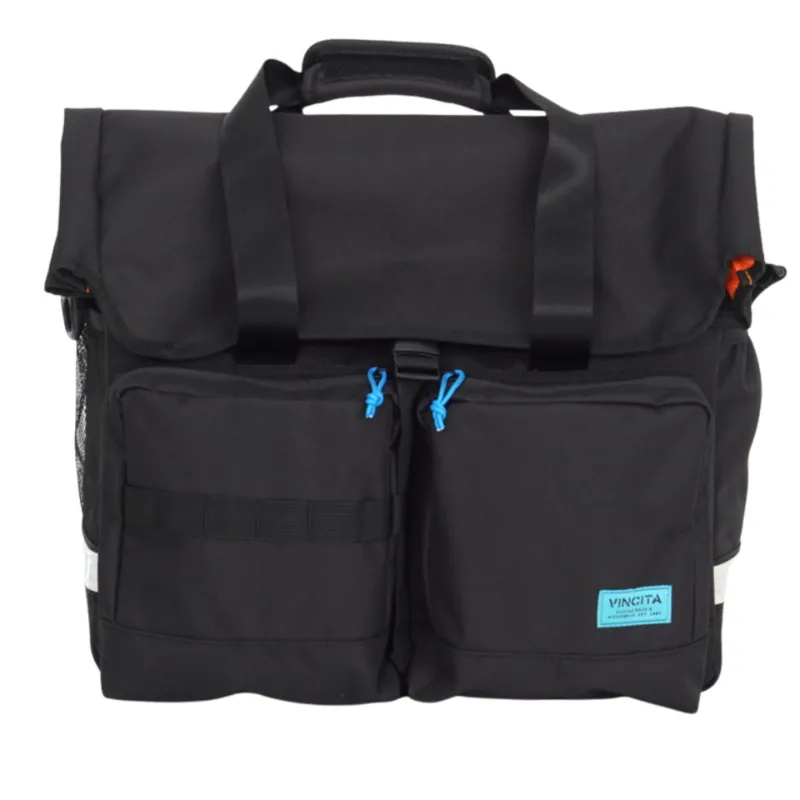
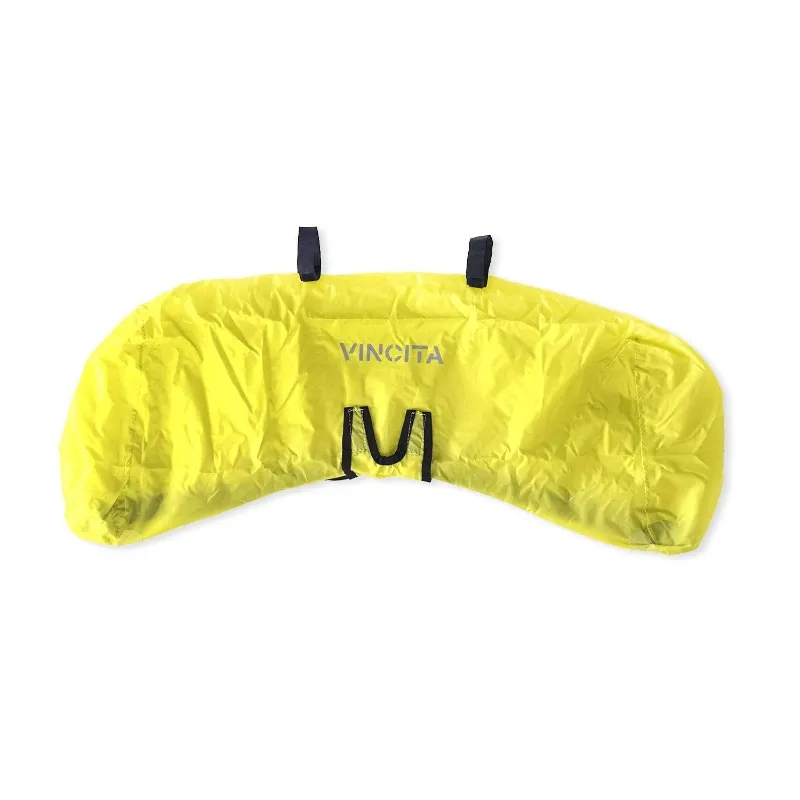 Shopping at Vincita? See the discount code
10% OFF All Orders
Shopping at Vincita? See the discount code
10% OFF All Orders
More in this series
How Does the Wittkop 5-Zone Bike Seat Work?19 Aug 20264 minWhat to Pack in Mini Panniers for Daily Commutes19 Aug 20265 minGiordano Bike Kickstand Installation and Compatibility Guide19 Aug 20266 minDo Folding Bike Bags Protect Your Frame During Travel?19 Aug 20265 minHow to Choose the Right Bike Seat: Wittkop 5-Zone vs Standard Saddles19 Aug 20264 min