 A Vincita guide
Giordano Bike Kickstand Installation and Compatibility Guide
A giordano bike kickstand gives your bike stable parking anywhere, and installation takes just 10 minutes with the right mount check.
What You Need to Know About the Giordano Bike Kickstand
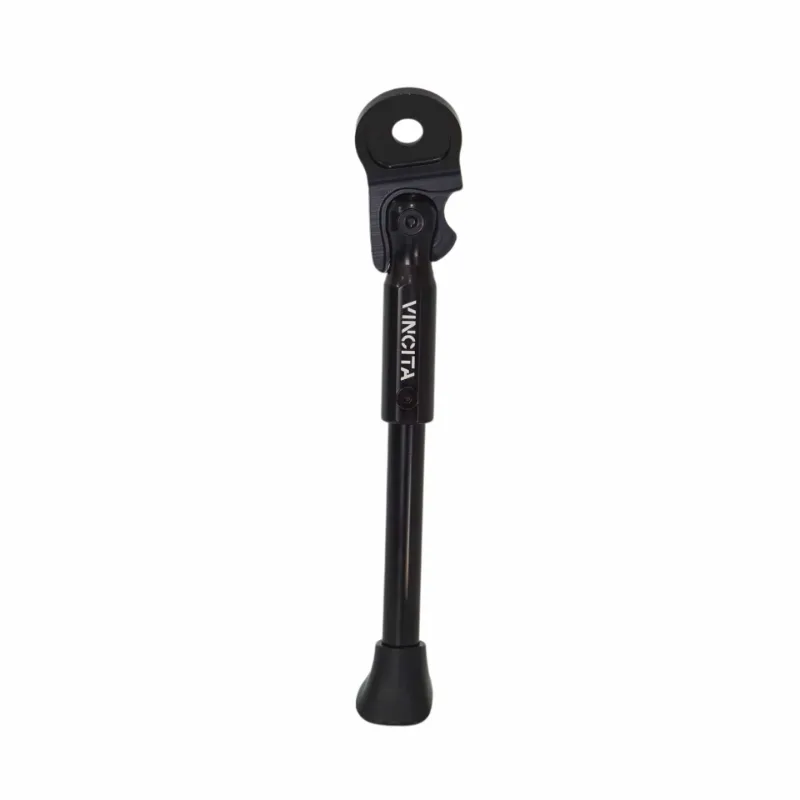
The giordano bike kickstand fits most adult bikes with chainstay or rear-axle mounting points and installs in under 15 minutes with a hex wrench. Giordano designs their kickstands for everyday commuters, hybrid bikes, and touring setups where you need quick, stable parking without leaning your bike against walls or laying it on the ground. Before you buy, confirm your frame has either a chainstay plate with pre-drilled holes or clearance for a clamp-style mount near the bottom bracket.
This guide walks you through installation steps, compatibility checks, and adjustments so your bike stands upright every time.
Check Your Frame Mount Compatibility First
Not every bike frame accepts every kickstand design. Most Giordano bikes ship with chainstay mounting plates, but aftermarket frames vary.
Chainstay plate mounts are the most common. Look for a small metal plate with two threaded holes on the left chainstay, near the bottom bracket. The giordano bike kickstand bolts directly to this plate with M5 or M6 screws. If your frame has this plate, installation is straightforward.
Rear-axle mounts clamp between the rear dropout and the axle nut or quick-release skewer. These work on frames without chainstay plates but add bulk near the wheel. Measure the dropout spacing (typically 130 mm for road bikes, 135 mm for mountain bikes) to ensure the kickstand bracket fits.
Clamp-style mounts wrap around the chainstay tube itself and tighten with a bolt. Use these only if your frame lacks a plate and you prefer not to modify the rear axle. Check that your chainstay diameter matches the clamp (usually 16 to 20 mm).
Carbon fiber and some aluminum frames prohibit kickstands entirely because clamping pressure can damage the tube. Always check your frame manufacturer’s guidelines before drilling or clamping.
Step-by-Step Installation for Chainstay Mounts
We recommend chainstay plate installation for the cleanest look and strongest hold. Gather a 4 mm or 5 mm hex wrench, the kickstand hardware pack, and a ruler.
- Position the kickstand bracket on the left chainstay plate with the kickstand leg pointing toward the rear wheel. The bracket should sit flush against the frame.
- Thread the bolts through the bracket and into the chainstay plate. Hand-tighten first to check alignment.
- Adjust the leg angle so the kickstand extends straight down when deployed. Most models let you rotate the bracket slightly before final tightening.
- Torque the bolts to 8-10 Nm (or snug with a hand wrench). Over-tightening can strip aluminum threads.
- Test the kickstand by deploying it on level ground. The bike should lean 5 to 10 degrees from vertical and stay stable when you release the handlebars.
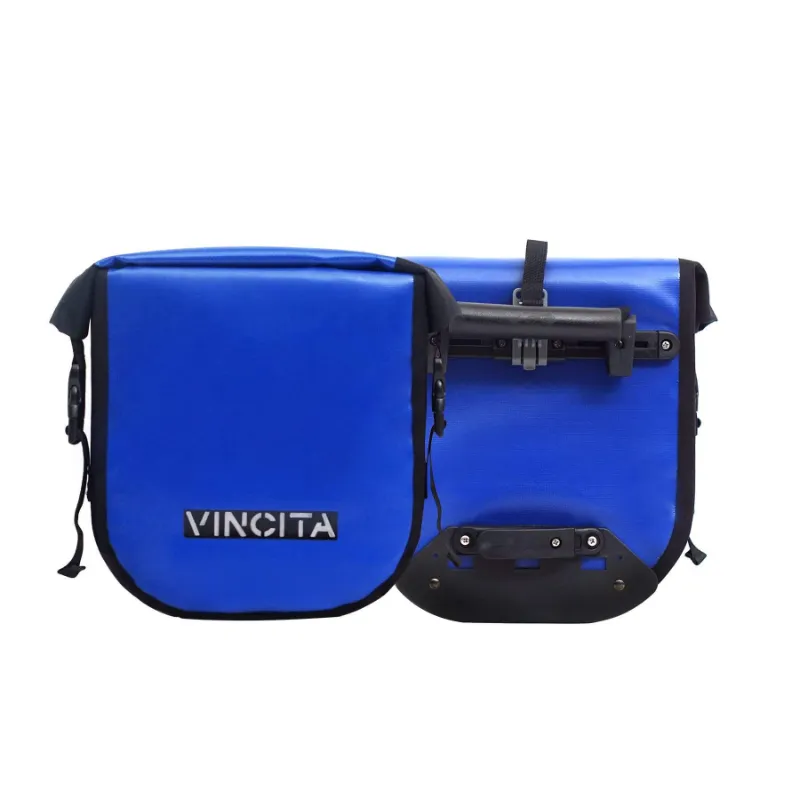
If your bike feels tippy, adjust the kickstand length (see next section). For deeper builds that include cargo accessories like mini panniers or a folding bike bag, you may need a longer leg to compensate for added weight.
Adjust Length and Angle for Stable Parking
Kickstand length determines how far your bike leans when parked. Too short and the bike tips over; too long and it stands too upright, making it vulnerable to wind.
Most giordano bike kickstand models have an adjustable foot that threads in or out. Loosen the foot locknut with a 10 mm wrench, extend or retract the foot by rotating it, then re-tighten the locknut. Aim for a 5 to 10 degree lean measured from vertical.
Surface type also matters. On soft ground or grass, the kickstand foot sinks and the bike leans farther. Some riders add a wider foot plate (available aftermarket) to spread the load. On concrete or asphalt, the stock foot works fine.
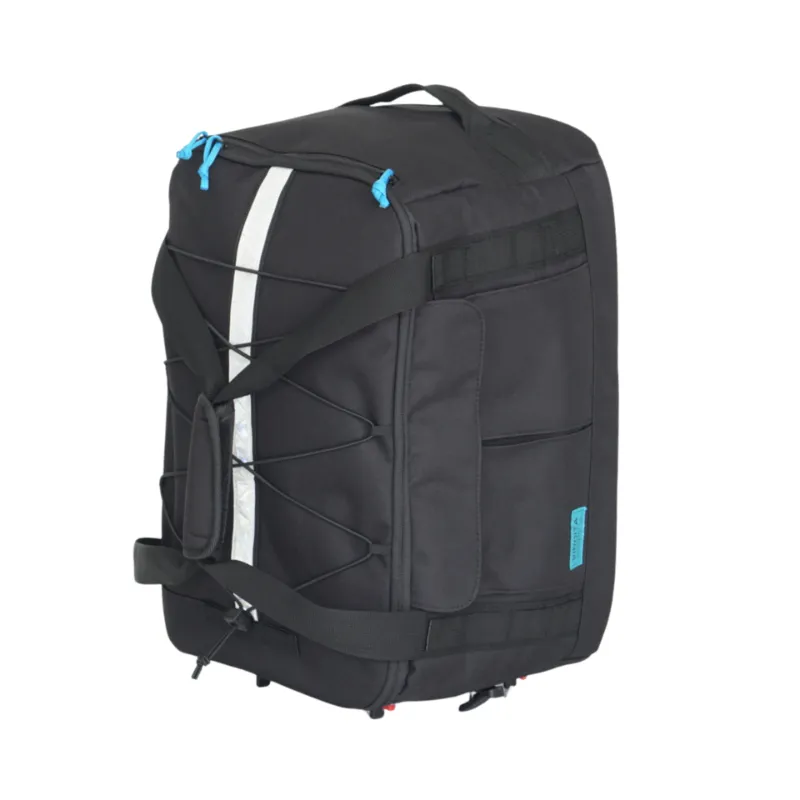
Load distribution shifts when you add racks or bags. If you carry a t-bag.cc or bike handlebar cover, the extra front or rear weight may require a longer kickstand leg or a dual-leg (center) kickstand instead. Test stability with your typical cargo load before committing to a final length.
For current pricing and compatibility details, check the latest options on our store page.
Materials and Durability Across Riding Conditions
Giordano kickstands use aluminum alloy or steel construction. Aluminum models weigh 150 to 200 grams and resist corrosion, making them ideal for commuters in wet climates. Steel versions weigh 250 to 350 grams but offer higher load capacity for touring bikes or e-bikes.
Spring mechanism quality determines how smoothly the kickstand deploys and retracts. Stainless steel springs last longer than plated steel, especially in coastal or winter environments where salt accelerates rust.
Foot material is usually rubber or hard plastic. Rubber grips better on smooth surfaces but wears faster. Hard plastic lasts longer but can slip on polished floors. Replace the foot when the tread wears flat.
If you ride in all weather, apply a drop of dry lube to the pivot bolt every few months to keep the kickstand swinging freely. Avoid wet lube, which attracts dirt and gums up the spring.
Compatibility with Cargo and Accessory Setups
Adding racks, seats, or bags changes your bike’s center of gravity and may require kickstand adjustments or upgrades.
- Rear racks and panniers: A loaded rack shifts weight backward. If you regularly carry mini panniers or a rear bag, extend the kickstand leg by 10 to 15 mm or switch to a center kickstand that supports the bike from the middle rather than the side.
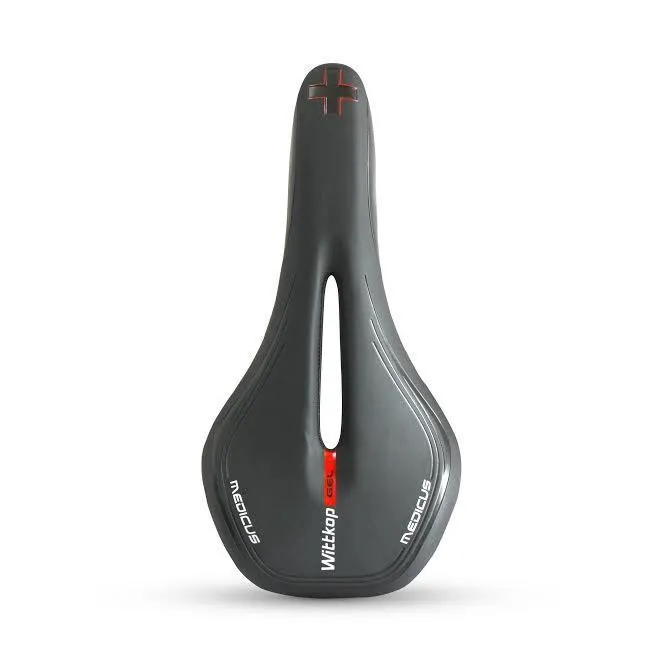
- Child seats: A wittkop 5 zone bike seat or wittkop bike seat adds 10 to 15 kg when occupied. Side kickstands often fail under this load. Use a dual-leg center kickstand rated for at least 40 kg total bike-plus-rider weight.
- Front bags: A handlebar bag or bike handlebar cover pulls the front wheel off the ground if the kickstand is too short. Lengthen the leg so the bike leans slightly rearward.
- Folding carriers: If you use a folding cycle carrier to transport your bike, verify the kickstand doesn’t interfere with the carrier’s frame clamps. Some carriers require you to fold or remove the kickstand before loading.
Liv Cycling notes that kickstands rated for at least 25 kg bike weight handle most commuter setups, but always check the manufacturer’s spec sheet for your specific model.
When to Choose a Different Kickstand Style
The giordano bike kickstand is a single-leg side mount, which works for most commuters and recreational riders. However, some scenarios call for a different design.
Center (dual-leg) kickstands mount to the bottom bracket and lift the rear wheel off the ground. These provide rock-solid stability for heavy cargo, child seats, or workshop maintenance. They weigh more (400 to 600 grams) and cost more, but they won’t tip over when you load groceries.
Adjustable-length kickstands let you swap between bikes or change length on the fly. Useful if you share one kickstand across multiple frames or frequently switch between a folding bike bag setup and a bare-frame ride.
Clamp-on models suit rental fleets or temporary installations. They mount without tools and leave no permanent marks, but they’re less secure than bolt-on designs.
For everyday commuting on a standard hybrid or road bike, the giordano bike kickstand offers the best balance of weight, cost, and stability. Grab the code to save 10% on your order and pair it with other essentials like a wittkop 5-zone saddle for long-distance comfort.
Maintenance and Troubleshooting Tips
Kickstands are low-maintenance, but a few common issues crop up over time.
Loose mounting bolts cause the kickstand to rotate or rattle. Re-torque the chainstay bolts to 8-10 Nm every few months, especially if you ride on rough roads.
Sticky deployment usually means dirt in the pivot or a corroded spring. Wipe the pivot clean, apply dry lube, and cycle the kickstand a dozen times to work the lube in.
Bent leg from a fall or collision. Aluminum legs bend permanently; steel legs can sometimes be straightened with a vise and mallet. If the bend is severe, replace the kickstand rather than risk sudden failure.
Worn foot reduces grip and lets the bike slide on smooth surfaces. Replace the rubber foot when the tread is flush with the plastic core.
Store your bike indoors when possible to extend kickstand life. If you must leave it outside, a thin coat of frame wax on the kickstand hardware prevents corrosion and keeps the finish looking clean.
Questions
Does the giordano bike kickstand fit road bikes with narrow chainstays?
It fits road bikes that have a chainstay mounting plate with pre-drilled holes. Measure your chainstay width to confirm the bracket clears your crankset and rear tire. Frames without a plate require a clamp-style or rear-axle kickstand instead.
Can I install a kickstand on a carbon fiber frame?
Most carbon frames prohibit kickstands because clamping or drilling can crack the tube. Check your frame manufacturer's guidelines. If kickstands are banned, use a portable stick-style stand or lean your bike against a wall.
How do I stop my bike from tipping over when the kickstand is down?
Extend the kickstand leg so the bike leans 5 to 10 degrees from vertical. If you carry heavy bags or a child seat, switch to a dual-leg center kickstand rated for higher weight.
What tools do I need to install a chainstay-mount kickstand?
You need a 4 mm or 5 mm hex wrench and the mounting bolts included with the kickstand. Installation takes 10 to 15 minutes. A torque wrench helps avoid over-tightening, but hand-tight is usually sufficient for aluminum chainstays.
Will a side kickstand work with rear panniers or cargo racks?
Yes, but you may need to extend the kickstand leg by 10 to 15 mm to keep the bike stable under load. Test stability with your typical cargo weight before riding. For very heavy loads, a center kickstand provides better support.
How often should I lubricate the kickstand pivot?
Apply a drop of dry lube every two to three months if you ride daily, or whenever the kickstand feels stiff. Wipe off excess to prevent dirt buildup. Avoid wet lube, which attracts grime and clogs the spring mechanism.
Products in this guide
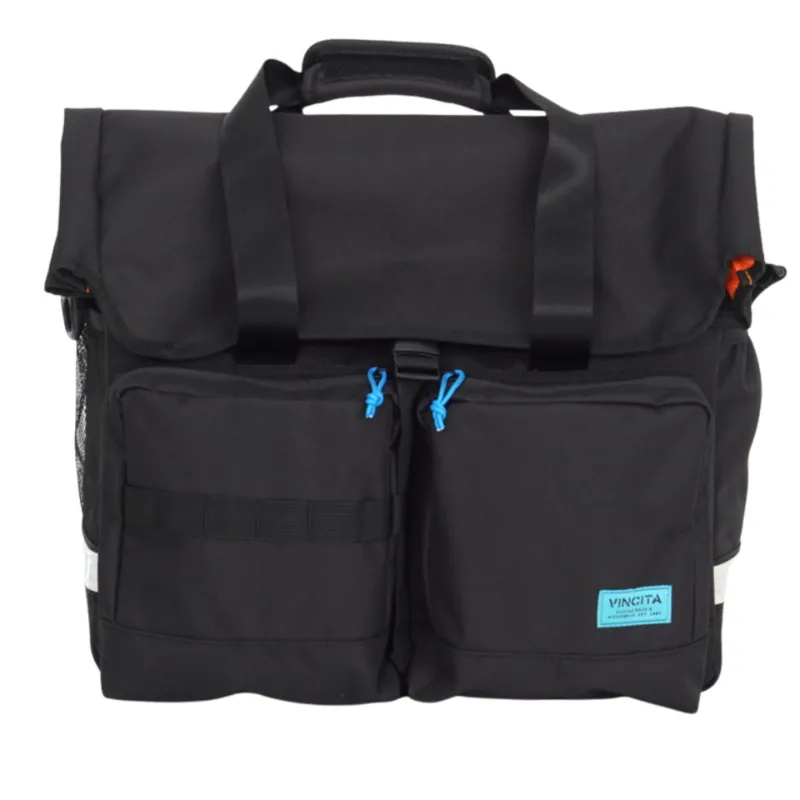
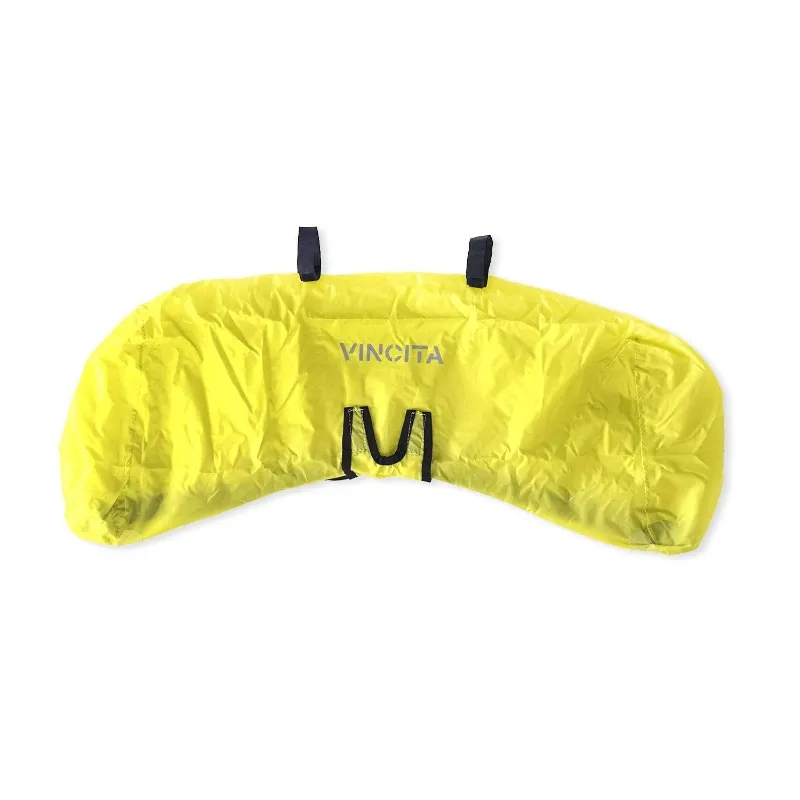
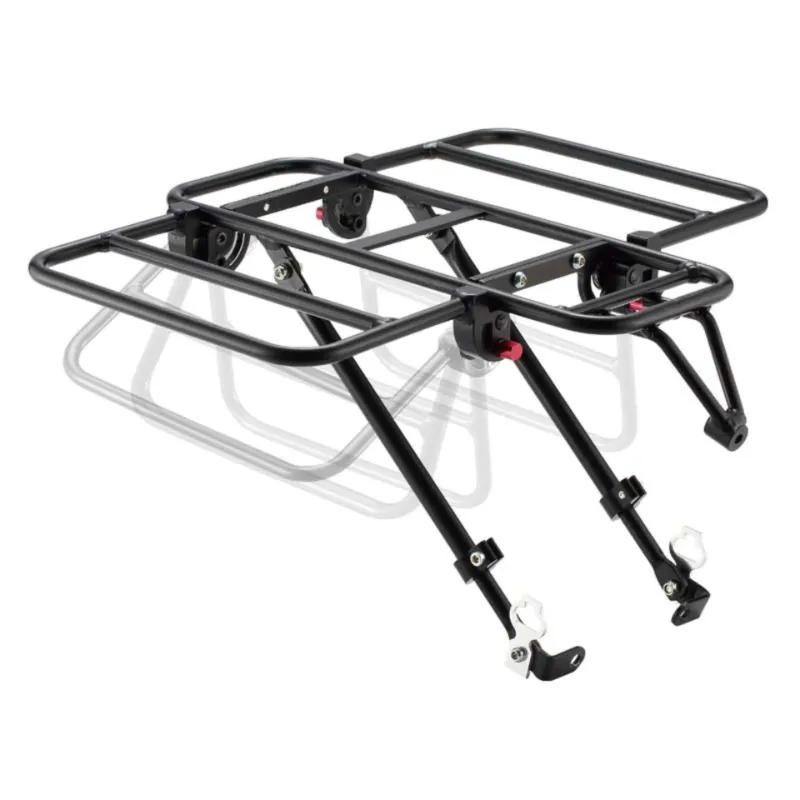 Shopping at Vincita? See the discount code
10% OFF All Orders
Shopping at Vincita? See the discount code
10% OFF All Orders
More in this series
Bike Handlebar Covers: When You Need Them and How to Install19 Aug 20265 minHow Does the Wittkop 5-Zone Bike Seat Work?19 Aug 20264 minWhat to Pack in Mini Panniers for Daily Commutes19 Aug 20265 minDo Folding Bike Bags Protect Your Frame During Travel?19 Aug 20265 minHow to Choose the Right Bike Seat: Wittkop 5-Zone vs Standard Saddles19 Aug 20264 min