 A Vincita guide
How to Choose the Right Bike Seat: Wittkop 5-Zone vs Standard Saddles
The wittkop 5 zone bike seat uses targeted pressure distribution across five distinct zones to reduce numbness and improve comfort on longer rides.
What Makes the Wittkop 5 Zone Bike Seat Different
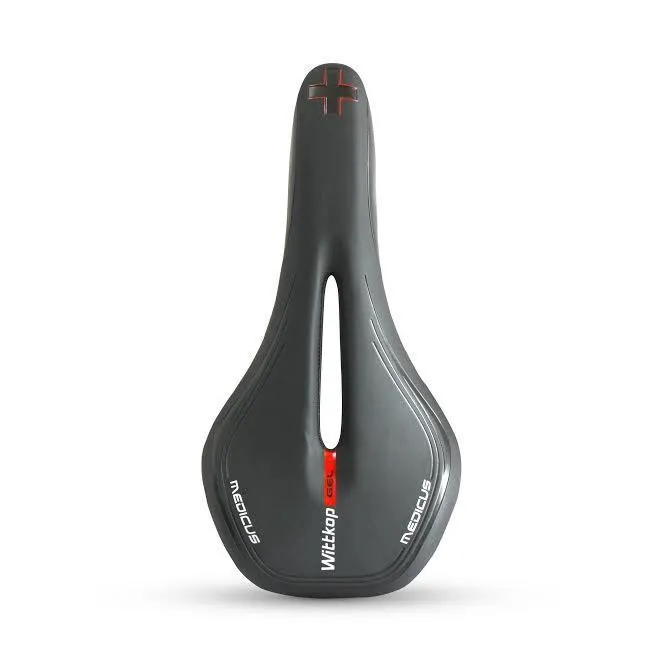
The wittkop 5 zone bike seat uses targeted pressure distribution across five distinct zones to reduce numbness and improve comfort on longer rides. Unlike standard saddles that treat your sit bones and soft tissue as a single surface, the 5-zone design maps pressure relief to specific anatomical contact points. This matters for anyone who rides more than 30 minutes at a time or experiences discomfort with traditional saddles.
How the 5-Zone Design Works
The Wittkop system divides the saddle surface into five areas, each with a different foam density or cutout pattern. Zone 1 and 2 typically sit under your sit bones (ischial tuberosities) with firmer foam to carry load. Zone 3 runs down the center channel, often featuring a relief cutout or softer material to reduce pressure on soft tissue and nerves. Zones 4 and 5 wrap the nose and forward edges, using medium-density foam to support your thighs without chafing during pedaling.
Standard saddles use uniform padding, which means the same foam density everywhere. That works fine for some riders, but many people end up with too much pressure on the perineum or too little support under the sit bones. The wittkop 5-zone tackles this by giving each contact area what it needs.
For more rider experiences with saddle numbness, see this Wittkop saddle discussion. Your mileage will vary depending on riding position, pelvic anatomy, and saddle width.
Wittkop 5-Zone vs Standard Saddles: Key Differences
| Feature | Wittkop 5-Zone | Standard Saddle |
|---|---|---|
| Pressure mapping | Five distinct foam zones | Uniform padding |
| Center relief | Deep cutout or channel | Shallow groove or none |
| Sit-bone support | High-density zone 1 & 2 | Same foam throughout |
| Best for | Upright to moderate positions | Race or aggressive positions |
Standard saddles excel when you ride in a forward, aggressive posture where most weight sits on the sit bones and very little pressure lands on soft tissue. The Wittkop design shines for commuters, touring riders, and anyone in a more upright position where the saddle needs to handle a wider pressure distribution. For a broader look at saddle testing across brands, OutdoorGearLab’s ranked list offers useful comparison benchmarks.
If you ride a hybrid, cruiser, or upright city bike, the wittkop 5 zone bike seat will likely feel more comfortable than a racing saddle. If you ride drop bars in a low aero position, a narrower standard saddle may suit you better.
Choosing the Right Width and Shape
Saddle width matters more than padding thickness. Measure your sit-bone width by sitting on corrugated cardboard or visiting a bike shop with a gel pad. Add 20 to 30 mm to that measurement for upright riding, or 10 to 20 mm for aggressive positions.
Wittkop saddles typically come in 160 mm, 180 mm, and 200 mm widths. Match your sit-bone measurement to the saddle width so your ischial tuberosities rest on zones 1 and 2, not on the softer center channel. If your sit bones land in zone 3, you will sink into the cutout and lose the benefit of the firm support zones.
Shape also varies. Flat saddles work well for riders with flexible hips and a forward pelvic tilt. Curved saddles suit riders with less flexibility or a more neutral pelvis. The Wittkop range includes both profiles, so check the product specs before you buy. You can grab the code for 10% off and compare models at full detail on the Vincita store.
Installation and Break-In Period
Mount the saddle with the nose roughly level or tilted down no more than 3 degrees. Fore-aft position should place your knee over the pedal spindle when the crank is horizontal (the KOPS rule is a starting point, not gospel). Ride for 50 to 100 km before deciding whether the saddle works. Memory foam in the Wittkop models needs time to conform to your anatomy, as noted in customer reviews on Amazon.
During break-in, expect slight discomfort in new spots as your body adapts to the different pressure zones. If pain or numbness persists after five rides, revisit saddle height, tilt, and fore-aft position before blaming the saddle itself.
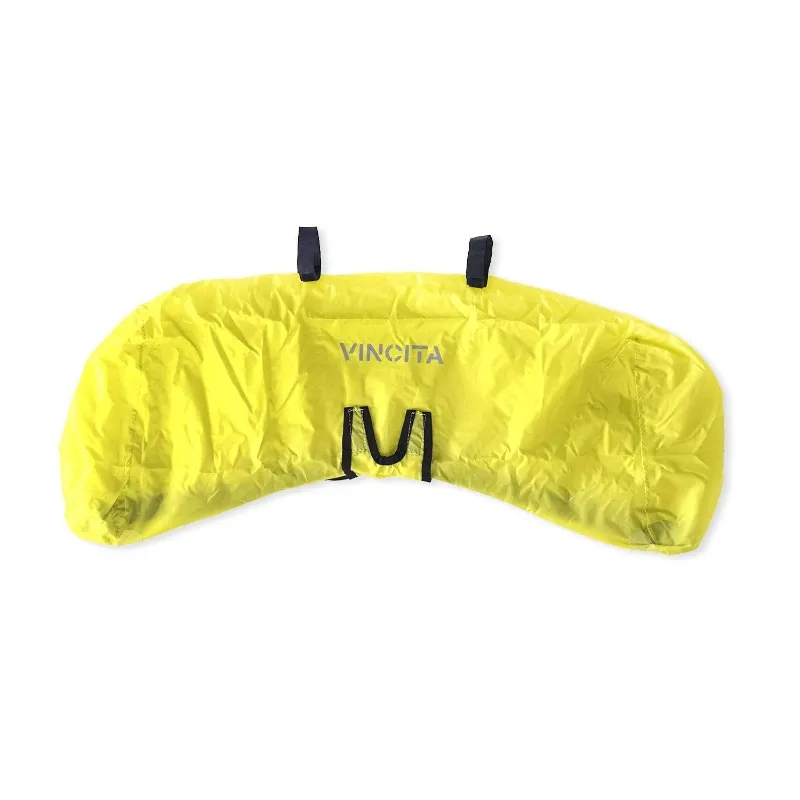
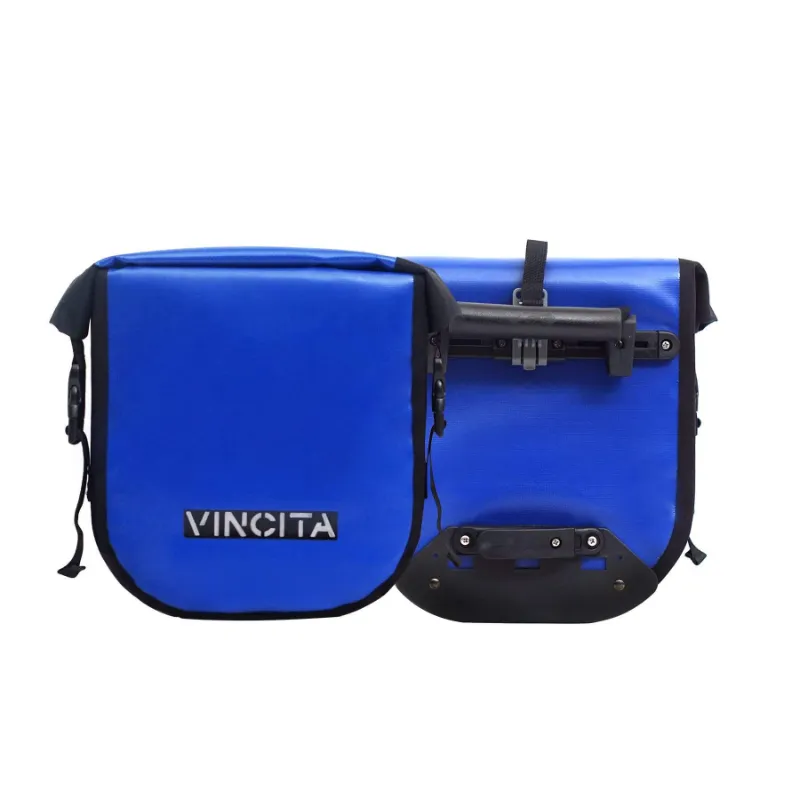
A few other accessories: A bike handlebar cover improves grip comfort on long rides, while a folding bike bag makes transport easier if you travel with your bike. For everyday carry, mini panniers handle light loads without requiring a full rack setup.
Who Should Buy a Wittkop 5-Zone Saddle
The wittkop bike seat fits these rider profiles best:
- Commuters and recreational cyclists who ride 30 to 90 minutes at moderate intensity in an upright position
- Touring riders who need all-day comfort over varied terrain
- Anyone with perineal numbness on standard saddles, especially if a center cutout alone has not solved the issue
- Riders returning after injury or time off, where gradual pressure distribution helps rebuild tolerance
The 5-zone design is less ideal for competitive road cyclists, mountain bikers in aggressive positions, or riders who already have a dialed saddle setup. If your current saddle works, there is no reason to switch.
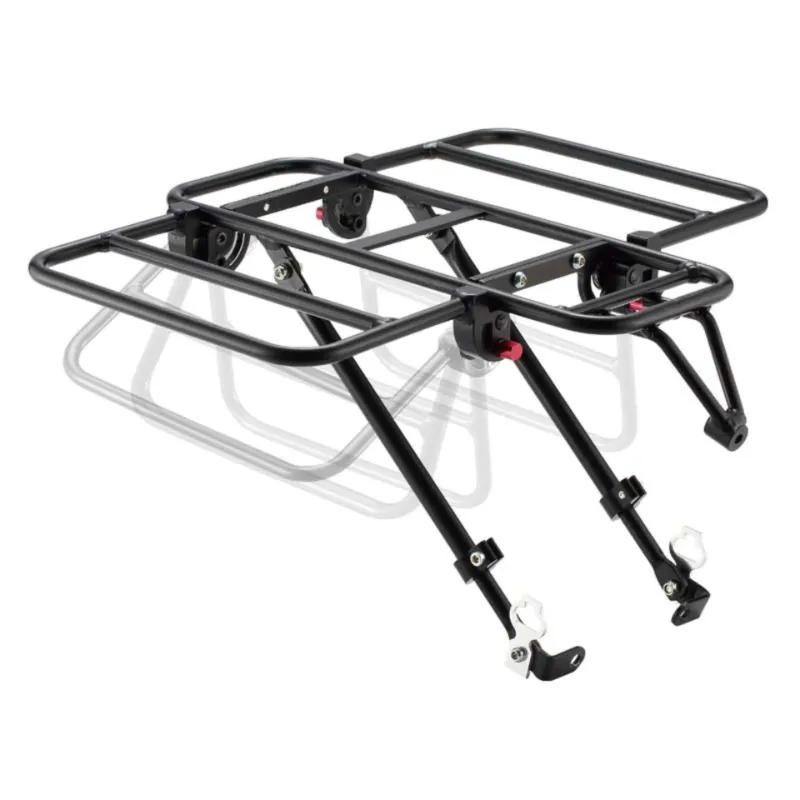
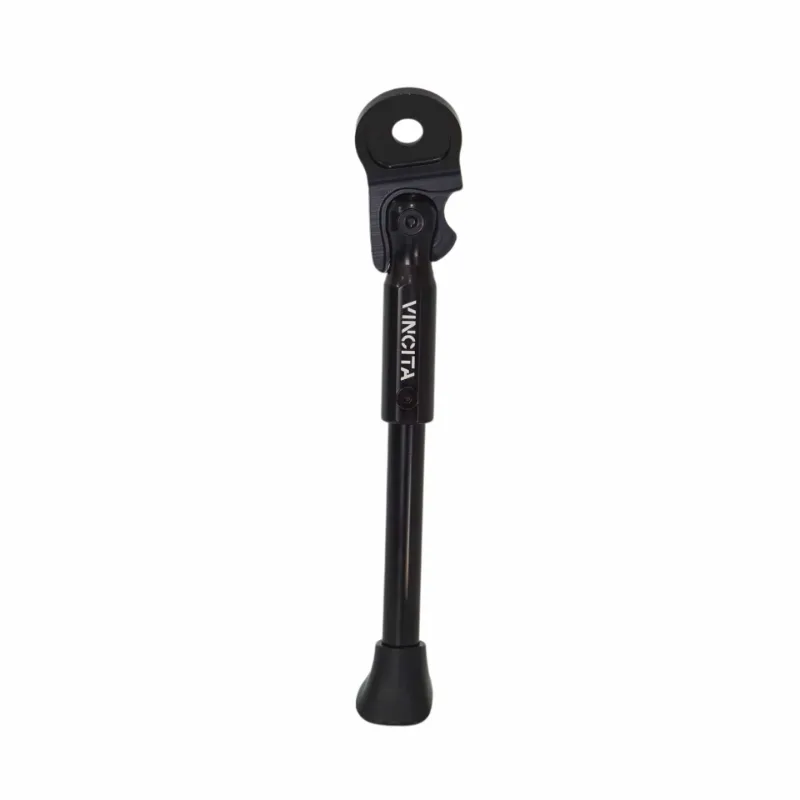
For current pricing and to check the latest price with our exclusive code, visit the Vincita store. The 10% discount applies across all orders, so you can bundle a saddle with other upgrades like a folding cycle carrier or a giordano bike kickstand in one purchase.
Final Thoughts on Saddle Selection
Saddle comfort is personal, but the wittkop 5 zone bike seat offers a structured approach to pressure relief that works for many riders who struggle with traditional designs. The zone system gives you targeted support where anatomy demands it, rather than relying on thick padding to mask poor fit. Measure your sit bones, match the width, allow for break-in time, and adjust position carefully.
Questions
How long does it take to break in a Wittkop 5-zone saddle?
Most riders need 50 to 100 km of riding for the memory foam zones to conform to their anatomy. Expect minor discomfort in new pressure points during the first few rides as your body adapts to the different support pattern.
What saddle width do I need for the Wittkop 5 zone bike seat?
Measure your sit-bone width and add 20 to 30 mm for upright riding, or 10 to 20 mm for aggressive positions. Wittkop saddles typically come in 160 mm, 180 mm, and 200 mm widths, so choose the size that puts your sit bones on zones 1 and 2.
Can I use a Wittkop saddle for mountain biking?
Yes, but the 5-zone design works best for upright to moderate riding positions. If you ride in an aggressive, forward-leaning position on technical trails, a narrower standard saddle may offer better performance.
Does the center cutout in zone 3 prevent numbness completely?
Results vary depending on anatomy, riding position, and saddle fit, so proper width and tilt adjustment remain essential.
Is the Wittkop saddle heavier than a standard racing saddle?
Yes, the multi-density foam and memory padding add 50 to 100 grams compared to lightweight racing saddles. The trade-off favors comfort over weight savings, making it a better choice for commuting and touring than competitive racing.
Products in this guide
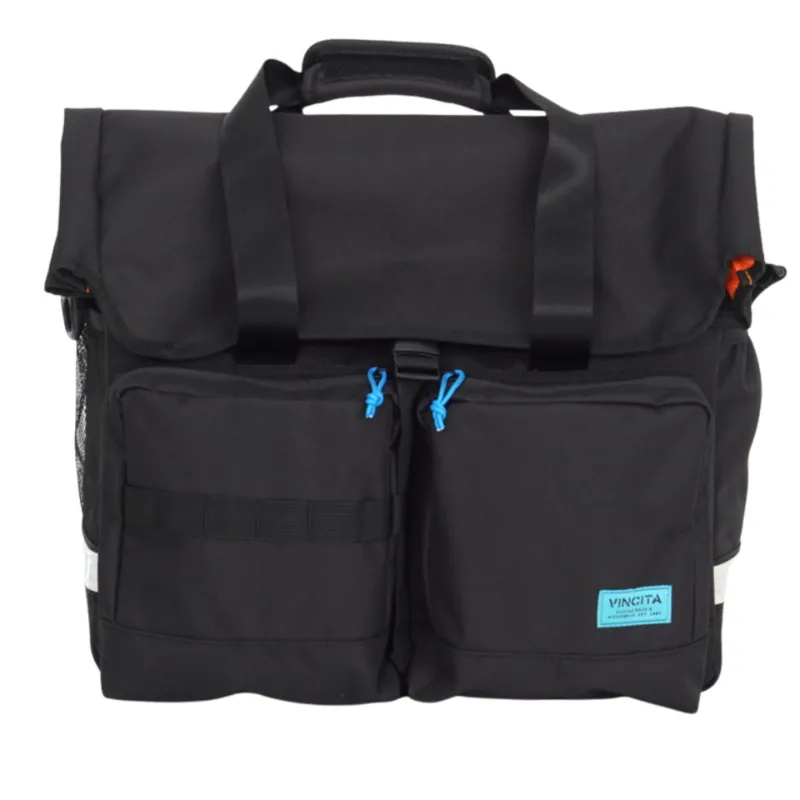
 Shopping at Vincita? See the discount code
10% OFF All Orders
Shopping at Vincita? See the discount code
10% OFF All Orders
More in this series
Bike Handlebar Covers: When You Need Them and How to Install19 Aug 20265 minHow Does the Wittkop 5-Zone Bike Seat Work?19 Aug 20264 minWhat to Pack in Mini Panniers for Daily Commutes19 Aug 20265 minGiordano Bike Kickstand Installation and Compatibility Guide19 Aug 20266 minDo Folding Bike Bags Protect Your Frame During Travel?19 Aug 20265 min