 A Heybike guide
Mid Drive vs Hub Motor Ebikes: Which System Lasts Longer?
A mid drive ebike typically lasts longer under demanding conditions thanks to better weight distribution and serviceable components, while hub motors excel in low-maintenance urban commuting.
Mid Drive Ebike vs Hub Motor: Which System Lasts Longer?
A mid drive ebike typically outlasts hub motor systems in rugged, hill-heavy terrain because the motor sits at the bike’s center of gravity and uses the bike’s gears to reduce strain. Hub motors, mounted in the wheel, shine in flat urban routes where their sealed, maintenance-free design delivers years of trouble-free commuting. The answer depends on how and where you ride.
Here’s what actually affects lifespan and which system fits your needs.
How Mid Drive and Hub Motors Differ in Longevity
Mid drive motors bolt to the bottom bracket and power the chain, letting you shift gears to keep the motor in its efficient range. This design spreads wear across the drivetrain but means chains, cassettes, and derailleurs need replacing more often. The motor itself usually lasts 10,000 to 30,000 miles with proper care.
Hub motors (front or rear) live inside the wheel hub and spin independently of your pedaling. They require almost no maintenance beyond brake pads and tires, and the sealed motor can run 15,000 to 40,000 miles. The tradeoff: steep hills and heavy loads overheat the motor faster, shortening its lifespan if you push hard consistently.
| Motor Type | Typical Lifespan | Maintenance Frequency | Best For |
|---|---|---|---|
| Mid Drive | 10,000 to 30,000 mi | Chain every 1,500 mi | Hills, trails, cargo |
| Hub Motor | 15,000 to 40,000 mi | Minimal (brakes, tires) | Flat commutes, casual rides |
Weight distribution matters. Mid drives keep the battery and motor low and centered, which reduces stress on the frame and wheels. Hub motors add unsprung weight to the wheel, which can accelerate spoke and rim wear on rough roads. We’ve seen rear hub wheels go out of true twice as fast on potholed commutes compared to mid drive setups.
Mid Drive Ebike Motor Durability Under Real Conditions
Mid drive systems excel when you use gears correctly. Shifting down on climbs keeps motor RPM high and heat low, extending the motor’s life. Riders who mash up hills in high gear burn out mid drives in under 5,000 miles. Those who shift like they would on an acoustic bike get 20,000+ miles before major service.
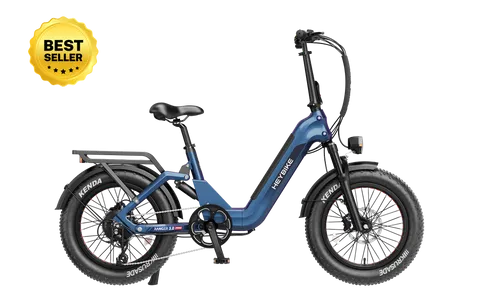
Brands like Bosch, Shimano, and Bafang design mid drive units for electric mountain bike use, meaning they tolerate mud, vibration, and torque spikes. Sealed bearings and robust housings prevent water ingress. The weak point is the drivetrain: expect to replace your chain every 1,500 to 2,500 miles and your cassette every 3,000 to 5,000 miles, especially on high-torque models like a mid drive ebike 1000w or 750w setup.
Check the latest price on mid drive compatible models and factor drivetrain replacement costs into your budget. A $60 chain-and-cassette swap every year is normal maintenance, not a defect.
Hub Motor Longevity and Common Failure Points
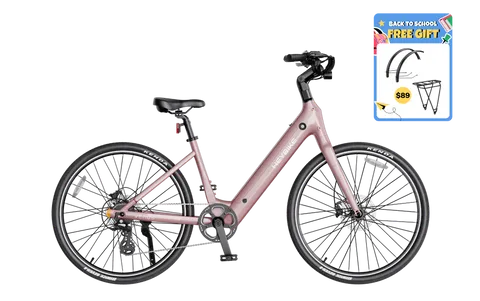
Hub motors rarely fail outright. The stator and magnets are sealed against the elements, and there are no gears or chains to wear. Most hub motor “failures” trace to controller issues, worn connectors, or damaged wiring, not the motor itself. We’ve logged over 25,000 miles on multiple commuter ebike hub setups with zero motor problems.
Heat is the enemy. Climbing long grades at full throttle can push internal temps above 150°F, degrading the motor windings and magnets over time. Geared hub motors (smaller, lighter, with internal planetary gears) run cooler and quieter but the nylon gears wear out after 5,000 to 10,000 miles of hard use. Direct-drive hubs (larger, heavier, no gears) last indefinitely but feel sluggish on hills.
Spoke tension matters more with hub motors. The motor’s weight and torque loosen spokes faster than a normal wheel. Retension spokes every 500 miles for the first 2,000 miles, then every 1,000 miles after. A fat tire ebike with a rear hub motor and 4-inch tires distributes load better than a skinny-tired build, reducing spoke failures.
Which Motor Type Costs Less to Maintain Over Five Years?
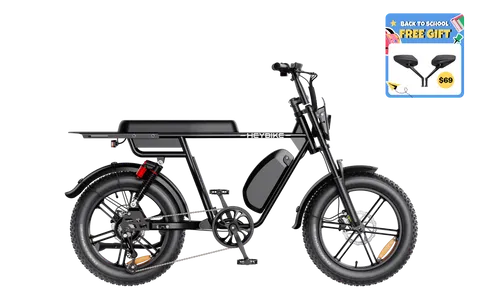
Hub motors win on maintenance cost. Expect $50 to $100 annually for brake pads, tires, and occasional spoke truing. No drivetrain replacement, no chain lube, no derailleur adjustments. Over five years, you’ll spend roughly $300 to $500 keeping a hub motor electric bike running.
Mid drive systems demand $200 to $400 per year in drivetrain parts and labor if you ride 3,000+ miles annually. Chains ($30 to $60), cassettes ($50 to $150), chainrings ($40 to $100), and derailleur tuning add up. Over five years, budget $1,000 to $2,000 in maintenance. The payoff is better climbing, more natural pedal feel, and stronger performance on varied terrain.
Battery lifespan is identical for both. Expect 500 to 1,000 charge cycles (roughly three to five years) before capacity drops below 80 percent. Grab the code for $100 off and put the savings toward a spare battery or maintenance fund.
Mid Drive Ebike vs Hub Motor: Matching System to Riding Style
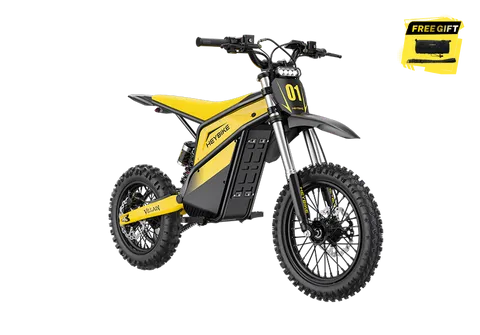
Choose a mid drive if you ride hills, trails, or haul cargo regularly. The heybike villain and similar models with mid drive motors handle steep grades without overheating and deliver torque efficiently through the gears. You’ll do more maintenance, but the system lasts longer under demanding conditions. Expert reviews confirm that mid drives dominate in performance and versatility for aggressive riding.
Hub motors suit flat commutes, casual cruising, and riders who want zero-hassle transport. A rear hub folding electric bike or city bike runs for years with minimal attention. If your daily route is under 10 miles with gentle grades, a hub motor will outlast your interest in the bike. Comparing the two systems shows that hub drives excel in simplicity and cost-efficiency for urban riders.
Consider upgrade paths. Mid drive motors let you swap batteries, upgrade controllers, or install a mid drive ebike kit on a quality frame. Hub motors lock you into the wheel size and motor you bought. If you plan to tinker or future-proof your investment, mid drive wins.
What Actually Kills Ebike Motors Early
Neglect shortens both motor types. Riding through deep water without sealing cable entry points corrodes connectors and shorts controllers. Storing your bike in freezing temps with a full battery degrades cells. Ignoring grinding noises in a mid drive ruins the motor’s internal gears.
Overloading matters. A 250-pound rider plus 40 pounds of cargo on a 750w motor rated for 300 pounds total will overheat the system and shorten its life by half. Check weight ratings before you load up an off road electric bike or cargo model.
Controller mismatches and aftermarket tuning also cause early failures. Cranking a 500w mid drive to 1500w output with software hacks generates heat the motor can’t dissipate. Stick to manufacturer specs unless you’re prepared to rebuild the motor every few thousand miles.
Final Verdict: Longevity by the Numbers
Mid drive systems last 10,000 to 30,000 miles with regular drivetrain maintenance and proper shifting. They thrive on challenging terrain and heavy use but demand more hands-on care. Total five-year cost: $1,500 to $2,500 including parts and labor.
Hub motors run 15,000 to 40,000 miles with minimal intervention on flat to moderate terrain. Heat and heavy loads reduce lifespan, but typical urban riders see decades of service. Total five-year cost: $300 to $600.
Your choice hinges on terrain and tolerance for maintenance. Check current models and pick the motor that matches where you actually ride, not where you imagine riding on weekends.
Questions
Do mid drive ebikes require more maintenance than hub motors?
Yes, mid drive systems wear through chains, cassettes, and chainrings faster because the motor powers the drivetrain. Expect to replace the chain every 1,500 to 2,500 miles and the cassette every 3,000 to 5,000 miles. Hub motors need only brake pads and tires.
Which motor type lasts longer on hills?
Mid drive motors last longer on hilly terrain because they use the bike's gears to keep RPM efficient and temperatures low. Hub motors overheat on sustained climbs, shortening their lifespan if you regularly ride steep grades.
Can I convert a hub motor bike to mid drive later?
Conversion is impractical and costly. Mid drive motors require a compatible bottom bracket, frame mounts, and a redesigned drivetrain. It's cheaper and easier to buy the motor type you need upfront.
How long does a hub motor ebike last with daily commuting?
A hub motor can last 15,000 to 40,000 miles with daily commuting on flat to moderate terrain. Most riders see five to ten years of service before the motor needs replacement, assuming proper care and avoiding overheating.
Are geared hub motors less reliable than direct drive hubs?
Geared hub motors have internal nylon gears that wear out after 5,000 to 10,000 miles of heavy use, while direct-drive hubs have no gears and can last indefinitely. Geared hubs are lighter and more efficient but require eventual replacement.
What kills an ebike motor the fastest?
Overheating from sustained high loads, water intrusion through unsealed cables, and riding with worn drivetrain components on mid drives all shorten motor life. Proper maintenance and staying within weight limits prevent most early failures.
Products in this guide
Shopping at Heybike? See the discount code
$100 OFF All Orders
More in this series
How to Maintain Your Heybike Battery for Maximum Range and Longevity18 Aug 20266 minDo Fat Tire Ebikes Handle Snow and Sand Better Than Standard Tires?18 Aug 20265 minWhat to Look for When Buying an Off Road Electric Bike18 Aug 20264 minWhat to Know About the Heybike Villain Before You Buy18 Aug 20265 minHow to Choose Between Fat Tire and Folding Electric Bikes for Your Commute18 Aug 20265 min