 A Heybike guide
Do Fat Tire Ebikes Handle Snow and Sand Better Than Standard Tires?
A fat tire ebike delivers superior traction on snow and sand compared to standard tires, making it the go-to choice for off-road and all-season riders.
A fat tire ebike handles snow and sand significantly better than standard tires because the wider contact patch distributes your weight over a larger surface area, preventing you from sinking. Standard 2-inch tires cut into loose terrain and bog down, while 4-inch fat tires float on top, giving you the traction and stability you need for winter commutes, beach rides, and off-road adventures.
Why Fat Tires Excel on Snow and Sand
The science is straightforward: fat tires reduce ground pressure. A standard tire concentrates your weight into a narrow footprint, which punches through snow and sand. Fat tires spread that same load across double or triple the surface area, so you stay on top instead of sinking in. This principle works exactly like snowshoes for hiking.
- Lower PSI operation: Fat tires run at 5 to 15 PSI, compared to 40 to 65 PSI for standard tires, which increases the contact patch and grip
- Wider footprint: 3.5 to 5-inch tires provide two to three times the surface contact of a standard 2-inch tire
- Better flotation: The increased surface area keeps you from sinking into soft surfaces, maintaining forward momentum
- Enhanced stability: The wider stance resists side-slip on loose or uneven terrain
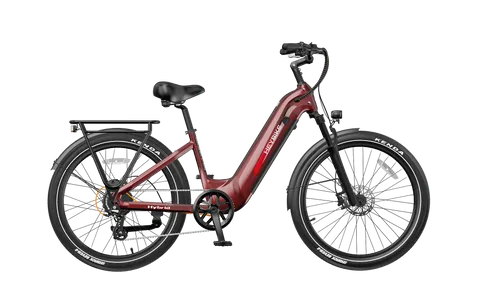
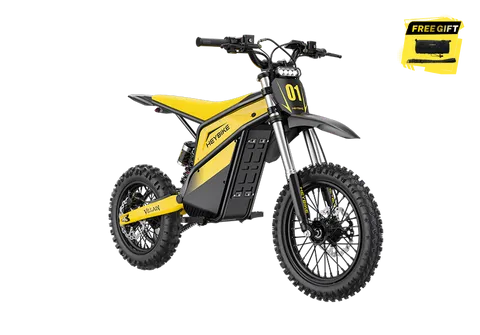
For riders exploring snowy trails or coastal paths, an off road electric bike with fat tires transforms what would be a frustrating slog into a rideable adventure. Models like the heybike villain pair aggressive tread patterns with the flotation advantage, giving you confidence on variable terrain.
When Standard Tires Fall Short
Standard tires work well on pavement, packed gravel, and firm dirt, but they struggle the moment the surface softens.
| Terrain Type | Standard Tires (2″) | Fat Tires (4″+) |
|---|---|---|
| Dry sand | Frequent sinking, hard to pedal | Floats on top, steady progress |
| Fresh snow (4″+) | Front wheel plows, rear spins | Maintains traction, stable ride |
| Packed snow/ice | Adequate with studs | Excellent contact, confident handling |
| Wet sand | Sinks and slides | Good traction, some effort needed |
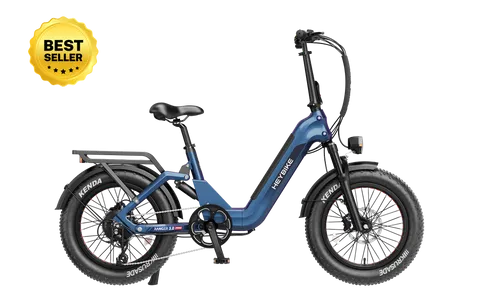
On dry pavement, standard tires roll faster and feel more nimble. But if your route includes beach access, winter bike paths, or unpaved forest roads after a storm, a fat tire ebike saves you from walking your bike through the tough sections. Check the latest price to see current offers on models built for these conditions.
Choosing the Right Fat Tire Ebike for Your Terrain
Not every fat tire bike handles snow and sand equally well. Motor power, tire width, and tread pattern all influence real-world performance. Here’s what to prioritize based on where you ride.
For Deep Snow and Powder
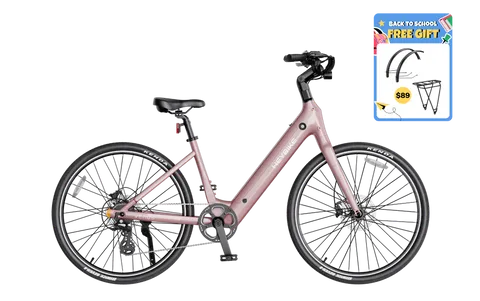
Look for tires at least 4 inches wide and a mid-drive or hub motor with 750W or more. The extra power compensates for rolling resistance in deep conditions. A commuter ebike with narrower tires may handle light snow, but dedicated fat models shine when accumulation exceeds a few inches.
For Beach and Coastal Riding
Saltwater and sand demand corrosion-resistant components and puncture-resistant tires. Wide tread spacing helps shed wet sand. An electric mountain bike with sealed bearings and weatherproof wiring holds up better long-term in these environments.
For Mixed Urban and Trail Use
If you split time between pavement and occasional snow or sand, a 3.5 to 4-inch tire offers a practical middle ground. You sacrifice some pavement speed but gain the versatility to tackle surprise conditions. According to expert testing from Electric Bike Report, the best fat tire ebike models balance all-terrain grip with reasonable rolling resistance on hard surfaces.
Power and Battery Considerations
Fat tires increase rolling resistance, which drains your battery faster than standard tires. A fat tire electric bike for adults typically needs a 500Wh or larger battery to maintain reasonable range. Budget an extra 20 to 30 percent battery consumption compared to the same route on standard tires. Grab the code for discounts on models with larger battery packs.
Tire Pressure and Tread Patterns That Matter
Proper tire pressure makes or breaks your performance on soft terrain. Running too high mimics standard tires and negates the flotation advantage. Running too low risks pinch flats and rim damage.
- Sand riding: 8 to 12 PSI gives you flotation without feeling sluggish
- Snow: 5 to 10 PSI maximizes contact and grip; go lower for powder, higher for packed trails
- Mixed conditions: 10 to 15 PSI offers a compromise for riders who encounter varied surfaces in one ride
- Pavement: 15 to 20 PSI reduces rolling resistance when you know you won’t hit soft terrain
Tread design also plays a role. Widely spaced knobs clear snow and sand better than tightly packed patterns, which clog and lose bite. Shallow tread works for hard-packed surfaces, but deep lugs provide the edge grip you need when leaning into turns on loose ground. Reviews on Electric Bike Review’s fat bike category show that aggressive tread improves confidence on technical descents and climbs.
Trade-Offs and Real-World Performance
Fat tires deliver unmatched capability on snow and sand, but they’re not ideal for every rider or route. Understanding the trade-offs helps you decide if the upgrade matches your riding style.
Advantages:
- Ride year-round without swapping bikes or worrying about conditions
- Explore trails, beaches, and routes that standard bikes can’t handle
- Increased stability and comfort on rough or uneven surfaces
- Lower risk of getting stranded in surprise weather
Drawbacks:
- Heavier overall weight adds 5 to 10 pounds compared to standard setups
- Slower acceleration and reduced top speed on pavement
- Higher battery consumption cuts range by 20 to 30 percent
- More expensive tires and tubes when replacement time comes
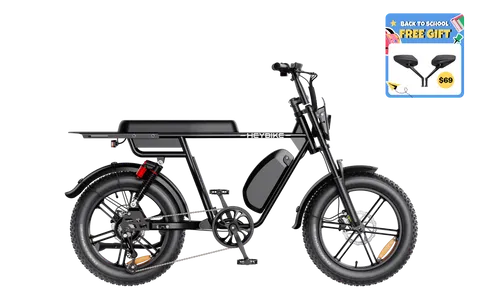
For riders who encounter snow or sand regularly, the benefits outweigh the costs. If you ride mostly paved paths with rare off-road detours, a standard electric bike may suit you better. Bicycling Magazine’s fat tire roundup highlights that the best use cases involve consistent exposure to challenging terrain rather than occasional novelty rides.
Maintenance Tips for Fat Tire Ebikes in Harsh Conditions
Snow, sand, and moisture accelerate wear if you don’t maintain your bike properly. We recommend these steps after every ride in tough conditions.
- Rinse off salt and sand immediately: Saltwater corrodes metal components and grit wears down seals and bearings
- Dry the frame and motor housing: Trapped moisture leads to rust and electrical issues
- Lubricate the chain: Sand and snow wash away lubricant faster than normal riding
- Check tire pressure: Temperature swings cause significant PSI changes; verify before each ride
- Inspect brake pads: Sand acts like sandpaper on pads and rotors, shortening their lifespan
A folding electric bike with fat tires offers portability for car-based adventures but requires the same care after beach or snow exposure.
Who Should Ride a Fat Tire Ebike
Fat tire models suit specific rider profiles better than others. You’ll appreciate the investment if you fit one or more of these descriptions.
- Winter commuters who refuse to stop riding when snow falls
- Beach explorers who want to ride the coastline without getting stuck
- Trail riders who venture onto soft, loose, or muddy paths
- All-season adventurers who value one bike that handles everything
If your riding stays on pavement or well-maintained paths year-round, the extra weight and rolling resistance may frustrate you. But for those who crave freedom to ride anywhere, anytime, a fat tire electric bike for adults transforms your relationship with weather and terrain.
Questions
Do fat tire ebikes really work in deep snow?
Yes, fat tire ebikes handle deep snow effectively because the wide tires distribute weight over a larger surface area, preventing you from sinking. Run tire pressure between 5 and 10 PSI for best flotation in powder.
Can I ride a fat tire electric bike on the beach?
Fat tire electric bikes work well on sand, especially when you lower tire pressure to 8 to 12 PSI. Rinse the bike with fresh water after every beach ride to prevent saltwater corrosion on metal parts and the motor.
How much does a fat tire ebike weigh compared to standard models?
Fat tire ebikes typically weigh 5 to 10 pounds more than standard models due to wider tires, reinforced rims, and beefier frames. The trade-off is increased stability and capability on soft or loose terrain.
Will fat tires drain my ebike battery faster?
Yes, fat tires increase rolling resistance and consume 20 to 30 percent more battery compared to standard tires on the same route. Look for models with 500Wh or larger batteries if you plan long rides on soft terrain.
What tire pressure should I use for snow versus sand?
For snow, run 5 to 10 PSI to maximize contact and flotation. For sand, use 8 to 12 PSI to balance flotation and prevent pinch flats. Adjust within this range based on your weight and terrain softness.
Are fat tire ebikes good for year-round commuting?
Fat tire ebikes excel for year-round commuting if your route includes snow, ice, or unpaved sections. They handle winter conditions confidently but feel slower and heavier on dry pavement compared to standard commuter models.
Products in this guide
 Shopping at Heybike? See the discount code
$100 OFF All Orders
Shopping at Heybike? See the discount code
$100 OFF All Orders
More in this series
How to Maintain Your Heybike Battery for Maximum Range and Longevity18 Aug 20266 minWhat to Look for When Buying an Off Road Electric Bike18 Aug 20264 minMid Drive vs Hub Motor Ebikes: Which System Lasts Longer?18 Aug 20265 minWhat to Know About the Heybike Villain Before You Buy18 Aug 20265 minHow to Choose Between Fat Tire and Folding Electric Bikes for Your Commute18 Aug 20265 min