 A Heybike guide
How to Maintain Your Heybike Battery for Maximum Range and Longevity
The Heybike Villain battery delivers impressive range when you follow proper charging cycles, storage protocols, and temperature management practices.
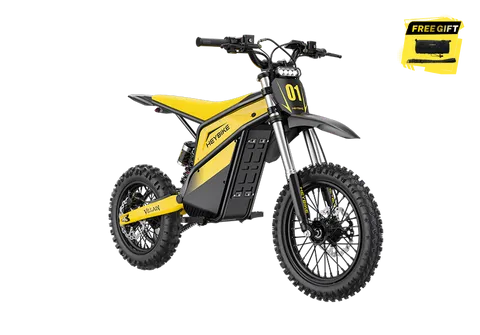
The Heybike Villain battery delivers impressive range when you follow proper charging cycles, storage protocols, and temperature management practices. Whether you own the Villain, a commuter ebike, or any electric bike, these maintenance habits will protect your lithium-ion pack and maximize every ride.
Understanding Your Heybike Villain Battery Capacity
Most Heybike models ship with 48V lithium-ion battery packs ranging from 15Ah to 20Ah, depending on configuration. The Villain typically uses a higher-capacity pack to support its performance envelope and heybike villain top speed capabilities. Battery health directly impacts the heybike villain range you experience on every charge.
Your pack contains hundreds of individual cells wired together. Each charge-discharge cycle gradually reduces total capacity. With proper care, expect 800 to 1,000 full cycles before capacity drops to 80 percent of original. Poor habits can cut that lifespan in half.
Check the current specs and grab the code for your specific model before planning upgrades or replacements.
Charging Best Practices for Long Battery Life
Smart charging habits add years to your battery pack and prevent the range anxiety that plagues neglected systems.
Partial charges beat full cycles. Lithium-ion batteries last longest when you keep charge levels between 20 and 80 percent. Avoid running down to zero or topping off to 100 percent for daily rides. Reserve full charges for longer trips where you need maximum heybike villain range.
Use the original charger. Third-party chargers may deliver inconsistent voltage or current, stressing cells and triggering protection circuits. The factory charger matches your battery’s chemistry and charge profile.
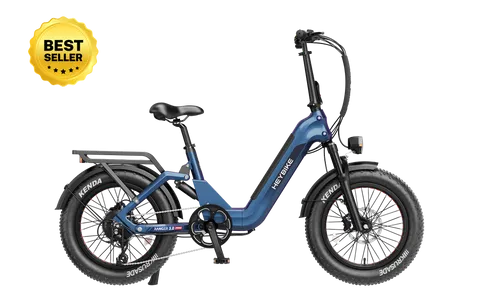
Charge at room temperature. Cold batteries charge slowly and risk lithium plating, which permanently reduces capacity. Hot batteries degrade faster during charging. Bring your electric mountain bike or fat tire ebike indoors to charge in a 50-75°F environment.
Unplug when complete. Leaving the charger connected for days keeps cells at high voltage, accelerating degradation. Most Heybike chargers stop active charging automatically, but it’s still better to disconnect within a few hours of the green light.
Charge after every ride. Shallow, frequent top-ups cause less stress than deep discharge-recharge cycles. If you ride 10 miles and use 30 percent, charge it back up that evening rather than waiting for multiple rides to drain the pack.
Storage Tips to Prevent Capacity Loss
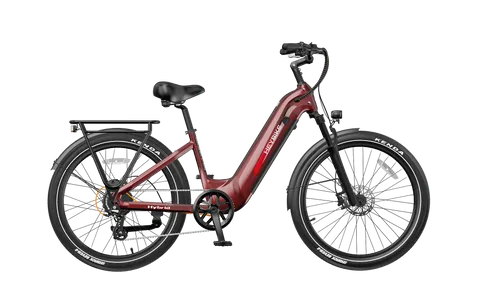
Long-term storage requires different care than daily use. Whether you’re winterizing your off road electric bike or storing a backup folding electric bike, these steps preserve cell health during dormancy.
Store at 40-60 percent charge. A half-charged battery experiences minimal stress. Full packs degrade faster at rest, and empty packs risk dropping below the protection circuit threshold, which can brick the battery.
Keep it cool and dry. Heat accelerates self-discharge and chemical breakdown. Store your battery in a basement, garage, or closet where temperatures stay between 40-70°F. Avoid attics, sheds, or direct sunlight.
Check every 4-6 weeks. Batteries self-discharge even when disconnected. If storage drags past two months, reconnect and top up to 50 percent, then disconnect again. This prevents over-discharge damage.
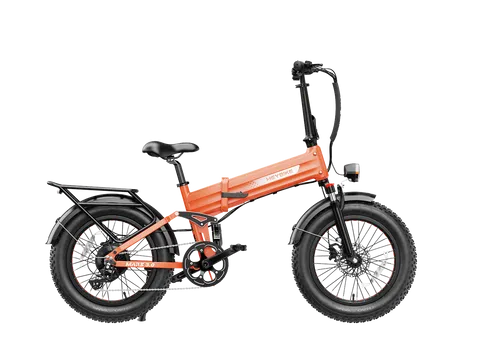
Remove from the bike. If you’re storing your Heybike villain or 3.0x for winter, pull the battery and store it separately. This protects the pack from temperature swings and makes it easier to monitor charge levels.
For seasonal riders, check the latest price on replacement batteries before storage season ends, so you’re ready to ride when spring arrives.
Temperature Management and Riding Conditions
Extreme temperatures drain range and stress cells more than any other factor. Understanding thermal limits helps you plan rides and avoid damage.
Cold weather cuts range by 20-40 percent. Lithium-ion batteries deliver less power below 40°F because chemical reactions slow down. Pre-warm your battery indoors before riding, and expect reduced heybike villain range in winter. Pedal assist and lower speeds help preserve charge.
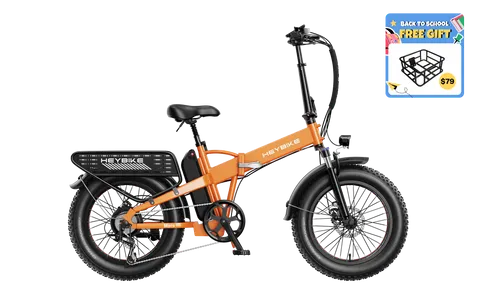
Heat accelerates degradation. Sustained riding above 100°F or charging in hot environments speeds up cell aging. If you live in a hot climate, charge overnight when it’s cooler and avoid leaving your electric electrical bike in direct sun.
Let the battery cool before charging. After a long, hard ride, the pack will be warm. Wait 30-60 minutes before plugging in so cells return to a safe charging temperature. Most battery management systems will throttle or refuse charging if the pack is too hot, but cooling first is gentler.
Avoid freezing. Never charge a frozen battery. If your pack has been in sub-freezing temperatures, bring it inside and let it warm to at least 50°F before connecting the charger. Charging a frozen pack can cause permanent internal damage.
Range-Boosting Riding Techniques
How you ride matters as much as how you charge. These techniques extend your distance per charge and reduce wear on the battery.
- Lower assist levels on flat terrain. Save high-power modes for hills and headwinds. Eco or Level 1 assist can double your range compared to full throttle.
- Maintain tire pressure. Underinflated tires increase rolling resistance and force the motor to work harder. Check pressure weekly and inflate to the sidewall recommendation.
- Smooth acceleration. Jackrabbit starts drain the battery faster than gradual speed increases. The Villain has serious power, but metering the throttle conserves energy.
- Pedal along with the motor. Even light pedaling reduces battery draw. On a commuter ebike, consistent pedal assist delivers better range than throttle-only operation.
- Reduce weight. Every extra pound requires more energy to move. Remove unnecessary cargo, swap to a lighter bike basket if needed, and avoid carrying tools or accessories you won’t use on that ride.
The Heybike Villain Review highlights how riding style dramatically impacts real-world range, especially at higher speeds.
Battery Health Monitoring and Replacement Planning
Modern batteries include management systems that track cell health, but you should also watch for warning signs.
Monitor range degradation. If your usual 30-mile route now requires a mid-ride charge, or if the battery indicator drops faster than normal, capacity has declined. Document your range over time to spot gradual drops.
Check for physical damage. Inspect the battery case for cracks, dents, or swelling. Any deformation means internal damage. Stop using the pack immediately and contact Heybike support.
Watch charge times. If your battery takes significantly longer to charge or reaches full much faster than when new, the cells are aging. This is normal after 2-3 years of heavy use.
Plan for replacement. Budget for a new battery after 3-5 years or 800+ cycles, whichever comes first. Replacement packs typically cost $400-$700 depending on capacity. Check heybike-discount-code for current pricing and coupon offers before ordering.
Common Battery Mistakes to Avoid
Even careful owners make these errors that shorten battery life.
Leaving the battery discharged for weeks. An empty pack will self-discharge below the protection threshold, sometimes permanently disabling it. Always store with some charge.
Charging immediately after riding in extreme heat. Let the pack cool first to avoid thermal stress during charging.
Ignoring firmware updates. Some Heybike models receive battery management updates via the display. Install these to optimize charging profiles and cell balancing.
Using the bike as a charging station for your phone. USB ports draw from the main battery. Frequent small draws keep the management system active and prevent deep sleep modes that preserve charge.
Storing in a damp location. Moisture can corrode connections and seep into the case. Keep your battery in a dry environment, and wipe off any water after wet rides before storing.
Whether you ride a heybike villain, a folding electric bike for mixed-mode commutes, or a fat tire ebike for trail adventures, these maintenance practices will keep your battery delivering consistent range for years. Treat your pack well, and it will reward you with hundreds of reliable, powerful rides.
Questions
How often should I charge my Heybike Villain battery?
Charge after every ride to keep the battery between 20 and 80 percent. Shallow, frequent charges cause less wear than deep discharge cycles and help maintain long-term capacity.
Can I leave my ebike battery on the charger overnight?
It's safe for one night since most chargers stop active charging automatically, but disconnect within a few hours of completion when possible. Prolonged connection at full charge accelerates cell degradation over time.
What is the best storage charge level for winter?
Store your battery at 40 to 60 percent charge in a cool, dry location between 40-70°F. Check and top up to 50 percent every 4 to 6 weeks to prevent over-discharge damage.
Why does my ebike battery drain faster in cold weather?
Lithium-ion batteries deliver 20 to 40 percent less capacity below 40°F because chemical reactions slow down. Pre-warm the battery indoors before riding and use lower assist levels to extend range in winter.
How long does a Heybike battery last before replacement?
Expect 800 to 1,000 full charge cycles or 3 to 5 years with proper care before capacity drops to 80 percent of original. Poor charging habits, extreme temperatures, and deep discharges can cut lifespan in half.
Should I remove the battery when I store my electric bike?
Yes, remove the battery and store it separately at 40 to 60 percent charge in a temperature-controlled environment. This protects the pack from temperature swings and makes it easier to monitor charge levels during long-term storage.
Products in this guide
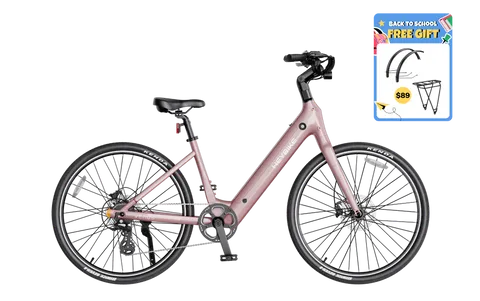
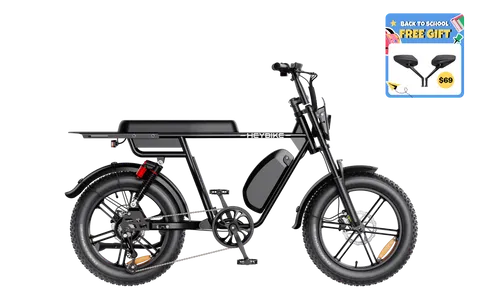 Shopping at Heybike? See the discount code
$100 OFF All Orders
Shopping at Heybike? See the discount code
$100 OFF All Orders
More in this series
Do Fat Tire Ebikes Handle Snow and Sand Better Than Standard Tires?18 Aug 20265 minWhat to Look for When Buying an Off Road Electric Bike18 Aug 20264 minMid Drive vs Hub Motor Ebikes: Which System Lasts Longer?18 Aug 20265 minWhat to Know About the Heybike Villain Before You Buy18 Aug 20265 minHow to Choose Between Fat Tire and Folding Electric Bikes for Your Commute18 Aug 20265 min