 A Heybike guide
How to Choose Between Fat Tire and Folding Electric Bikes for Your Commute
A folding electric bike excels in urban commutes with tight storage, while fat tire models handle rough terrain and longer distances.
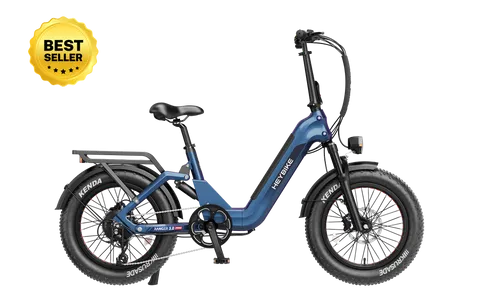
A folding electric bike wins when you need portability and compact storage for urban commutes, while a fat tire ebike handles rough roads, snow, and longer distances better. Your ideal choice depends on your daily route, storage space, and whether you combine biking with public transit.
What Makes a Folding Electric Bike Different from a Fat Tire Model
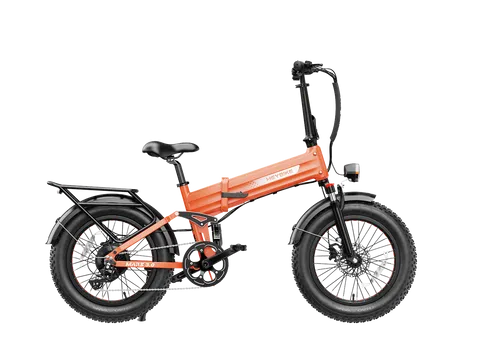
The core difference is design intent. A folding electric bike prioritizes compactness with hinges at the frame center, handlebars, and pedals, folding to roughly the size of a large suitcase in under 30 seconds. Most weigh 40 to 55 pounds and fit under desks, in car trunks, or on train luggage racks. They typically run 16- to 20-inch wheels with narrower tires (1.75 to 2.5 inches) optimized for smooth pavement.
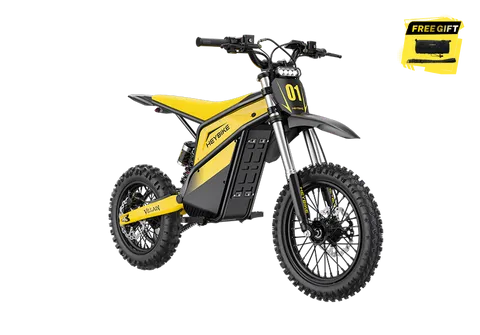
Fat tire models like the heybike villain mount 4-inch-wide tires on full-size frames that don’t fold. The extra rubber grips loose gravel, sand, and snow while cushioning bumps, but the bikes weigh 65 to 80 pounds and require standard bike racks or garage space. Some brands now offer folding fat tire hybrids, though they sacrifice some portability for the wider tread.
Key spec comparison:
| Feature | Folding Electric Bike | Fat Tire Ebike |
|---|---|---|
| Weight | 40-55 lbs | 65-80 lbs |
| Folded size | 30″×18″×25″ (approx) | Does not fold |
| Tire width | 1.75-2.5 inches | 4+ inches |
| Best terrain | Pavement, bike lanes | Gravel, sand, snow, trails |
When a Folding Electric Bike Is the Better Commuter Choice
Choose a best folding electric bike if you face any of these scenarios:
- Multi-modal commutes: You ride to the train station, fold the bike, carry it aboard, then ride from the destination station. Standard bikes aren’t allowed on many peak-hour trains, but folded bikes count as luggage.
- Apartment or office storage: No bike rack at work or home means you need a commuter ebike that tucks under your desk or in a closet. Full-size bikes block hallways and invite theft.
- Car trips: Weekend errands or road trips become easier when your bike folds into the trunk without a roof rack.
- Smooth urban routes: Dedicated bike lanes, well-paved streets, and light traffic let you maximize a lightweight folding electric bike for adults’ speed and efficiency.
Check the latest price to see which foldable electric bike adults models fit your budget with our current discount.
When Fat Tire Models Handle Your Commute Better
A fat tire ebike or off road electric bike makes more sense when:
- Your route includes unpaved sections: Gravel paths, potholed streets, or canal towpaths shake narrow-tire bikes apart. Four-inch tires absorb impacts and maintain traction where folders skitter.
- Winter riding: Snow and ice demand maximum contact patch. Fat tires let you commute year-round in climates where folders become garage art from November to March.
- Longer distances: Full-size frames accept larger batteries (up to 1,000 Wh vs. 500 Wh on most folders), extending range to 60+ miles. Comfort geometry also reduces fatigue on 45-minute rides.
- Cargo hauling: Add a bike basket or panniers to carry groceries, laptops, or gym gear. Fat tire frames support 50+ pounds of cargo; folders max out around 20 pounds before handling suffers.
The electric mountain bike category overlaps here if your commute doubles as trail access. Models like the 3.0x balance commuter practicality with weekend adventure capability, though they weigh more than pure commuter designs.
Portability vs. Stability Trade-offs You Need to Know
Every folding hinge introduces slight flex under power. That’s imperceptible on flat roads but amplifies on steep climbs or rough pavement. High-quality folders use reinforced clamps and locking pins to minimize this, but physics limits how rigid a hinged frame can be.
Fat tire rigidity comes at the cost of weight and bulk. Lifting a 70-pound fat tire ebike up apartment stairs daily becomes a dealbreaker, while a 45-pound folder remains manageable for most adults. Consider whether you’ll actually fold and carry the bike or just need it to fit through a doorway.
What to expect when carrying it:
- Folding time: 20 to 45 seconds for most models once you practice
- Carrying distance: Check how far you’re comfortable carrying it before switching to rolling on rear wheels
- Stairs: Three flights is the practical limit before a fat tire model with walk-assist becomes easier
Storage, Maintenance, and Long-Term Ownership Costs
Folding mechanisms add maintenance points. Inspect hinge bolts monthly and apply lithium grease every six months to prevent seizing. Cables routing through the stem fold point wear faster than fixed-frame cables, so budget for housing replacement every 18 to 24 months.
Fat tire tubes and tires cost more (around $40 to $60 per tire vs. $20 to $30 for folder tires), but puncture less often thanks to the air volume and tread depth. You’ll also spend more on electricity: fat tire models consume 15 to 20 Wh per mile vs. 10 to 15 Wh for best foldable electric bike for adults designs.
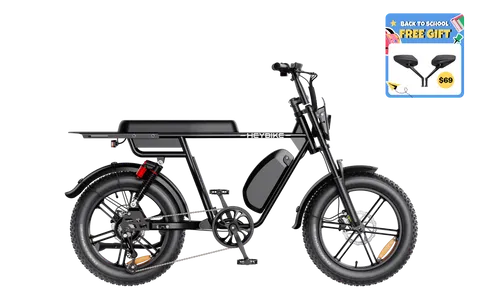
Indoor storage protects both types from weather and theft. If you lack indoor space, a weatherproof cover and quality U-lock become non-negotiable. Grab the code to save $100 on any electric bike or folder in Heybike’s lineup, which includes two-year warranties covering frame, motor, and battery.
How to Match Bike Type to Your Daily Commute Profile
Map your actual route and measure these factors:
- Total distance: Under 10 miles each way favors folders; over 15 miles tips toward fat tire comfort and range
- Surface types: More than 30% unpaved or poorly maintained road suggests fat tires
- Elevation gain: Steep hills expose folder frame flex; full-size geometry climbs more confidently
- Storage transitions: Count how many times you lift, fold, or carry the bike daily; each transition adds friction that makes heavier bikes impractical
Test ride both styles on your actual commute if possible. Expert reviews and independent testing confirm that the best folding electric bike for you depends on infrastructure, not theoretical specs.
Some riders solve the dilemma by owning both: a folding electric bike for mixed transit days and a fat tire ebike for long weekend rides. With current pricing, a mid-range model of each costs less than a year of car commuting in most cities. Check pricing to see how our exclusive discount affects the total cost of going two-bike.
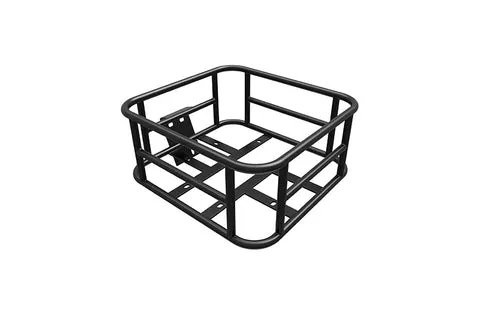
For accessory integration, both types accept common add-ons like a basket bicycle front mount, though verify weight limits and handlebar diameter before buying. The commuter ebike category includes pre-equipped models with fenders, lights, and racks already installed, saving you $150 to $300 in aftermarket parts.
Ultimately, the right choice depends on whether your biggest daily challenge is storage space or road conditions. Measure your constraints, test ride where possible, and prioritize the problem that causes the most friction in your current routine.
Questions
Can a folding electric bike handle daily commutes over 15 miles?
Yes, but battery capacity matters. Most folding electric bikes deliver 25 to 40 miles per charge, so a 15-mile commute uses 75% of the battery if you ride both ways. Look for models with 500+ Wh batteries or plan to charge at work.
Are fat tire ebikes harder to pedal without power?
Fat tires create more rolling resistance, so pedaling without assist requires noticeably more effort than a standard commuter ebike. The extra weight (65 to 80 pounds) also makes unpowered riding impractical for most riders.
How often do folding hinges need maintenance?
Check hinge bolts monthly for tightness and apply grease every six months. Quality folding electric bikes use reinforced clamps that stay secure with basic upkeep, but cables at fold points may need replacement every 18 to 24 months.
Can I take a folding electric bike on public transit?
Most transit systems allow folded bikes as luggage, but policies vary by city and peak hours. Confirm local rules before relying on multi-modal commutes, and practice folding to meet the size limits (typically 30×18×25 inches or similar).
Do fat tire ebikes work in snow and ice?
Yes, the wide contact patch and lower tire pressure improve traction on snow and packed ice. Fat tire ebikes let you commute year-round in winter climates where narrow-tire bikes become unstable.
What is the weight limit difference between folding and fat tire models?
Folding electric bikes typically support 220 to 280 pounds total (rider plus cargo), while fat tire ebikes handle 300 to 350 pounds thanks to their reinforced frames and wider weight distribution.
Products in this guide
 Shopping at Heybike? See the discount code
$100 OFF All Orders
Shopping at Heybike? See the discount code
$100 OFF All Orders
More in this series
How to Maintain Your Heybike Battery for Maximum Range and Longevity18 Aug 20266 minDo Fat Tire Ebikes Handle Snow and Sand Better Than Standard Tires?18 Aug 20265 minWhat to Look for When Buying an Off Road Electric Bike18 Aug 20264 minMid Drive vs Hub Motor Ebikes: Which System Lasts Longer?18 Aug 20265 minWhat to Know About the Heybike Villain Before You Buy18 Aug 20265 min